Invisible Frontline: The undersea infrastructure that keeps Britain working
Imagine waking up and nothing loads.
No banking. No social media. No emails. Your phone's not broken, your WiFi isn't down – the entire country is offline.
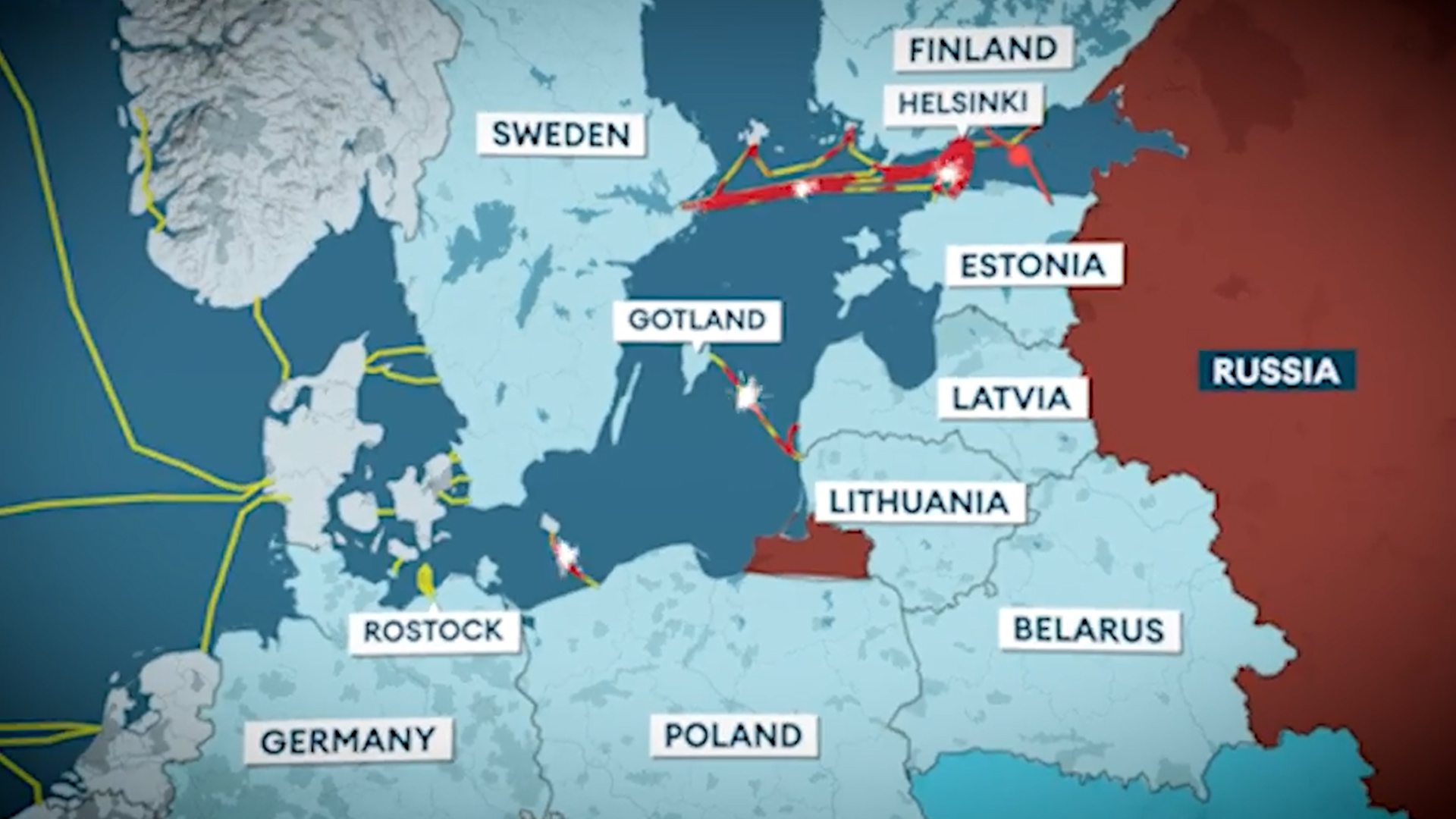
It sounds far-fetched. But the uncomfortable reality is this: there are just 62 undersea cables connecting the UK to the digital world, and if a hostile state were to sabotage several of these at once, it could effectively disconnect the country.
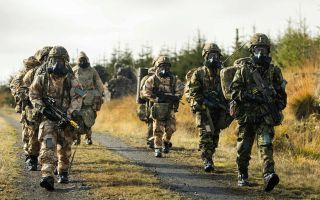
Across Nato, borders are being tested. Not by tanks and troops, but by drones, GPS jamming, and invisible probes beneath the sea; it's a new frontline where hostile states push, prod, and look for weak spots.
This is the world which we wanted to take an in-depth look at in this article.
Hidden but essential
Undersea cables may not feel like "national infrastructure" in the way a bridge or power station does – but without them, the digital Britain we take for granted doesn't function.
From the mundane to the critical – streaming, messaging, email, cloud documents, contactless payments – undersea cables are the unseen physical link that makes the internet real.
Former Royal Navy Captain and Defence Attaché to Moscow and Kyiv, John Foreman, makes the point in broader terms, saying: "We forget we live on an island."
He argues that "95% of our economy depends on the sea", a pertinent reminder that Britain's vulnerability isn't just digital, it's geographic.
And that dependence is growing. As Foreman notes, the shift away from fossil fuels toward cleaner electric power means more cables, more connections, and inevitably, more exposure.
Much of the system which protects this was built with accidental damage in mind – storms, trawlers, anchors – not deliberate, coordinated sabotage.
A single break can be repaired, but multiple breaks at once, especially across key routes, would be a different proposition.
"It's like an ambulance service," Elisabeth Braw, Senior Fellow at the Atlantic Council, told BFBS Forces News. "If all of a sudden, you get lots of critical cases, then the ambulance service will be overburdened."
Threats above and below the water
That's what makes sabotage so potent: it weaponises overload.
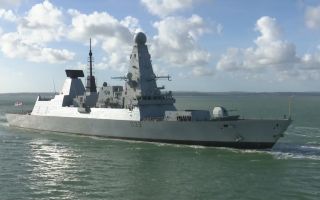
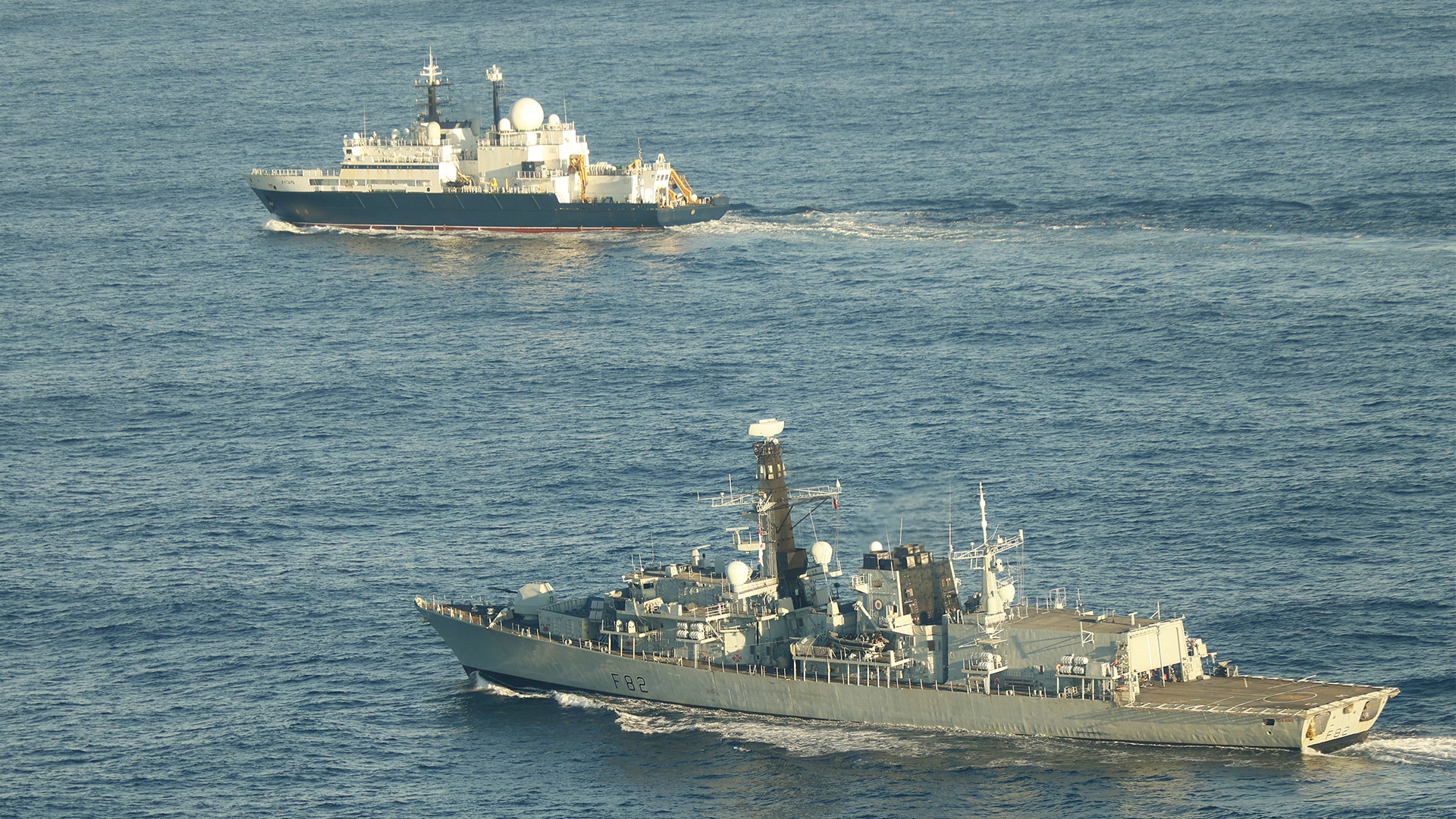
The UK government has recently called out the Russian spy ship Yantar, an increasingly frequent visitor to UK waters. The message from UK leaders has been blunt: we see you, we know what you're doing.
But the ship is not the whole picture.
"The bit of the Russian military we should pay the most attention to is the Russian submarine threat," Foreman warns, adding that renewed Russian investment in submarines is not just for deterrence, but for surveillance and underwater research.
Former Royal Navy submarine captain Ryan Ramsey puts it even more starkly: submarine warfare is powerful precisely because it's clandestine.
"Where are the submarines? What are they doing, and what is that tasking, and how are we going to track, trail and deal with them if we have to? ...It's underwater. It's not obvious to the general public. And therefore, you are able to exercise pure power."
An autonomous response
That's the unease at the heart of this story: the most consequential activity may be happening in a place the public can't see – and can't easily imagine.
The Government says the answer is Atlantic Bastion: a new hybrid force combining crewed, uncrewed and autonomous vessels.
It's a modern response to a modern problem, but there's a tension here too: how much do you delegate to technology that hasn't yet been fully tried and tested?
Mr Foreman says he wants this approach to work, but he cautions against relying too heavily on technology as a magical fix. On the positive side, he stresses Britain's long legacy in anti-submarine warfare.
"We invented it," he says, "and we beat the Germans twice."
Innovation matters, but he adds: "I don't think we should put all our eggs in one basket."
However alarming the threat is underwater, there is another overhead.
Drone warfare has defined the conflict in Ukraine. But since September, there has been a sharp spike in drone incursions and disruptions affecting Nato airspace and borders.
In our report, we've compiled a map to show how widespread this has become: between September and December, 14 different Nato countries were targeted, many of them multiple times.
Drones are the main offender, but Russian jets have also edged into Estonian airspace and, in Lithuania, rogue weather balloons have forced disruption around Vilnius, leading to repeated airport shutdowns and closures of the border with Belarus.
Not every incident can be conclusively traced back to Russia – and that ambiguity is part of the strategy.
Ms Braw says that disruption is all part and parcel for grey-zone aggression.
"This constant uncertainty about what is happening – whether it's just an accident, whether it's somebody just being annoying, whether Russia is behind it, whether another country is behind it – the only thing these different incidents have in common, drones and otherwise, is that they disrupt, they cause anxiety, they cause financial losses."
How should Nato respond?
Some allies have floated the idea of a "drone wall" – a defensive shield stretching across Nato's eastern flank. The concept is clear; the reality is harder. It would take time, money, coordination, and a level of coverage that's difficult to guarantee.
But behind all the proposals is a growing sense that the alliance must respond more firmly.
Zak West, a former British soldier now based in Ukraine for Riley Risk, says: "Every time Russia pushes for a response... they go back and judge: how fast was the response, shall we back off?
"If we don't have a firm response now, then Russia will just take that as a legitimate, reason to go forward again."
A modern strike doesn't have to level a city. It just has to break the systems that keep a country running – a cable on the seabed, a substation, a water plant, a port… and, suddenly, daily life can grind to a halt.
Join Our Newsletter