UK military and NHS wargame tests Britain's readiness to treat mass casualties in a future war
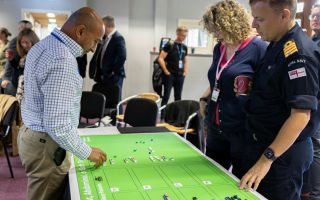
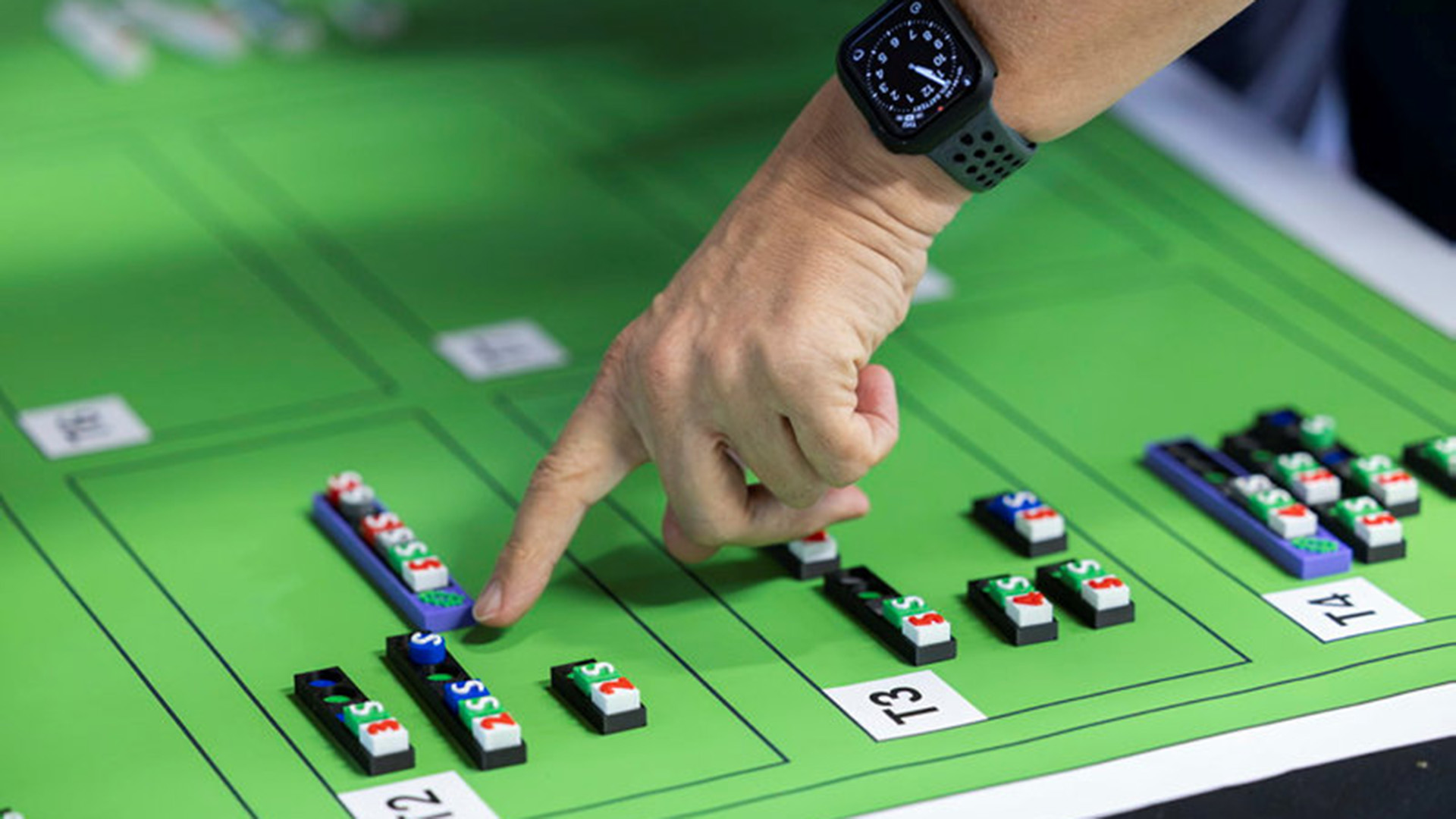
More than 100 military experts, clinicians and civil servants took part in a wargame to test the UK's response to frontline casualties in the event of an overseas conflict.
Defence medics and NHS professionals came together for this three-day resilience exercise, which involved international partners and drew on lessons from Ukraine.
Participants assessed plans for civilian health services to treat military patients returning to the UK after receiving lifesaving care overseas at the point of injury and after potentially travelling vast distances.
Transition to conflict
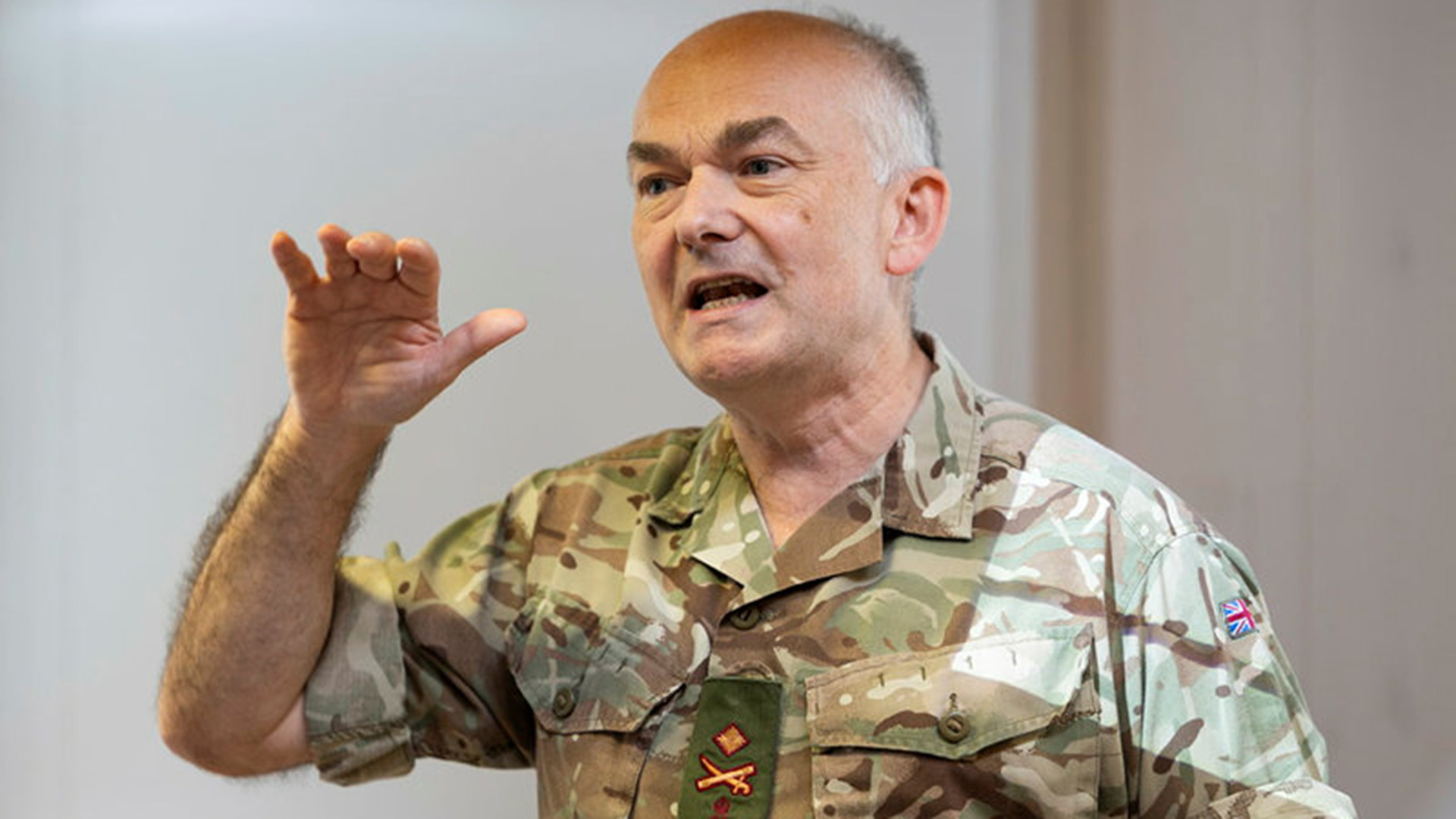
The exercise came as the head of the British Army warned that Britons will soon face a "frank conversation" over the sacrifices needed to prioritise defence and security.
General Sir Roly Walker, the Chief of General Staff, said at Catterick Garrison that the country's days of not having to think about fighting a war were over.
"This scenario is part of the work we're doing to plan for transition to conflict. And it focuses on the end point of that were deterrence to fail. Therefore, we find ourselves in a conflict scenario," Major General Phil Carter, the Interim Chief of Defence Medical Command and UK Surgeon General, told BFBS Forces News.
"Therefore, casualties are coming back to the United Kingdom. It's looking at how we, together with the National Health Service, might adapt to treat those casualties as they arrive."
Maj Gen Carter also said that he did not think that this would be the last wargame and that the military needs to keep examining how the battlefield and medicine change and be flexible to meet the demands of patients coming back to the UK.
Uncrewed vehicles and evacuations
The participants looked at the challenges being placed on the Ukrainian military and medical staff, including increasing hospital capacity, maintaining civilian access to healthcare, large-scale rehabilitation, likely injuries requiring treatment, and mental health care support.
Defence Medical Command is also analysing how to protect field hospitals, equipment and medical personnel from attack, advanced trauma training, stronger supply chains and the development of new technologies such as portable ultrasound equipment.
Speaking about the impact of the Ukraine war on military medicine, Maj Gen Carter said: "We're also looking at some of the lessons that we've got from Ukraine, maybe about using uncrewed vehicles, some of them in terms of uncrewed evacuation from the frontline, where we can't necessarily get an ambulance as far forward as we would like, largely because of the drone threat.
"But, also using drones to resupply our medical teams at the frontline. So, using drones to deploy blood; using drones to supply first aid kits, that sort of thing."
The exercise is part of an ongoing UK and international programme to make sure medical preparedness keeps pace with the changing character of warfare.
Part of routine preparedness planning, the exercises support the Strategic Defence Review's emphasis on resilience, readiness and a whole of society approach to national security.
Investing in innovations
The command is investing in lifesaving innovations, including dried blood products to improve blood supplies on the battlefield, tranexamic acid autoinjector pens, which cause clotting to reduce blood loss at the point of injury, as well as modern field equipment and enhanced equipment to care for casualties.
Maj Gen Carter explained that the Armed Forces are currently looking at antimicrobial resistance as well as how to deal with wound infections in personnel who are being evacuated from the frontline.
"By testing our plans now, we are building the trusted relationships and readiness needed to protect our country and care for those who serve," defence minister Lord Coaker said.
"The NHS has a vital role to play in the UK's preparedness for future conflict," Dr Mike Prentice, national director for NHS Resilience, said.
"Preparing together now means we can ensure that the NHS is ready to care for military personnel returning home, while continuing to meet the needs of the public – whatever the circumstances."
In December 2025, the Chief of the Defence Staff, Air Chief Marshal Sir Rich Knighton, said that there needs to be a "whole of society approach" to build national resilience in the face of increasing threats and uncertainty.
ACM Sir Rich said that "our whole nation" must step up to ensure Britain can continue to function in a crisis at his first Royal United Services Institute lecture.
Further exercises are scheduled for the coming months.
Additional reporting by Jonathan Moynihan.
Related topics
Join Our Newsletter