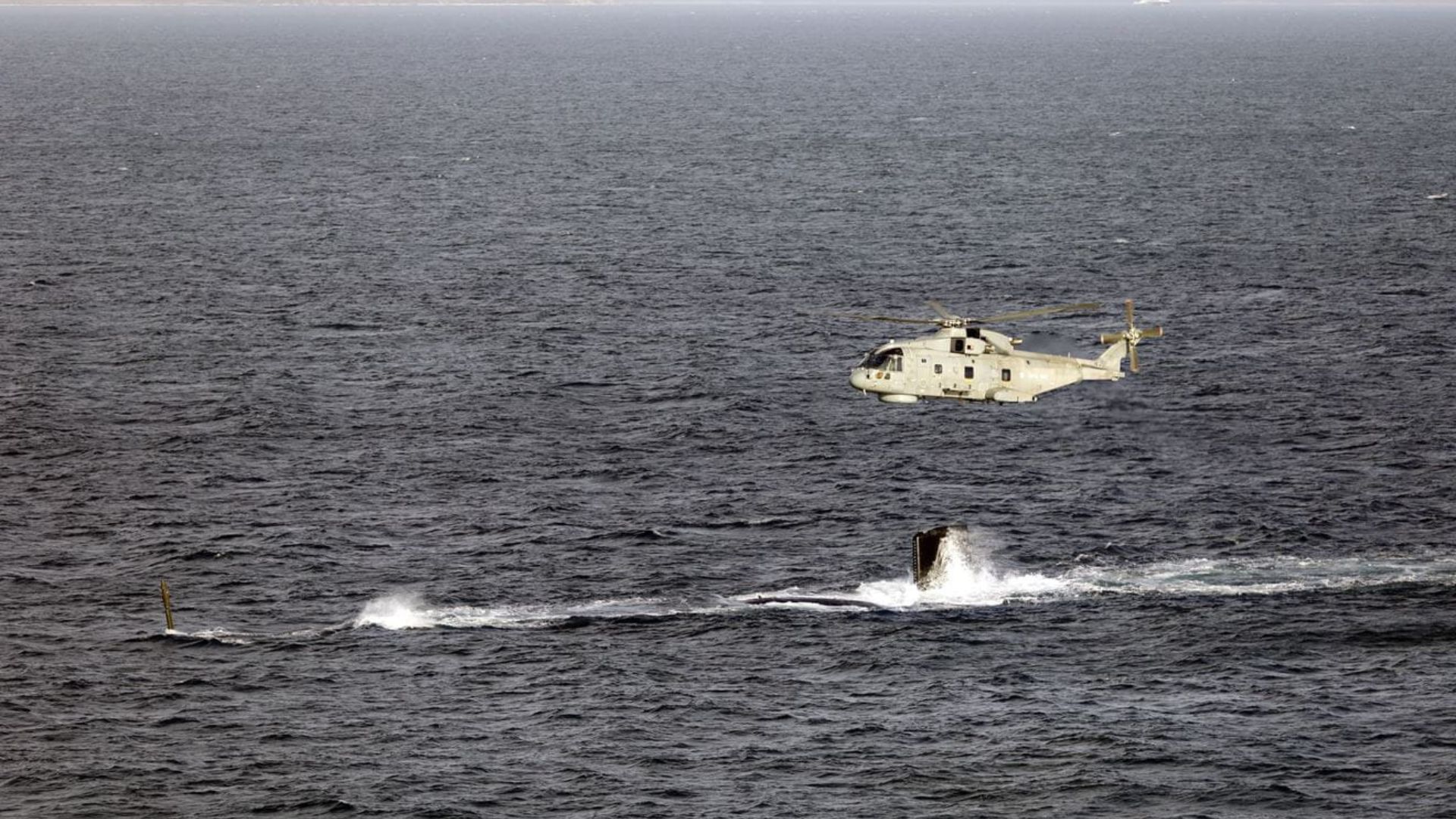
Royal Navy submarine-hunting helicopters have demonstrated their ability to respond rapidly to threats against the UK's submarine force during a major readiness exercise.
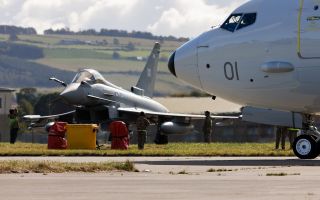
Operation Iceblast saw four Merlin Mk2 aircraft and around 90 sailors deploy from Royal Naval Air Station Culdrose in Cornwall to HMS Gannet at Prestwick for a series of operations.
The exercise was designed to assess the air station's readiness to deploy and sustain anti-submarine warfare operations away from its home base in the southwestern tip of England, while also carrying out other tasks in support of Nato commitments.
Swapping pasties for haggis
The detachment from 824 and 814 Naval Air Squadrons spent weeks operating from HMS Gannet, a Royal Navy Fleet Air Arm forward operating base situated just outside Glasgow.
It served as the home of the Senior Service's search-and-rescue operations north of the border for more than four decades. In 2016, the military transferred responsibility for these missions to civilian contractor Bristow Helicopters.
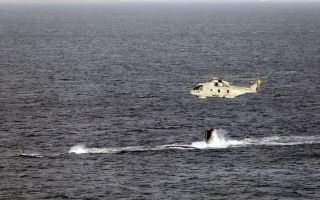
Op Iceblast saw crews overseeing the arrival of the Navy's latest Astute-class submarine HMS Agamemnon into HM Naval Base Clyde. The Merlin sub-hunters used their dipping sonars to track the aptly named 'Awesome Aggie' as she conducted her sea trial phase.
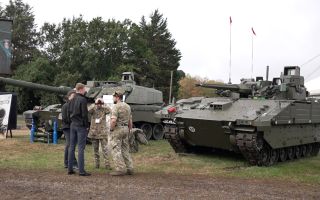
Under Exercise Strike Warrior – a large-scale Nato exercise involving all elements of the UK Commando Force – the aviators maintained a search and rescue capability as Royal Navy and Army Commandos deployed from a German U-boat to conduct reconnaissance tasks.
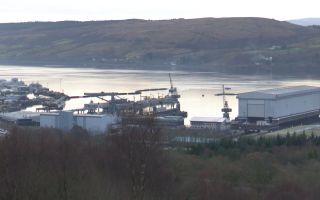
Elsewhere, the Merlins operated alongside a drone team from HMS Culdrose's 700X Naval Air Squadron and provided additional security around the Clyde – home port for the Royal Navy's entire submarine fleet.
Captain James Hall, RNAS Culdrose's Commanding Officer, said Op Iceblast demonstrated exactly what the Merlin Helicopter Force was designed to do.
"That is to deploy at short notice and deliver warfighting readiness from a forward location with a world-class anti-submarine warfare capability – whenever and wherever it is required," he said.
"The strategic environment demands constant vigilance. Operational deployments such as Iceblast ensure that our people, aircraft and support teams remain ready to protect the UK's interests, contribute to Nato security alongside our Norwegian partners, and provide the capabilities required to support the nation's nuclear deterrent."
Operating from HMS Gannet, Capt Hall added, provided a realistic opportunity to rehearse dispersed operations, with all the added complications of logistics support and command-and-control arrangements in demanding conditions.
"Throughout the exercise, Merlin crews conducted anti-submarine warfare training, tested deployment procedures and refined tactics designed to enhance front-line warfighting capability," he said.
Related topics
Join Our Newsletter