Naval expert says HMNB Clyde floating dock upgrade plan is long overdue
A naval expert says plans for upgrades to the home of the Royal Navy's submarine fleet is an attempt to solve a crisis three decades in the making.
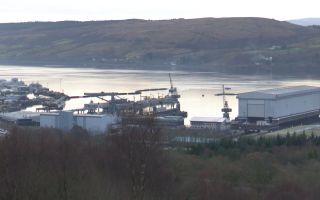
The construction of three floating docks at HMNB Clyde in Scotland aims to increase the availability of vessels by the next decade.
The floating docks are being proposed to fix the bottleneck in submarine maintenance due to the ageing infrastructure of British ports.
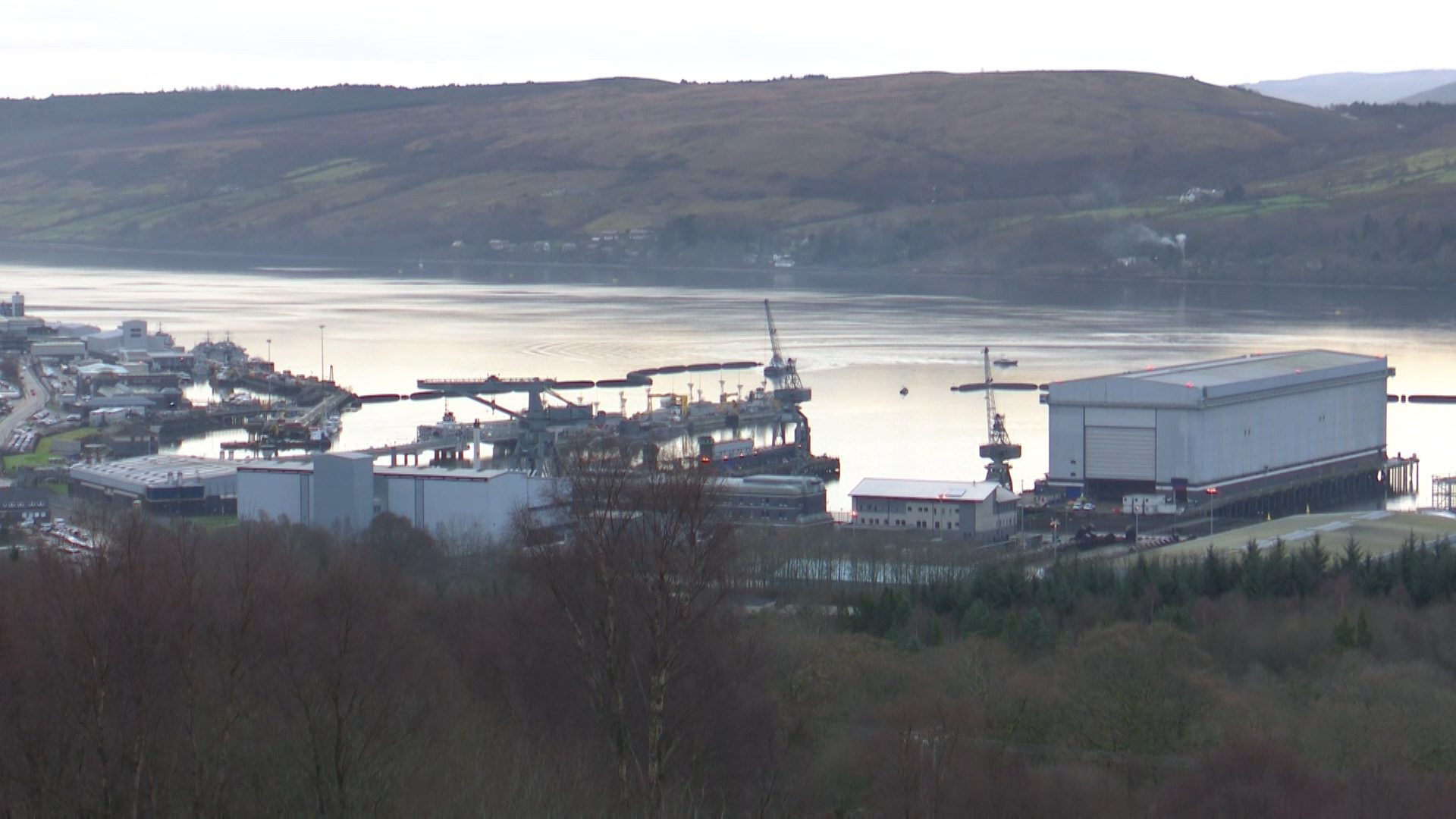
The current facilities at the Faslane base means only one vessel can be worked on at a time.
Editor of Navy Lookout Pete Sandeman said: "Years of kind of salami slicing cuts, maintaining the infrastructure has always been sort of back of the queue in terms of priorities and it's been put off and put off and now that kind of bill has become due and it's caused a massive backlog of submarine availability.
"So the reason we're struggling to put submarines at sea is because we don't have the dry docks that aren't at the standard that we need to repair them.
"So the situation at Faslane is that we have one ship lift, which is a sort of covered facility where the submarines go and float in and then they're raised up on a concrete platform and can be maintained undercover.
"It's a great facility, but is coming to the end of its life.
"I think it's 25 or 30 years old now and they're struggling to keep it safe to use.
"That's the only place they can go if they need to get them out of the water, apart from at Devonport, where we have a 15 Dock, which has been out of action for a long time because that's been needed to be converted from supporting Trafalgar boats to Astute boats.
"That work has now been completed and the first maintenance period of an Astute has been completed on HMS Audacious.
"There is another very large dock at Devonport being completely refurbished, which will give additional capacity and that should come on stream possibly by the end of next year.
"So we have these sort of single points of failure."
It is estimated that the three floating docks will cost around £6bn to install with the aim for them to be up and running by the early 2030s.
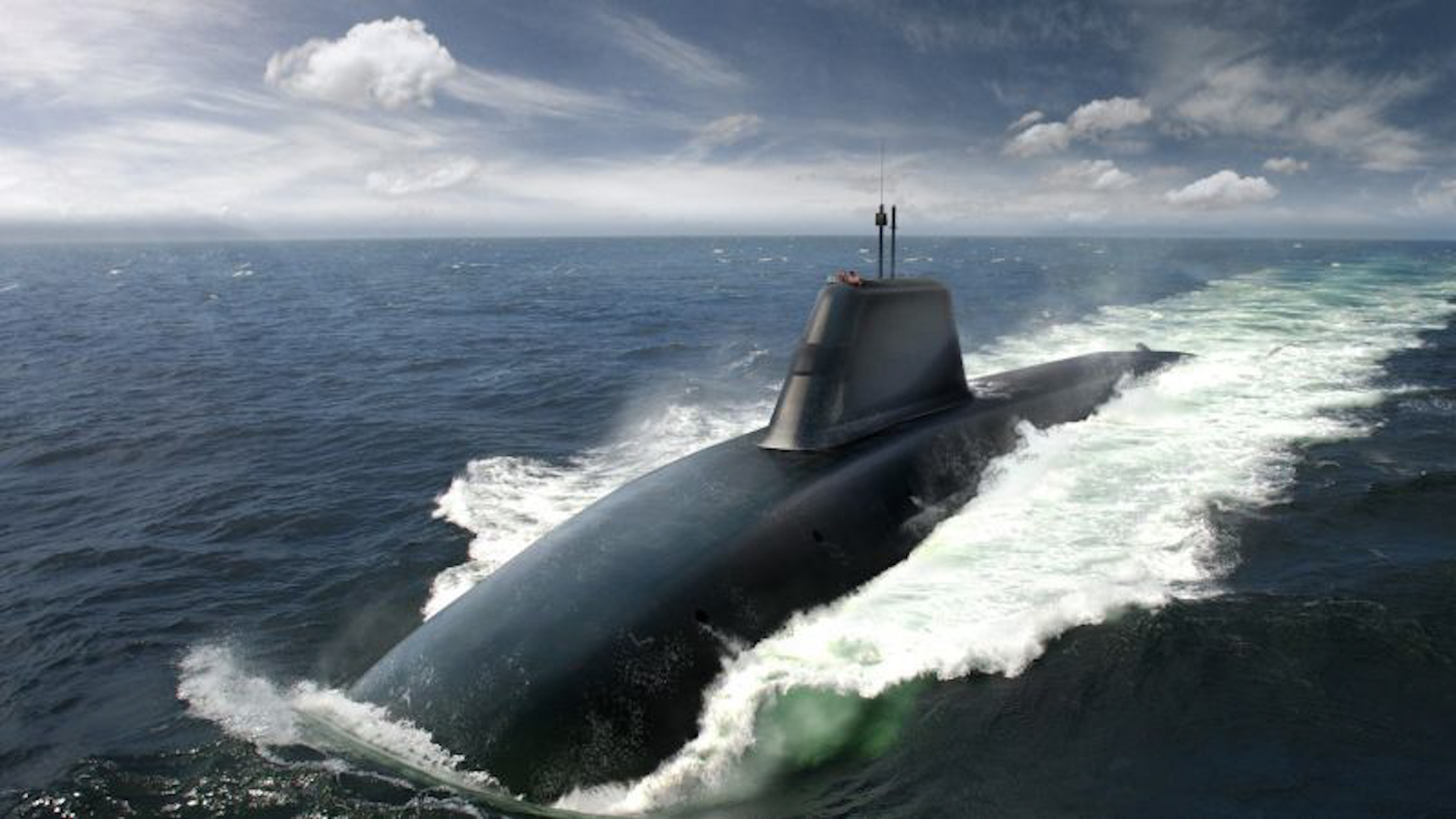
The docks will work by flood and clearing ballast tanks to lower and raise them and any vessel inside for work and redeployment to sea.
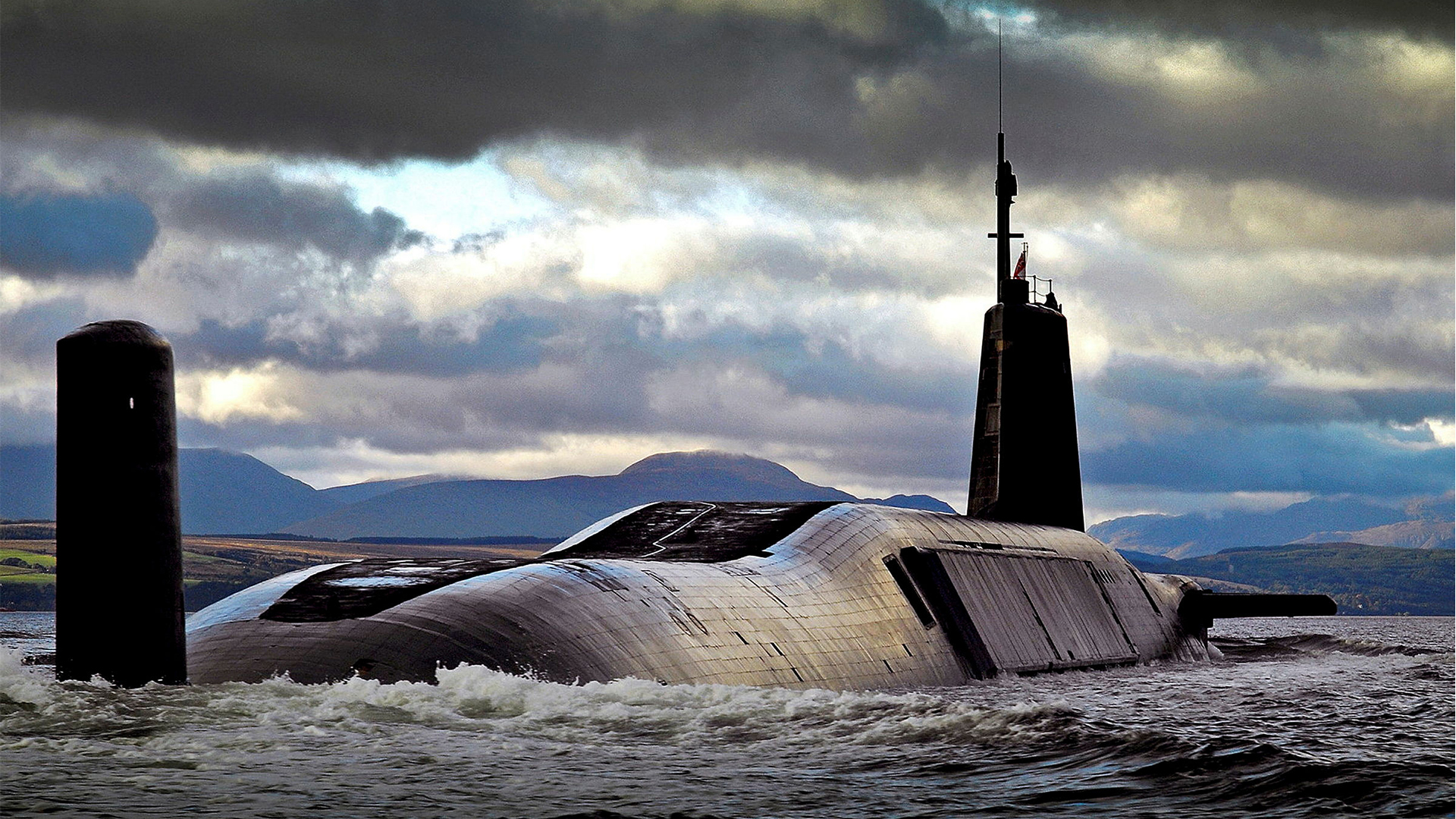
The imminent arrival of the large Dreadnought vessels means the upgrade is necessary.
The aim is quicken the turnaround in maintaining the fleet and allow more boats to be on patrol as well as upgrading the port ahead of the imminent arrival of the large ballistic Dreadnought vessels coming into service.
Mr Sandeman added: "The £6bn price tag seems eye-wateringly expensive. I think there are two reasons for that.
"One is that it's not just about fabricating these docks, which are going to be very large because they've got to support the Dreadnought-class submarines, the biggest submarines the Navy's ever had, and have to be safe to support nuclear submarines.
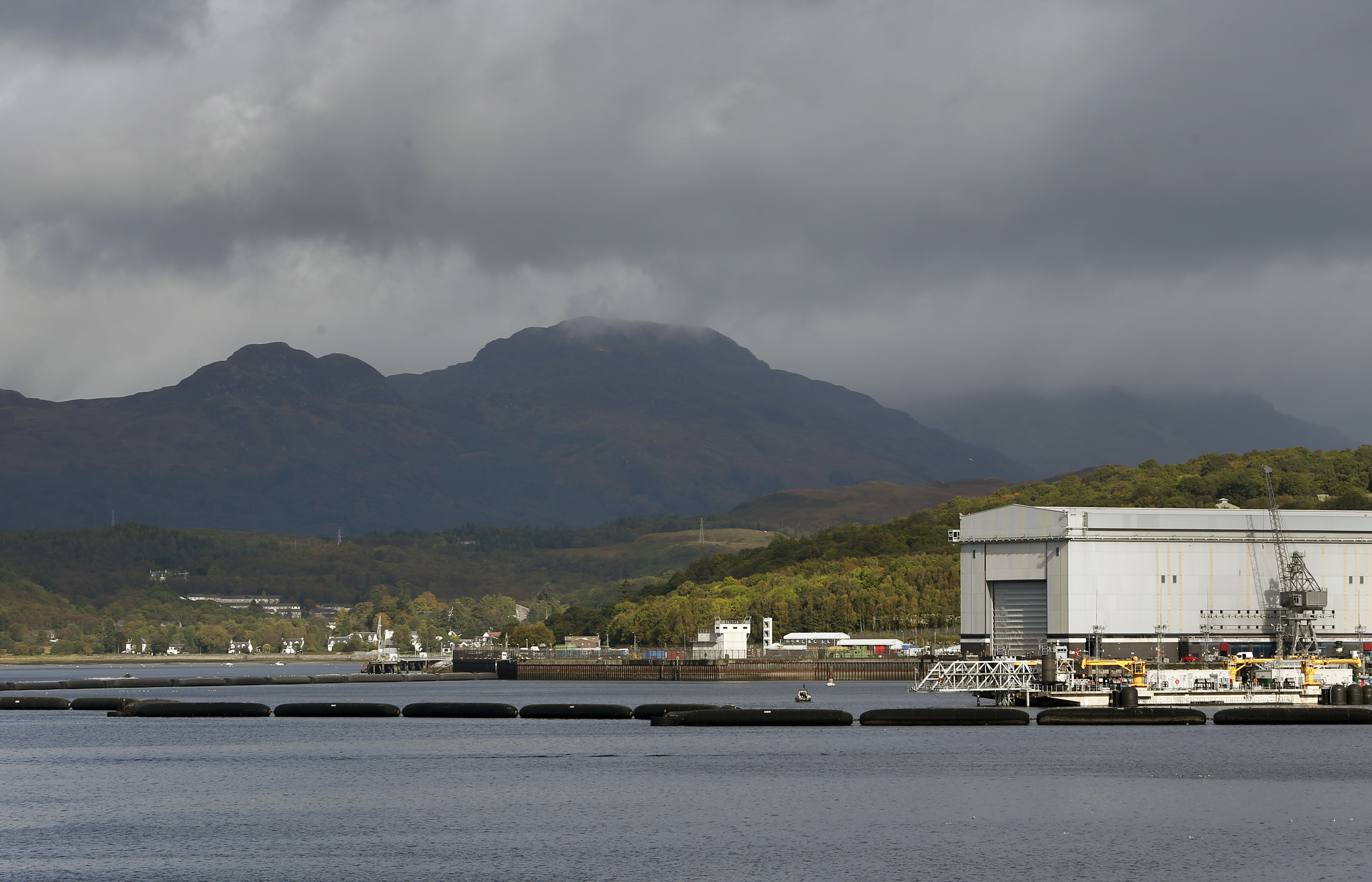
"But also the wraparound infrastructure at Faslane, so it might involve possibly dredging or blasting to make it deep enough for these things to submerge.
"Then you've got all the linkages to the shore side support, the power, the water, the comms, the access, the security, all the other things you need to wrap around, so that all adds to the cost over and above.
"This is a crisis that is three decades in the making. It stretches back since the end of the Cold War when we just gradually let things go and now that bill has come to do, and a large chunk of the money allocated in the Defence Investment Plan is being sunk into the ground, literally into expensive facilities in the ground, whether that's naval, same for the Army and the RAF."
He added: "It's all quite dull – it's not as sexy as frontline kit, but you have to do this stuff so that's what we're doing now is finally addressing this infrastructure issue that's at the root of many of the problems that we have in UK defence."
Join Our Newsletter