Middle East: The UK Armed Forces personnel, bases and operations explained
It's one of the most dangerous times in a decade in the Middle East, so what role are UK forces still playing in the region?
British troops on Op Shader have left Iraq, but they're still in a lot of other places, many of which were targeted by Iran earlier this year.
The Middle East is still an important place where the UK is working with its allies across the unstable region, and here are the main operations and countries where the UK has military a presence.
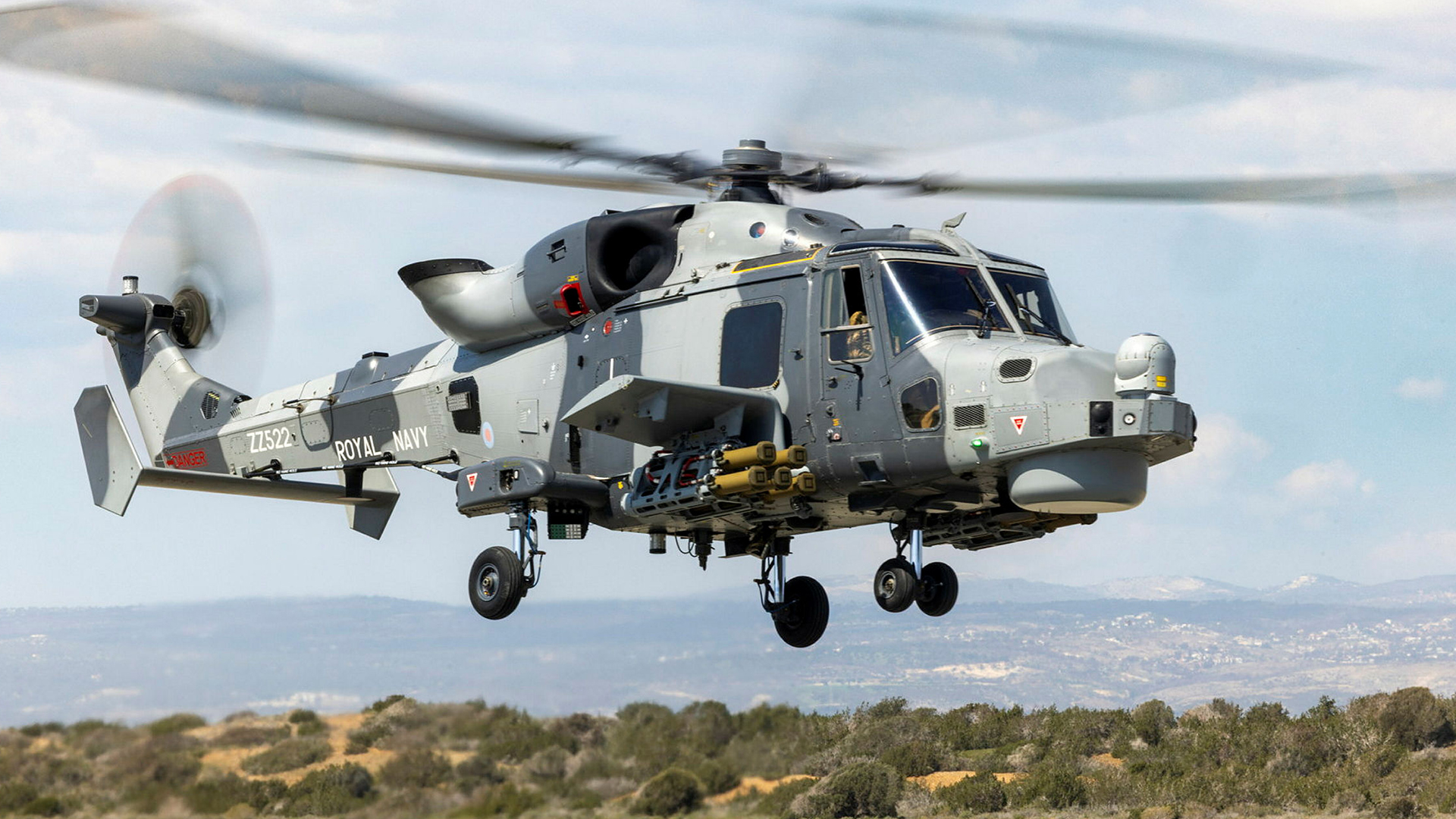
Sovereign Base Areas in Cyprus
The Sovereign Base Areas are how the UK projects power in the wider Middle East.
Around 8,000 personnel and their families are posted or deployed to bases on Cyprus.
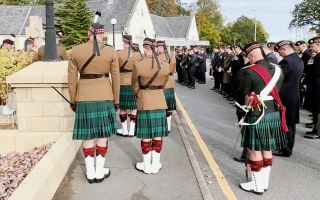
There are two permanent, but rotating, Resident Infantry Battalions, 4 Scots in Dhekelia and 1 Welsh Guards in Episkopi.
One company is always ready to deploy across the Middle East as the Regional Operations Battalion.
More than 200 British peacekeepers are stationed in Nicosia as part of the United Nations mission, Op Tosca.
RAF Akrotiri is the main operating base for all aircraft and was essential for defending regional allies during the US-Iran war.
Since 2014 the UK's been fighting as part of the Global Coalition against the so-called Islamic State with Op Shader.
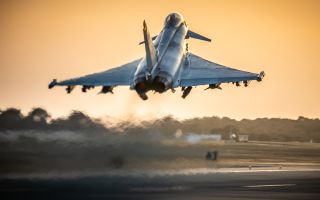
Over the past 12 years, Tornado, Typhoon and F-35B squadrons have conducted thousands of airstrikes on the group in Iraq and Syria from RAF Akrotiri, supported by Voyager air-to-air tankers.
Iraq
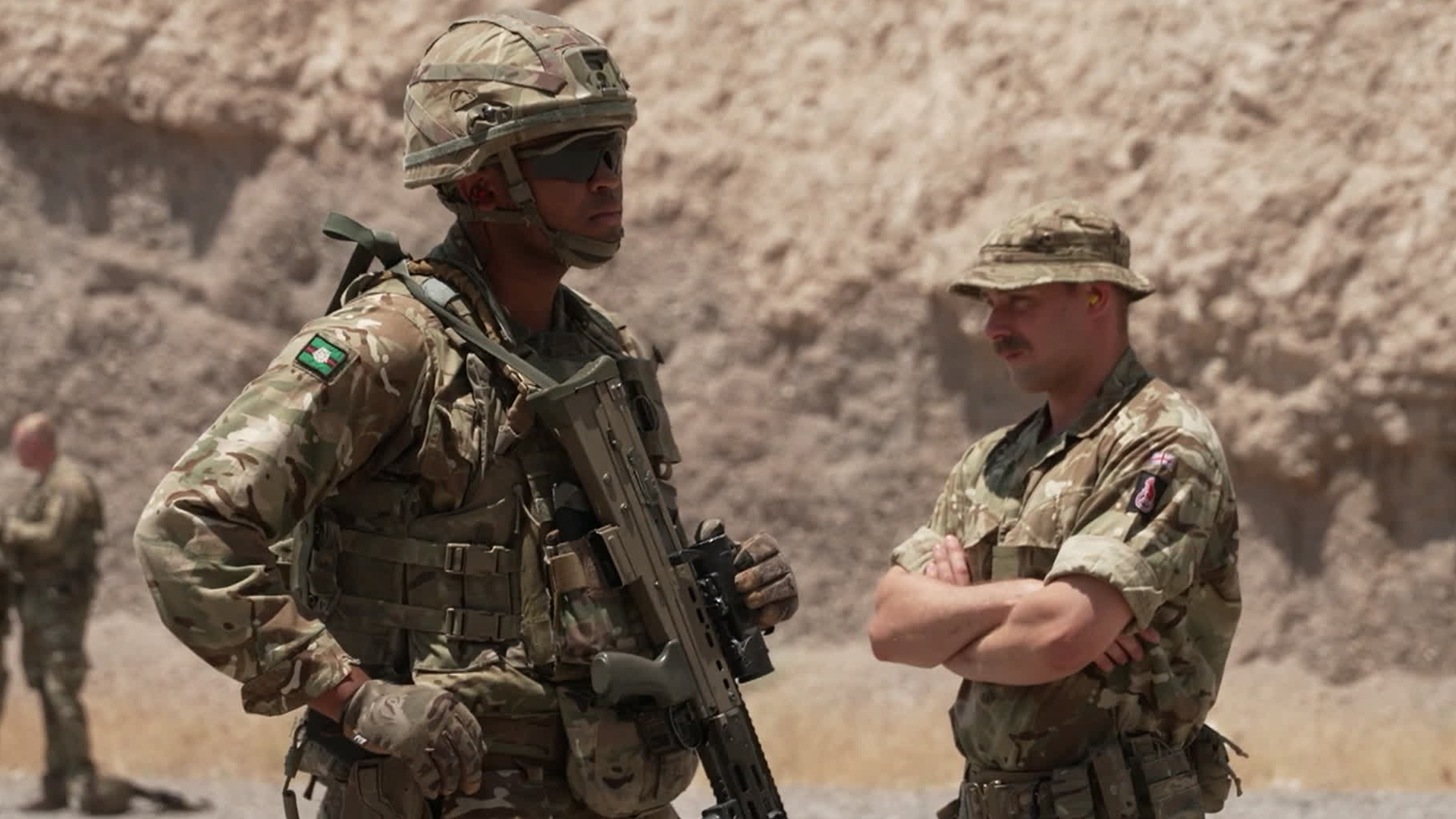
Op Shader also saw British soldiers on the ground training the Iraqi security forces and Kurdish Peshmerga at bases like Erbil and Al-Assad Air Base.
But most personnel have now left along with the US-led coalition, and the UK has moved to a bilateral defence partnership with the Iraqi government.
The UK went to war in Iraq in 1991 and 2003, supporting the United States.
Bahrain
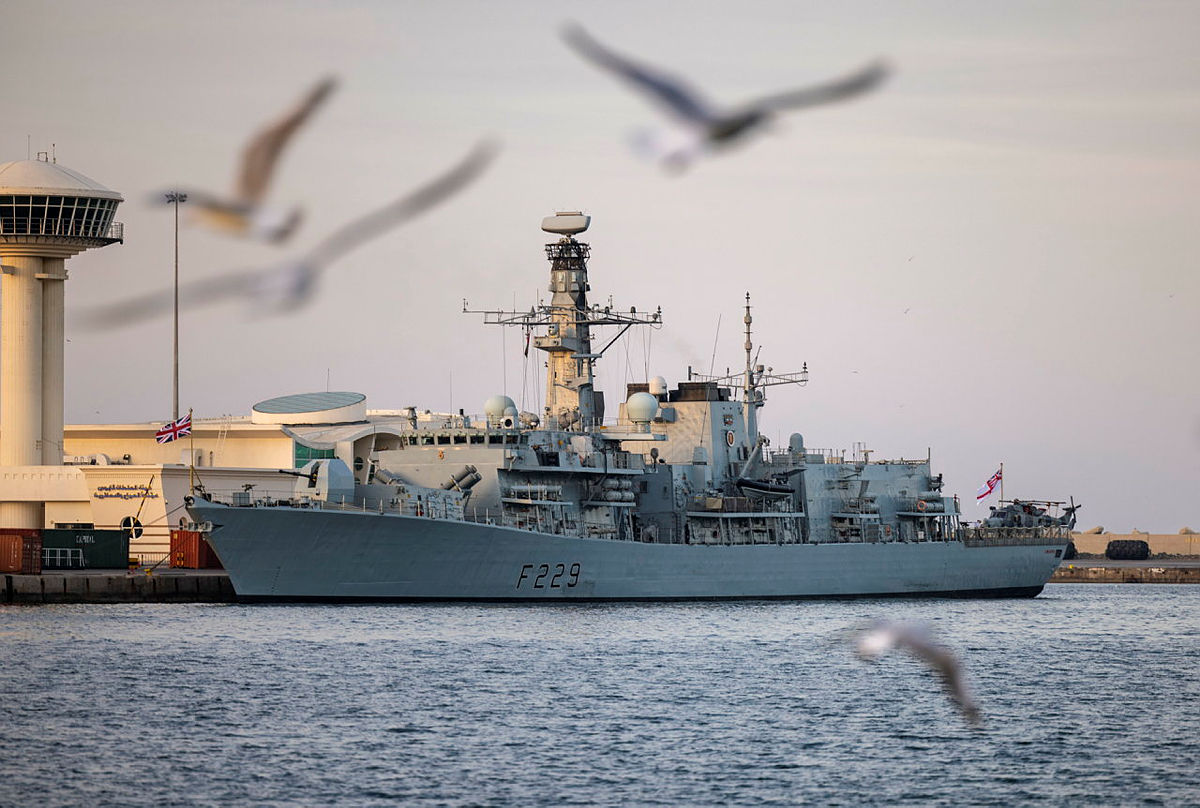
Bahrain is the Royal Navy's regional home, with UK Maritime Component Command controlling ships around the Middle East.
The UK Naval Support Facility can support a Type 23 frigate, although there hasn't been one there since HMS Lancaster was decommissioned in December 2025.
Bahrain mainly supports the UK's long-running mission in the Persian Gulf and Indian Ocean, Op Kipion, focusing on protecting commercial shipping lanes through minehunting, counterterrorism, anti-smuggling and anti-piracy operations.
The UK also contributes to the US-led mission Prosperity Guardian to allow freedom of navigation around the Red Sea which has been targeted by the Houthis since 2023.
Bahrain has largely been cut off since Iran closed the Strait of Hormuz, but the minehunter RFA Lyme Bay is operating in and around the region and is ready to help clear the strait in peacetime.
Qatar
Qatar is the regional headquarters for 83 Expeditionary Air Group operating out of Al Udeid Air Base.
From here, 83 EAG leads deployed units in Cyprus, the UAE and Oman supporting Op Shader and Op Kipion.
The UK jointly operates 12 Squadron with Qatar, and deployed Typhoons early in the US-Iran War.
United Arab Emirates
The RAF keeps a permanent support facility at Al Minhad Air Base in the United Arab Emirates.
The Princess Royal opened Donnelly Lines in 2024.
Al Minhad is mainly used for big aircraft like the Voyager and C-17 Globemaster and was key during Op Pitting, the evacuation of Kabul.
Oman
Oman is the last stop in the region before the open ocean.
The Global Hub supports the logistics for land, sea and air capabilities, including British Army and RAF training, plus the testing of uncrewed systems.
Royal Navy carrier HMS Queen Elizabeth and HMS Prince of Wales both docked in the UK Naval Facility at Duqm port while leading the Carrier Strike Group into the Indian
Ocean.
The GHO is an essential UK asset for maintenance and repairs of Royal Navy ships.
Saudi Arabia
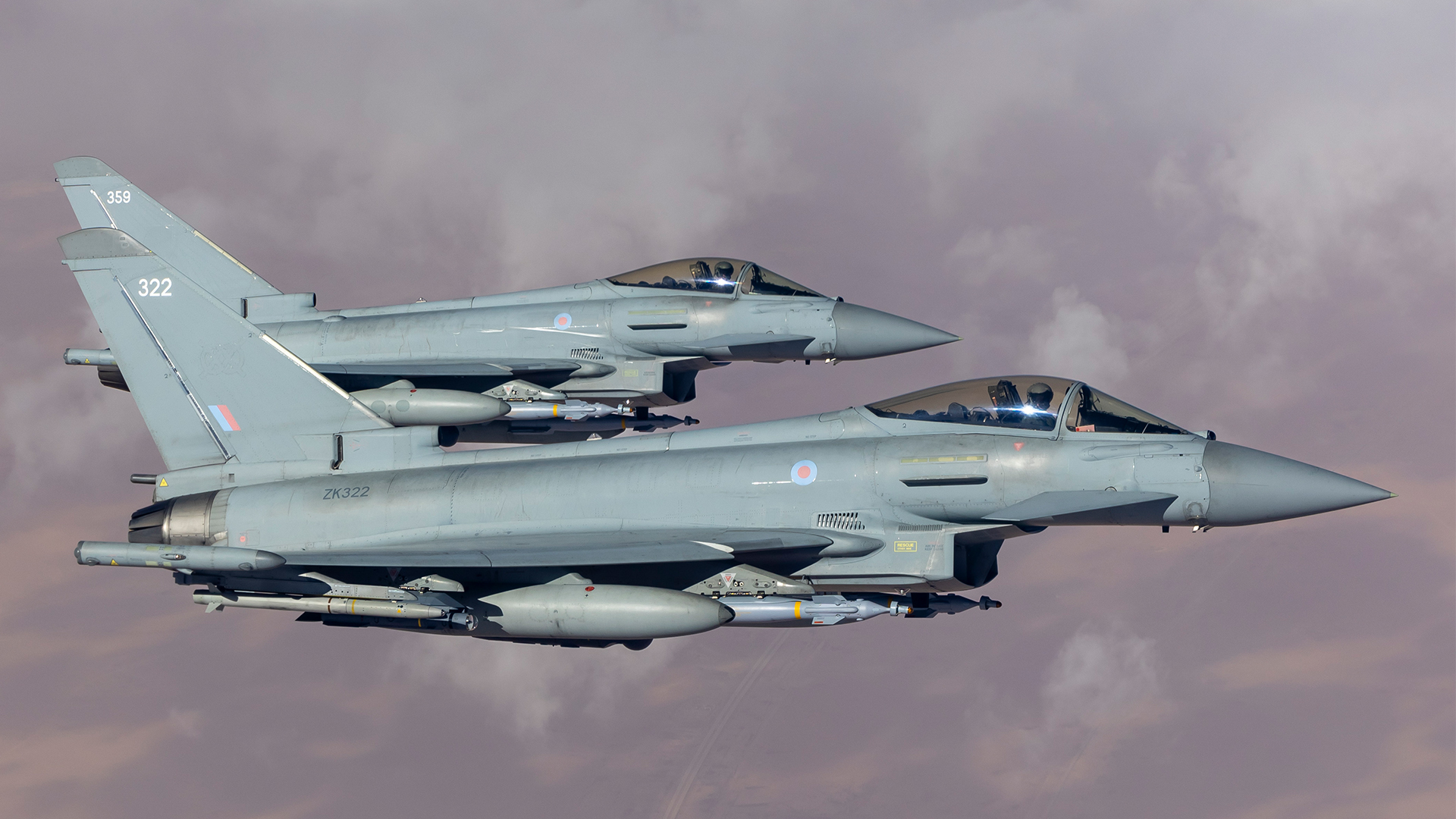
RAF personnel work within Saudi Arabia's defence ministry in Riyadh, their role includes the training of Royal Saudi Air Force pilots on the Typhoon.
A single Voyager refuelling tanker from RAF Akrotiri is supporting the Saudis for defensive operations against the Houthis in Yemen.
The UK also deployed the Sky Sabre missile defence system during the Iran war.
Kuwait and Jordan
Jordan and Kuwait are close allies to the United Kingdom and regularly train with the Armed Forces.
While not maintaining large facilities, both countries have been essential for previous operations in Iraq, plus evacuations and humanitarian missions across the region.
Related topics
Join Our Newsletter