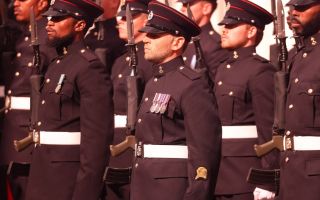
It's words, not weapons for Coldstream Guards keeping the peace in Cyprus
The Coldstream Guards have fought in centuries of conflict, all the way back to the English Civil War.
Their iconic uniform and ceremonial role at state functions make the regiment stand out on the international stage, but it is second to their job as a warfighting infantry unit.
So why would they deploy on an operation and vulnerably patrol without their rifles?
BFBS Forces News spent six months following young Guardsmen on a tour of Cyprus to understand how members of the British Army adapt to becoming United Nations peacekeepers.
From Windsor Barracks to the Green Line buffer zone
1st Battalion Coldstream Guards deployed between September 2025 and March 2026 for Op Tosca 43, Britain's permanent contribution to peace in Cyprus.
The United Nations Peacekeeping Mission in Cyprus (UNFICYP) dates back to 1964 and was extended 10 years later after a Greek-backed coup and Turkish invasion.
After months of training in the UK and on exercise, more than 200 Coldstream Guards were ready to start their new role as UN peacekeepers.
"This is completely different to what I'd be doing at Windsor Barracks," Lance Corporal Markus Leitner told BFBS Forces News.
Working with Guardsman Alfie Littlefair, the pair from No. 2 Company patrol the neutral Green Line buffer zone that separates 60,000 armed opposing forces.
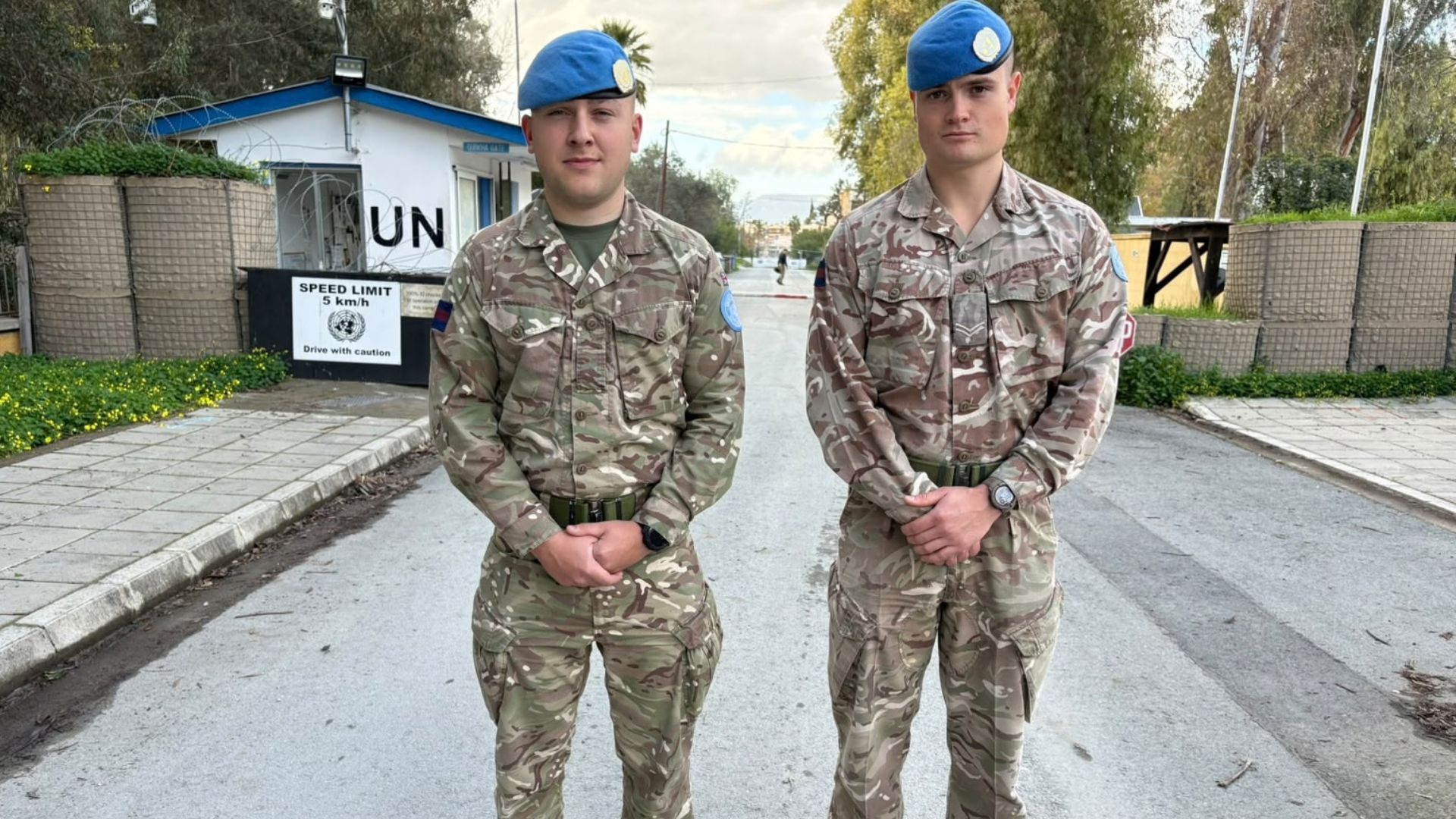
On the south side is the Cypriot National Guard and to the north, Turkish forces.
While wearing the UN's blue beret, the soldiers patrol unarmed, monitoring the armies' positions and logging violations, like over-manning or changes to defences.
"This is quite a thin part of the buffer zone," said Gdsm Littlefair. "The Op Fors are only a matter of a few hundred metres between the positions, so it can be quite contentious."
A ceasefire was agreed in 1974, but the long-running 'Cyprus problem' leaves the Mediterranean island split and the conflict unresolved.
UN peacekeepers reduce the likelihood of a misunderstanding or full-blown violence by not carrying weapons.
Same regiment, different skills
Britain's permanent peacekeepers are stationed in the busiest stretch of the ceasefire line in the divided capital city, Nicosia.
From Wolseley Barracks at the abandoned Ledra Palace Hotel, the Guardsmen manage their 30km section of the 180km buffer zone, Sector 2.
"Buckingham Palace is more of showing a presence, more intimidation, to deter people wanting to cause issues," said Gdsm Caius Holmes while guarding Gurkha Gate.
"We're not really allowed to speak when we're on ceremonial duty.
"Here, I think it's better if you speak to locals as more of a peacekeeping, community-interaction role," he added.
The Guardsmen and attached units did specific public order training to prepare for Op Tosca, including developing people skills to resolve disputes.
"The main difference here is that we need to use some of the softer skills in terms of liaison," said Major Eddie Pickersgill, Deputy Commander Sector 2.
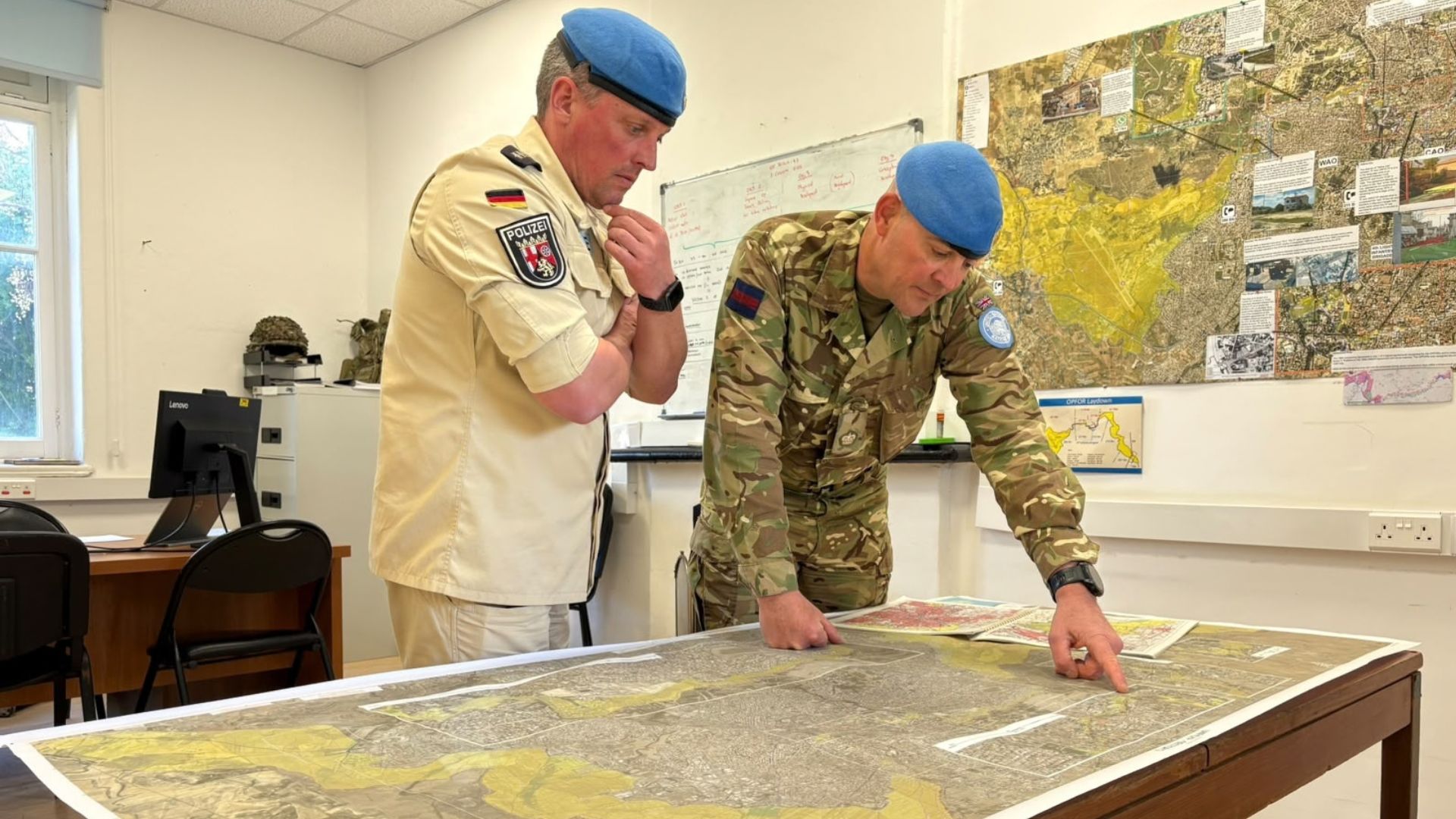
"That's where you have to use your mind over matter, especially for our younger soldiers who are out on the ground patrolling unarmed.
"They have to be conscious of what's around them but also be able to intervene in a situation and tackle it through words as opposed to actions," he said.
British units work closely with other nationalities, including Russians, Chinese, Argentinians, and Slovakians.
"We've found here that we're in a multi-national, multi-agency environment which is quite different to our normal circumstances back in the United Kingdom," added Maj Pickersgill.
The Coldstream Guards finished Op Tosca earlier this year, passing forward the decades-old commitment by Britain to preserve peace in Cyprus.
Join Our Newsletter