Bunkers for Britain: Should the UK build bomb shelters to protect the population?
There has been recent talk of an Iron Dome-type shield to protect Britain's skies - but should we also be looking at physical shelter from missiles and bombs?
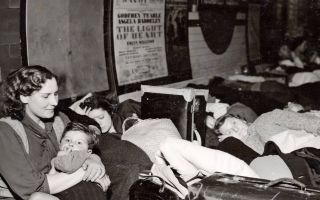
BFBS Forces News cameras have seen inside many World War Two and Cold War-era bunkers, but these are either broken down and leaky, preserved as museums or not fit or available to shelter today's population from bomb threats.
I've been investigating who is responsible for defending the UK against this threat, and I was pointed towards local resilience forums (LRFs)
Local resilience forums
If you have not heard of these, there are 43 local resilience forums across England and Wales alone. They're made up of people drawn from several agencies, including the emergency services, local councils and the NHS, and they also work with military partners.
BFBS Forces News understands that it is the LRFs who have plans in place to provide general emergency evacuations and shelter if the need arises.
But the detail of these plans is not widely known or widely available.
In an interview with The Telegraph last summer, the former Chief of the General Staff, General Sir Patrick Sanders, urged the Government to build new bomb shelters, saying the UK previously rejected this idea on cost grounds and because they didn't think the threat was severe enough.
Be more like Finland
Gen Sir Patrick and many others believe we should be more like the Finns.
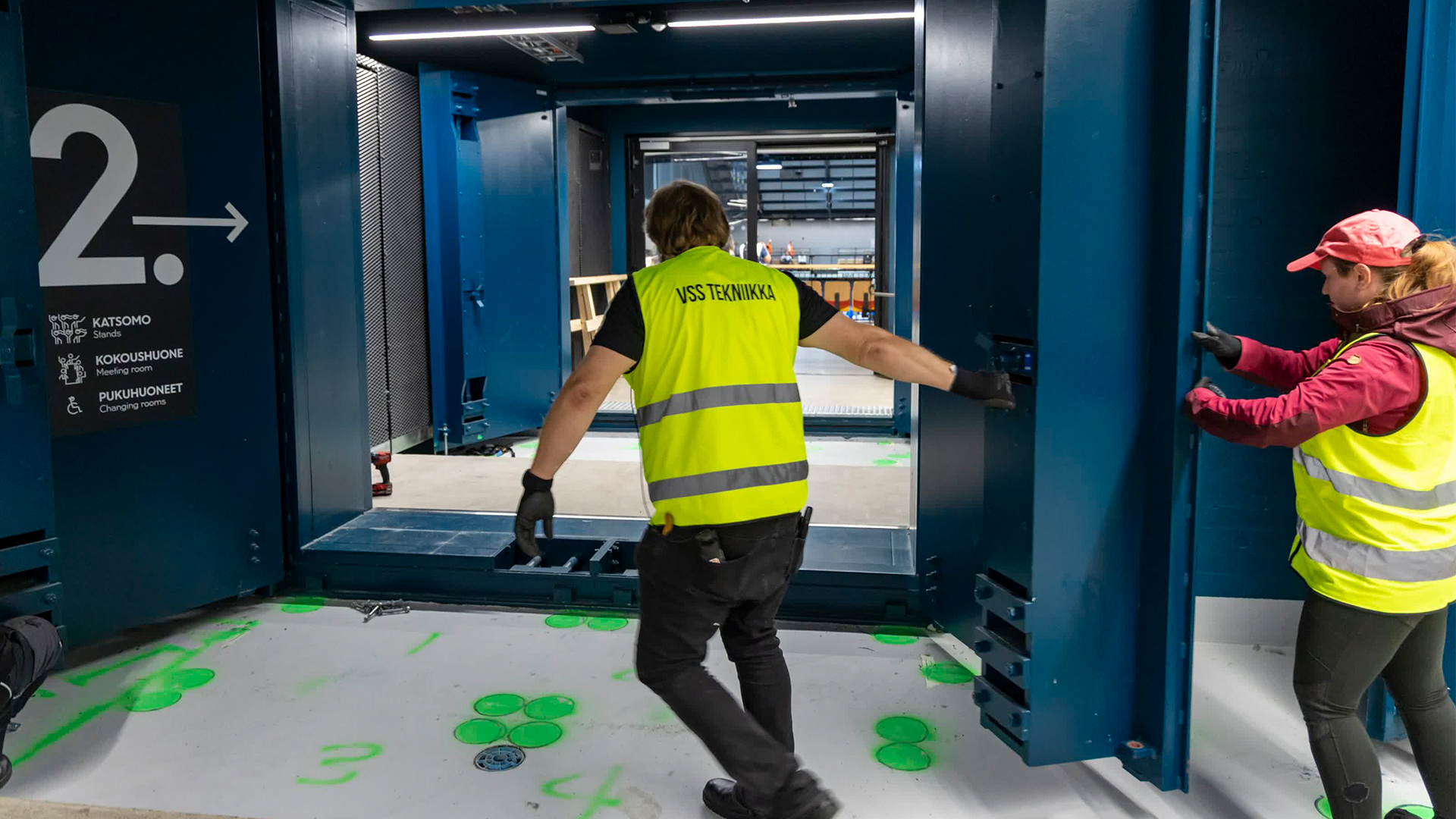
Finland has a population of 5.6 million people, with room for 85% of them inside the nation's formidable network of bunkers.
BFBS Forces News spoke to a Finnish official, who was surprised to hear that the UK does not have similar facilities.
"Do you have some kind of rescue law in your country? In Finland, we know very well when to build rescue shelters, and we have a lot of shelters, it comes from the law," said Antti Haataja, a Finnish regional emergency preparedness manager.
Other options beyond bomb shelters
Dedicated shelters are not the only option. In Ukraine, where Russian missiles, glide bombs and drone attacks assault citizens daily, sometimes the quickest and safest option is for people to get into their basements or head to the underground, or even just take cover in the bathroom or the centre of the house, away from windows and doors.
Former soldier Ed Arnold thinks this model is more effective for the UK.
"If you have stockpiles of food, batteries, etc., at home, you don’t need to leave your home. You're actually probably safest there," said Mr Arnold, a senior associate fellow at the Royal United Services Insitute (Rusi).
"If you mass, that causes a problem for the emergency services, also a potential target as well. I mean, it's very difficult to do it at that level. I don't necessarily think that's fully on the government to do."
Most missile attacks coming from Russia would have to travel first over other nations, and our Nato allies would hopefully take them down before they reach the UK.
But is it wise to rely on this entirely, or is there more Britain could do to defend itself from this threat?
Join Our Newsletter