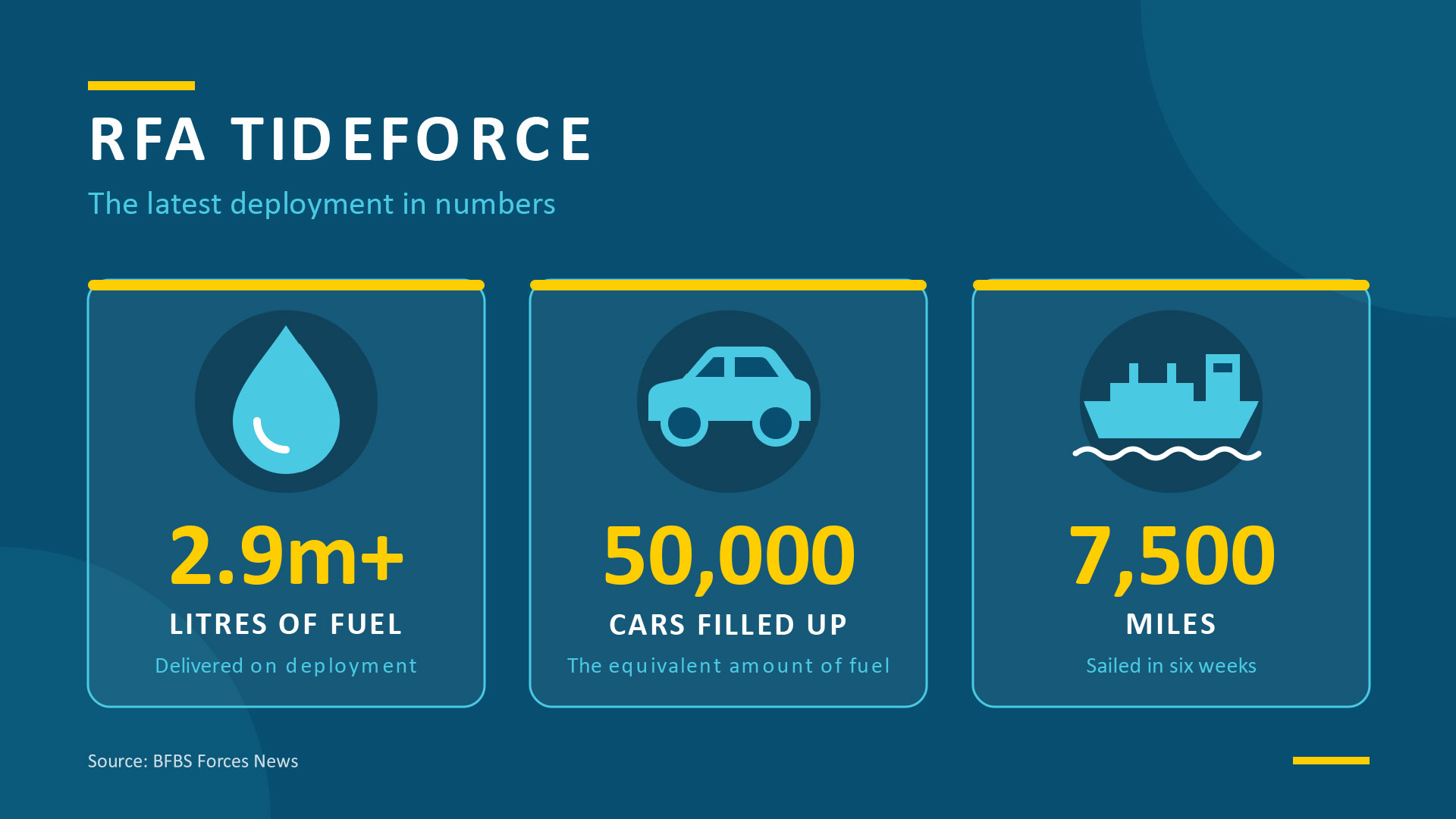
Filling up the equivalent of 50,000 cars: RFA Tideforce's latest deployment in numbers
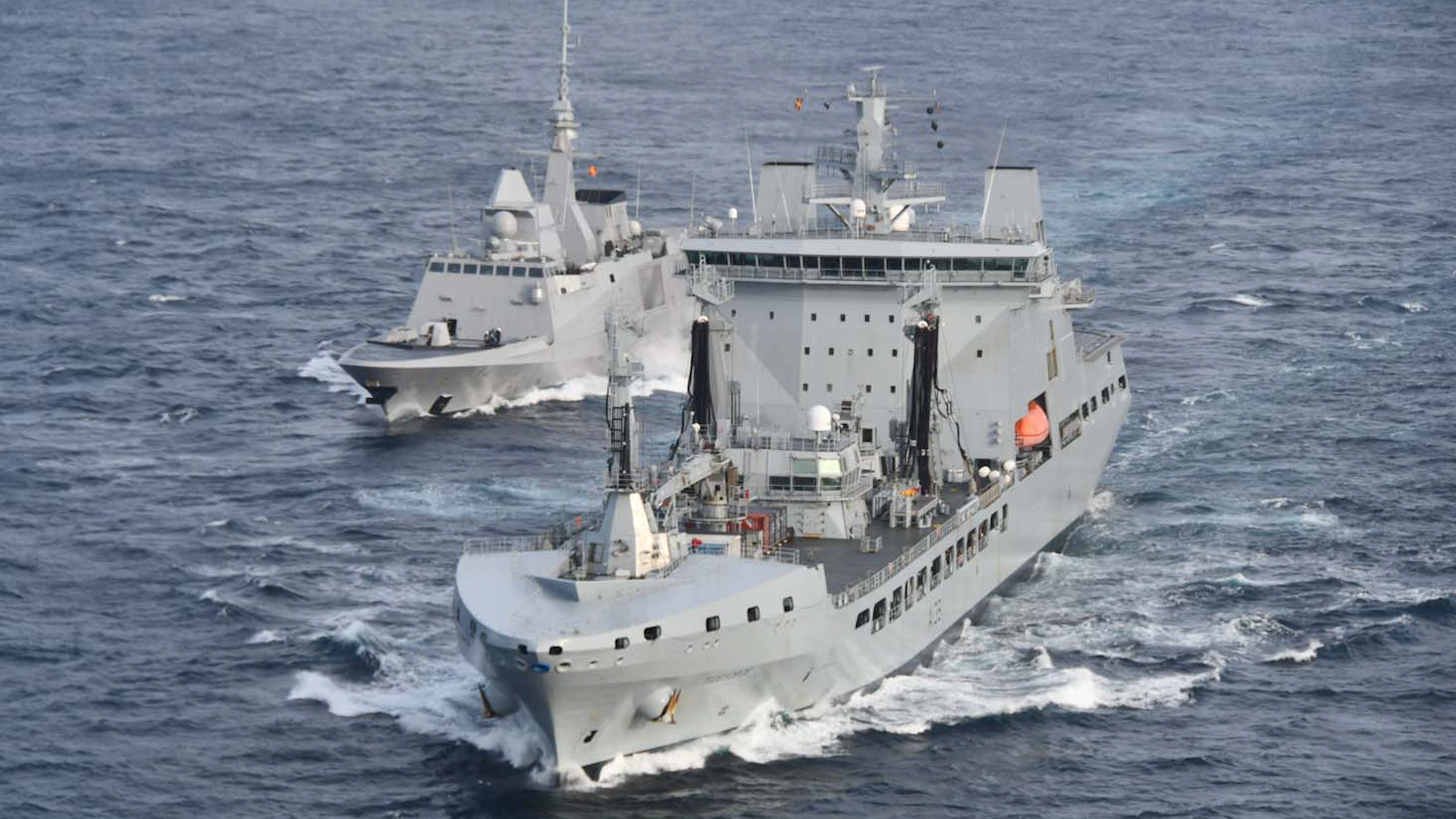
For six weeks, RFA Tideforce has been at the heart of allied security operations across the North Atlantic and Arctic.
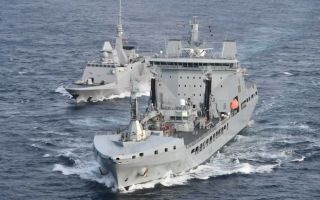
During the busy deployment, the Royal Fleet Auxiliary tanker shadowed Russian vessels and supplied both HMS Queen Elizabeth and HMS Prince of Wales during carrier operations.
Tideforce also supplied French and Dutch warships and carried a Merlin submarine-hunting helicopter for intelligence sorties and missions reporting on Russian activity.
The high-tempo deployment clocked up some impressive stats.
Tideforce delivered more than 2.9 million litres of fuel, filled up the equivalent of 50,000 cars and sailed 7,500 miles.
The tanker operated under the Combined Task Force 320, which delivers maritime security operations, anti-submarine warfare and day-to-day oversight within UK waters.
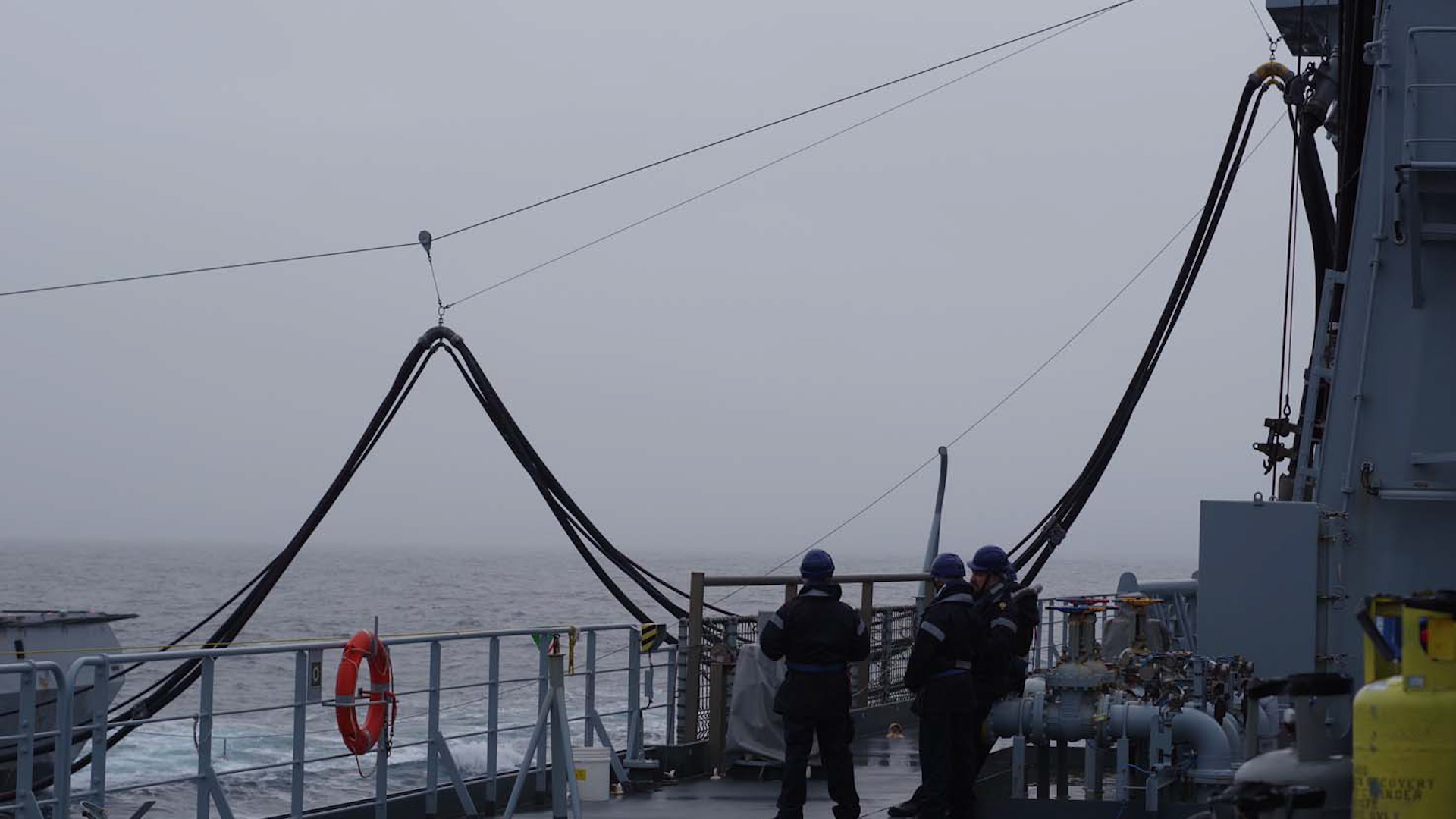
Captain Chris Clarke, Commanding Officer of RFA Tideforce, said: "The unpredictability of 320 operations is still as rewarding as it ever was – whether that be in understanding the intelligence picture, delivering operational output, enjoying the variation in tasking, the violent weather challenges or conducting complex repairs at sea to keep the ship on task.
"It all plays out in the hands of the RFA seafarer – especially when the 'force' is with you.
"It's what we do; it's what we've always done and it's what we will do for many more years to come."
Battling the elements
A Merlin helicopter from 814 Naval Air Squadron, based at Royal Naval Air Station Culdrose in Cornwall, was embarked throughout the mission.
It used RFA Tideforce as a launchpad for intelligence-gathering operations involving Russian units in both the English Channel and North Atlantic.
Operating in the High North presented its own challenges, with severe weather forcing the ship to seek shelter off Iceland's northern coast.
The crew later faced another test when Storm Boelo swept through, forcing them to wait out the conditions off the coast of Ireland.
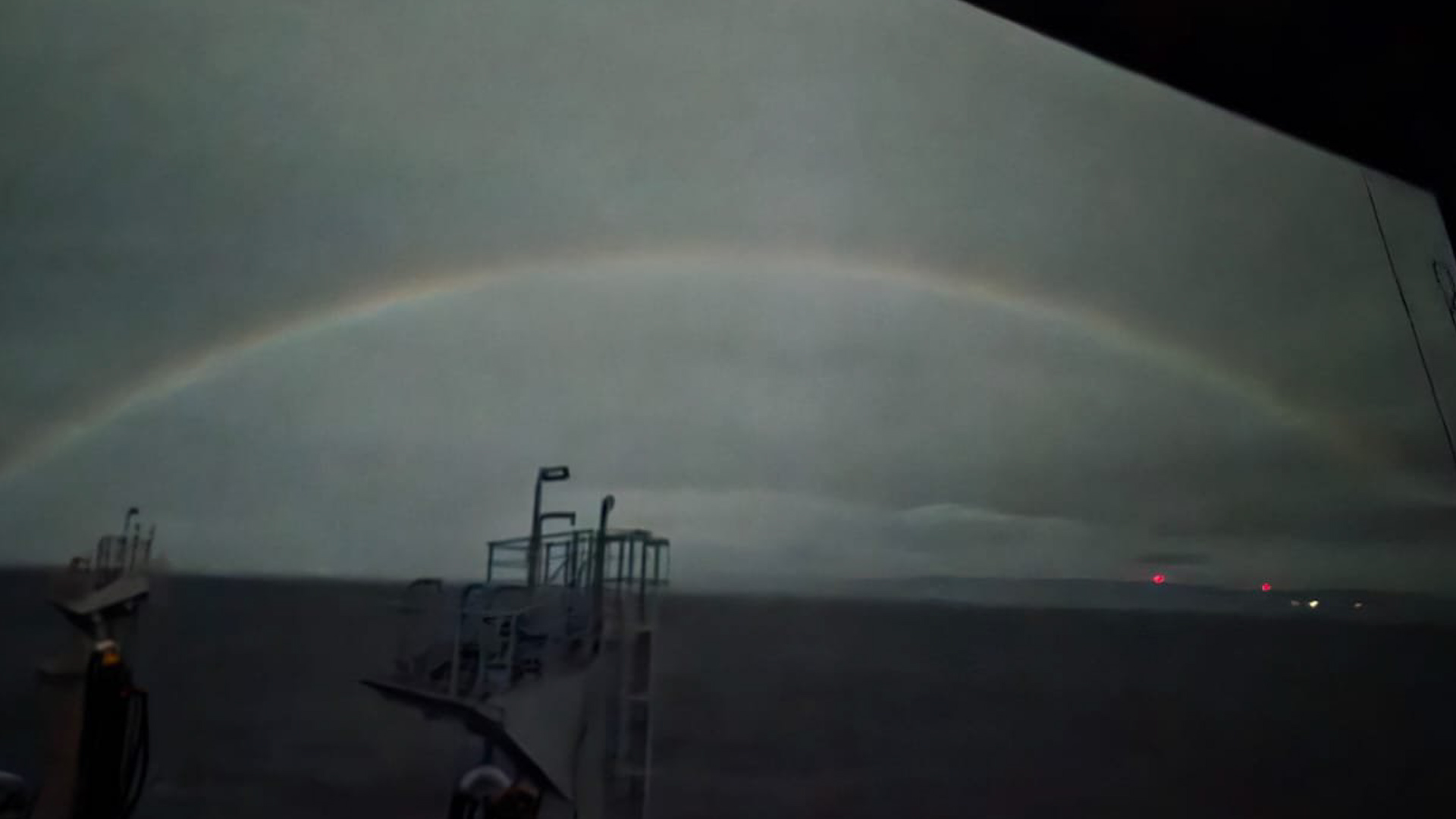
Lunar rainbows
Despite the challenging conditions, the deployment also provided some spectacular sights.
During a midnight-to-0400 watch, under a low full moon, members of the watchkeeping team were fortunate enough to witness a rare natural phenomenon known as a 'moonbow' – a lunar rainbow created when moonlight refracts through water droplets.
The Northern Lights also became a regular highlight for those on night watch.
As Tideforce crossed the Arctic Circle, 35 members of the ship's company were initiated into the Realm of the Blue Nose.
The traditional naval ceremony saw the sailors receive a suitably frosty welcome from King Neptune before being rewarded with hot chocolate and cookies to warm them up.
Join Our Newsletter