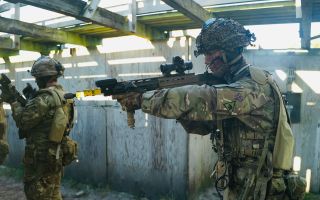
More drones, more pressure: Ukrainian soldier urges tougher training for Sandhurst cadets
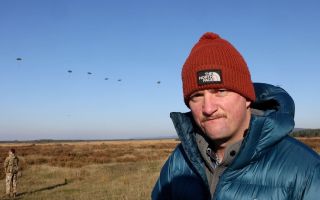
Fresh from two years on the frontline, a Ukrainian platoon commander has been observing an exercise run by Royal Military Academy Sandhurst to see how the Army is learning from the conflict and what more can be done.
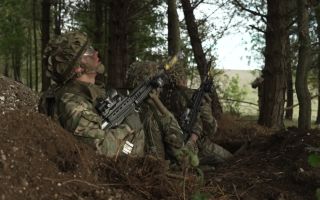
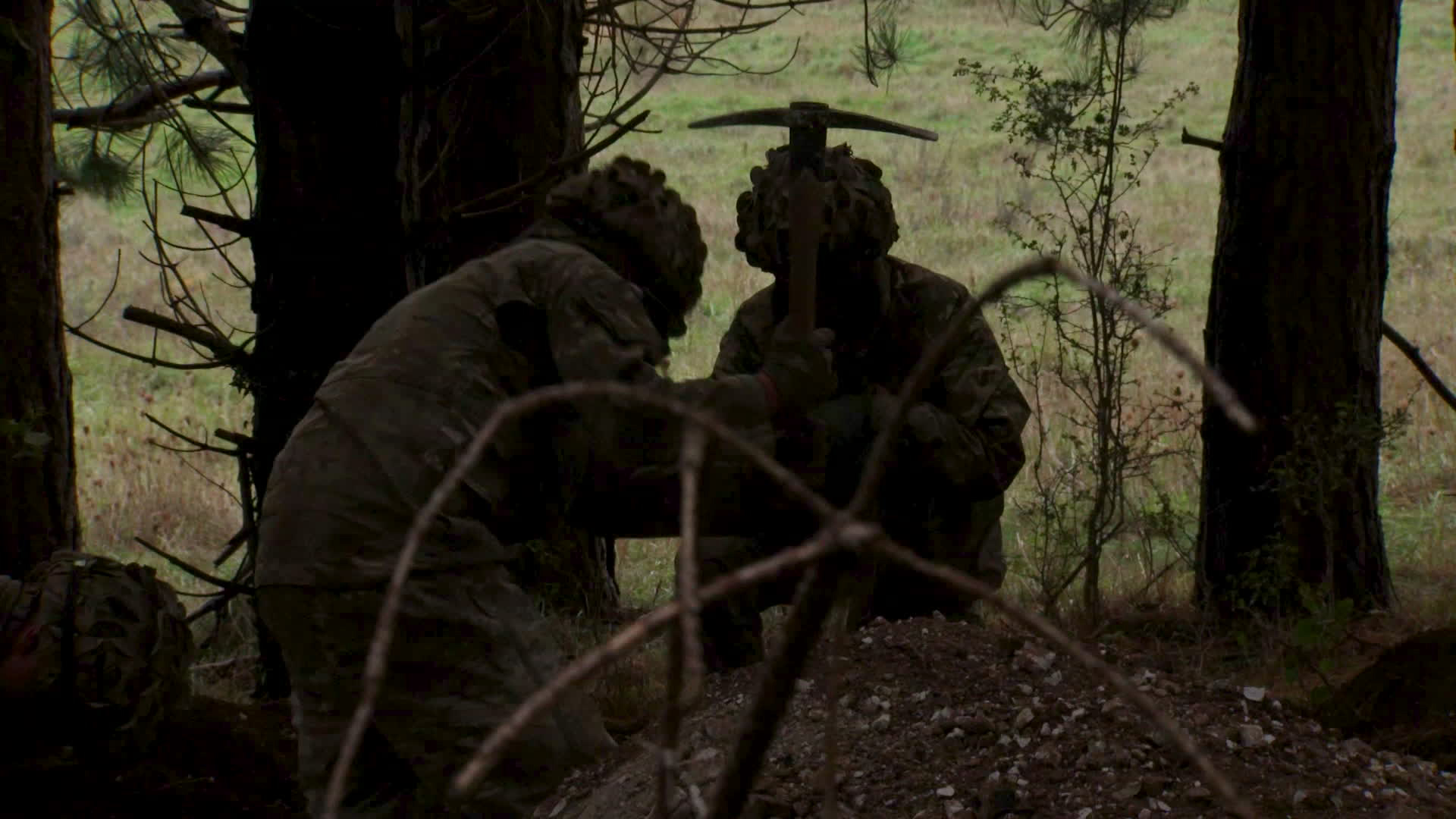
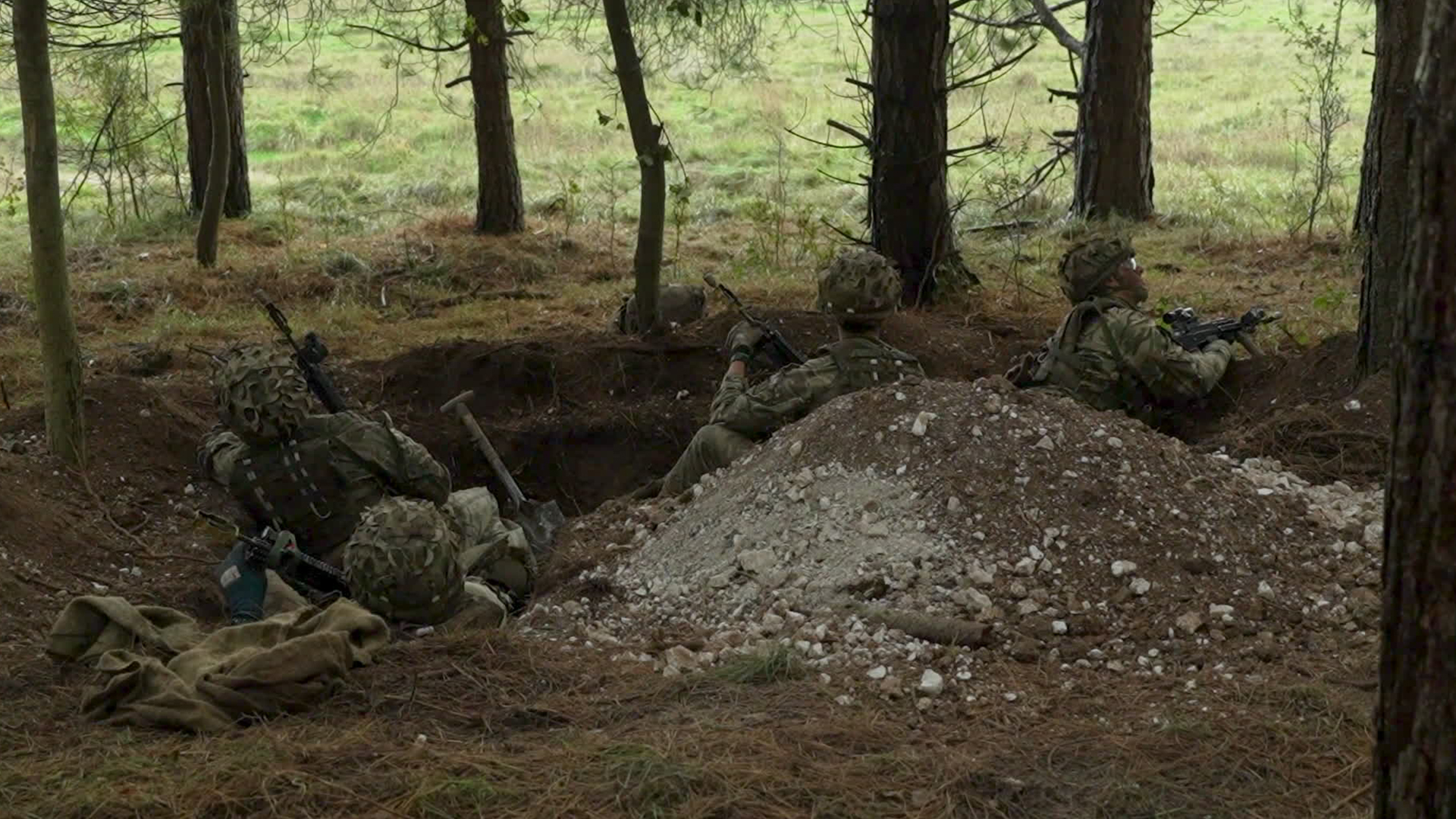
The exercise held on Salisbury Plain in Wiltshire has been tweaked to incorporate lessons from the war in Ukraine, with the officer cadets now focused on digging L-shaped trenches, concealment and drone warfare.
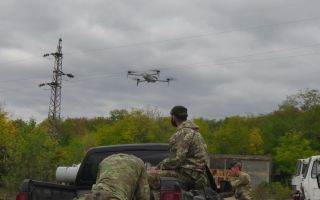
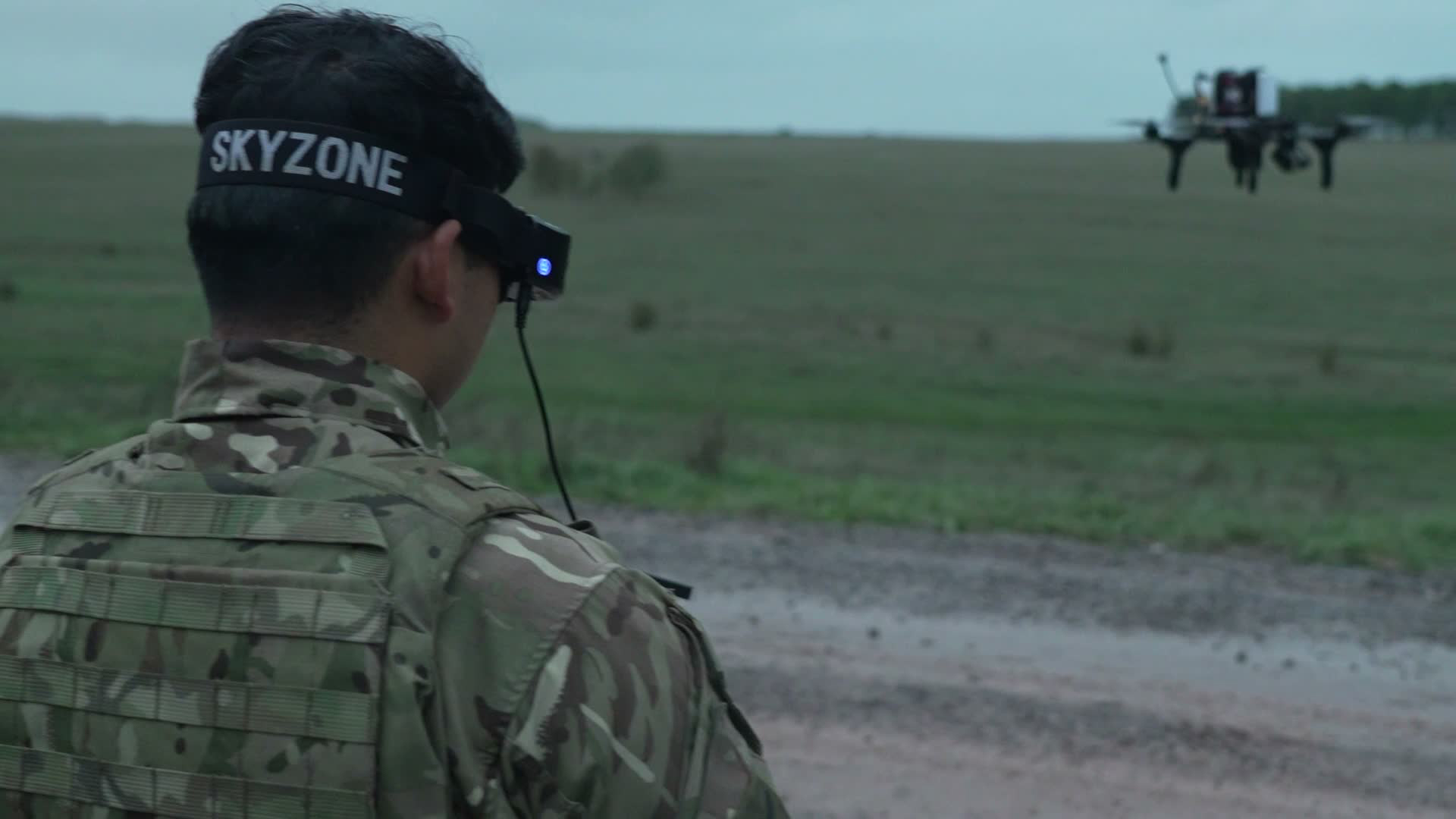
With little sleep, the British Army's future battlefield leaders must dig in for their own safety, while being constantly watched and attacked by Gurkhas armed with FPV drones.
Clarity versus fatigue
The officer cadets only stop to fight back or hide, so decision-making requires clarity under extreme fatigue.
It's the first time the drills have changed in decades, previous editions featuring more exposed trenches in fields, not woodblocks.
But the Ukrainian observer, referred to here as Zero, believes the pressure can be increased further still.
Pressure from above
"I would say definitely they have to feel more pressure – more mental pressure," he told me.
"It's good that Sandhurst started training cadets by using drones on their exercises. [But] from my point of view it's not enough. It must be increased many times. They must feel the pressure from above.
"All the time throughout the training, even now, they are digging and they don't even think about the threat from above. I think it's the first thing that must be added."
Zero went through RMAS in 2022 and noticed the alterations that had been made in light of a war he then returned home to fight in.
He acknowledged the progress made in officer cadet training, and said the trainees were motivated enough to fight at short notice if an enemy were to attack the UK without warning – as Russia did to his country.
More relevant and rewarding
Nearly 400 officer cadets, including 23 international cadets, are involved in the exercise.
Despite there being some room for improvement, Officer Cadet Harry praised the way it was being run.
"It's really refreshing that the exercise is so modern and so relevant – and to have that presence of a subject matter expert on it makes it even more rewarding," he said.
The human aspects of conflict and the most current techniques are being taken on board as much as possible, Harry explained.
These were "not necessarily that which we'd typically understand from doctrine or a field manual as one might have expected from the past", he added.
Join Our Newsletter