More bang for the buck: How the Army's upskilling reservists – with less money
As countries across Europe re-introduce and lengthen conscription programmes to bolster their reserves, in the UK last month, reserve commanding officers were told to make savings.
Reservists are now to serve four to six fewer days on average by the end of the year as part of wider budget cuts across the UK military.
But as Ukraine and Russia fight on and the threat of hybrid warfare in other countries increases, the chance of the UK needing some of its 30,000 or so reserve soldiers feels closer than ever.
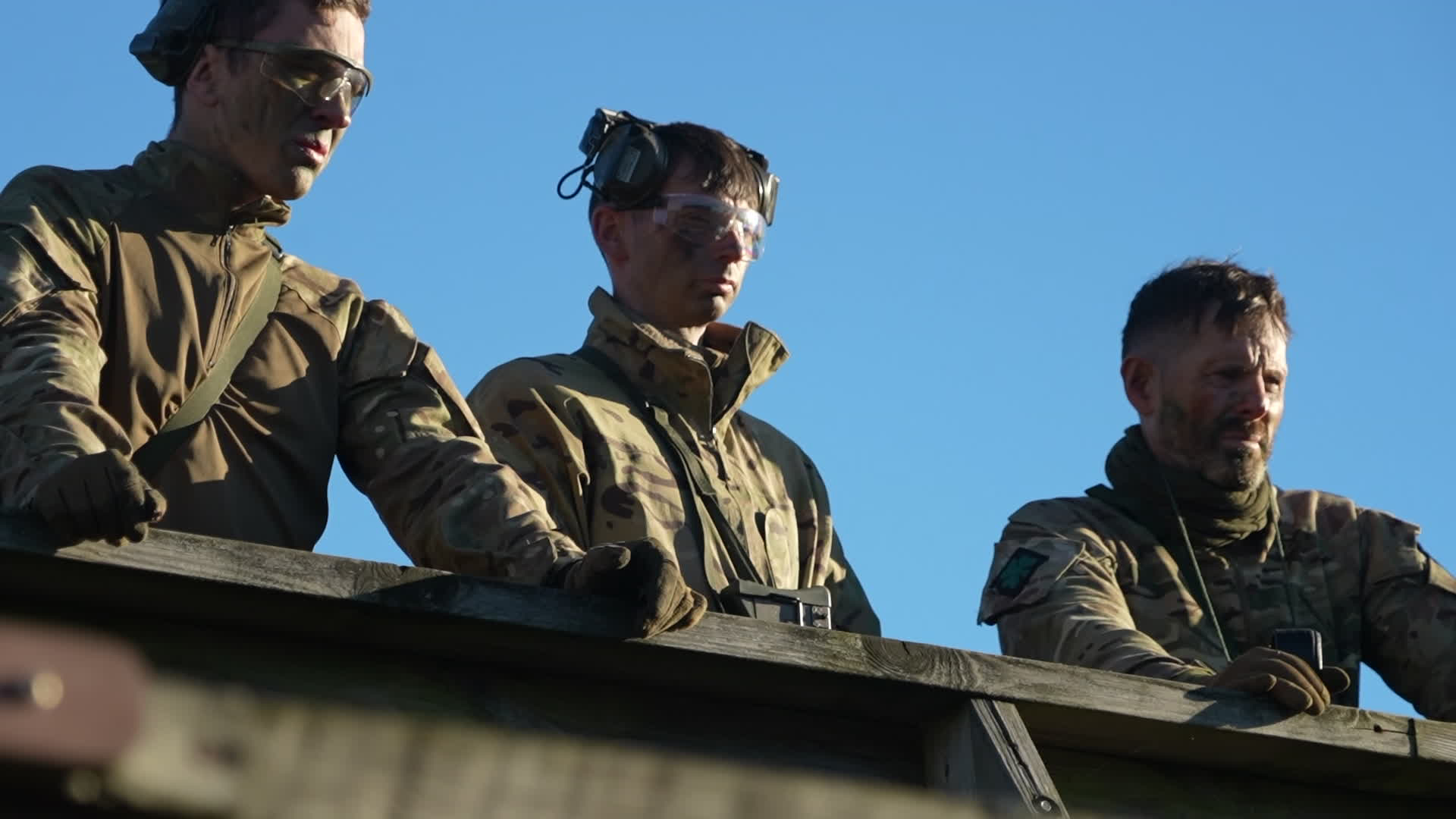
From CQB to riot control
Such modern threats need specialists – skills that many reservists have from their day jobs – and reservists are cheaper than regular Armed Forces personnel and potentially better for greyzone warfare.
So how do you train them in basic soldiering quickly, economically and efficiently – and ensure they stay in?
A recent exercise – which was the largest deployment of reserve soldiers for decades, attempted to do just that.
Around 1,000 descended on Denmark to embark on what effectively was soldier cram school.
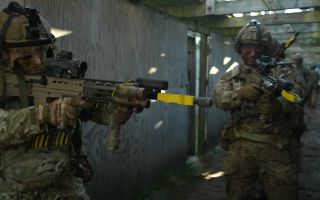
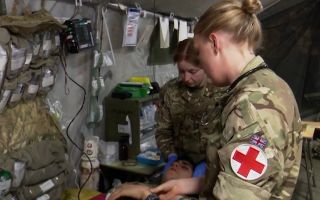
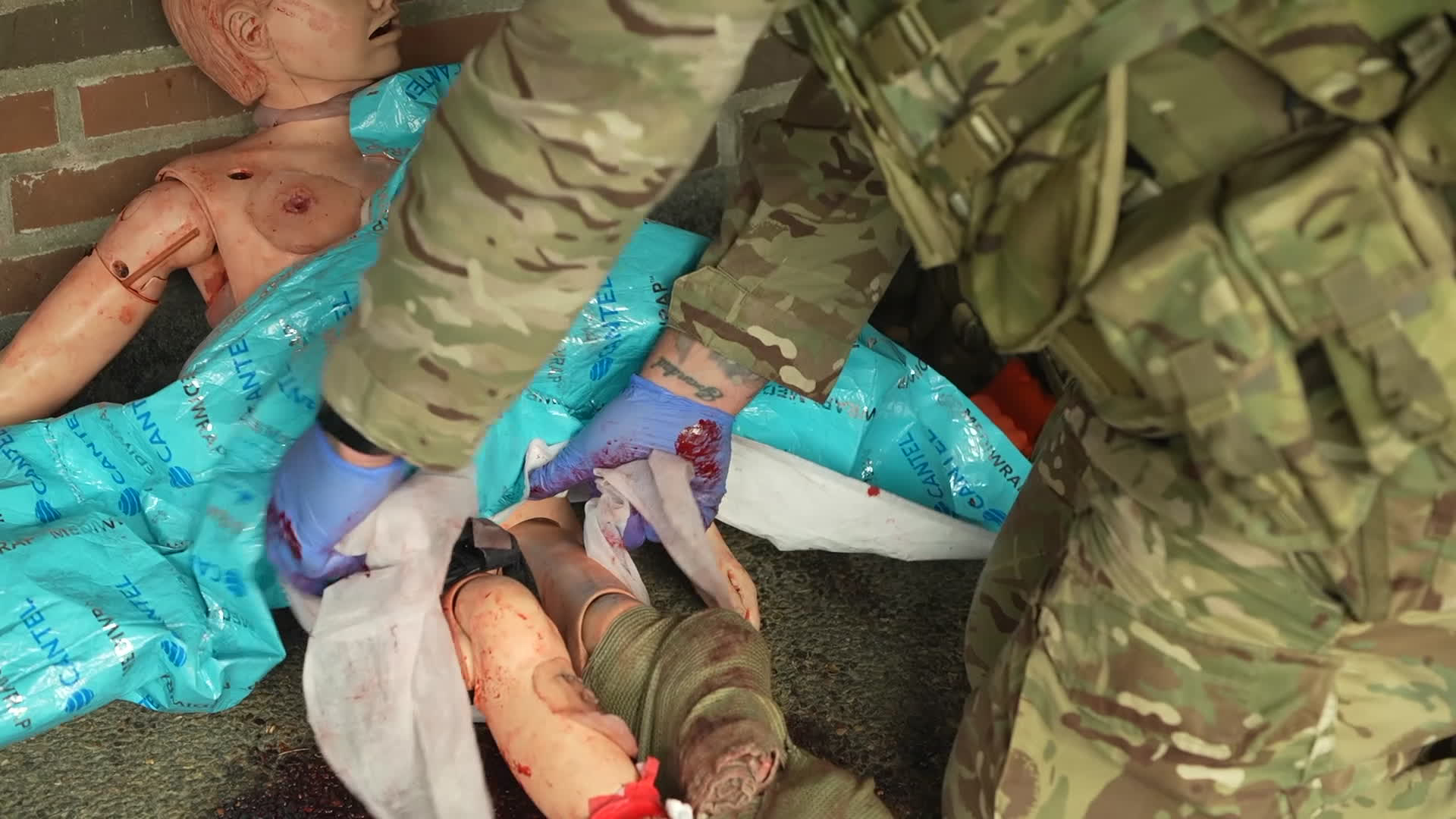
19th Light Brigade ran courses in close quarter battle, radio communications, PT instructing, combat medic skills, riot control and battle planning.
There was even a potential non-commissioned officer training cadre.
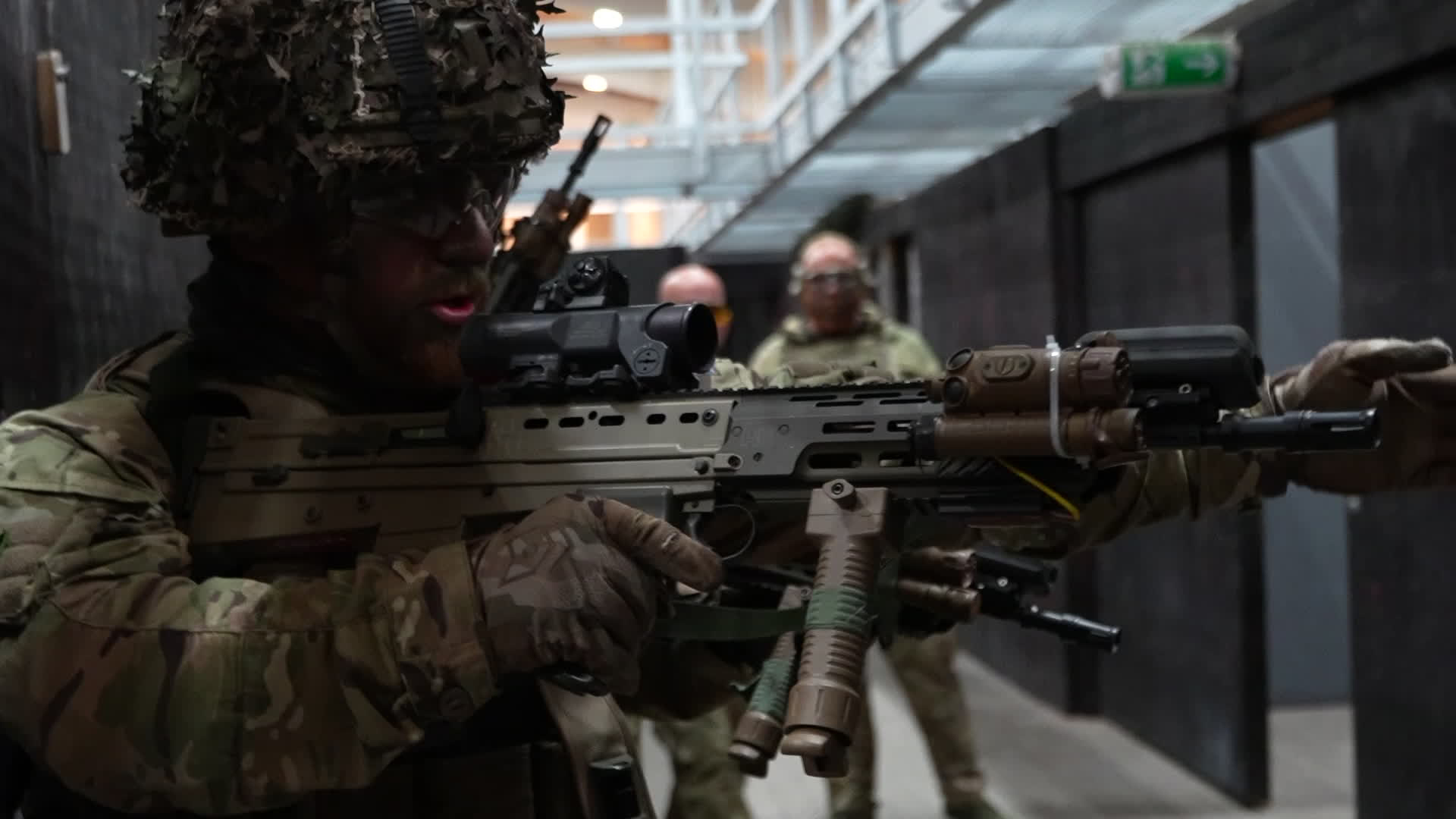
Effective training en masse
By gathering huge numbers of reservists in one place, they were able to complete qualifications they might have had to have waited months for back home in their units, and the Army was able to bring out some of its best instructors to train them.
"I liken it to being in the entertainment business," explained Major Andy Fenton of 19th Light Brigade HQ, the British Army's only reserve-only brigade.
"TV channels need to grab their audiences, and they need to put content on the TV that excites people, that gets them motivated and gets them watching, and the Army Reserve system is no different.
"These people fit it in between very busy lives. A lot of them have very high-profile civilian jobs and the spare time that they do have, they should probably be spending with their family.
"They volunteer to give that up in order to train and become Army Reserve soldiers. And to do that, it's got to be worth the effort."
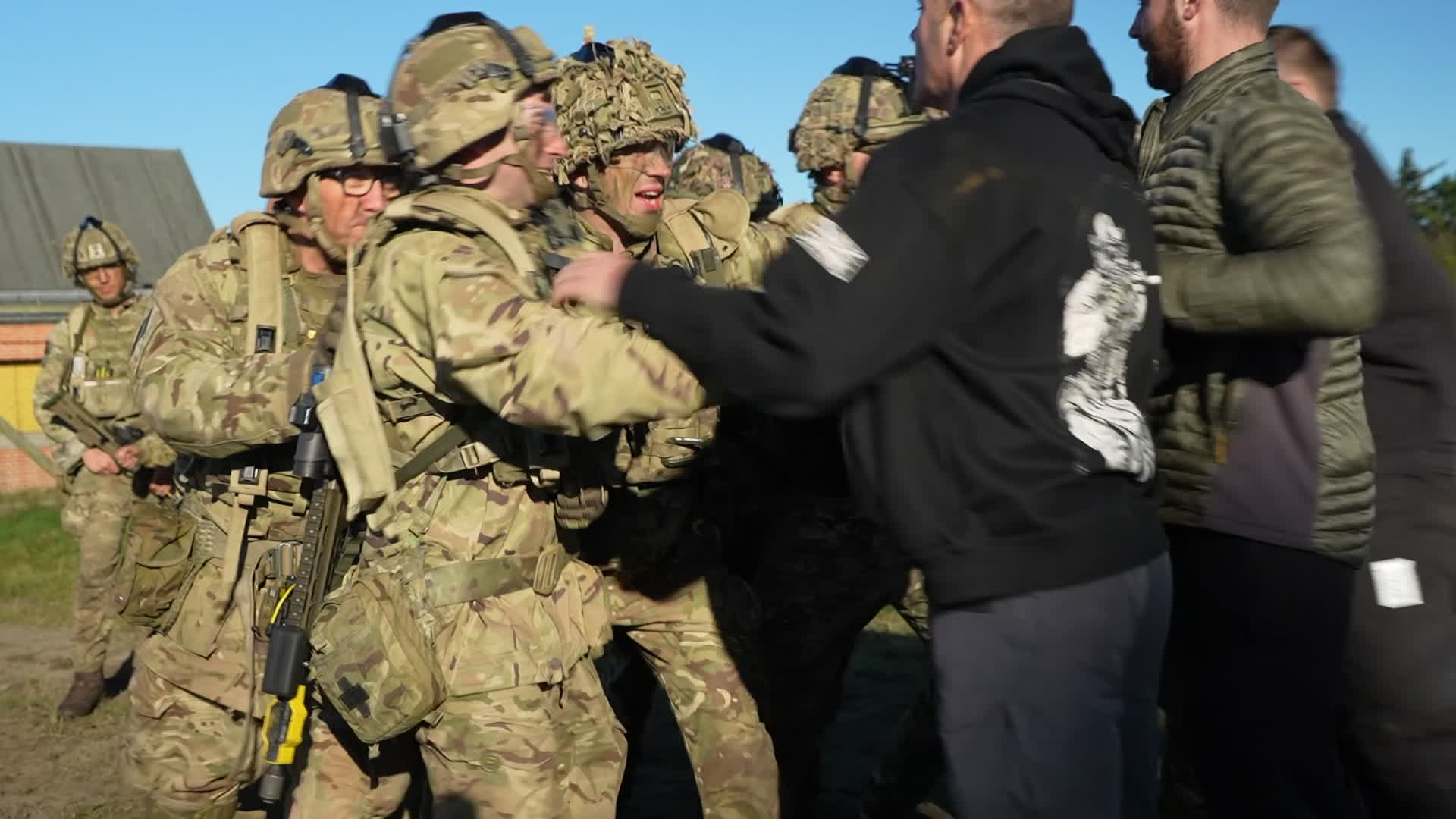
A fast deployment
In short, training needs to be productive and fun.
By doing it in another country, it not only makes it more interesting for the reservists, they can also practise mobilising large numbers of troops – which is always more challenging with reserves who need to get there, train and return in time for work on Monday morning.
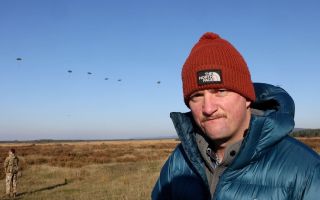
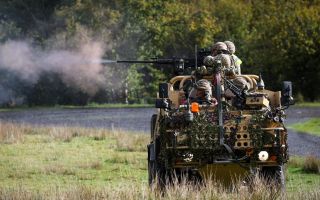
Brigadier Jeremy Dodd, who commands 19th Light Brigade, told BFBS Forces News: "In round figures we've got 960 UK service personnel here, accompanied by 173 vehicles, that have come from the north Highlands, right down to Cornwall and including Northern Ireland, through different airports, different ferry ports – to all land within a small area in Denmark within a 12-hour period.
"That's no mean feat and that's been successful. What it proves is the Army Reserve can deploy a large force within mainland Europe actually within a three or four-day period."
At the same time, the Royal Danish Army was able to rehearse being a host nation.
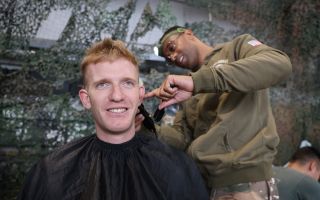
In the space of a couple of days – albeit after months of planning – the soldiers erected a tented town to house more than 1,000 British soldiers, complete with heating, wifi and high-quality food, according to the reservists!
Time well spent
The reserve forces may have faced cutbacks, but those deploying still seemed to feel this was an effective use of their precious time.
"How would you feel if you were called on," I asked Lance Corporal Carla Wick of 3 Royal Anglian, as she nervously awaited the results of her Combat Life Saver assessment.
"It would be nice to feel useful rather than sitting at home thinking 'what if?'," she replied.
"The threat has grown and that's proliferating through society, but also through what we do," added Captain Matty Jackman of 4 Lancs.
"For the first time really, the reserve has a specific mission and we're working out exactly how we'd fit into the operations that we might be called forward to do.
"We're a really highly trained force and we're ready to go."
Join Our Newsletter