West copies Ukraine's covert op and develops missile delivery systems – in a box
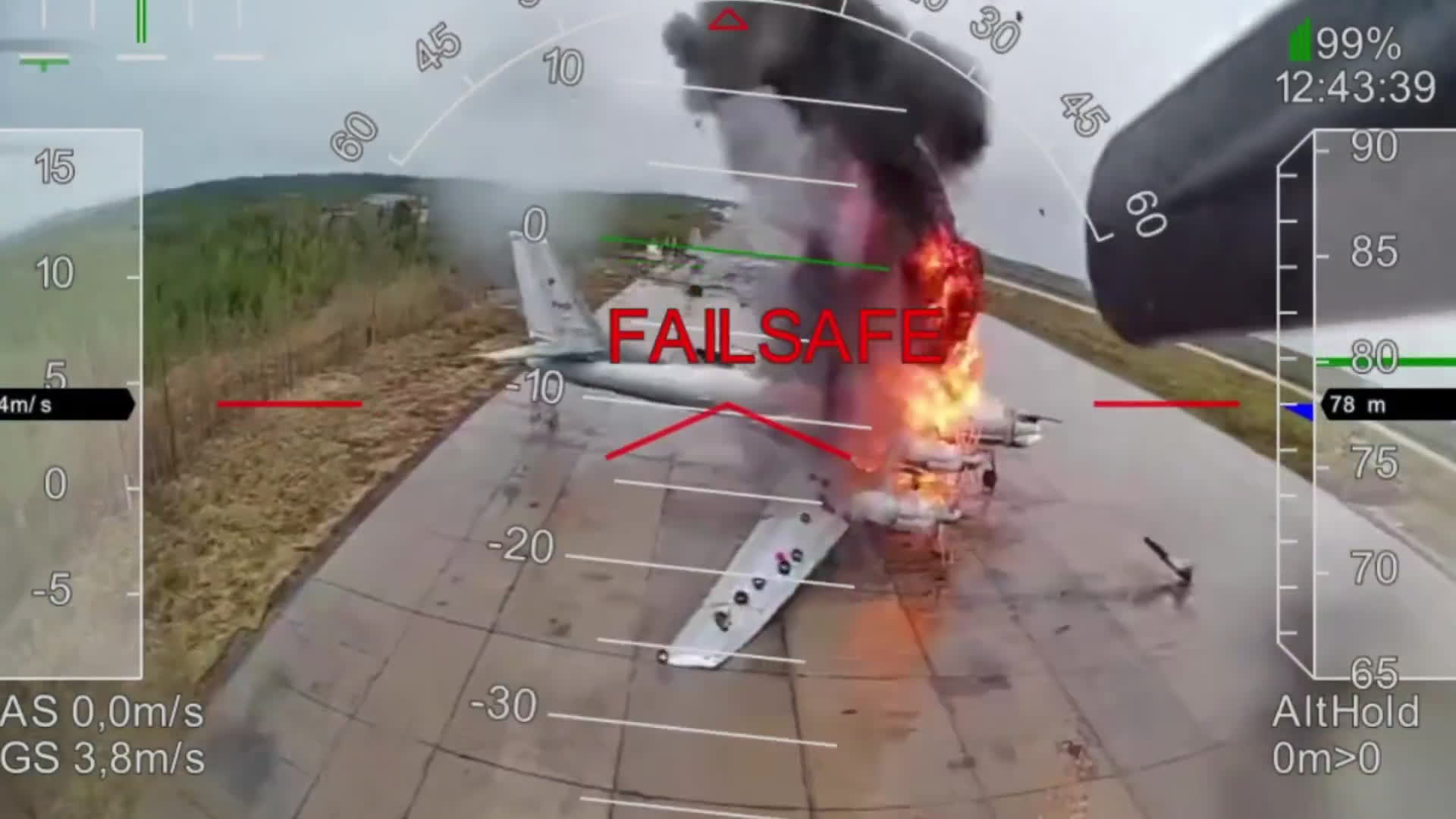
Ukraine's Operation Spiderweb dealt a devastating blow against Russian air bases, striking enemy aircraft at close range using remotely launched attack drones concealed in lorries and shipping containers Trojan horse style.
Its success appears to have ushered in a new production line of missile and drone launchers – in a box.
The West's finest defence minds have sat up and taken note, realising that standard-sized 20ft shipping containers can be repurposed as easily deployable covert missile or drone-launching modules.
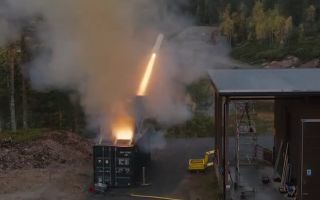
One example of this was seen with the test-firing of a Naval Strike Missile launch system housed inside a regular ISO container.
Manufacturer Kongsberg says this test in Norway proves such containers can handle the pressure and blast effect of a launch, as well as showing they can be operated safely.
Shipping containers come in a standard size – there are 25 million of them moving across land, sea and rail worldwide at any given moment.
This means getting weapons-launching containers from A to B can make use of the existing logistics and transportation networks that are already being used to shift their non-weaponised cousins.
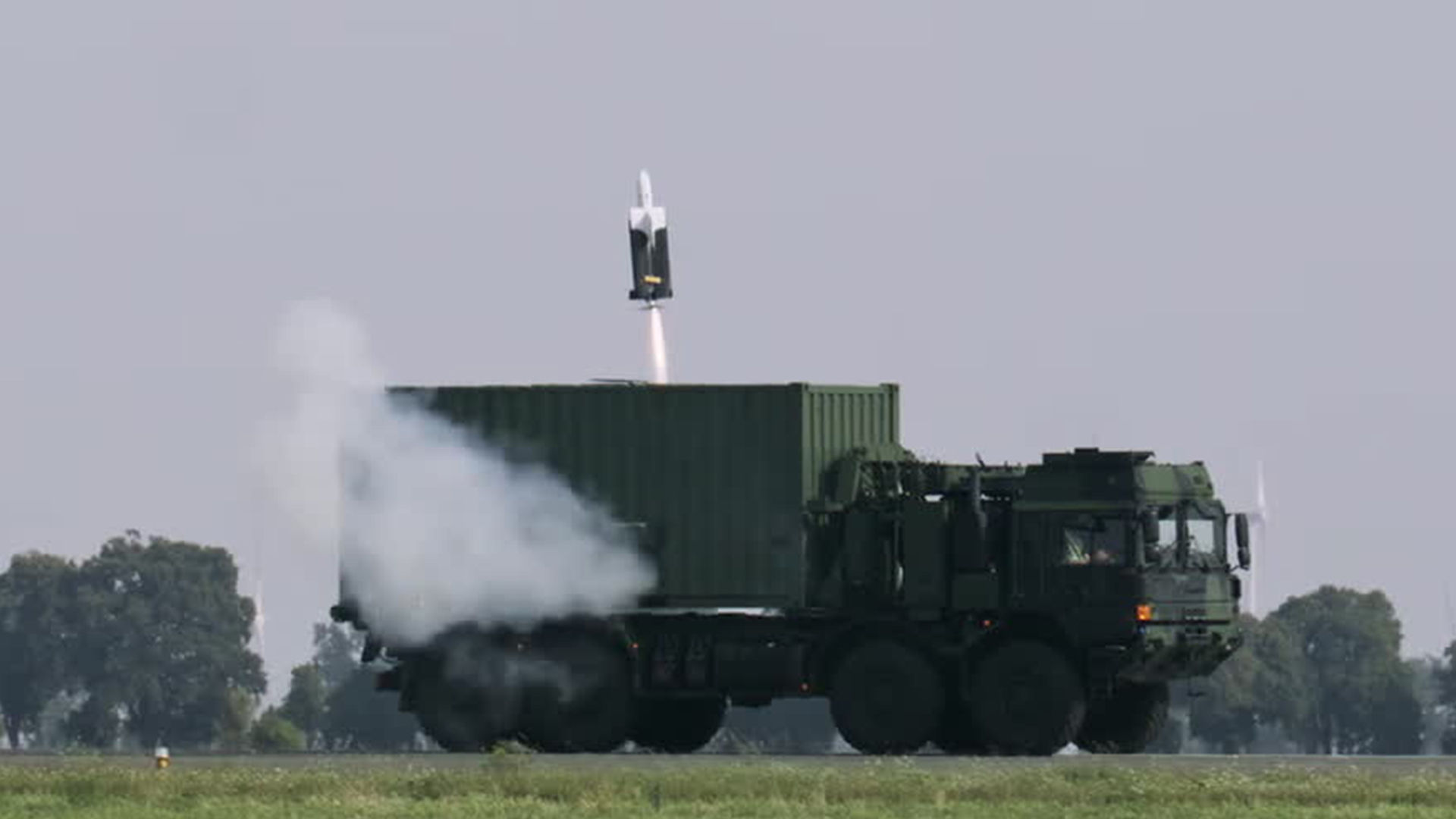
But the NSM system is neither the first nor only missile-in-a-box platform in town.
Rheinmetall has its Containerised Missile Launcher system – or CML for short – which is designed to be integrated with other state-of-the-art missile systems.
Its development was been driven by what its maker calls a growing range of drones, loitering munitions and cruise missiles that demand "flexible carrier solutions".
The CML platform features a cost-effective self-sufficient flexible launch system, firing vertically and at any angle, allowing it to fire cruise missiles, drones and loitering munitions as well as anti-tank and short-range air defence missiles.
Equipped with global connectivity via the likes of SatCom, high levels of automation mean it can be triggered quickly, with rapid deployment made easier by a self-sufficient power supply and fully integrated systems.
Its strike range depends on what comes out of the box, ranging from just over six miles to 560, with the CML carrying up to a 28-tonne payload.
And an integrated "sleeper" capability means it can be left somewhere in secret and undetected.
It can then be remotely activated, launching a surprise attack out of nowhere – bringing us back full circle to the Ukrainian success story that was Operation Spiderweb.
Related topics
Join Our Newsletter