The drone revolution: Why rank no longer dictates expertise on the battlefield

The British Army has turned to its junior ranks to help pave the way for the drone revolution taking place when it comes to warfare.
Combat courses that would otherwise be led by senior personnel with decades of experience are instead being taught by lance corporals and corporals – the early adopters of drone tech and the skills needed to operate them in battle.
It means that as the Army shapes itself for modern war, tech-savvy junior soldiers with know-how are being asked to step up and teach their mates to operate weapon systems such as kamikaze drones.
Junior ranks lead the way
One such soldier is Lance Corporal Trent Isles, who was recently awarded a Chief of the General Staff's Commendation in the King's Birthday Honours for the work he has done sharing his skills with the rest of his battalion.
"It's absolutely blown and gone big, but obviously it needs to be with modern warfare," he told BFBS Forces News.
"It's great to see young lads coming through and operating the systems really well. Everyone's really good. They want to pursue it and enjoy a career within drones."
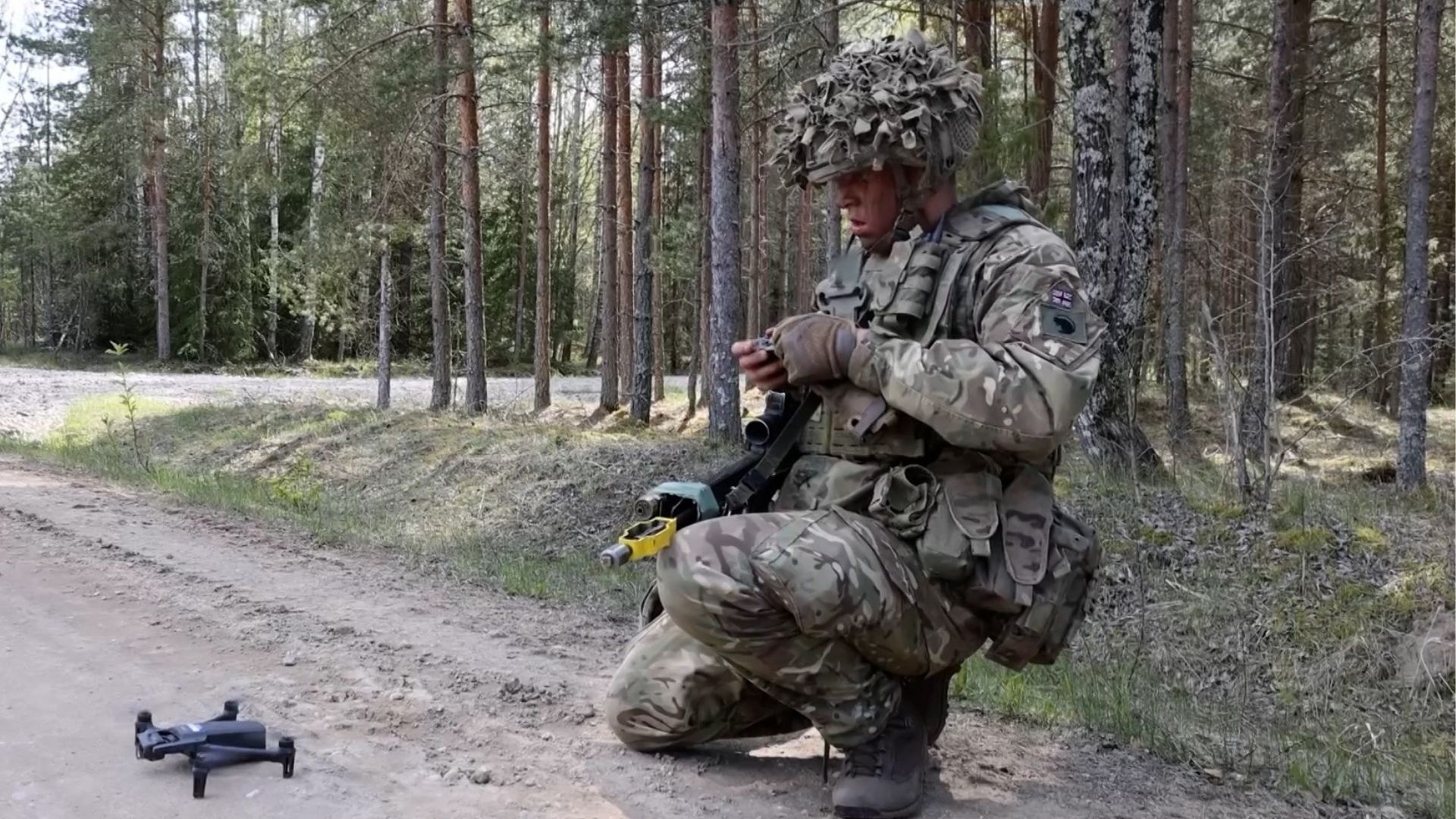
The British Army has been accused of moving too slowly when it comes to embracing the realities of drones and their place in modern conflict – but things are changing.
LCpl Isles' unit, the 1st Battalion, The Duke of Lancaster's Regiment, has been an outlier in this space; last year, its chain of command directed that regimental funds should be spent to procure drone systems so that its personnel could get ahead of the curve when it came to using them on training exercises and operations.
Since then, the unit has re-rolled one of its companies to become a strike force, with capabilities including an array of lethal drones. And it is shaping more of its junior personnel to be trained to the level of someone like LCpl Isles.
'Send it rapid into the target'
BFBS Forces News travelled to RAF Spadeadam in the North of England to see how personnel from 1 Lancs and other units were putting their new skills into practice behind the controls of different types of drones.
There, we met 19-year-old Kingsman Mason McCarney, who only picked up a drone for the first time three weeks ago.
"It's quite good," he said. "Don't get me wrong, it's difficult with some of the aspects, especially with the [first-person view drones].
"You have to programme them, build them, and then also learn how to fly them, and it's just not like a normal drone."
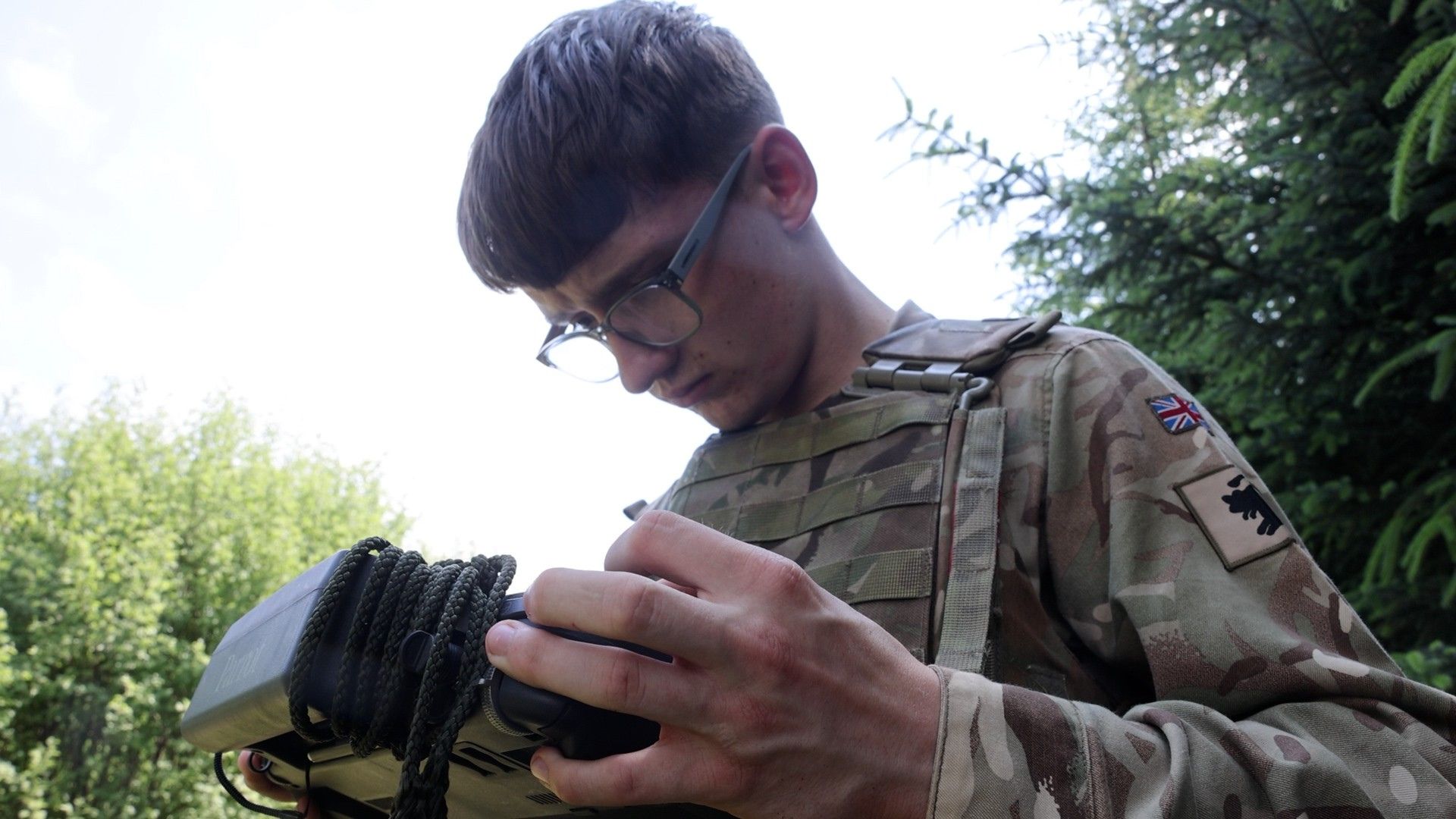
Kingsman McCarney also described what it's like to fly an FPV drone, noting that it was all about not flying too high and not flying too low.
"You just send it rapid into a target and that's it. They can't get away from it," he said.
20-40-40 becoming a reality
The Army is currently undergoing a transformation as it shifts towards a 20-40-40 model. Under these plans, 40% of its future capability will come from systems such as the drones currently being used to devastating effect in Ukraine.
It's a major shift in thinking, as the model also dictates that only 20% of the Army's future capability will come from traditional weapons such as heavy armour and artillery.
It all points to an increase in the value the Army will have to place on people like LCpl Isles and other Gen Z personnel, who are demonstrating their natural flair for flying drones into enemy targets and operating other tech-intensive systems.
It is a quiet revolution, and one that favours the young.
Related topics
Join Our Newsletter