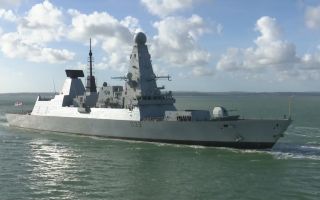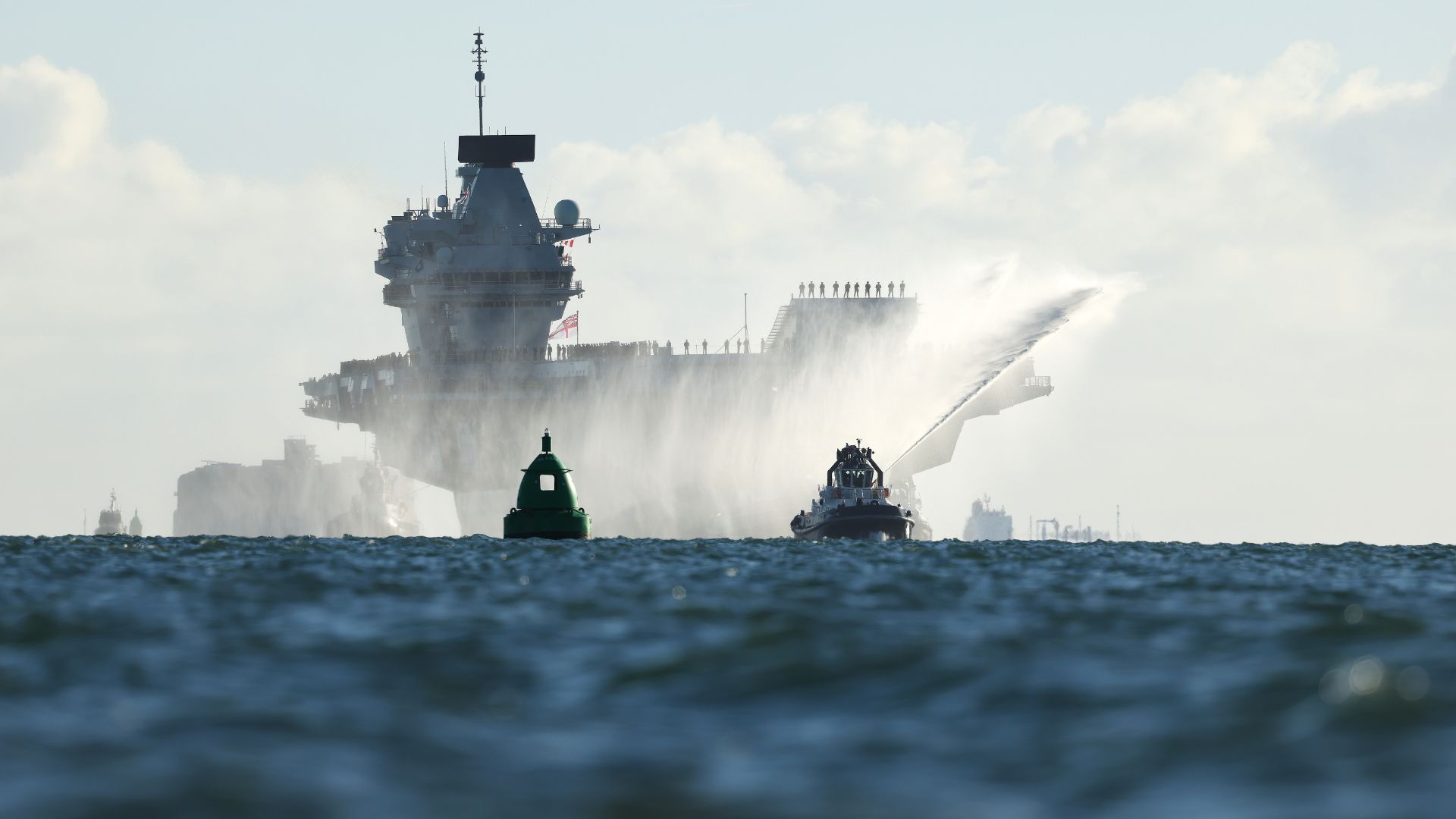
The UK is set to deploy its Carrier Strike Group (CSG) – led once again by HMS Prince of Wales – to the North Atlantic and High North, Prime Minister Sir Keir Starmer has announced.
He said the group would operate alongside forces from the US, Canada, and other Nato allies in a "powerful show" of commitment to Euro-Atlantic security.
Known as Operation Firecrest, the deployment comes as the MOD revealed incidents of Russian vessels threatening UK waters have increased by 30% in the last two years, with submarine activity in the North Atlantic now back to the same levels as the Cold War era.
Sir Keir also connected the Carrier Strike Group's deployment to a broader effort to strengthen European deterrence.
"That is why we are enhancing our nuclear cooperation with France," he said. "For decades, the UK has been the only nuclear power in Europe to commit its deterrent to protect all Nato members.
"But now any adversary must know that in a crisis, they could be confronted by our combined strength."
Discussing challenges to international security
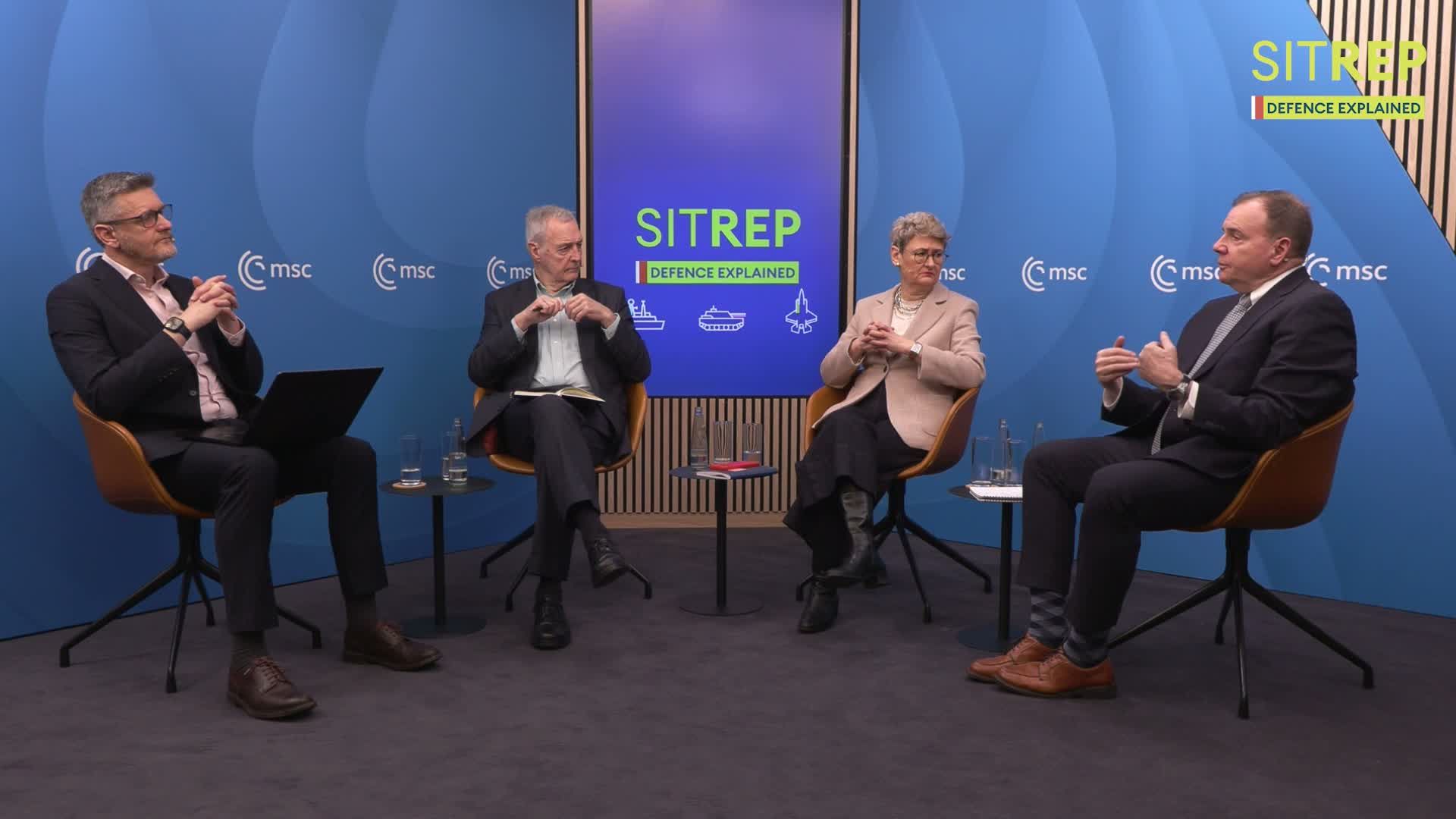
The Prime Minister's announcement was made at the annual Munich Security Conference, where heads of state and government, foreign and defence ministers, and leaders of major organisations met to discuss the biggest issues facing the planet.
On Sunday 15 February, BFBS Forces News reporter Simon Newton was joined by Professor Michael Clarke, founding director of the Centre for Defence Studies; Oana Lungescu, who served as the longest-running Nato spokesperson (2010-2023); and Lieutenant General (Ret'd) Ben Hodges, former Commanding General of US Army Europe and now Nato Senior Mentor for Logistics.
They reflected on what was learnt, and what, if anything, had been achieved at this key event for defence.
Prof Clarke said the CSG deployment made "perfect sense".
"Its presence in the North Atlantic, which increases reconnaissance," he said. "We could increase our footprint and be a pattern for the future."
However, he cautioned that this should not be overemphasised.
"It would be better if we had more appropriate force mixes to offer. But we've got to carry it, so we offer it."
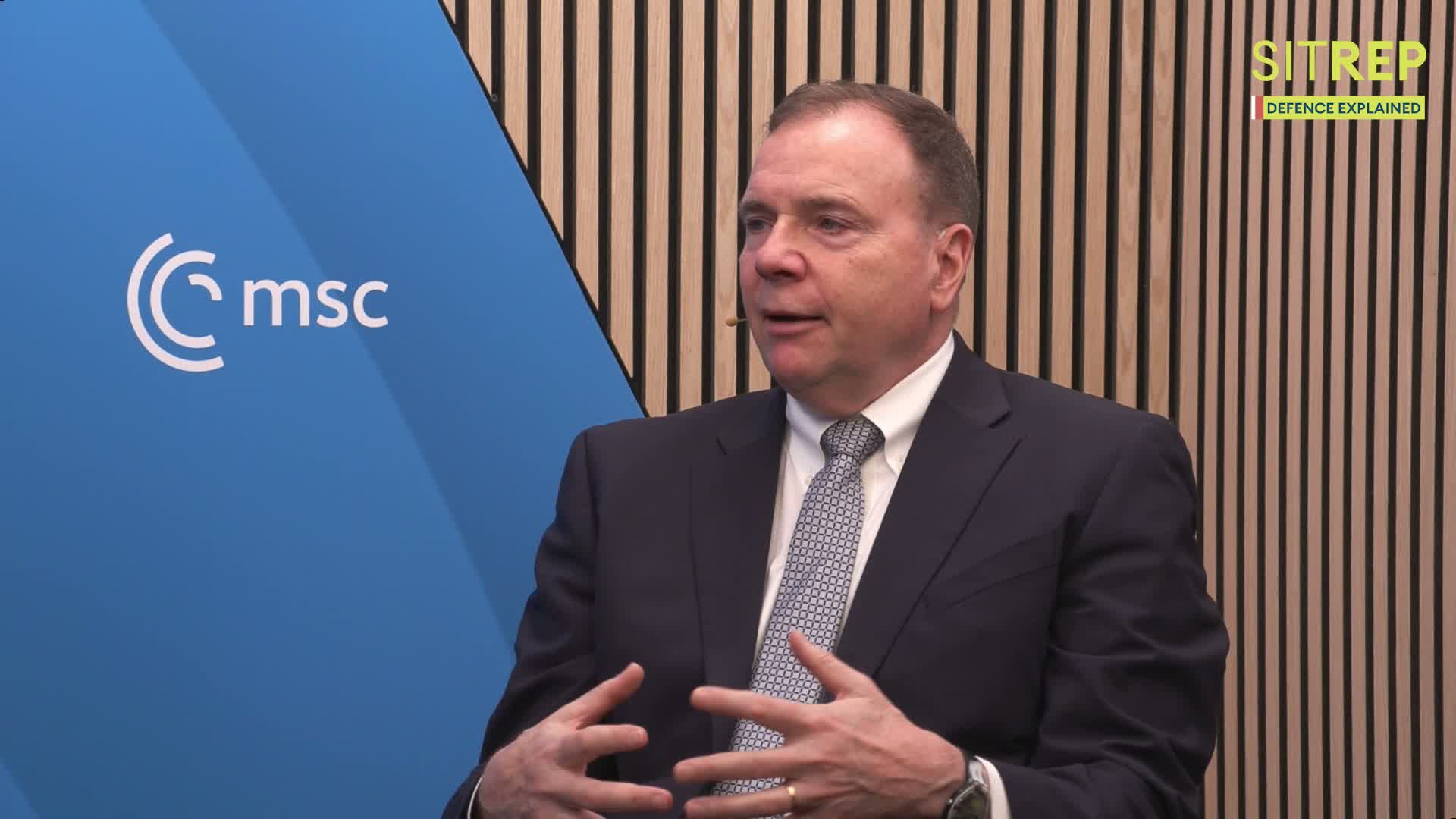
When asked whether the deployment was intended as a political signal or carried genuine military "clout", Lieutenant General (Ret'd) Ben Hodges replied: "Those are not mutually exclusive."
"When you send a carrier somewhere, there's so much that goes with it – and that's exactly what the US does.
"When it's announced that [USS] George Washington, the [USS] George W Bush or the [USS Gerald R] Ford is arriving, that is a huge strategic message, a political message, because it has clout," he said.
He added he was a "simple infantryman", not a sailor, but knows what an aircraft carrier and all that comes with it represents.
"I think adding capability to the North Atlantic, whatever that looks like – our great naval leadership will know how to use that properly," he said.
Mission ready
Involving thousands of personnel from all three services of the Armed Forces, Op Firecrest will see the UK and US working side by side on Euro-Atlantic security around the North American East Coast.
It will see the CSG exercise alongside the UK-led Nato's Standing Naval Maritime Group 1, with HMS Dragon acting as the command ship of the Nato maritime group throughout the year.
This will include close cooperation with operational headquarters, Joint Force Command Norfolk, Virginia, which is set to be under the command of a British officer for the first time.
The CSG will sail across the Atlantic to visit a US port, with US jets also expected to operate from the flight deck of HMS Prince of Wales.
In a post to X in the wake of the announcement, First Sea Lord General Sir Gwyn Jenkins said HMS Prince of Wales "stands ready" for the deployment.
In addition, the deployment will bolster Alliance security in support of Nato's Arctic Sentry mission, in a region where melting sea ice is opening new maritime routes, heigtening the threat from hostile state activity.
The deployment builds on the success of the UK's CSG25 mission to the Indo-Pacific, which featured more than 1,000 F-35 sorties and exercises with more than 30 nations and resulted in the UK's Carrier Strike Group being certified fully mission-ready and committed to Nato.
Join Our Newsletter