Soft skills, self-belief and curiosity: Key qualities to develop for success on civvy street

How I Got Here is an ongoing series from BFBS Forces News, focusing on the transition from the military to civvy street. We've spoken to veterans whose military careers have come to an end, either by choice or through a life-altering event. As people who have been there and done that, they offer invaluable advice for those considering leaving or who need some support right now.
For some veterans, the thought of leaving the Armed Forces and transitioning to civvy street can be a daunting prospect.
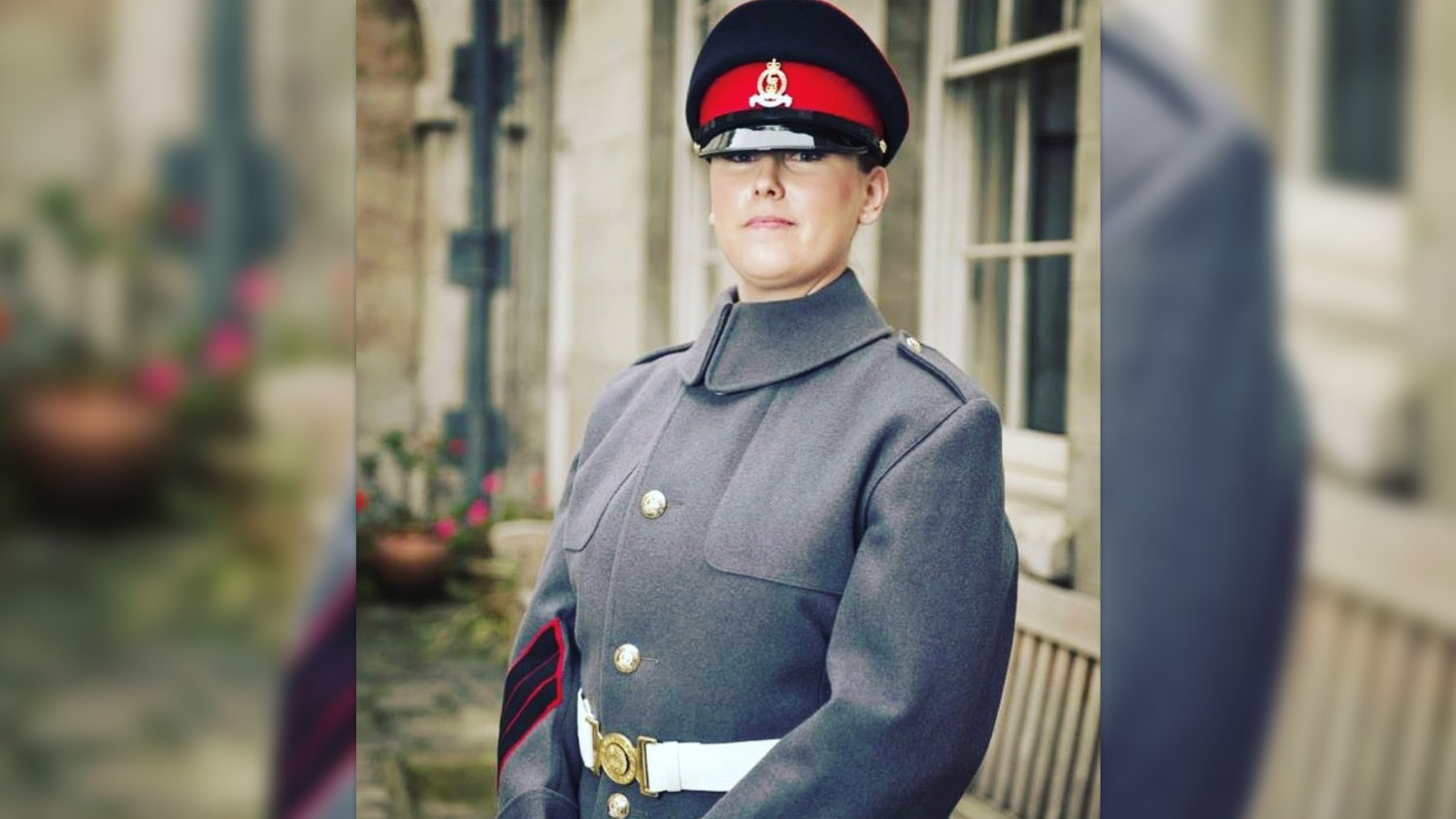
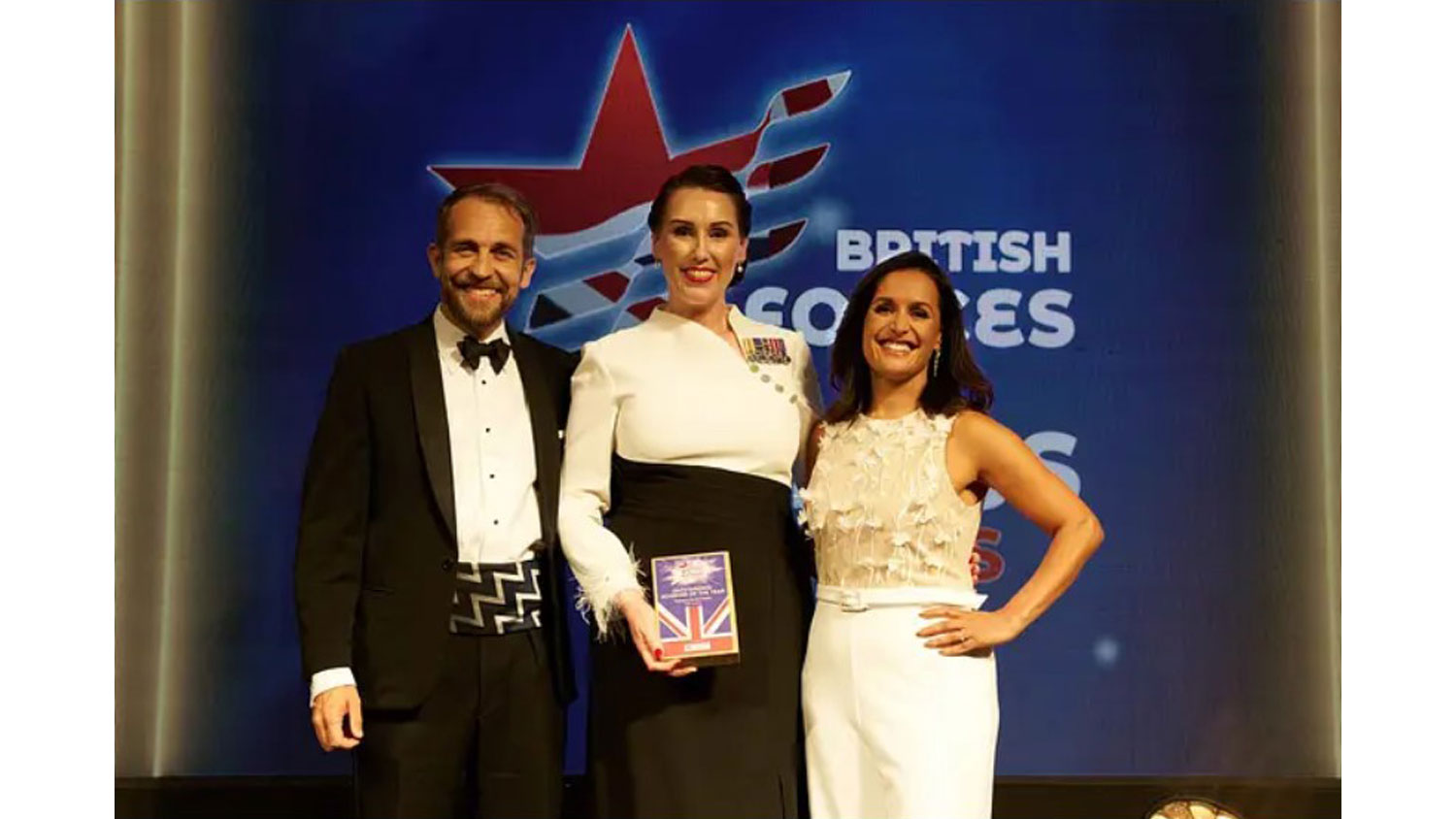
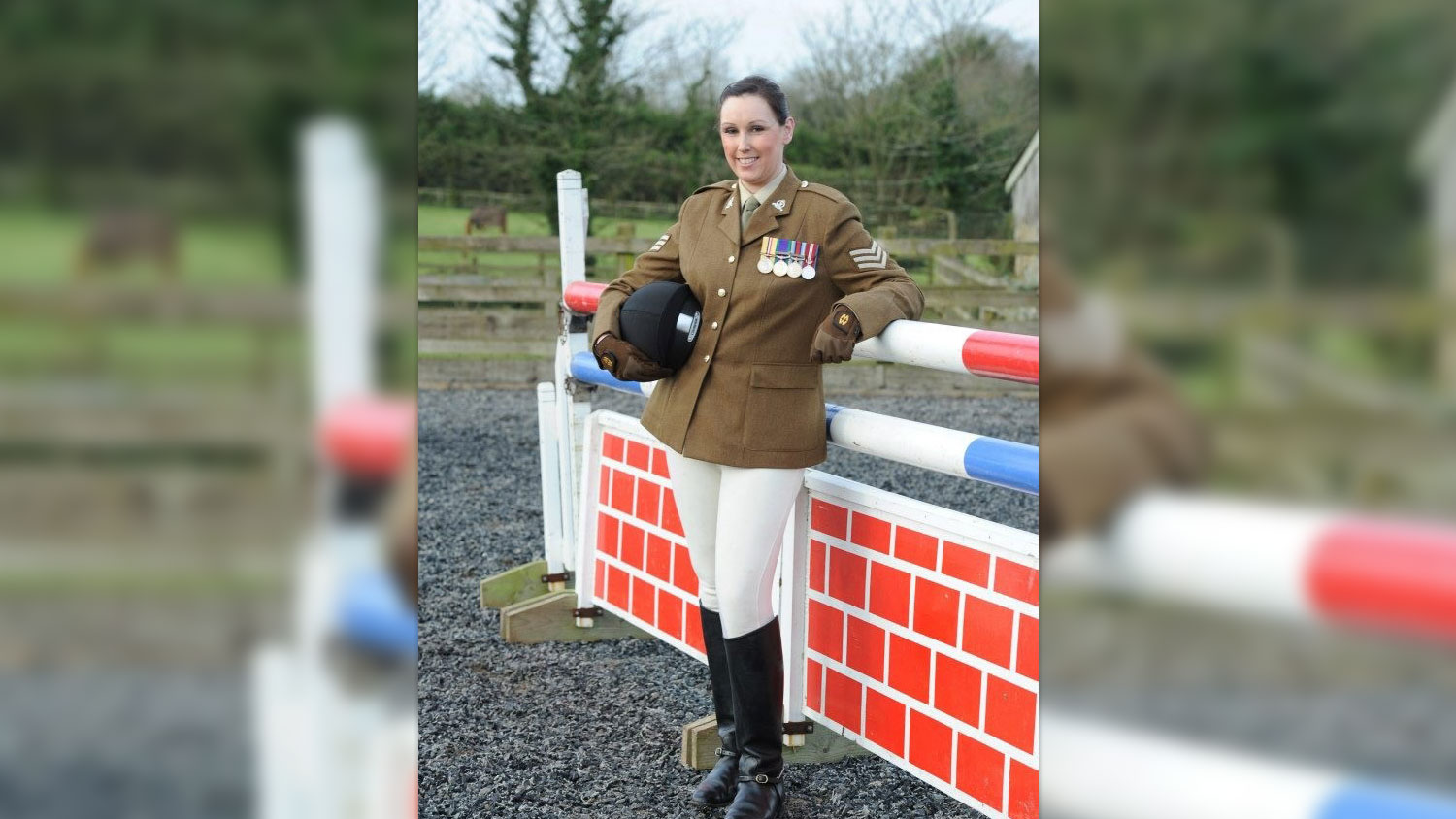
However, for former British Army Sergeant, Rebecca Foran-Coutts, now the Global Inclusion Manager at BAE Systems, it has been the making of her.
After sustaining injuries in service in 2014 that led to her being medically discharged, life was certainly tough and she had to advocate for herself a lot but, today, she loves her civilian career.
Having seen active service in Northern Ireland, Iraq and Afghanistan, her experience of Army life had been "nothing but positive" but her "quite brutal" experience of being forced to leave was a difficult and confusing time.
Speaking to BFBS Forces News, she said: "I didn't want to leave. That choice was taken away from me.
"Housing, future career, training, next steps, all of this was kind of just firmly planted on my plate.
"You're leaving? We're not part of it. Off you go."
Despite her circumstances, her tenacity and determination shone through as she fought to continue her service, even if it meant she would never deploy again.
Sadly, this wasn't an option.
This is, Ms Foran-Coutts says, when she had to "grow a pair" and learned to advocate for herself, realising that her identity was more than her rank, job or uniform.
She said often people will assume veterans will simply be able to slot back into civilian life but believes it's not that easy for everyone.
Transitioning to civvy street isn't just as simple as getting a new job.
Veterans are changing their culture, routine and community – all things that can leave some ex-service personnel feeling isolated.
"And then comes the pride in your service and ultimately the loss of that," she said.
"And I think that's the bit we don't talk about enough. It's almost like a grieving period."
Where it all began
Ms Foran-Coutts joined the British Army at 18 as an act of rebellion.
With no family history of military service, she was keen to take on the challenge of doing something different.
She openly admits she wasn't the kind of recruit the British Army were looking for and even her grandmother said: "We'll give her two weeks and she'll be back."
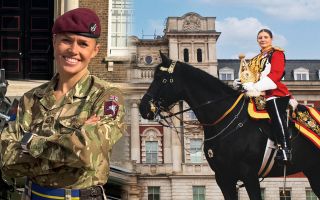
However, the teenager persisted, joining initially as a member of the Royal Military Police with aspirations to join the Mounted Branch.
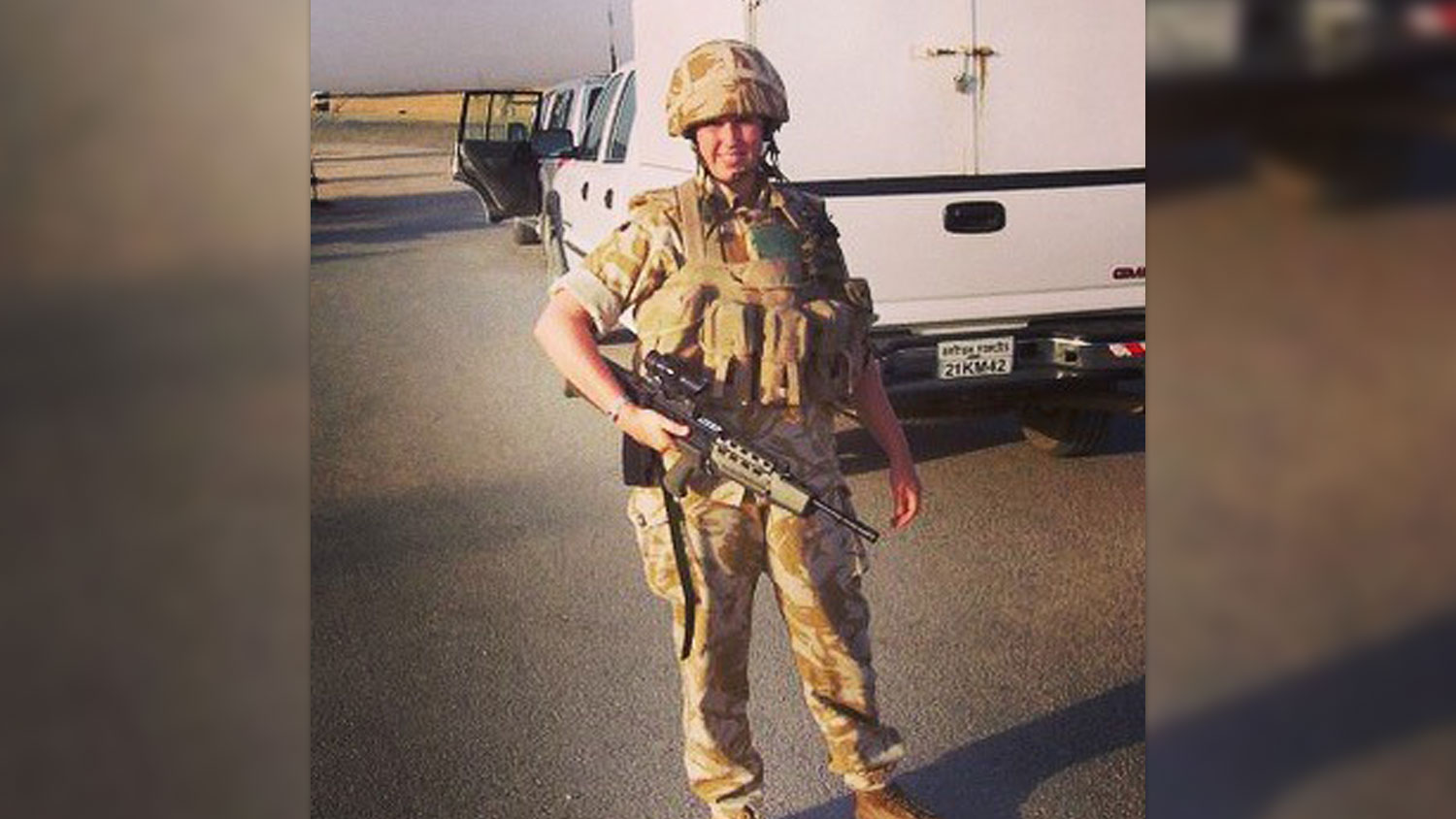
When that branch was disbanded, Ms Foran-Coutts transferred within the corps and became a linguist.
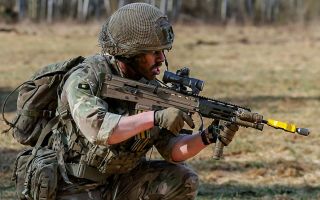
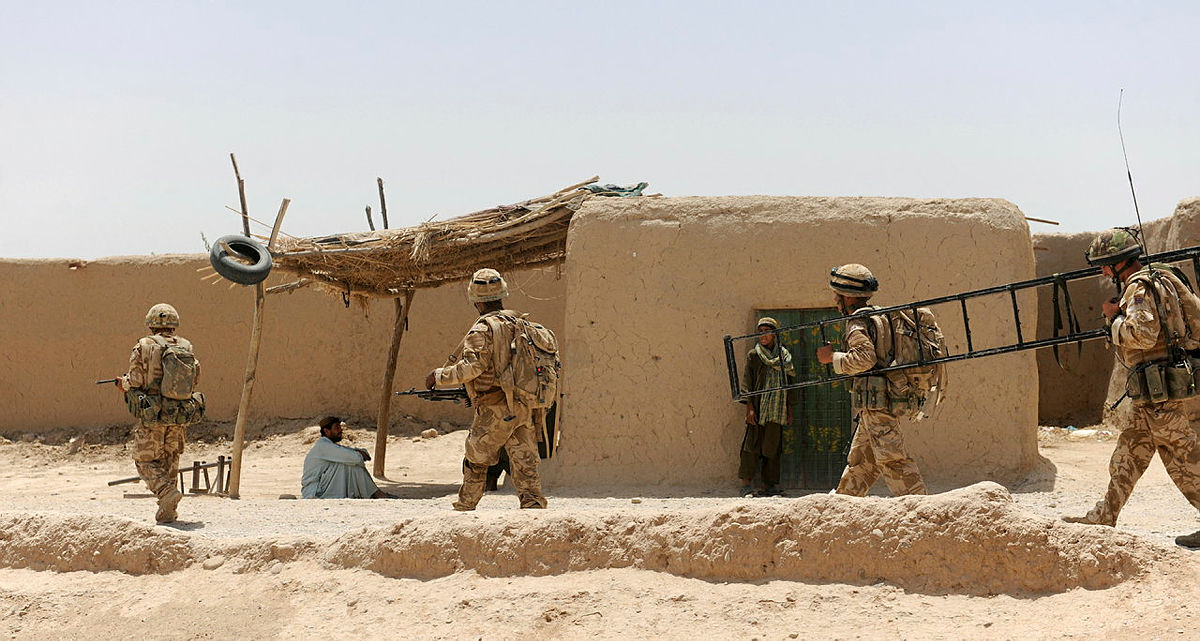
She used her aptitude for languages to take on the 18-month Pashtu course and was deployed to Afghanistan in 2009 as part of Op Panther's Claw – an operation to secure canal and river crossings to establish a permanent International Security Assistance Force (ISAF) presence in the area.
And then, in 2014, when her injuries did not heal as quickly as they should have, she was medically discharged.

A life-changing discovery
Fate took another twist when, while sat at the traffic lights by the Royal Berkshire Hospital in Reading, she realised she couldn't take in a full breath and decided to get herself checked out.
She said: "Call it sliding doors, call it serendipity... for whatever reason, I chose to turn left and just go to the hospital."
Through a test that was deemed unnecessary for someone of her age and fitness, she discovered she had not one but two pulmonary emboli, which meant blood clots were blocking blood vessels in both of her lungs
She said: "If those blood clots had broken off at any point, that would have been it for me."
The near brush with death soon after her medical discharge put a lot of things in perspective for her.
She said: "You dodge a lot of bullets in life and particularly when you're in the military but this was probably the biggest one that I dodged."
Hope for a bright future
The years between her medical discharge and when she joined BAE Systems in 2019 saw Ms Foran-Coutts take on a variety of projects and roles.
She believes that having self-belief and the curiosity to go and explore other potential roles is absolutely vital for success on civvy street.
She said: "Your first role out of service isn't going to be your last.
"You can build a life that is every bit as rewarding as the one you left behind."
She discovered that building a network of contacts became critical in navigating her career transition.
After an introduction by the wife of a service person, Ms Foran-Coutts became responsible for airside and landside security during the building of Heathrow Terminal 2 for eight months.
At the end of that contract, she set up her own project management company and ended up working for the government and in national security for about five years.
However, just before the Covid pandemic began, her injuries "took a turn for the worse" which made commuting in and out of London a struggle.
This is when she applied to work for BAE Systems where she took on the roles of Business Analyst and then Change Management Practitioner.
Lean into your network
Social media platform LinkedIn was a career tool Ms Foran-Coutts wishes she had embraced earlier.
She encourages veterans to reach out to her via LinkedIn if they're not sure where to start or if they're keen to get some advice, adding, "You don't know what you don't know."
When she first joined LinkedIn, it was dismissed by many as simply a "professional Facebook", but she soon discovered it was filled with veterans who, like her, were keen to offer their support.
Another great source of support Ms Foran-Coutts recommends using is the Gen Det Network, because it is full of information and really helpful people.
Soft skills
Veterans often bring a direct communication style to work, which can sometimes clash with civilian workplace culture.
While your military learned leadership skills and attitude towards getting a job done can greatly benefit a company, being open to feedback can lead to a more collaborative approach that may enhance teamwork.
Ms Foran-Coutts says learning "soft skills" may feel outside a person's comfort zone, but it can really benefit veterans, saying: "I kind of like the person that I've become as a result of that."
The power of a veterans' network
Ms Foran-Coutts saw the value in creating a veterans' network at BAE Systems so that former service personnel working there could have a group of people who understood military language to support them when they were struggling.
She said: "Even given my previous experience, I really found coming into the corporate world quite bewildering."
Today, BAE Systems' veterans' network – VetNet – has about 1,500 members and is still growing.
It proved vital during the drawdown of Afghanistan in 2021, a time many veterans found difficult to come to terms with.
She said: "We acknowledged that that was going to be particularly hard for some of our service employees, whether they be veterans or reservists.
"And just being able to kind of throw our arms around the community and say... we understand and obviously we're here for a chat, should you want it."
This led to implementing veteran-specific mental health first aid with a PTSD bolt-on at no extra expense to the company, something VetNet is incredibly proud of.
At the end of the day, veterans like Ms Foran-Coutts want those about to transition to civvy street or those unsure where to turn next to reach out and get help.
She said: "Don't be afraid to reach out because it's there, it's accessible.
"You don't have to do it alone."
Related topics
Join Our Newsletter