Can Iran hit the UK? Country's weapons in spotlight after attack on Cyprus RAF base

RAF Akrotiri was hit by a one-way Iranian attack drone after the UK authorised the US to use its military bases for defensive strikes against Iran.
The attack, which marks the first direct strike targeting a British military site since the US launched combat operations against Iran on Saturday morning, has renewed focus on the Iranian threat to British assets in the Middle East and elsewhere.
After the announcement of the US-led Operation Epic Fury, British jets were in the air for defensive air patrols, including intercepting an Iranian drone heading toward Qatari territory.
In a statement broadcast on Sunday evening, Prime Minister Sir Keir Starmer said the government would allow the US to use British bases for the "specific and limited defensive purpose" of destroying Iranian missile launchers and storage depots.
Shortly after the announcement, the runway at RAF Akrotiri, Britain's largest permanent RAF base outside the UK, was hit by a one-way attack drone. While there are no immediate reports of injuries, non-essential personnel are being relocated as a "precautionary measure".
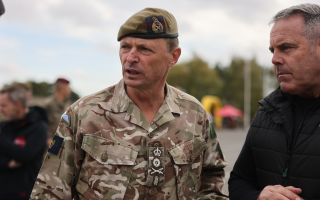
Defence Secretary John Healey said in a statement on Monday afternoon that the MOD's "best assessment" was that the drone was fired before the UK allowed the US to use its bases, implying the attack was not a response to the Prime Minister's statement.
BFBS Forces News examines what threat Iranian attacks pose to British personnel and assets in the Middle East more widely, and the weapons Iran has at its disposal for its attacks.
UK troops close to attacks on US assets
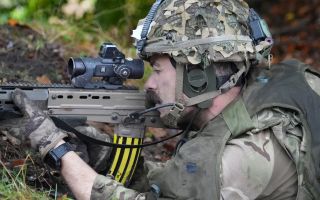
British soldiers deployed in the Middle East were within close proximity to Iranian attacks on US military bases in Bahrain and Iraq over the weekend.
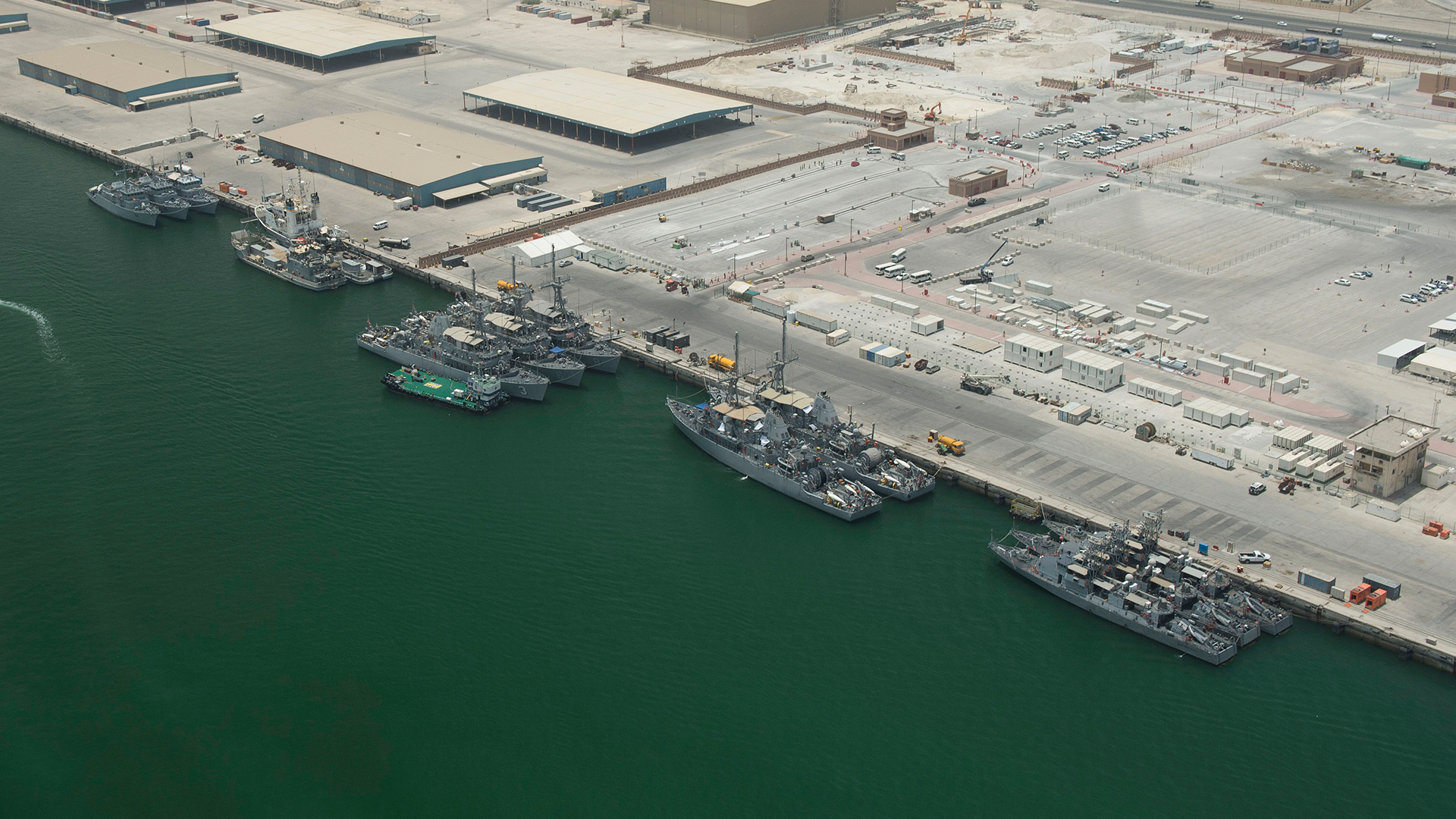
Defence Secretary John Healey told the BBC that 300 British personnel were within 200 metres of an Iranian strike on a US Navy base in Bahrain's capital, Manama, on Saturday.
In Iraq, an Iranian missile landed 400 metres away from British troops stationed at a coalition base as part of operations against the Islamic State.
British forces in Iraq also shot down an Iranian drone targeting western forces in the country.
British civilians based in the Middle East
According to Foreign Secretary Yvette Cooper, there are around 300,000 British nationals in Gulf countries that have been targeted by Iranian attacks.
This includes the UAE city of Dubai, where four people were injured in a strike affecting the airport, and a fire broke out at a luxury hotel in the city. There are no reports of British nationals being injured in these incidents.
Ms Cooper said almost 100,000 people have registered their presence in Gulf nations since the US-led combat operations began.
The government is reportedly drawing up plans for mass evacuations from the region if the threat escalates further or airspace remains closed for an extended period of time.
What is Iran using for these strikes?
Iran has employed a combination of drones and ballistic missiles for its attacks.
The drone that hit RAF Akrotiri is being described as a one-way attack drone, meaning it carries an integrated warhead and is designed to detonate on impact.
Iran's most famous weapon of this type is the Shahed-136 drone, which has seen extensive use on the battlefield in Ukraine by Russian forces using the Iranian model as well as homemade Gerbera and Gerund alternatives.
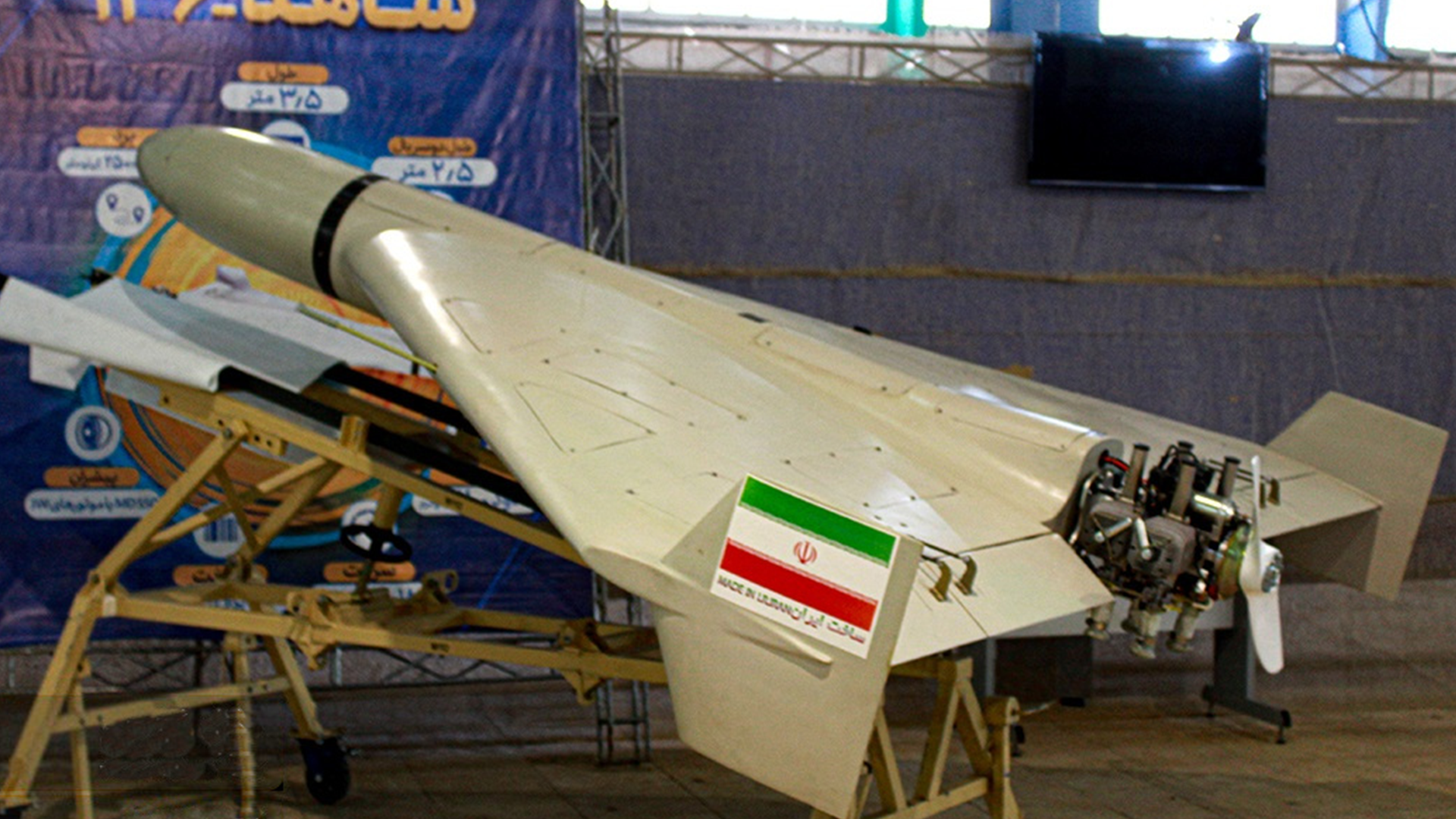
The Shahed costs around $35,000 to produce and is estimated to have a maximum range of around 2,500km.
Iran also possesses a variety of short- and medium-range ballistic missiles, the largest and most diverse arsenal in the Middle East, according to the Missile Defense Project at the Center for Strategic and International Studies (CSIS).
Those with the longest range include the Sejjil, which can travel up to 2,000km and carries a single 700kg warhead.
The ranges of these two types of weapons would allow Iran to strike as far as Israel and parts of southeast Europe such as Greece, but not as far as Britain.
With additional reporting by Sian Grzeszczyk Melbourne.
Clarification: This article was updated on March 2 to include a statement from Defence Secretary John Healey on the order of events regarding the Iranian drone attack on RAF Akrotiri.
Join Our Newsletter