Type 31 v French FDI: How do these modern frigates stack up against each other?
Often seen as the workhorse of a naval fleet, the medium displacement frigate is a multi-role ship that is a vital part of any leading navy.
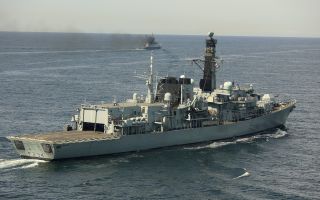
The UK has opted for the Arrowhead 140 design in their Type 31 vessel but the French have gone for another more compact take with their French Frégate de Défense et d'Intervention (FDI) ship.
Navies across the globe are looking to more adaptable and cost-effective vessels to help them in maritime security.
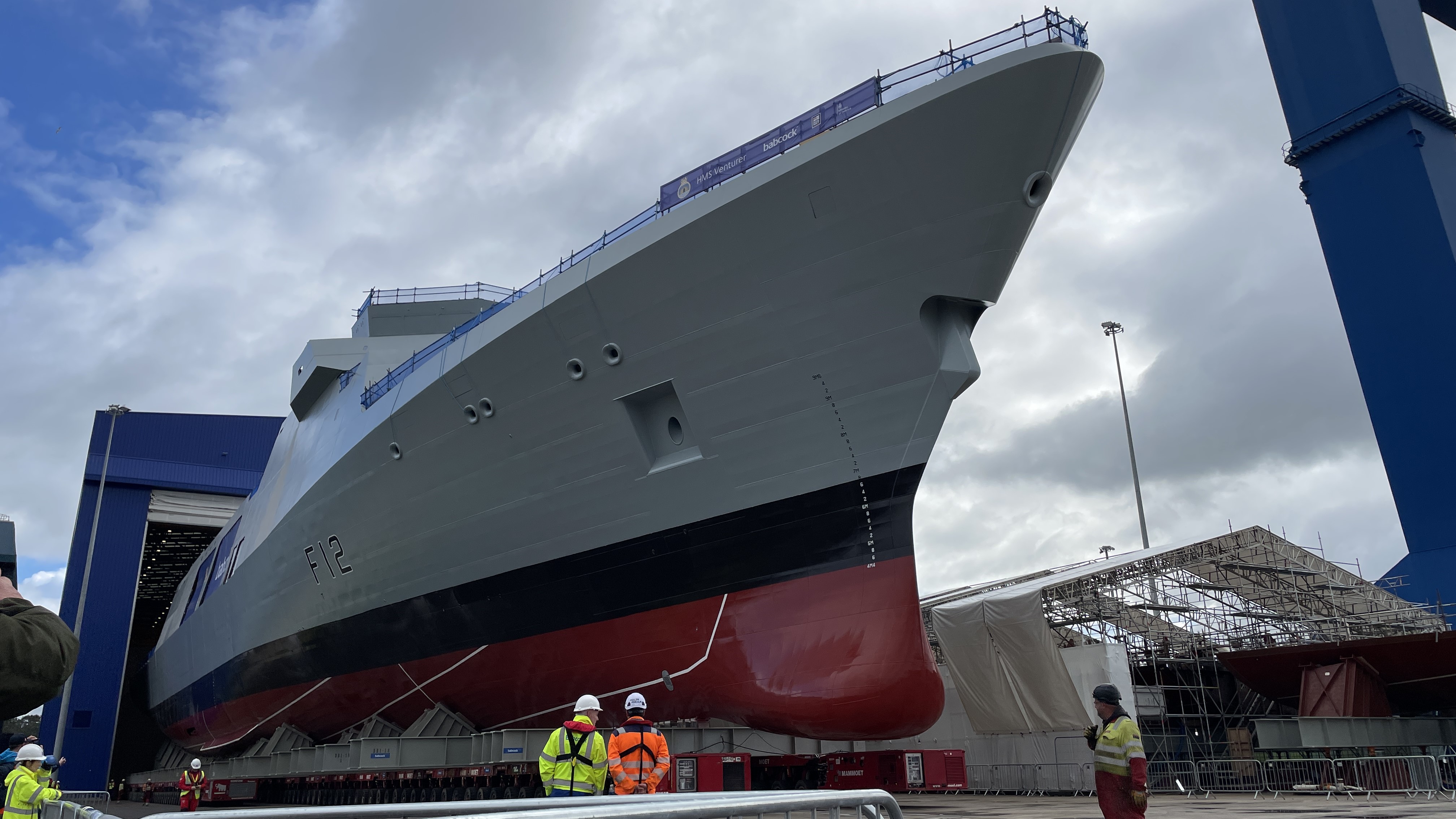
The Type 31 is a cost-effective ship – with production at £250m each – and it is on the larger side for a medium displacement frigate at 5,700 tonnes.
But this does give it the advantage of space – meaning there's room to upgrade the ship in future as well as spacious mission bays – keeping costs relatively low.
Its four diesel engines mean it can reach speeds of more than 26 knots and has a maximum range of 9,000 nautical miles – ideal for global deployments.
Former Royal Navy Commander Tom Sharpe said: "The Type 31, I've argued for some time now, might be the most important ship we're building because if you look at the hybrid Navy vision and the drive to uncrewed and autonomy, you've got to bridge that gap.
"You are still going to need lots of ships with men and women in them – that will never change, incidentally.
"This obsession with autonomy and high-end warfighting is good, and it's the direction of travel, but you still need grey-hulled ships and people in the middle and the Type 31 offers all of that and a huge amount of scalability over time.
"It reminds me of the Type 23 – it was a very hollow ship when we made them and we stuffed things in there over time and made it extremely capable.
"We could do the same with the Type 31, but we've got to have more than five.
"It's got tremendous mission bays, it's got a decent flight decks – really good for drone ops and essentially running the sorts of tasks that the Batch 2 OPVs are doing now, but with a proper gun and all that good stuff."
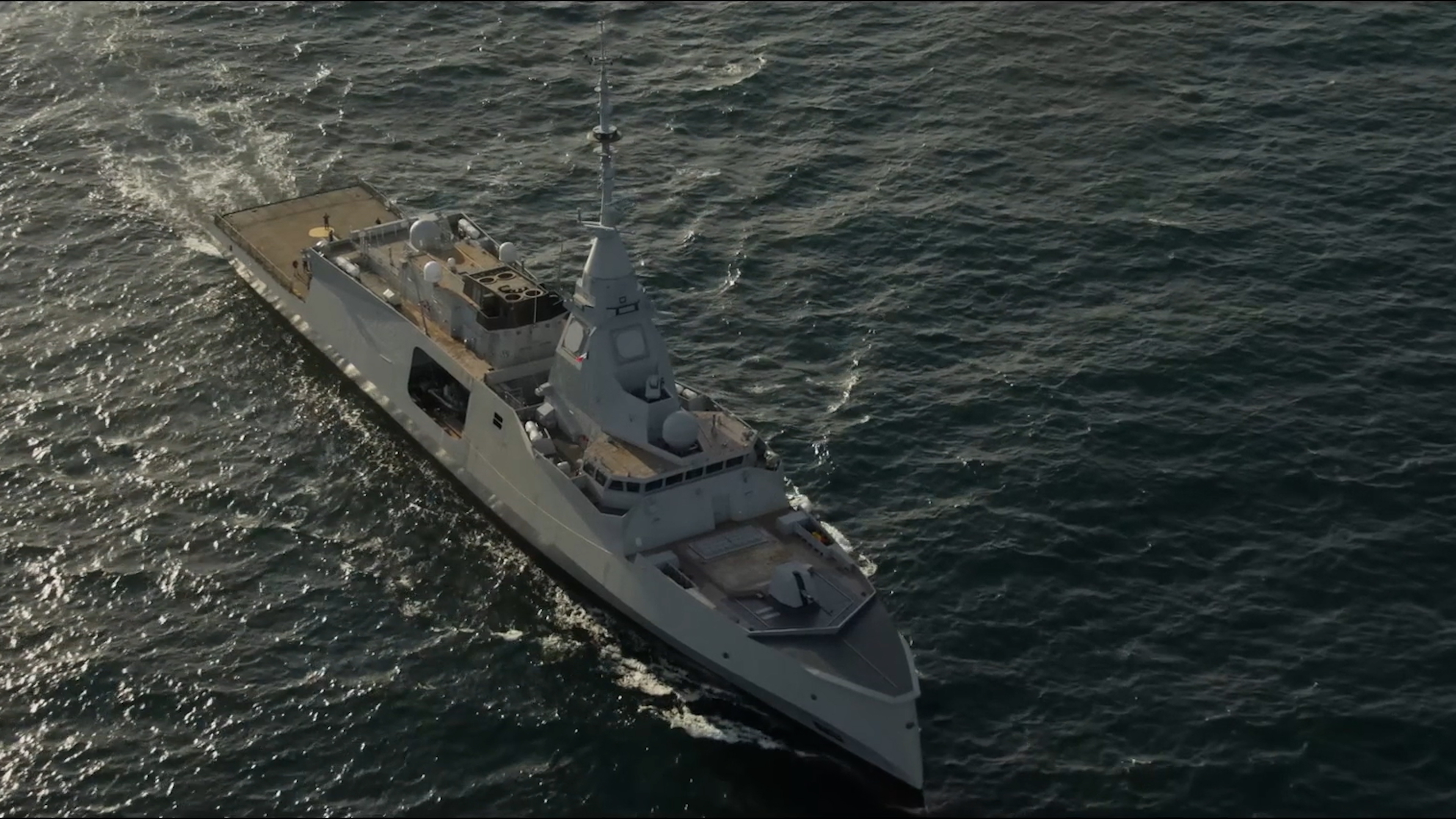
The FDI is a more condensed vessel and is smaller at 122 metres long and 4,500 tonnes but it packs a lot into a tighter space.
Its inverted bow is intended to improve functionality in rough seas and improve fuel efficiency as well as higher speeds.
But at a maximum range of 5,000 nautical miles – it is less suitable for global deployments than the Type 31.
It's also more expensive and will cost at least £630m per unit depending on how its equipped.
"The FDI is a good ship, but it feels a little bit Type 23-esque, in so far as it's trying to pack an awful lot into a fairly small hull," Mr Sharpe added.
"One of the reasons the Type 31 and the Type 26 are as big as they are is because the Type 23 taught us, and the Type 42 probably, the destroyer before our Type 45, taught us to the nth degree that you run out of space very quickly.
"You need a certain size of hull.
"You look at the Arleigh Burke. I mean, that is an almost unrecognisable ship from the Flight 1 early derivative and it's because they had the space to do it at 9,000 tonnes or whatever it is.
"So you've got to make these things bigger.
"The FDI's, I think, its fatal flaw over time will [be] it won't be able to develop and expand and take on new systems.
"Let's say you design an entirely new towed array. We did that with the 23 and we shoehorned in the Type 287, but only just."
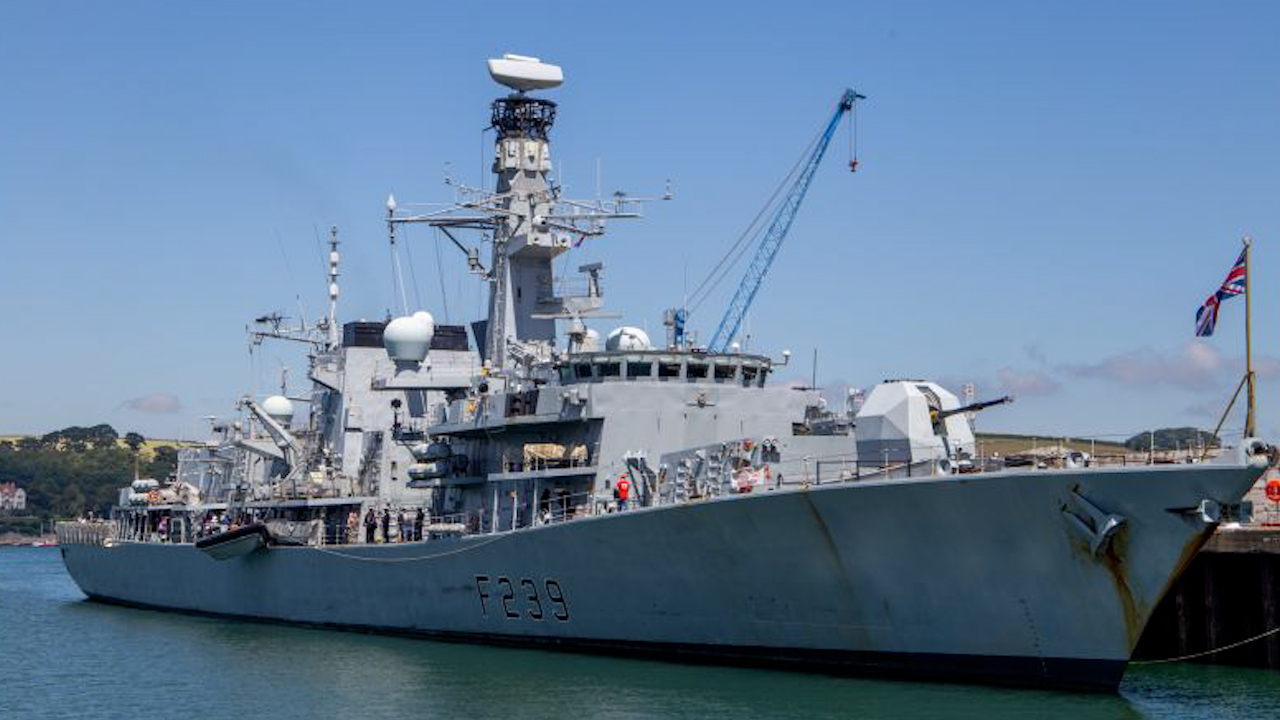
So, each is a different take on a modern frigate.
The Type 31 offers more opportunities to adapt and upgrade over time while the FDI is smaller but packs a punch – cramming more into its compact hull to maximise lethality.
Mr Sharpe said: "It does feel like it's trying to do quite a lot in one small platform. I think it's capable of doing quite a lot.
"It's clearly slightly more expensive, it's ready now – is it the best long-term solution over the next 30 years?
"No, I'm not sure that it is."
He went on: "I think this is where the Arrowhead 120, that's a bit smaller than the 31, may have offered more flexibility over time, slightly fewer people on board, which these days is always important, slightly better endurance.
"The FDI is a good ship now – will it still be good in 30 years? Question mark."
Related topics
Join Our Newsletter