Royal Navy orders 20 uncrewed boats in £12.3m push towards hybrid fleet future

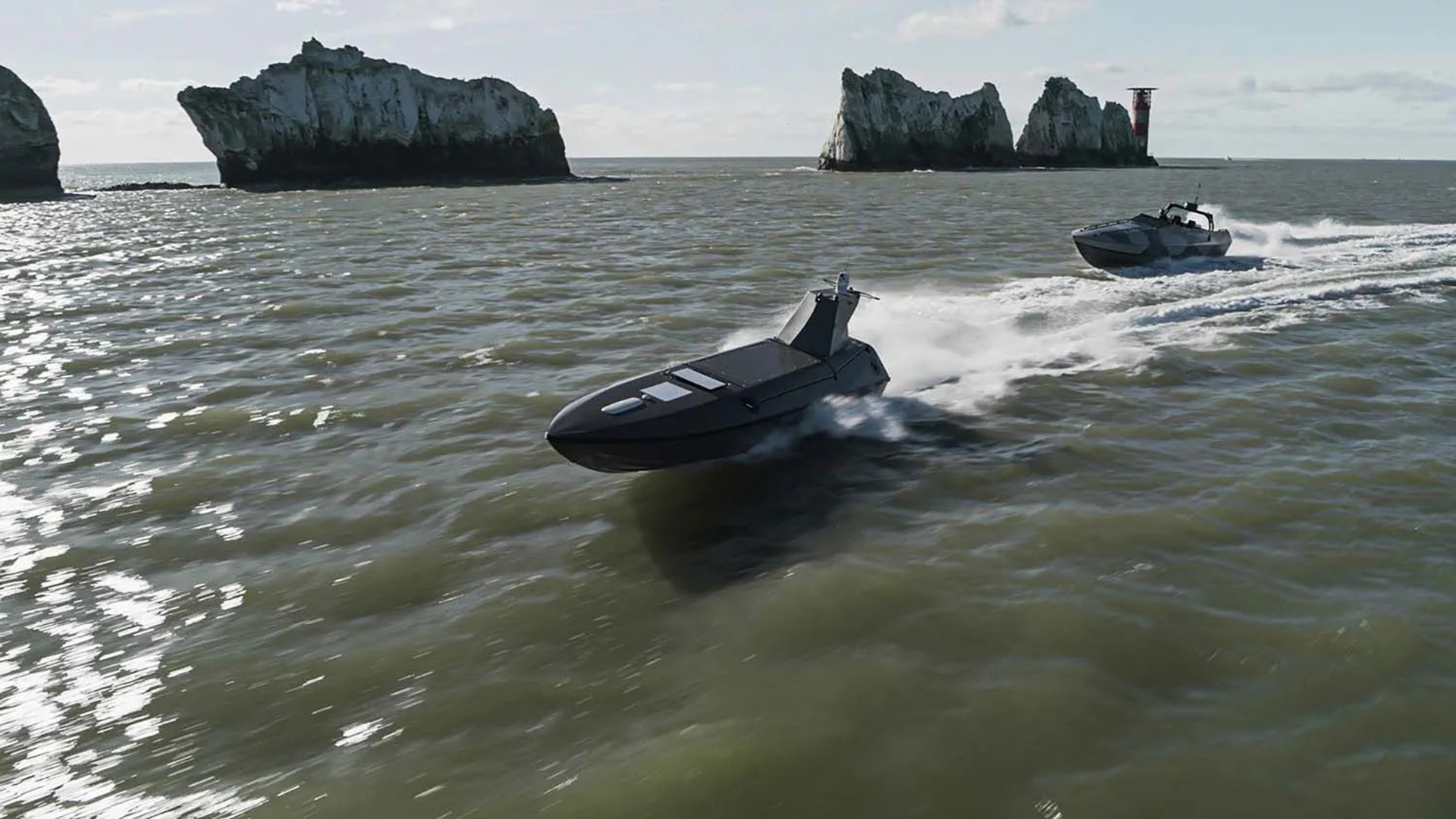
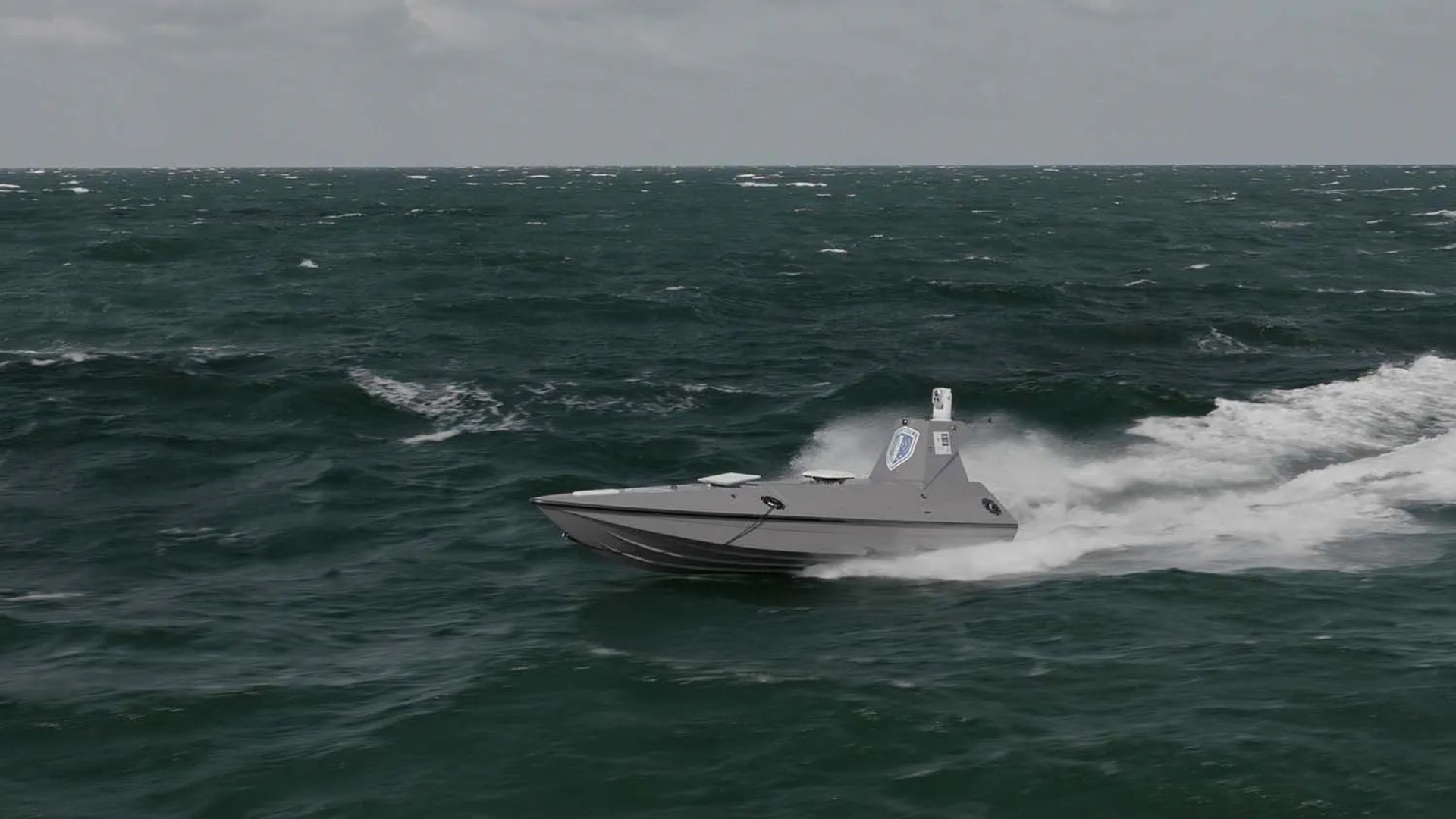
The Royal Navy will spend £12.3m on 20 uncrewed boats as the Senior Service looks to build on its ability to combine both crewed and uncrewed forces.
Kraken Technology Group, a UK company with expertise in designing and building uncrewed surface vessels (USVs), won the contract.
The Coastal Forces Squadron and 47 Commando Royal Marines will use the fleet for operations, training, and development activities to help lay the foundation for greater use of autonomous and uncrewed technology.
Hybrid Navy
"The Royal Navy's investment in uncrewed surface vessels marks a significant milestone in our journey towards a Hybrid Navy," Second Sea Lord Vice Admiral Paul Beattie said.
"By integrating cutting-edge autonomous technology with our existing capabilities, we are ensuring that our forces remain at the forefront of maritime innovation and warfighting effectiveness."
The maritime service is trying to speed up its transition to becoming a Hybrid Navy, which pairs traditional vessels like frigates alongside uncrewed vessels and other autonomous equipment and drones.
Last year, the Navy unveiled a new hybrid naval force, Atlantic Bastion, to protect undersea cables and pipelines from Russia.
The programme was created after a resurgence in Russian submarine and underwater activity, as the Government said that there had been a 30% increase in Moscow's vessels threatening UK waters.
Project Beehive
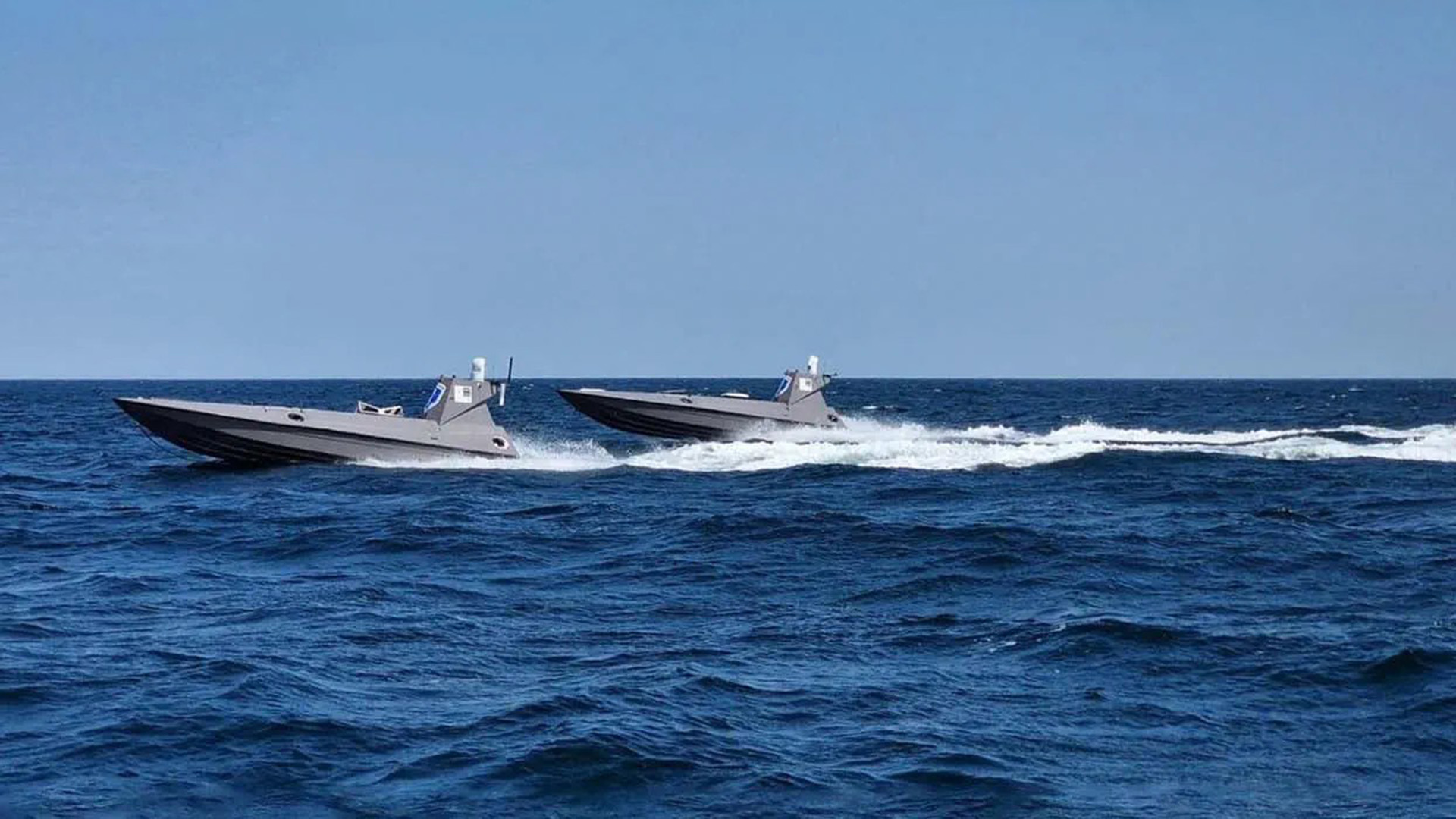
The purchase of the vessels is part of the Navy's Project Beehive, which will deliver a platform to act as a proving ground for future Hybrid Naval technologies, while also providing an immediate operational capability.
"Project Beehive is an exciting step on the Royal Navy's Hybrid Navy journey," the Royal Navy's Captain Adam Ballard said.
"It takes experimentation conducted by our Disruptive Capabilities Team and immediately brings their learning through into operations, proving our ability to rapidly take new technology and adopt it.
"The Kraken USVs will open architecture for rapid integration of new capabilities our warfighting edge over our adversaries."
Capt Ballard added that the Royal Navy and Royal Marines are currently under training and that the USV will be operational in the next few months.
"We are building the Royal Navy of the future right now in the face of threats seen around the world," Defence Readiness and Industry Minister Luke Pollard said.
"Autonomous vessels will complement our world-class warships, protecting UK waters and helping keep sailors safe on global deployments."
Kraken
Kraken, which was founded five years ago, has worked with the Ministry of Defence, Nato and Task Force-X (Baltic).
"We are delighted to partner with the MOD to support the Royal Navy's mission to transform to a hybrid fleet," Mal Crease, Kraken Technology Group's founder and chief executive officer, said.
"The award of Project Beehive is a major validation of our maritime capabilities and our ability to enhance maritime defence through the introduction of disruptive technologies."
The Royal Navy has significant experience in autonomous underwater vehicles and has been trialling remotely operated surface craft for the past few years.
A recent exercise in Scotland saw remotely-controlled vessels watch and escort a ship acting as a contact of interest.
Sailors and Royal Marines on experimentation ship XV Patrick Blackett piloted the vessels as they sailed 500 miles away.
Related topics
Join Our Newsletter