Is the war horse set to make a comeback? Army moots possible operational role

The last cavalry charge in British Army history took place in 1917, and while horses are unlikely to be used in combat this way again, they could be making an operational comeback.
Members of the Estonian Defence League, a voluntary national defence organisation, set up a small mounted unit – arguing that their horses could traverse rugged, muddy or snowy terrain that their armoured vehicles simply could not.
Back in the UK, the Army took note and following the example set by the Estonians, decided to integrate horses into one of its recent exercises.
Ceremonial versus practical
Troopers from The Household Cavalry Mounted Regiment are used to riding horses as part of their ceremonial duties, but this time they staged a mounted navigation exercise as part of the Princess Elizabeth Cup.
The usual aim of the annual competition is to find the best turned-out soldier and horse.
The Princess Elizabeth Cup dates back to 1949 when the then-Princess Elizabeth, later Queen Elizabeth II, proposed the idea for the Richmond Horse Show.
But this year the Cup went beyond its ceremonial roots, with the soldiers having to find their way on horseback across the challenging terrain of Barossa Training Area at Royal Military Academy Sandhurst.
The competitors had to locate targets across difficult ground while staying in control of a powerful, sometimes unpredictable, animal.
And this was done the old-school way – using only a map and a compass, with any GPS or other digital aids forbidden.
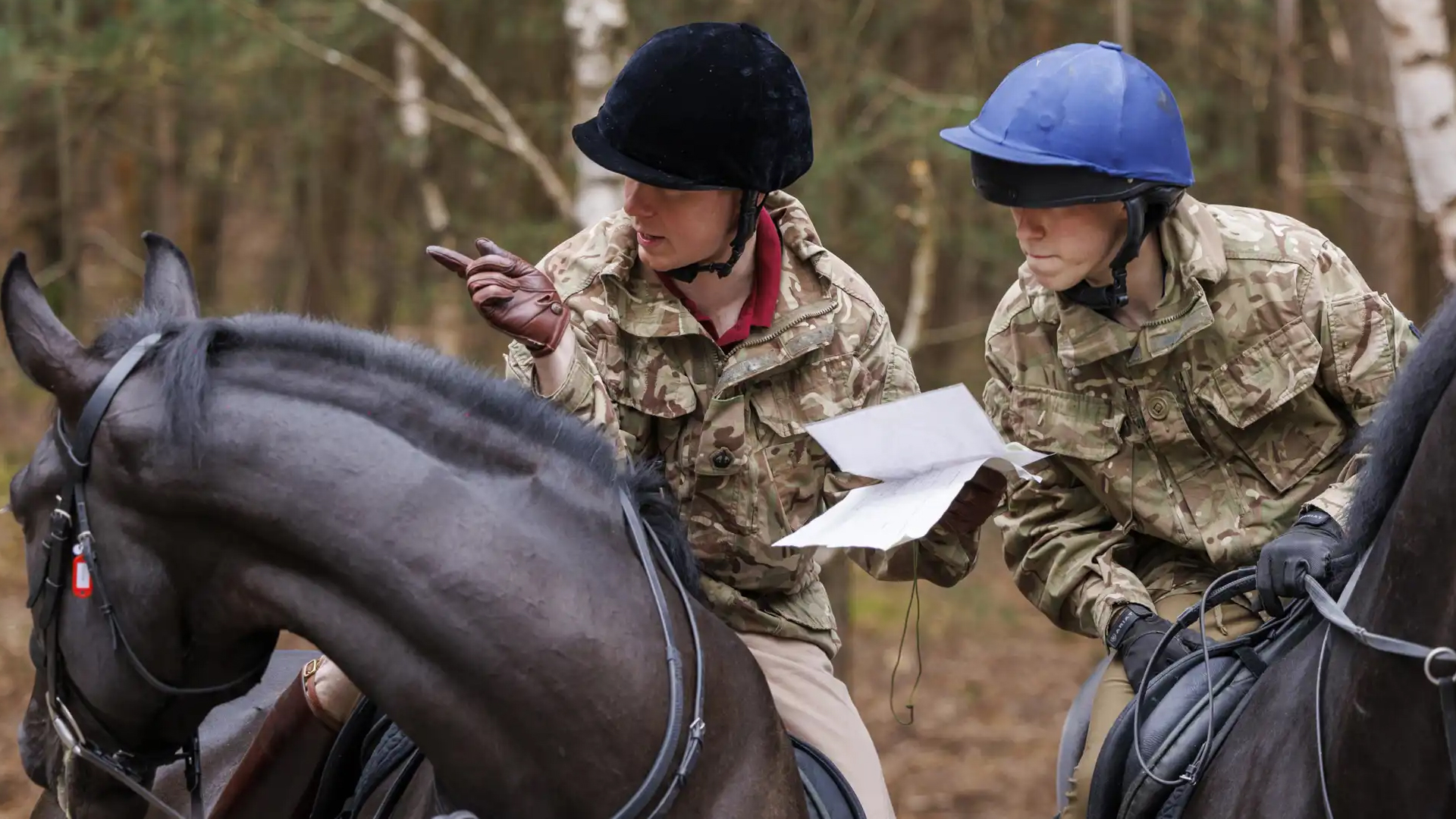
Taking a map while in the saddle
One of the competitors, 18-year-old Trooper Speirs, had never ridden off a road or pavement before.
He was representing The Blues & Royals and was so keen to take part that he cut short his leave to be there.
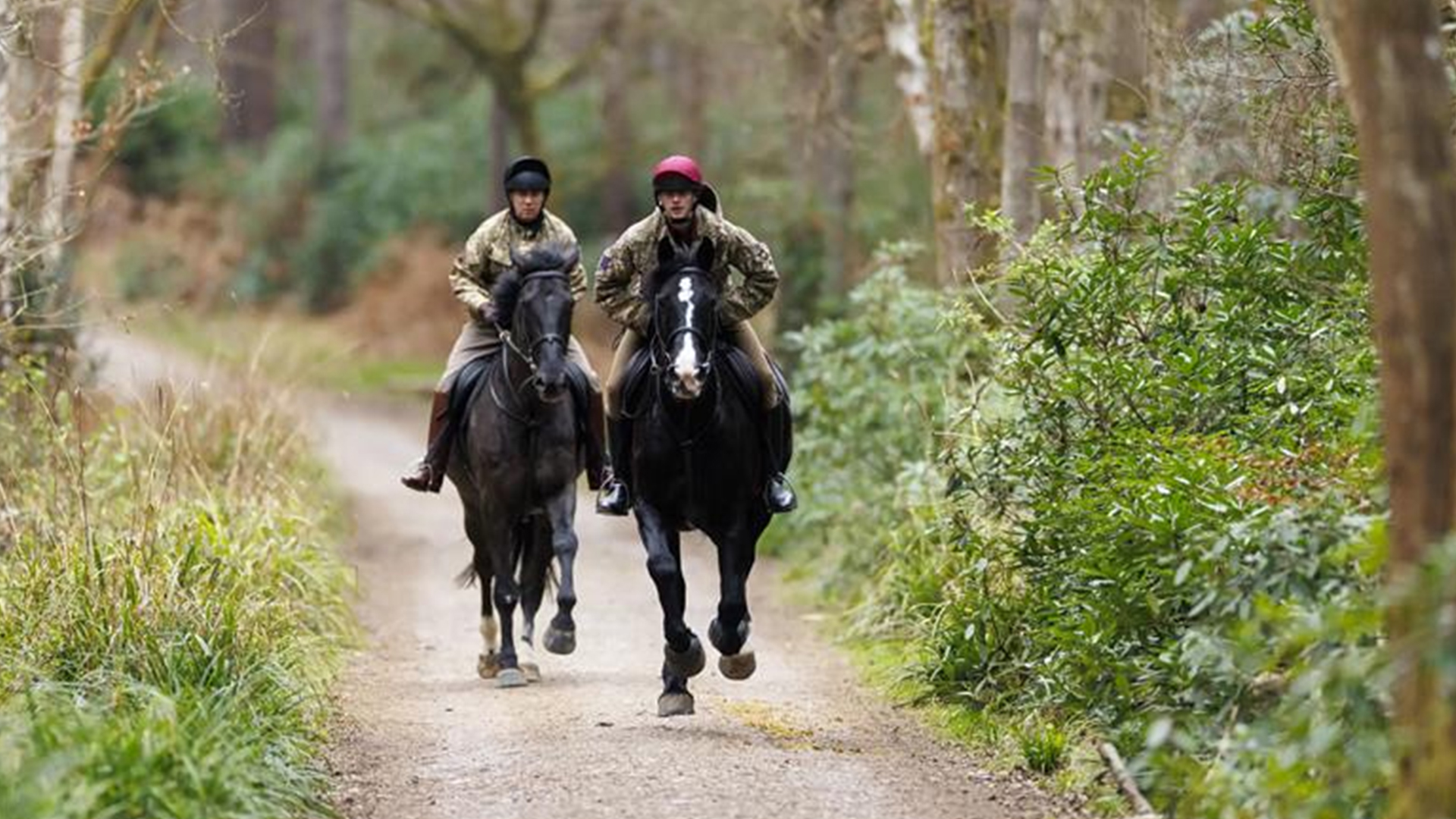
"It was incredible to ride through the woods, especially at speed!" he said.
"My horse Passchendaele is really fast – he spooks at a lot of things. Some signs swinging in the wind had him rearing up, but I stayed on and kept going.
"Reading a map while trotting though is really hard!"
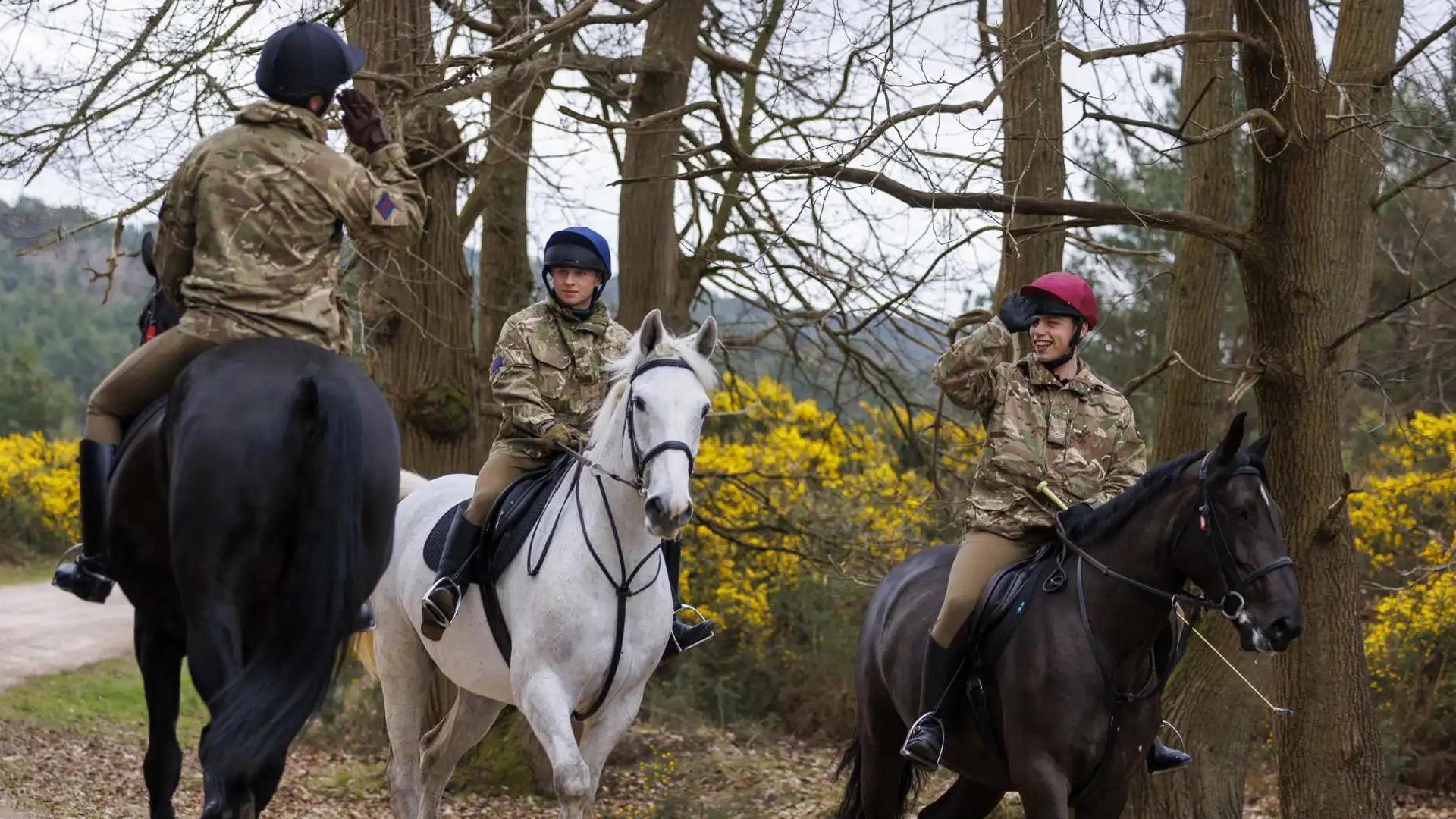
Keep calm and canter on
"A cavalryman is platform-centric whatever that platform is – a horse or an armoured vehicle," explained Lieutenant Colonel Ben McNeil, the regiment's Commanding Officer.
"If you can navigate while riding an unpredictable, powerful animal, you're exercising every part of your brain at once.
"And if you can keep calm in all that chaos you can be a formidable force to reckon with, whatever the context."
The days of the cavalry charge are over – but the lessons learned from the Estonians and the exercise on Barossa Training Area illustrate how it could fulfil a wartime role
Pack animals have already been used by allied forces in the mountains of Afghanistan and in the Balkans.
Lessons learned from Ukraine and the Middle East have also shown how modern warfare demands creativity and adaptability.
And should the terrain demand it, the Army said the cavalry would be ready.
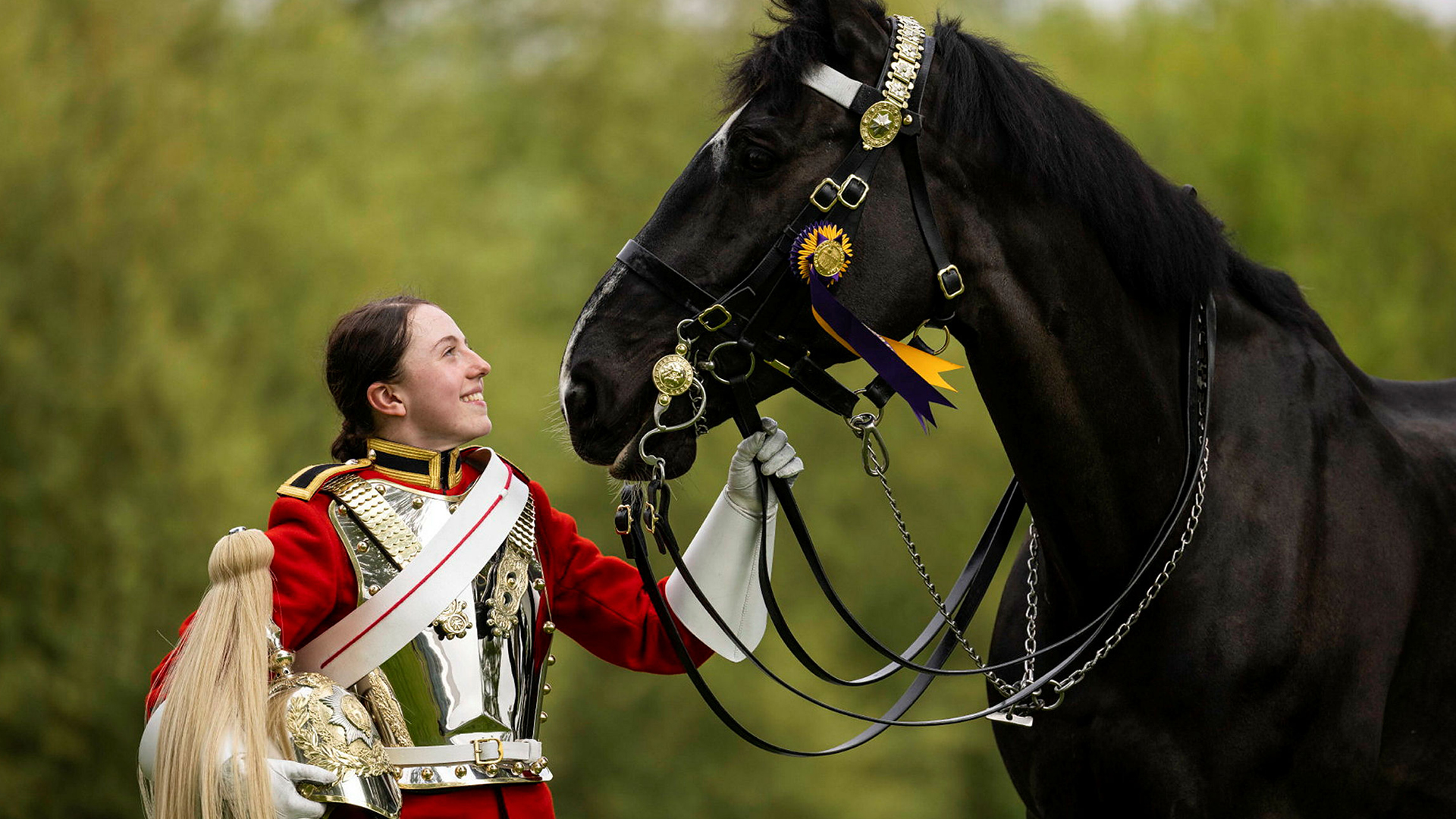
Changing with the times
The 77-year old Princess Elizabeth Cup competition has been updated to reflect what the modern Army actually needs.
Soldiers are now tested on fitness, marksmanship, navigation and combat resilience – not just their riding and ceremonial skills.
This year's winner will receive a silver cup from the King himself at the Royal Windsor Horse Show in May.
Join Our Newsletter