The section attack: The six steps to success when the British Army engages the enemy
The section attack forms the foundation of all British Army warfighting.
Soldiers practise drills endlessly, day in and day out, in all weathers until they're masters of the infantry tactic.
Sections form the building blocks of the platoon and eventually a whole company – and if ambitious privates plan to promote their way through lance jack to corporal and lead their own section, they must be experts.
Who's who in a British Army rifle section
A corporal leads a section of eight to 10 soldiers and most of them are privates in the early days of their Army career.
The group is broken down into two fire teams, Charlie and Delta, with a lance corporal acting as 2IC and leading Delta.
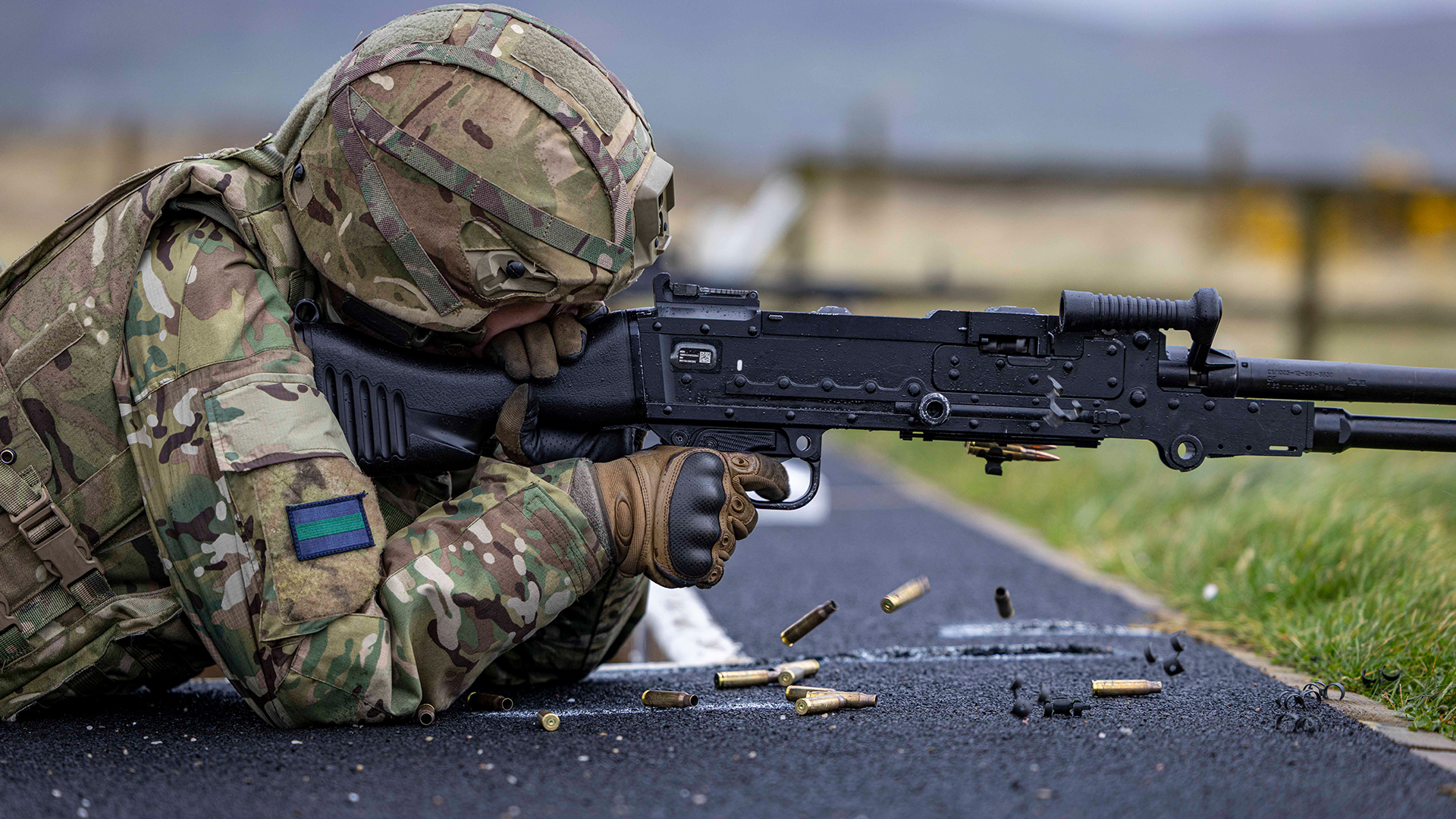
As infanteers, they carry a mix of the British Army's standard combat weapon, the SA80 L85, the Sharpshooter designated marksman rifle and the General Purpose Machine Gun.
Within days of starting basic training, recruits begin learning and practising how to respond to enemy fire and attack their position.
There are six section battle drills.
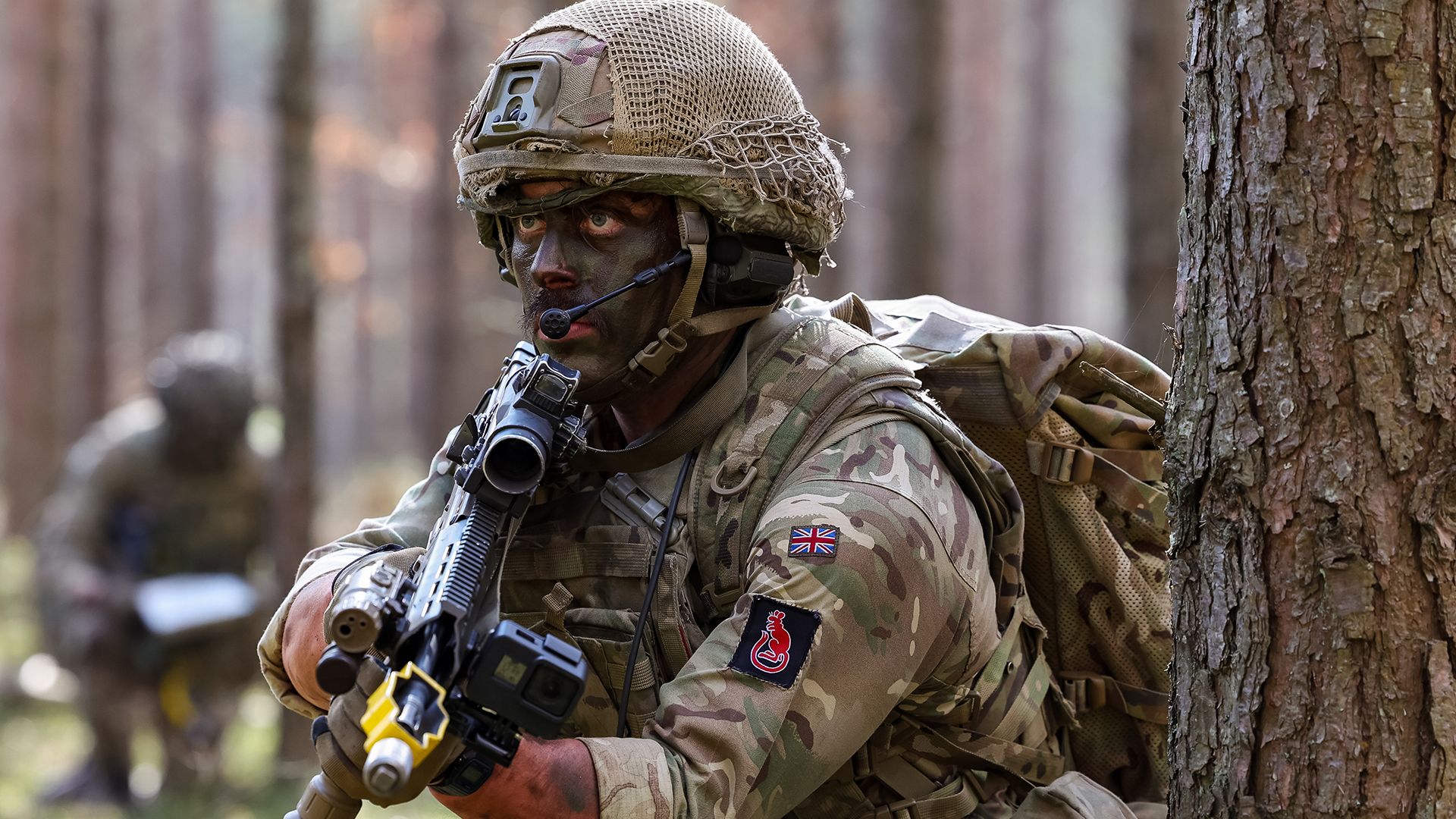
Drill 1: Battle preparation
The section has to be ready to defend itself and, if necessary, attack the enemy.
Soldiers follow the simple but memorable mnemonic, PAWPERSO.
Protection on all sides, Ammunition distributed with 2 IC responsible for spares, Weapons ready, Personal camouflage for the environment, Radios tested, any Specialist equipment sorted and Orders given.
Drill 2: Reaction to effective enemy fire
Coming under effective enemy fire, each rifleman carries out the RTR drill.
They quickly Return a mass of fire in the general direction of the enemy and Take cover to protect themselves.
Now more secure, they can Return accurate and appropriate fire toward the target while the section commander sends an initial contact report and chooses whether to attack or withdraw.
Drill 3: Location of the enemy
Scanning the battlefield, the section looks out to locate the enemy by looking for anything that gives away their position.
Once found, whichever rifleman sees the enemy gives a target indication to the rest.
This can be using Arc of Fire, Reference Points and Target Marking, plus other methods.
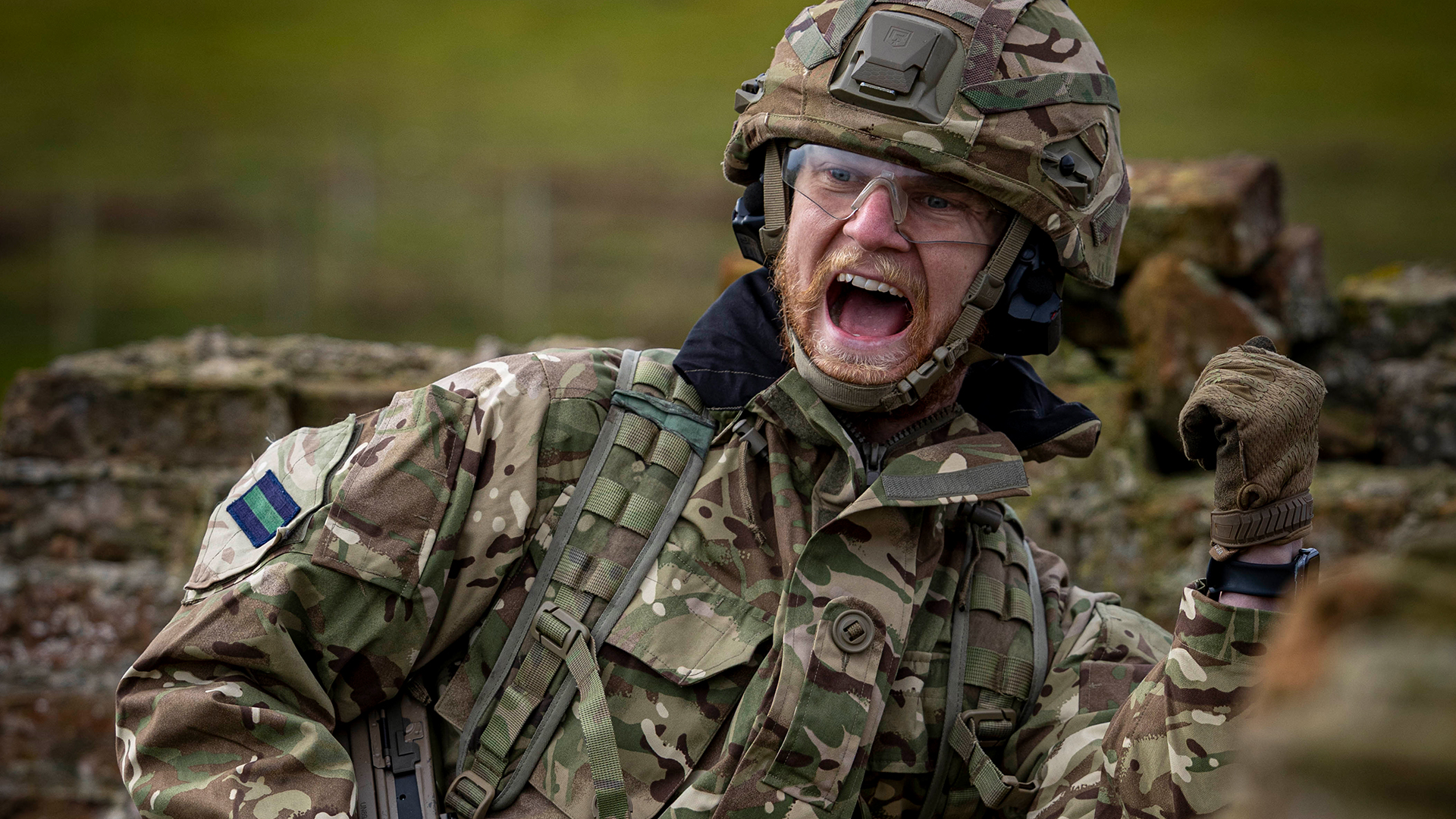
Drill 4: Suppression of the enemy
Once the enemy is found, the section commander issues a fire control order using GRIT and CLAP.
They identify the Group they want to open fire, the Range to the position, the Indication of where the target is and the type of fire to use: rapid, deliberate, or watch and shoot.
It should be Clear, Loud, issued as an Order and punctuated with Pauses.
The section commander can also order the full section to engage by shouting "section".
Drill 5: The attack
Ordering the 2IC to control the rate of fire, the section commander will assess the situation before delivering their Quick Battle Orders.
While one fire team suppresses, the other moves behind the section, preparing to flank the enemy from left or right.
When close enough, the fire team will destroy the position with grenades and sometimes bayonets.
Drill 6: Regroup or re-org
With the firefight won, the section needs to regroup and prepare to fight again.
It sets up a new defence, begins checking ammunition and casualties.
The section commander sends a contact report to the commanding officer and awaits the section's new orders.
Join Our Newsletter