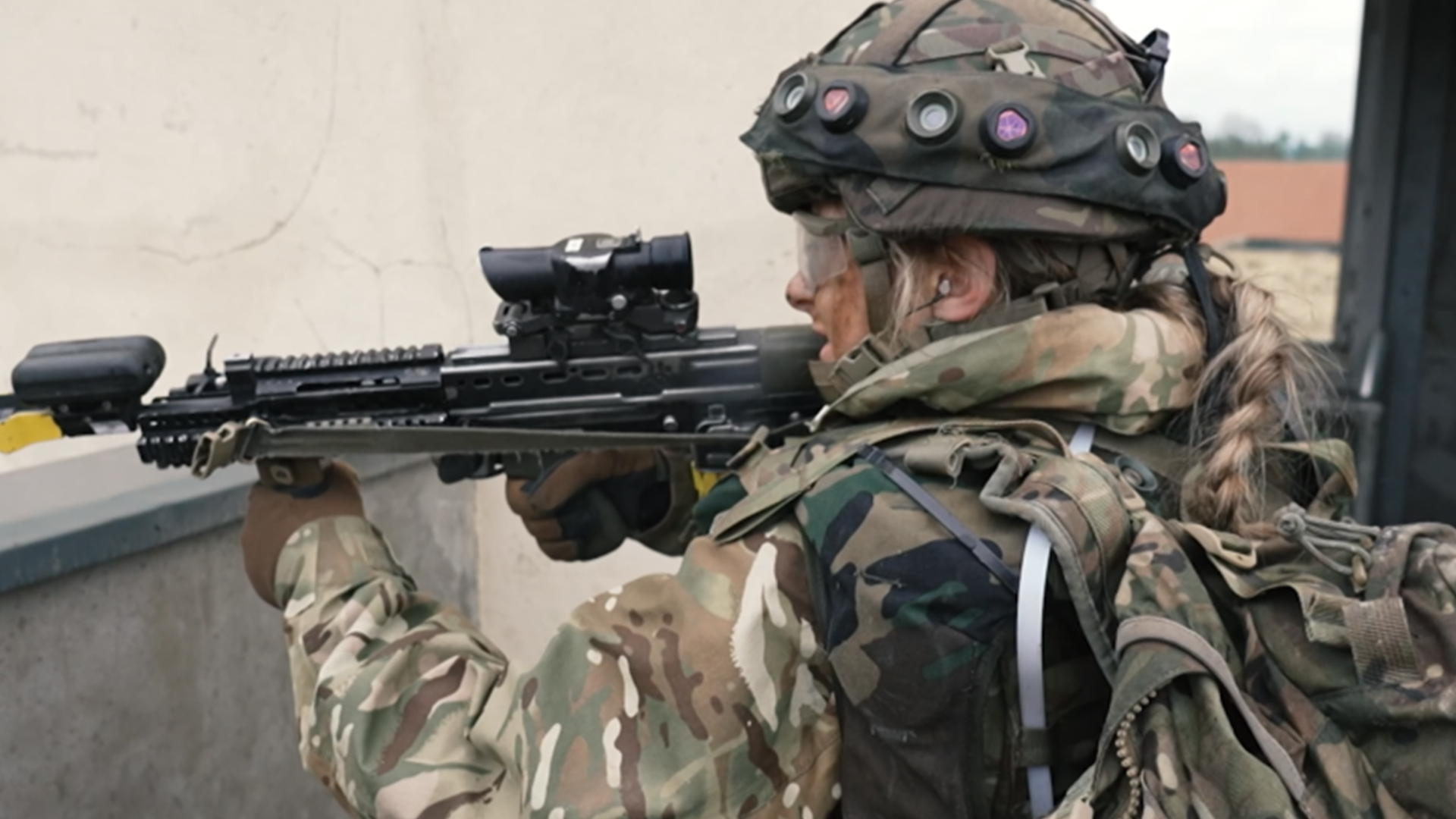
Fit for the fight: MOD spends 10 years and £20m researching women's bodies
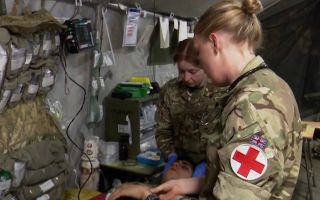
After decades of research on men, the MOD has spent the past 10 years and £20m to fund 66 individual research studies involving 22,000 data sets – to investigate the impact of arduous military training on women.
The problem became apparent when restrictions on women entering ground close combat roles was lifted in 2016. It was realised then that neither scientists, military commanders nor women themselves had any idea what the brutal training involved would do to women's bodies.
The huge 'data gap' between the sexes is not only seen in defence. In the past, most medical research was conducted exclusively on men.
- Warrior women and their contribution to the military through the ages
- How pioneering breastfeeding research by an Army paramedic could save babies' lives
- Women now in every rank of the British Army for the first time in history of the service
The lack of research on women – and having everything based on male data – left women at a huge disadvantage.
The conclusions of this study aim to enable women to train safely and most effectively in order to reach the same standards as men – through evidence based intelligence about the female body.
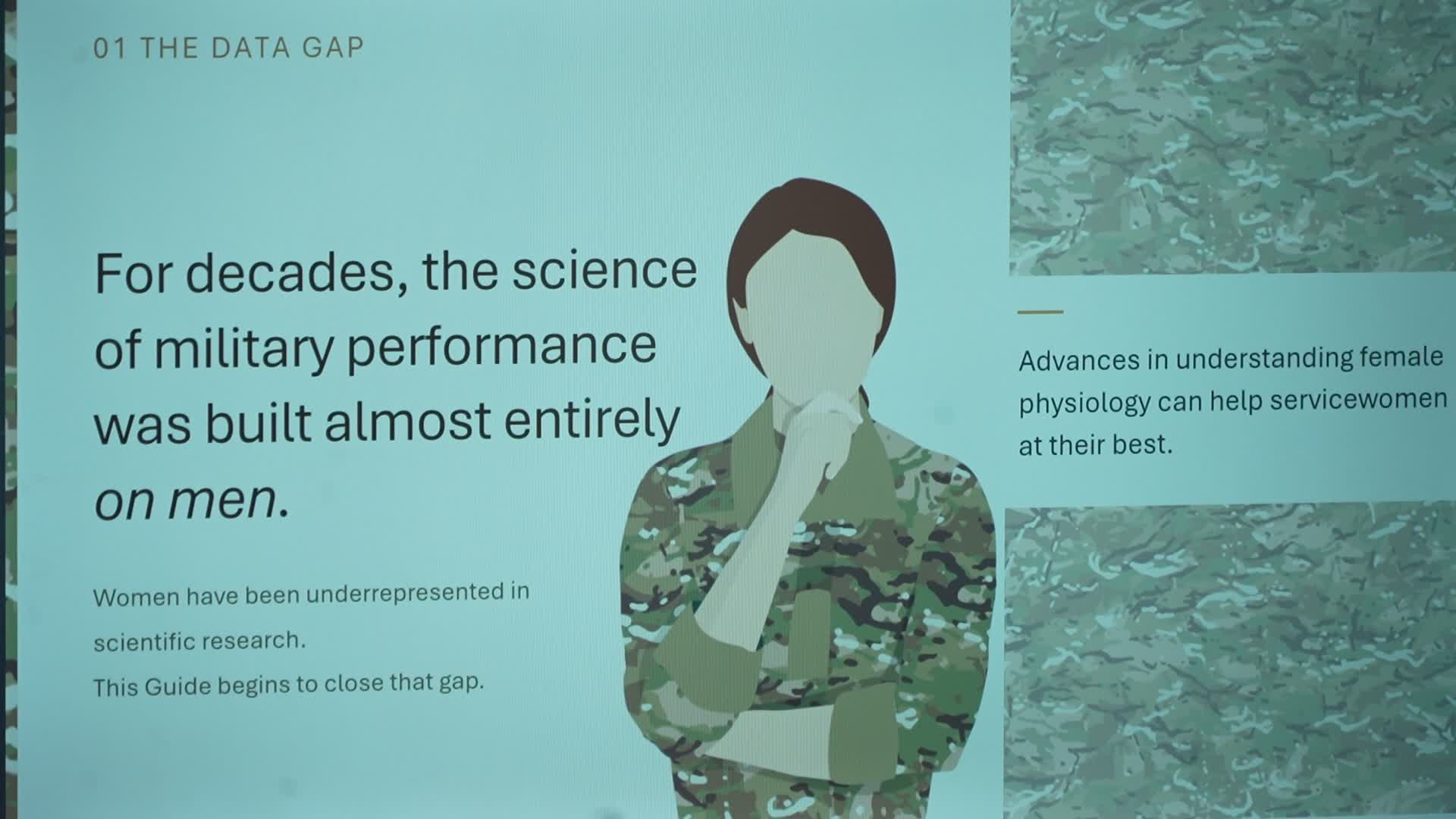
The research findings of all 66 studies have been turned into practical guidance compiled in what the MOD say is the world's first "Servicewomen's Arduous Training Programme".
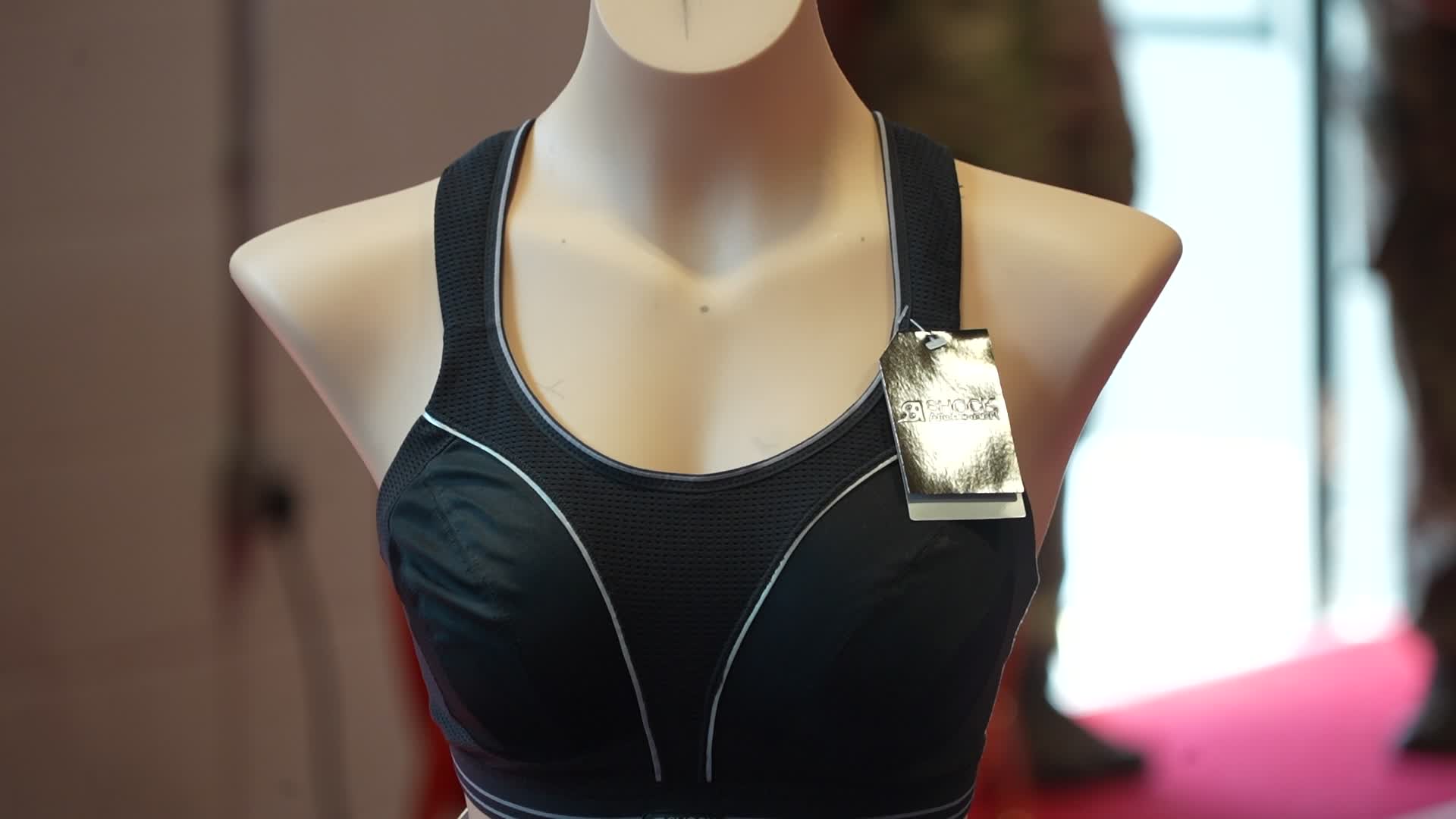
At 87 pages, it's longer than the Defence Investment Plan, and packed with information – from how the type of contraceptive you use might affect training, to sports bras, she-wees, how women should best distribute weight in their bergens, what to eat and how to sleep.
In short – as a woman – how to get the most out of your body.
"Women have been under-researched for generations and studies have relied on the male default," says Professor Julie Greeves – the Army's Principal Physiologist who has devoted the past decade of her life to this research that many say is leading the world.
"We know it on men and now we know it on women – to be a successful soldier you need muscle mass – you need lean muscle mass. And this is where women have the biggest disadvantage because they have lower muscle mass.
"So getting in the gym and lifting weights is really important to build muscle mass and women really respond – we've demonstrated that men and women both get the same relative strength gains when they go to the gym and lift weights, but women need to do it consistently, they're not going to get strong by accident. Men are naturally strong because of testosterone."
The guide was launched by Veterans and People Minister Calvin Bailey who said this would help retain more women in the Armed Forces because they could stop breaking them! "We learned to do it for men – now we'll be able to do that for women," he said.
"In 2016 we brought the first wave of women into the combat fighting arm," he said "and they have been fighting not only adversaries, but also themselves. This helps them not fight themselves."
When asked about women-specific kit, he said he was determined to close remaining gaps so these things stopped being a barrier to women's success.
What does the guide say?
The main advice is that performance should be built on specific, progressive training matched to the course or event, rather than generic fitness alone.
It emphasises three training pillars: endurance, strength, and load carriage, with injury prevention woven through all of them. It also covers nutrition, hydration, sleep, equipment, extreme environments, and hormone health as performance factors.
Three training pillars
Endurance training should usually be weight-bearing and military-relevant, like running or load carriage, with gradual progression over time.
Strength training should be done consistently, typically 2–3 sessions per week for at least 3–6 months, with multi-joint lifts such as squats and deadlifts.
Load carriage training should be introduced early and progressed slowly, because carrying heavy kit changes movement, increases stress on the body, and needs specific preparation.
Nutrition and hydration
For performance, the guide says women in military training often need about 3,100-3,500 calories per day, and sometimes more on field exercises.
It stresses adequate carbohydrates for fuel, at least 1.5g per kg per day of protein for recovery, and sensible fat intake rather than very low-fat dieting. It also lays out things like iron, calcium and protein requirements, their impact on performance and what to eat to get enough.
Hydration guidance includes drinking before, during, and after exercise, monitoring urine colour, and avoiding both dehydration and over-drinking.
Hormones and menstruation
A huge part of the guide is invaluable information on hormones. Prof Greeves said one of the most shocking findings was that just like elite athletes, one in four servicewomen experience cessation of periods during their career.
In summary?
The central message is: prepare early, train specifically, fuel properly, and recover well.
The guide is meant to help servicewomen build the fitness and resilience needed not just to
finish arduous courses, but to do well in them.
All the evidence is peer-reviewed science and arguably the most comprehensive investigation of serving women in the world.
The intention is this body of research will continue to be updated and will inform all kinds of future decisions relating to servicewomen in the UK.
Related topics
Join Our Newsletter