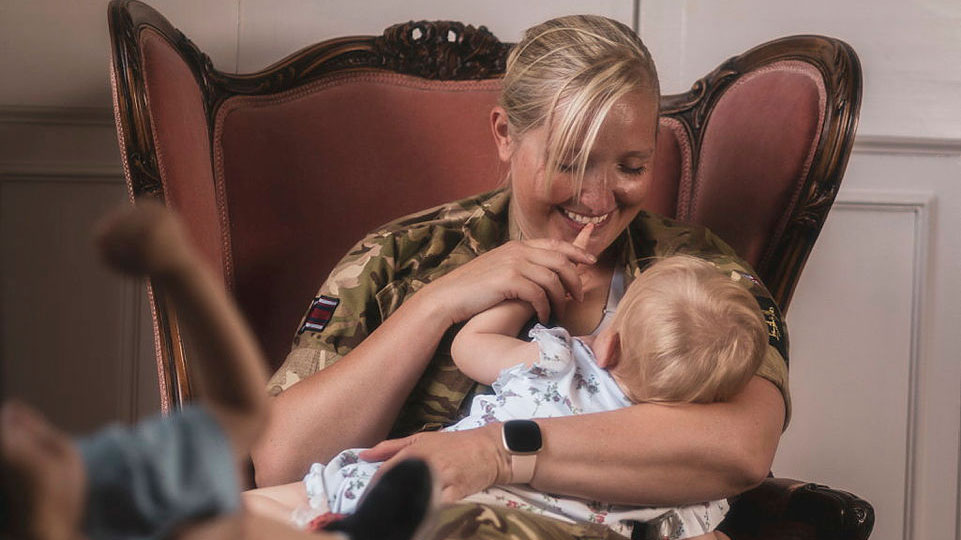
How pioneering breastfeeding research by an Army paramedic could save babies' lives
A British Army paramedic has spoken at a national conference about her experiences and research into breastfeeding that could help paramedics save babies' lives.
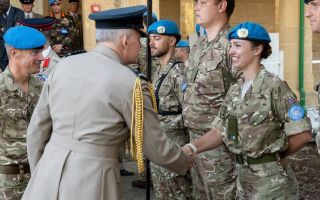
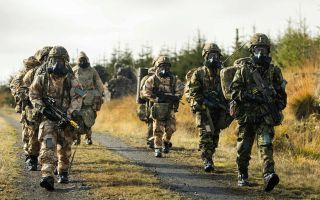
As she was deployed to Estonia on Exercise Spring Storm, providing emergency treatment and casualty evacuation of troops, a pre-recorded video from Corporal Natasha Day was shown at the Royal College of Paramedics National Conference at the International Convention Centre Wales.
Cpl Day is chair of the Defence Breastfeeding Network and a paramedic with 1 Armoured Medical Regiment, based at Tidworth Garrison in Wiltshire.
Filling a gap in paramedic knowledge
The soldier is the lead author of a yet-to-be-published research paper which she worked on with Lieutenant Colonel Hannah Taylor, also serving in the Army and a doctor by trade, Dr Georgette Eaton and Dr Jessica Wray, civilian PhD doctorates and paramedics, and Dr Elizabeth Kelly, a statistician at Buckinghamshire New University.
Of publishing a paper about her research into breastfeeding, the serving soldier said: "As a combat medical technician, I would never have dreamed I would be doing this.
"So, to potentially publish a paper next year as the lead author is incredible."
At the national paramedics' conference, Dr Wray presented the research paper on behalf of the group.
It focused on how paramedics in the UK support breastfeeding patients and their knowledge of breastfeeding.
Explaining what led to her interest in the topic, Cpl Day said: "During my newly qualified paramedic posting, the Army gave me to the NHS for two years and one day I came across a paramedic colleague who gave some ill-informed advice to a breastfeeding mother.
"It made me think, what are we teaching paramedics because, although the public may believe everything paramedics say because we're supposed to be the subject matter experts, we can't know everything, we're not doctors."
Keen to make a change, Cpl Day began researching the issue and discovered there were several studies on doctors, midwives and health visitors' knowledge of breastfeeding but not a single study in the UK on paramedics.
And it is research that could potentially save babies' lives.
Aren't paramedics for emergencies, not breastfeeding?
Cpl Day says it's a common belief among the general population that a paramedic's role is simply to respond quickly in an emergency.
She begs to differ, explaining it is vital for paramedics to know if the mother is breastfeeding to help them better understand why a baby needs help.
If a baby is being breastfed while their mother is taking strong pain medication such as co-codamol, the child could suddenly become very sleepy or not feed very well – concerning symptoms for any parent.
She added: "Paramedics having the knowledge that mum shouldn't be taking co-codamol could save that baby's life.
"I'm hoping this research might change people's lives.
"If just one paramedic reads it and learns something from it, then people are going to benefit."
Changing military culture
Alongside her operational role, Cpl Day has been the chair of the Defence Breastfeeding Network for the last six years.
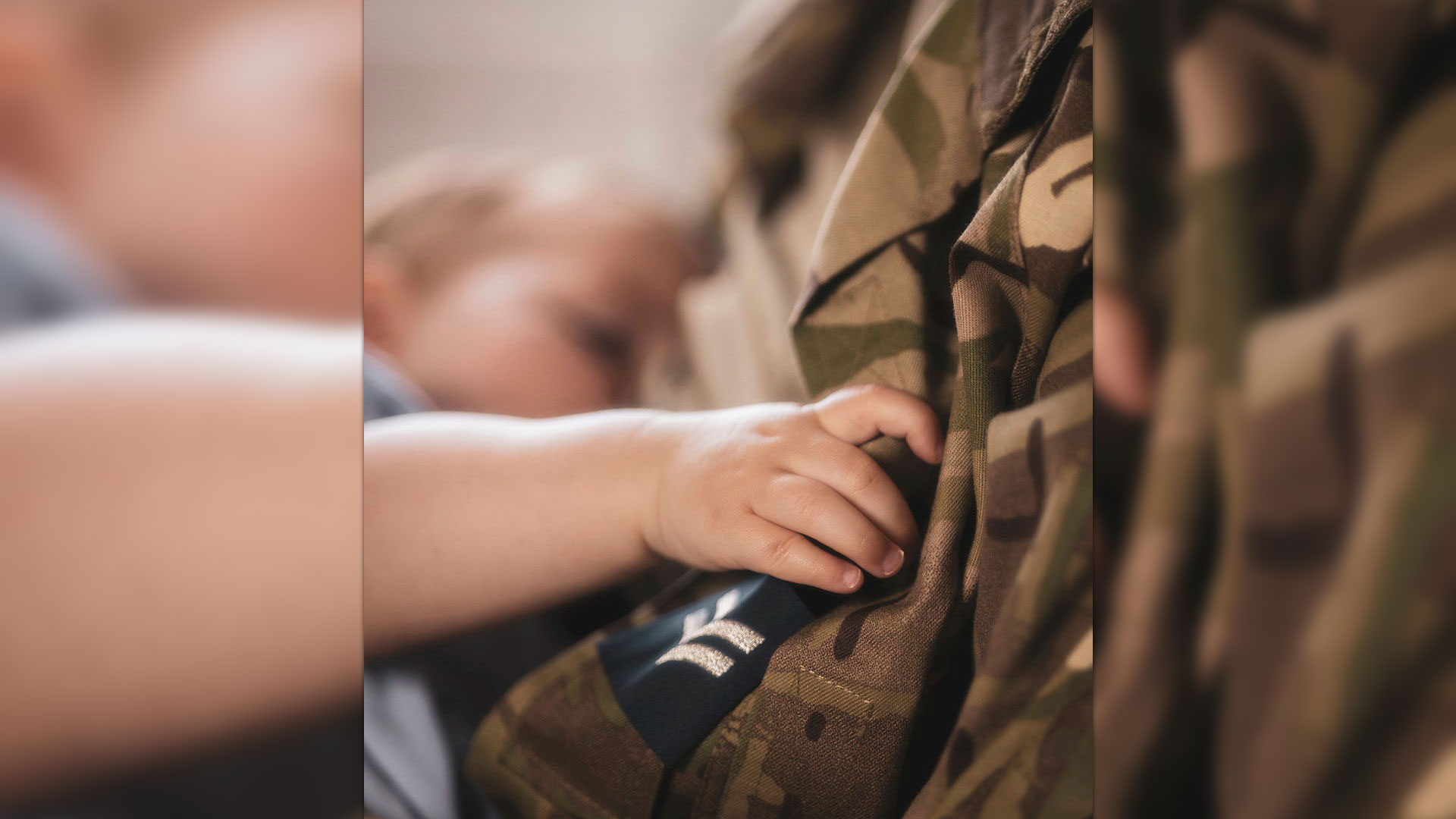
The network currently looks after 1,500 members and families across the Army, RAF, Navy, plus civil servants and partners of service personnel.
It has opened dedicated breastfeeding and wellness rooms across defence infrastructure with lockable doors, comfortable seating, access to electricity, fridge space and nearby access to running water.
She said: "The Army is very good at letting you have a baby then sending your partner on exercise somewhere.
"We look after the spouses if they are pregnant or breastfeeding.
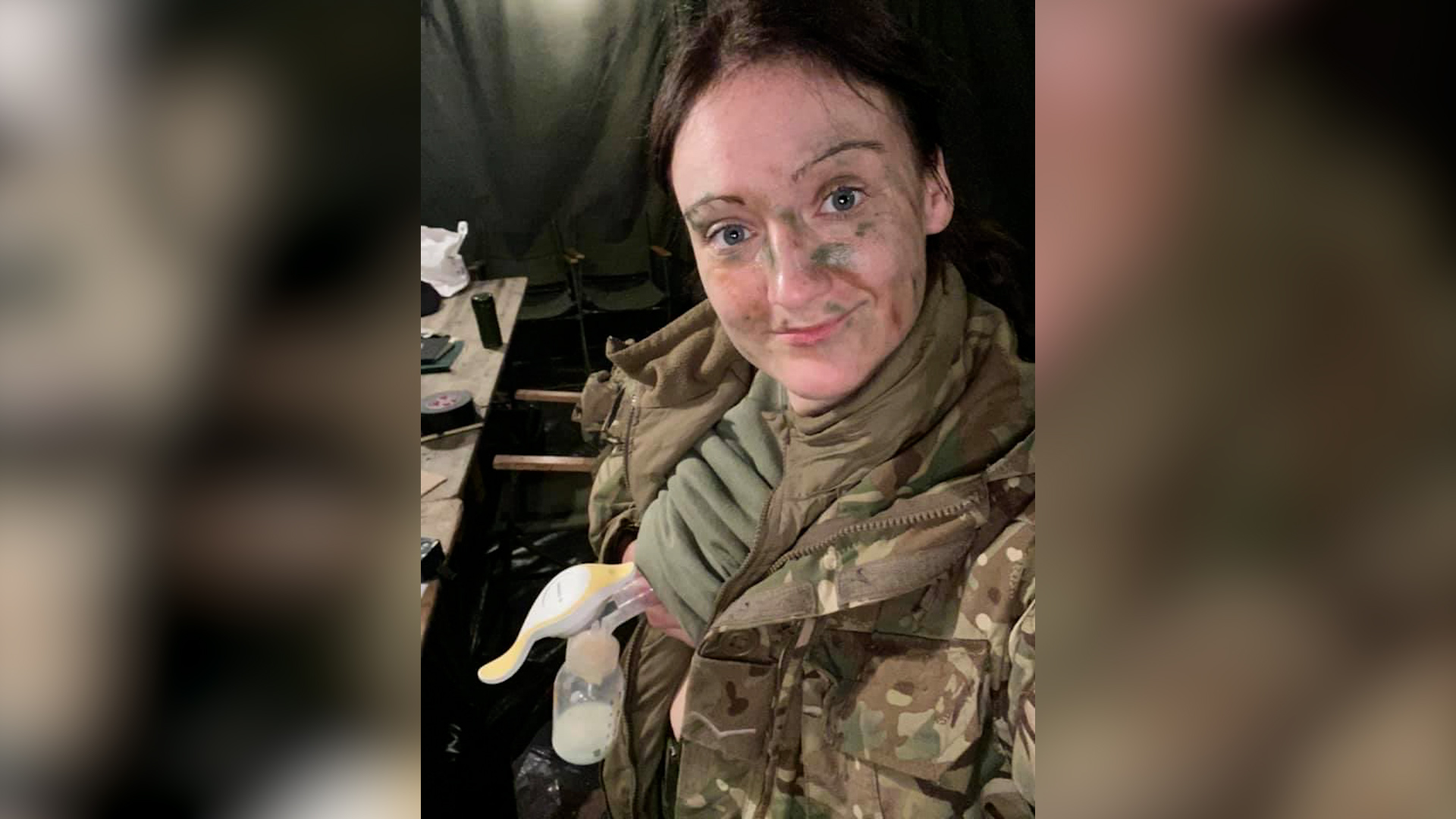
"When I went on my first exercise, nine months postpartum, I was still breastfeeding.
"I went out into the field with my pump, trying to be a mother and still be a soldier.
"Back then it still felt a bit taboo and embarrassing to tell people you're breastfeeding."
But, Cpl Day says the culture has shifted because the Army now has informed medical teams who can recognise common conditions associated with breastfeeding, such as mastitis, the painful inflammation of breast tissue.
Cpl Day is keen for military mums to know that being a mother doesn't mean you can't be an effective soldier.
The Armed Forces has always been about operational effectiveness and to do that the focus is on keeping service personnel, whatever their gender, fighting fit.
A shift in attitude
Cpl Day says she "can't even begin to comprehend" the changes she has seen since she founded the Defence Breastfeeding Network in June 2020.
Women feeling confident to tell their chain of command they are breastfeeding is a huge step in the right direction but, she says, not everything is perfect.
She said: "We are seeing more women return to work post-baby as they realise they don't have to stop breastfeeding before coming back to work."
The Defence Breastfeeding Network is trying to normalise women returning to work after six months of maternity leave without feeling the pressure to wean their baby off from breast milk to formula.
She said: "You can come back and continue if that's what you want to do."
But, she says, there also isn't the 'breast is best' pressure that many mothers experience.
Reassuring military mothers they believe in 'fed is best', Cpl Day says: "We are also there as a network to support people if they don't want to carry on breastfeeding and we'll help them stop."
Related topics
Join Our Newsletter