Bulldog spirit: From Basra to the Donbas, Britain's ageing APC continues to battle on
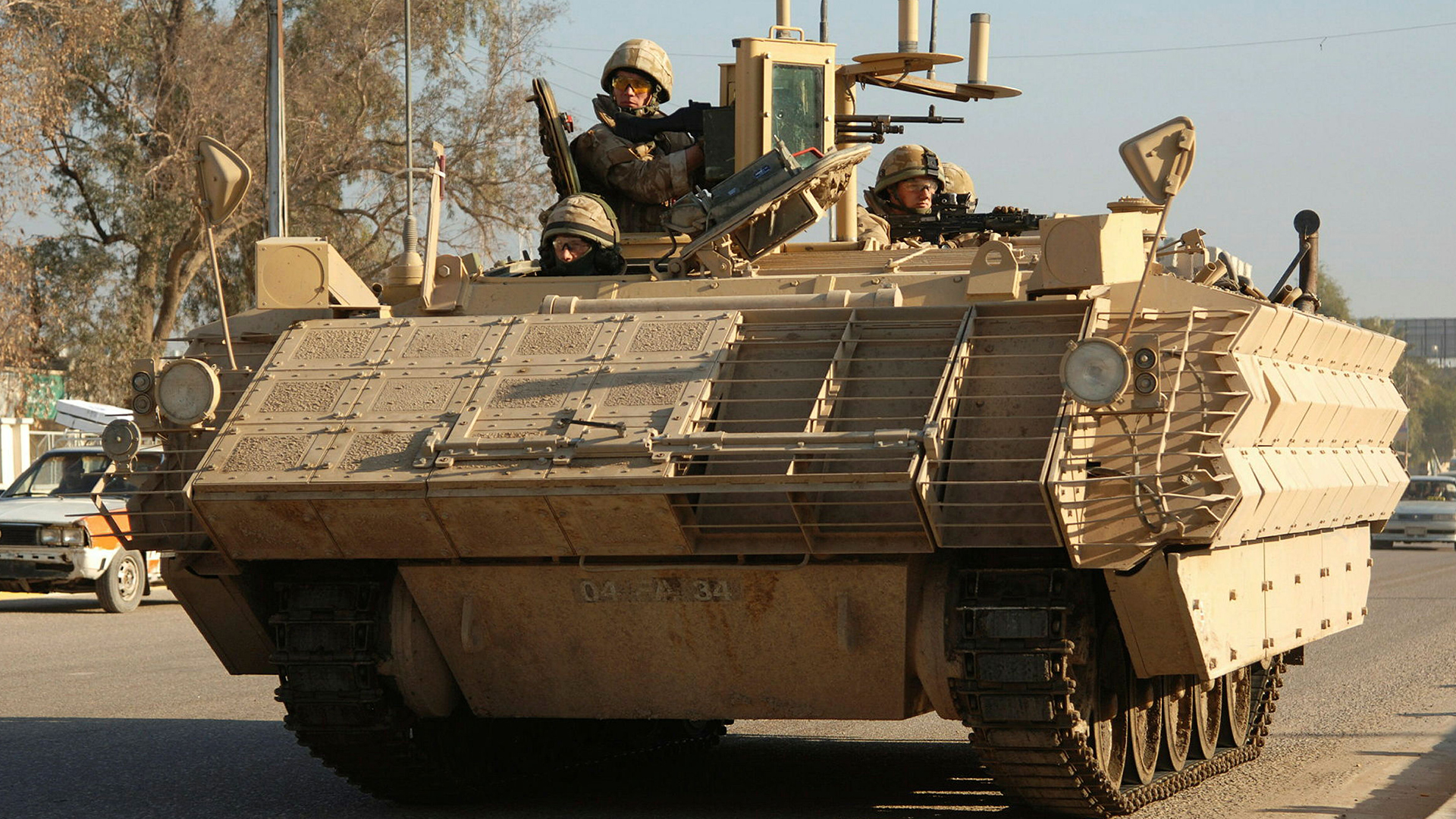
British-made armoured vehicles that once served in Iraq and Afghanistan are now back on the battlefield – this time in Ukraine.
Since Russia's full-scale invasion in 2022, the UK has supplied Kyiv with around 200 such vehicles – and BFBS reporters Simon Newton and Hannah King headed out to eastern Ukraine to see some of them.
Among those handed to Ukraine are dozens of FV432 armoured personnel carriers, tracked vehicles first introduced more than 60 years ago, and a familiar sight to generations of British soldiers.
Cold War warrior still in service
Now, in eastern Ukraine, they are being used in a very different kind of war.
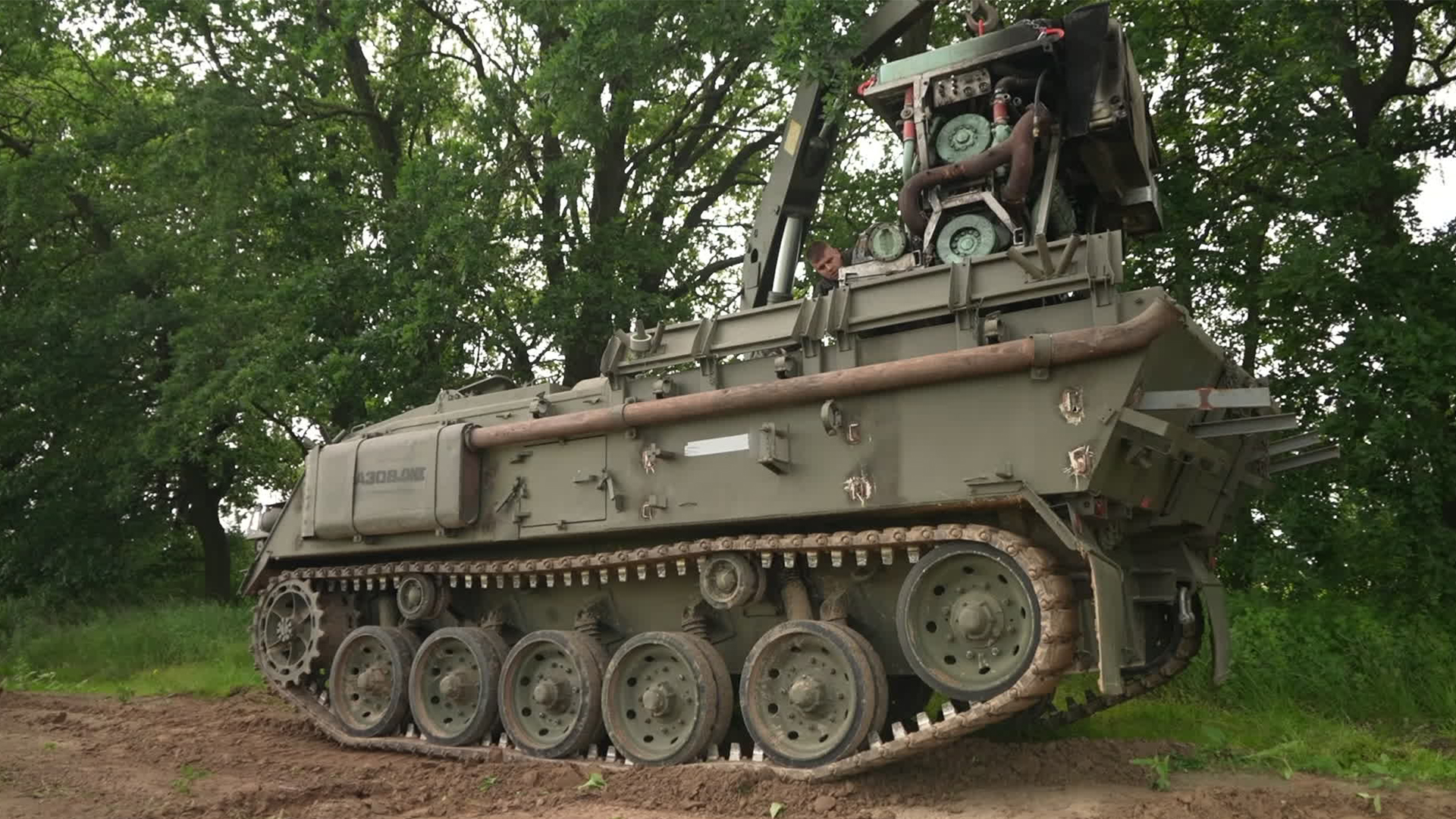
In a rear area, in a region bordering the frontline, the distinctive metallic grind of tracks announces the arrival of a British military icon.
The FV432, which was later upgraded and known as the Bulldog, is one of the longest-serving armoured platforms ever used by the British Army.
Designed in the early 1960s, it was built for a Cold War battlefield, while today it is operating in a conflict dominated not by artillery and roadside bombs, but by drones.
"When we first got the Bulldogs, we didn't know anything about them," says a Ukrainian vehicle commander from the 12th Azov Special Forces Brigade, known by the callsign Old Man.
"Nothing – zero information. We were just starting to figure out how everything worked."
Adapt and overcome
Despite that, Ukrainian troops quickly adapted. One of the vehicle's biggest advantages, Old Man says, is its simplicity.
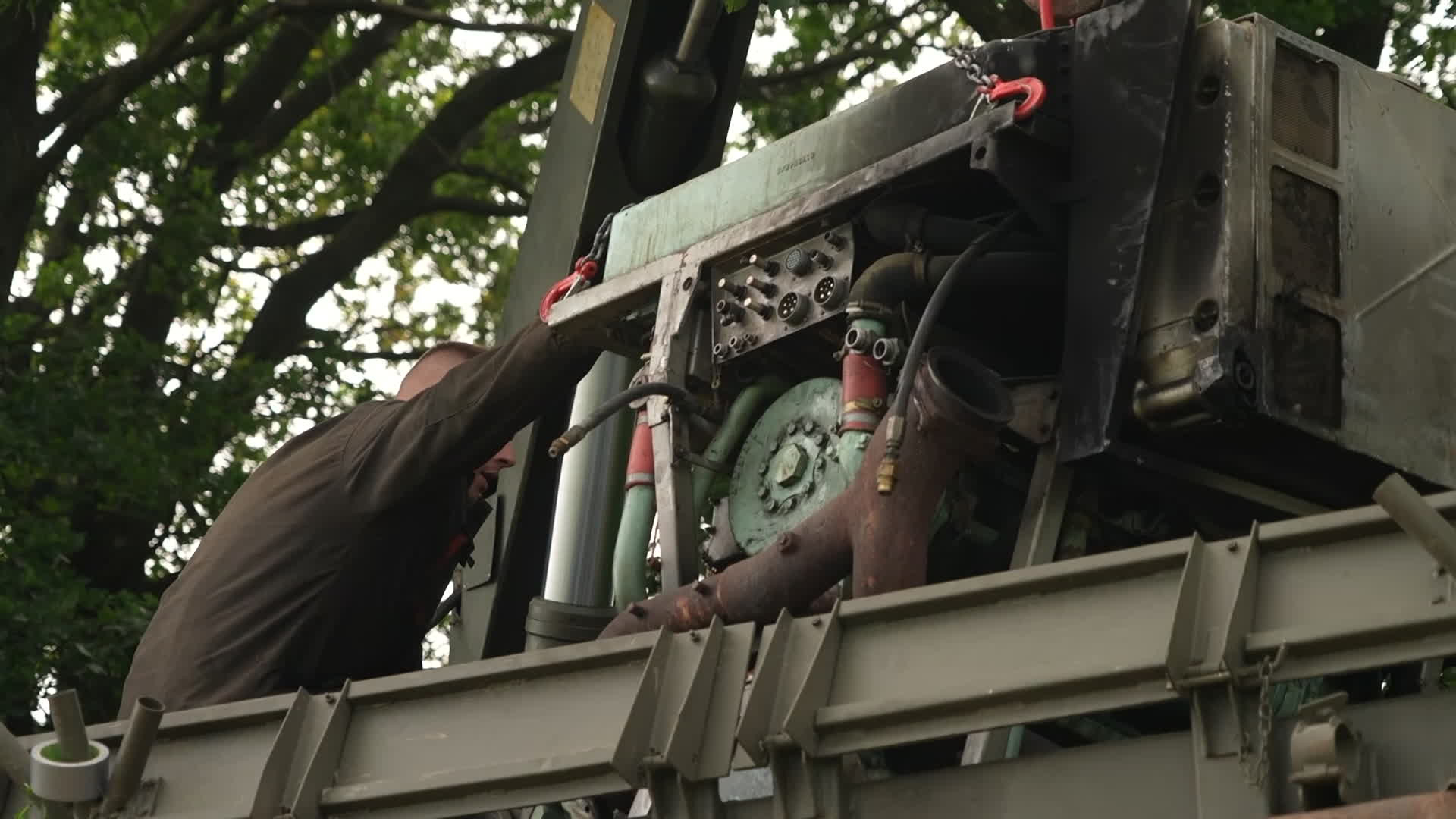
"You just pull the engine out and work on it. It's designed so you can connect everything outside the vehicle, start it up and service it there," he explained.
"You can immediately spot leaks or do oil changes – it's very straightforward."
Britain sent an undisclosed number of FV432s to Ukraine, and units like Azov have acquired additional vehicles through private collectors in the UK or via donations from charities.
With little formal training or documentation, Ukrainian crews have had to rely on ingenuity – and sometimes social media.
"I was on Facebook talking to British soldiers," Old Man said. "People who had served on them or worked with them. I was asking what to do – whether to keep the track pads on or take them off."
The advice was practical. Track pads, designed for road use, can slow the vehicle down on asphalt.
"They told me to take them off... I drove one about 100 miles across open fields and it handled it fine. No problems at all."
No manual? No problem
In many cases, vehicles arrived with very little supporting material.
"No manual, nothing," says another soldier, callsign Freeman. "They give them, and we drive them."
What documentation there is tends to be basic – simple start-up checks translated into Ukrainian, alongside troubleshooting guides.
But for crews under pressure, even that is valuable.
The FV432 was originally built by GKN Sankey and entered service in 1963. Around 3,000 were produced between 1962 and 1971.
Weighing 15 tonnes, it can carry a crew of two plus up to 10 dismounted soldiers, with a top speed of around 32 miles per hour.
Early models were powered by a 240-horsepower Rolls-Royce engine, later replaced in upgraded versions by a more powerful Cummins diesel.
Old APC in a new type of war
Typically armed with a 7.62mm General Purpose Machine Gun, it was never intended to fight modern drone warfare.
Video online shows Russian forces targeting FV432s with explosive drones.
According to the Dutch battlefield assessment website Oryx, at least 10 have been destroyed.
Other British-supplied armoured vehicles have also taken losses, including dozens of Spartan carriers, Mastiff patrol vehicles and Saxon armoured personnel carriers.
For Ukrainian troops, the shift in battlefield conditions has been stark.
"I was there when there weren't so many drones," Old Man recalls, describing the fighting in the forests near Kremina earlier in the war.
"Back then, everything was simpler. We didn't have much equipment, but we were better protected. It felt like a different war."
Now, he says, the situation is far more dangerous, especially for infantry units operating in eastern Ukraine.
"It's like a second war. I can't even explain how much simpler it was before," he added.
Bulldog takes on a grimmer role
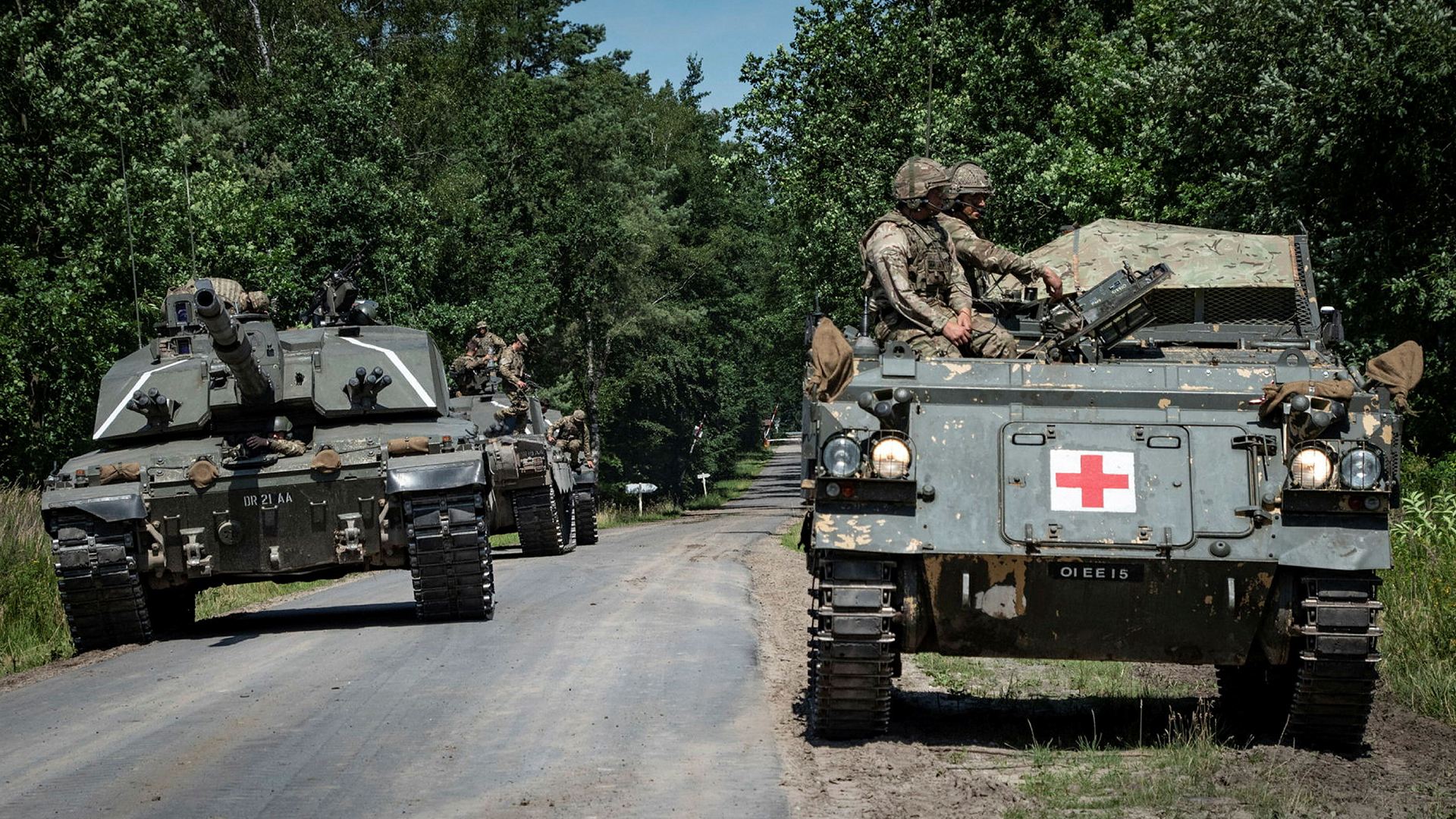
Despite the risks, the FV432 continues to play a role. Some have been converted into battlefield ambulances, used to evacuate wounded soldiers across areas heavily targeted by drones.
These missions can be harrowing.
"I was going in to recover the 200s," Old Man says, referring to Cargo 200 – the military identifier Ukraine uses for taking dead bodies from the battlefield.
"Two bodies – one of them was an 11-year-old. There are so many."
The war in Ukraine has become one of attrition.
Thousands of tanks and armoured vehicles have been destroyed on both sides – Ukraine has lost around 6,000, with Russian losses estimated to be more than double that.
In that context, even ageing platforms like the FV432 remain valuable.
Rugged, relatively easy to maintain and capable of carrying troops or casualties, they continue to serve – decades after they were first built.
The British Army still uses the FV432 today, more than 60 years after its introduction, and in Ukraine, it has found a new purpose.
A relic of Cold War engineering, pressed back into frontline service.
Related topics
Join Our Newsletter