Rare access inside Ukraine to UK's Raven air defence system dubbed FrankenSAM
BFBS Forces News reporters Simon Newton and Hannah King headed to a frontline region in Ukraine to seek out a British-built air defence system.
Raven has rarely been seen in action on the ground, and the team were given access to the operators and kit to see how they've adopted it and get their honest assessment of how it performs.
Spoiler alert: The dogged Ukrainian fighters trust it to allow them to defend Ukrainian cities under the relentless Russian drone bombardment.
Built for the air, fired from the ground
Raven is an improvised but highly effective air defence system that was developed in just a few months and quietly sent to Ukraine to help defend against Russian drones and missiles.
After a six-hour drive east from Kyiv, past military checkpoints and roads draped in anti-drone netting, we arrive at a secluded patch of farmland.
Hidden among the golden wheat fields is one of Britain's lesser-known contributions to the war.
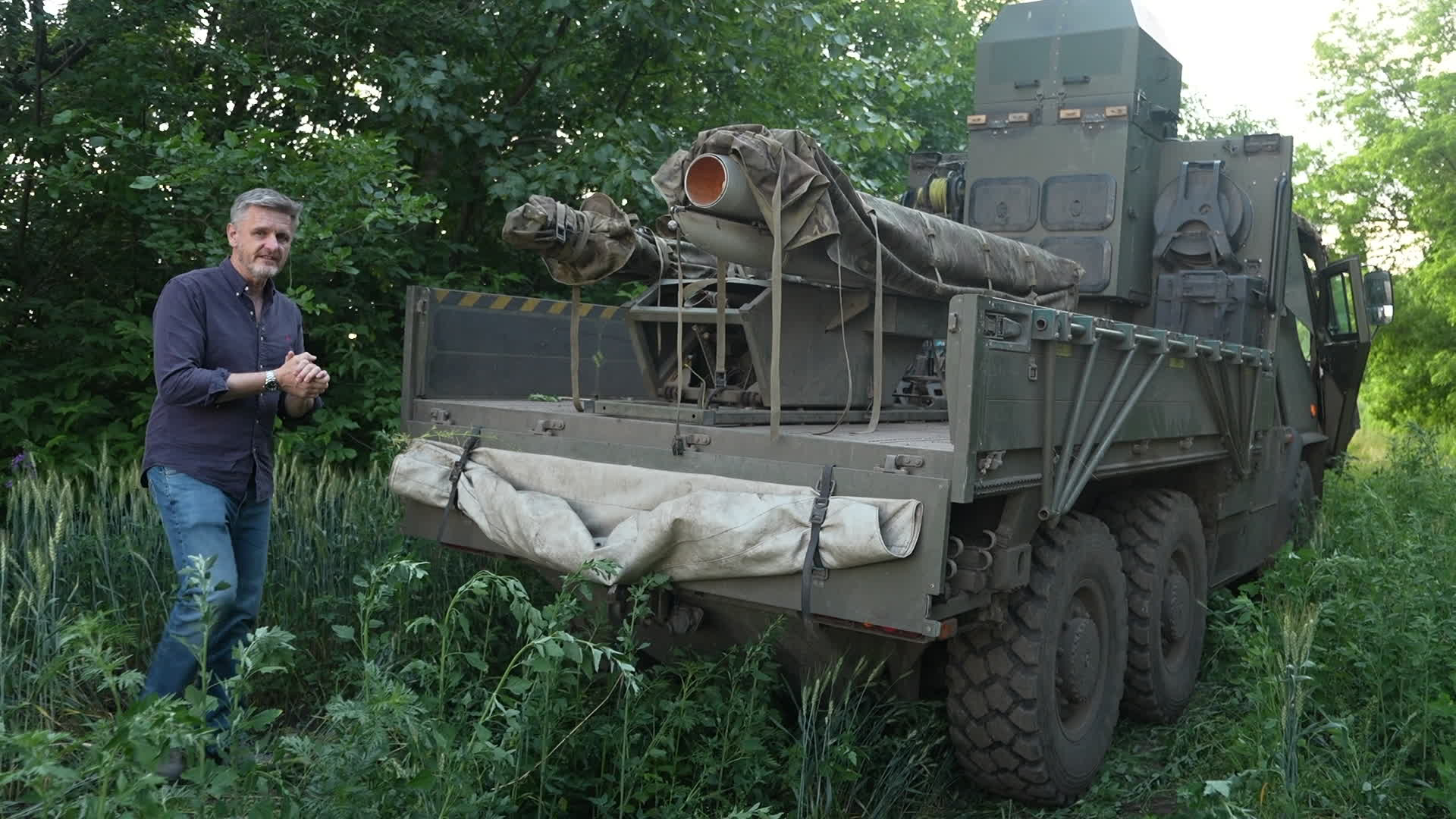
At first glance, Raven looks a little unusual. The system has earned the nickname "FrankenSAM" because it's built from parts never originally intended to work together.
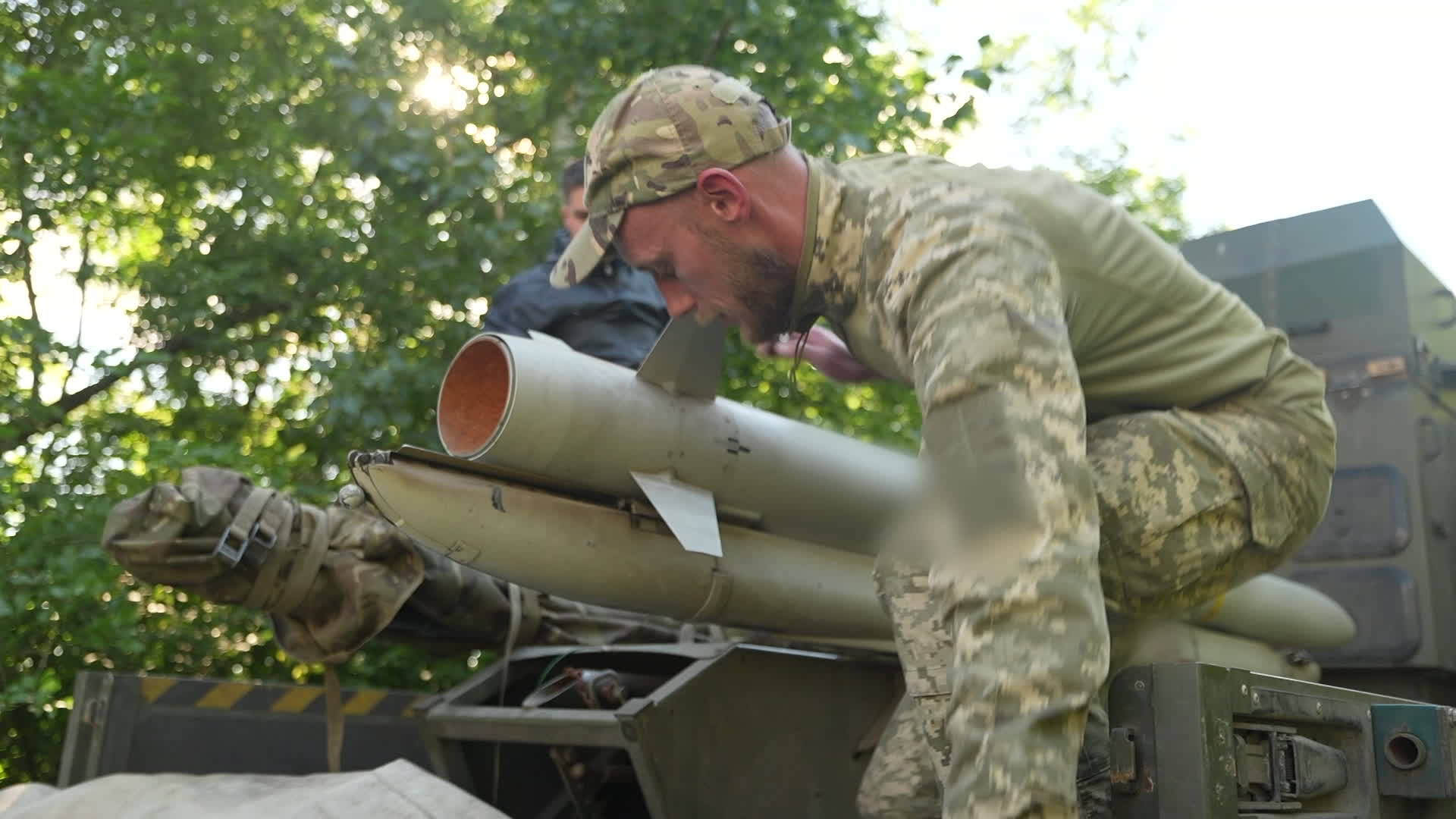
Mounted on the back of a Supacat military truck are launch rails that once sat under the wings of RAF jets including the Tornado, Hawk and Jaguar. Attached to them are ASRAAM missiles – weapons originally designed to shoot down enemy aircraft.
Working with the Ministry of Defence's Taskforce Kindred, British engineers adapted the missile and launcher for use on the ground, creating a mobile air defence system capable of taking on drones and cruise missiles like Russia's KH-101, known to Nato as the Kodiak.
The first systems were reportedly developed in just three months – remarkably fast by military procurement standards.
British FrankenSAM deemed a success
More importantly, Ukrainian crews say it works – very well indeed.
According to UK Government figures, Raven was fired around 400 times by last year, successfully hitting roughly 70% of its targets.
The first systems arrived in Ukraine in 2023 and 13 have since been delivered.
For the soldiers operating them, the job is simple in theory, but demanding in practice.
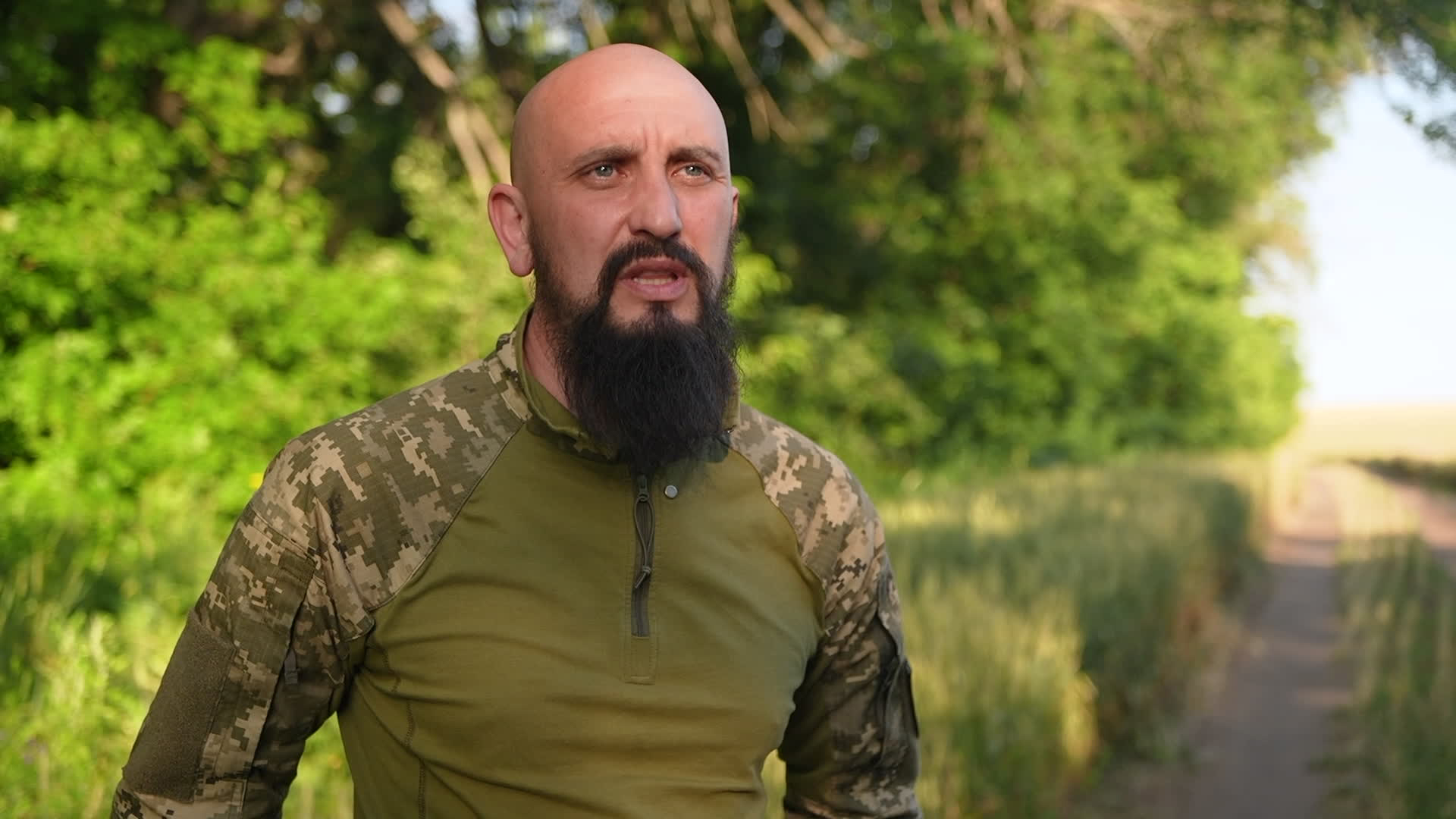
"A command comes in that there is a target in the sky, a target that needs to be destroyed," says Vitalii, a Raven commander.
"The crew gets into the vehicle, deploys and searches for the target. Mostly we know where it's coming from and what is flying. As soon as we find it, I report what we have detected. Then we are given permission either to destroy it or let it get closer."
Reuse, recycle
Systems like Raven have become increasingly important as Russia steps up long-range attacks on Ukrainian towns and cities.
Waves of drones and cruise missiles are launched deep into Ukrainian territory, targeting everything from power stations and military facilities to residential areas.
Raven's main weapon is the ASRAAM missile. Originally developed for air-to-air combat, it can travel at more than three times the speed of sound and uses an infrared seeker to lock onto targets.
The missile can engage threats up to 15 miles away and carries a blast-fragmentation warhead designed to destroy aerial targets.
For Ukraine, there's another advantage. Many of the missiles supplied come from older British stockpiles that would otherwise have needed replacing or disposal.
For crews facing regular attacks, Raven has become a trusted weapon. "We really liked the system," says Vitalii.
"It's been very effective and reliable. To Britain, we say thank you very much for the opportunity to train on it and for constantly giving us the missiles we need that hit the target."
He says the nature of the war is increasingly defined by drones and other remotely operated weapons.
"The enemy launches whatever they want into our skies," he says. "But the Raven constantly prevents them from doing so."
Shoot and scoot
Raven's success has also made it a target.
Mobile air defence systems are valuable assets and Russian forces are constantly trying to track them down. Online footage has even claimed to show the remains of a destroyed Raven launcher.
As a result, crews rarely stay in one place for long and deployments are shrouded in secrecy.
Even getting access to this system for a short visit required extensive planning and security precautions.
Many of the soldiers operating Raven trained in Britain before returning to Ukraine.
Vitalii is one of them. Before the war he designed clothing patterns. Today he spends his nights scanning the skies for incoming threats and helping defend Ukrainian towns and cities from attack.
Hidden away in fields far from public view, Raven may not have the profile of a tank or fighter jet.
But in the battle for control of Ukraine's skies, these improvised British-made launchers are proving to be one of the country's most valuable weapons.
Join Our Newsletter