Battlefield resilience: Meet Ukraine's combat psychologists keeping soldiers on frontline
Since the early days of the war in Ukraine, many of the country's fighters have upskilled in battlefield tactics on discrete bases across the UK.
Now, as the conflict continues to stretch the resolve and resources of the defending nation, a demand signal from Ukrainian leadership has called for a new form of support.
Mental health provision is becoming a key consideration for armed forces looking to keep personnel on the ground – fighting a war that for years has shown little sign of stopping.
- Cost of Silence: Can SAS veterans 'talk about it' without saying too much?
- Interflex turns three: How UK-led training is shaping Ukraine's defence
- RAF teaching Ukrainians to become helicopter instructors as Interflex training expands
Combat psychologists, many chosen for their past experience in the vocation, are now training in the UK to support the soldiers facing wave after wave of Russian attacks.
The initiative, named the Combat Stress Signposting Course, falls under the multinational Operation Interflex effort to bolster Ukraine's military performance.
The demand from Ukraine came in light of the growing number of Ukrainian trainees on Op Interflex who had previous combat experience, been living in war zone conditions or had experienced the trauma of war either as a civilian or a soldier.
The five-week programme was developed with input from Ukrainian military psychologists as well as specialist mental resilience and mental health practitioners from UK defence.
Trainees are all in positions of command, or within a larger unit or battlegroup back on the frontlines where they will aim to help hundreds soldiers around them.
"I've got a bachelor's and master's degree in psychology," explained one of the students.
"When I received my diploma, I started working as a psychologist in civilian life. I worked with different categories of the population and also with the militaries, with their families and their children.
"This subject is not really fully opened. A lot of people do not receive this seriously. But in my opinion, in the last year-and-a-half, when people started feeling their psychological health they were not feeling very well, they started understanding that they really need mental health help."
Reaching Ukrainian soldiers with psychological support is a challenge also felt by another student.
"The main problem is, back in Ukraine, psychology is still developing and not all soldiers perceive this science of psychology very seriously," he said.
"But those that were provided the help accept it very positively and those ones give a very positive impression to other military personnel – and in such groups it's much easier to work."
Shock management and trauma identification and management form part of the teachings.
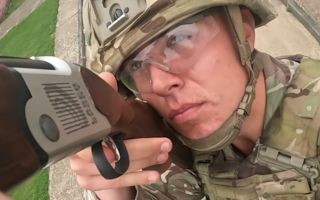
As the dangers of Ukraine can’t be replicated in the UK, instructors use practical high wire sessions to evoke involuntary emotions like fear – to help students recognise and cope with them.
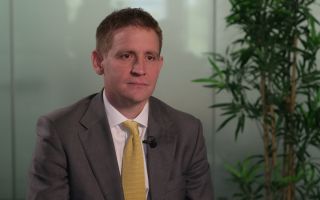
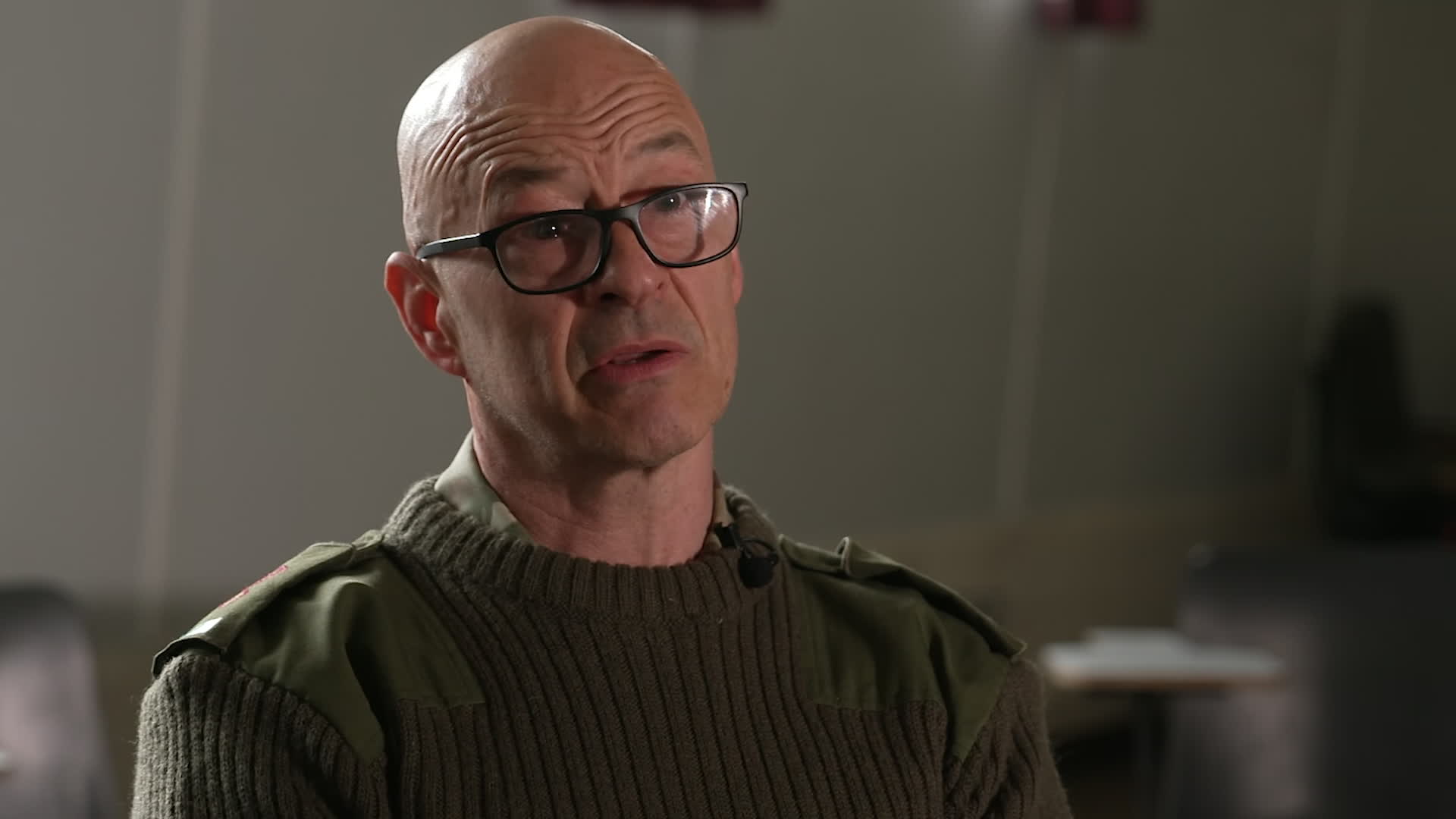
Lieutenant Colonel Amos Simms, head of the Academic Department of Military Mental Health in the British Army, said: "The high wires give you some interesting areas of pressure. So you've got the physical challenge, levels of arousal, you've got uncertainty, you've got social judgement.
"It's about a range of mental resilience strategies to kind of keep the mind focused under pressure. Breathing strategies, breaking big tasks down into smaller tasks."
This comes alongside open classroom theory discussion, during which many students and instructors open up about their own experiences and those they’ve encountered in-country.
Lessons will also be learned from the experiences of the Ukrainians to feed into the knowledge of British practitioners.
"We'd rather there were no wars, but when they do happen, as with technology, the same can be said for mental health," said Lt Col Simms.
"It's a learning process, putting your theories into practice."
Related topics
Join Our Newsletter