Op Reflect: A journey across battlefields, cultures and generations
What was billed as a three-day coach tour to France and Belgium became a powerful exploration of the British Army's global and multicultural contribution to the First World War, and a poignant reminder that remembrance is about far more than the battles of the past.
From the battlefields of the Western Front to the cemeteries and memorials that honour those who never came home, I joined a journey that brought together people from different backgrounds, united by a shared commitment to remembering those who served.
Along the way, history came to life not only through the stories of courage and sacrifice, but through the conversations, reflections and connections forged between those travelling together.
One of the participants, Lt Col Konstantinious, Deputy Commandant at GLSE ACF, reflected: "This extraordinary journey was not simply the places we visited. It was, for me, the people beside whom I walked."
This sentiment captured the essence of an experience and was repeated throughout the journey: that remembrance is not simply about looking backwards; it is about understanding one another, preserving shared history, and helping to shape the future.
My role was to try and capture as many of the moments as possible along the journey, whilst also tailing several younger participants who are looking to further their own futures in the Army.
Day 1 - Kent to Lijssenthoek
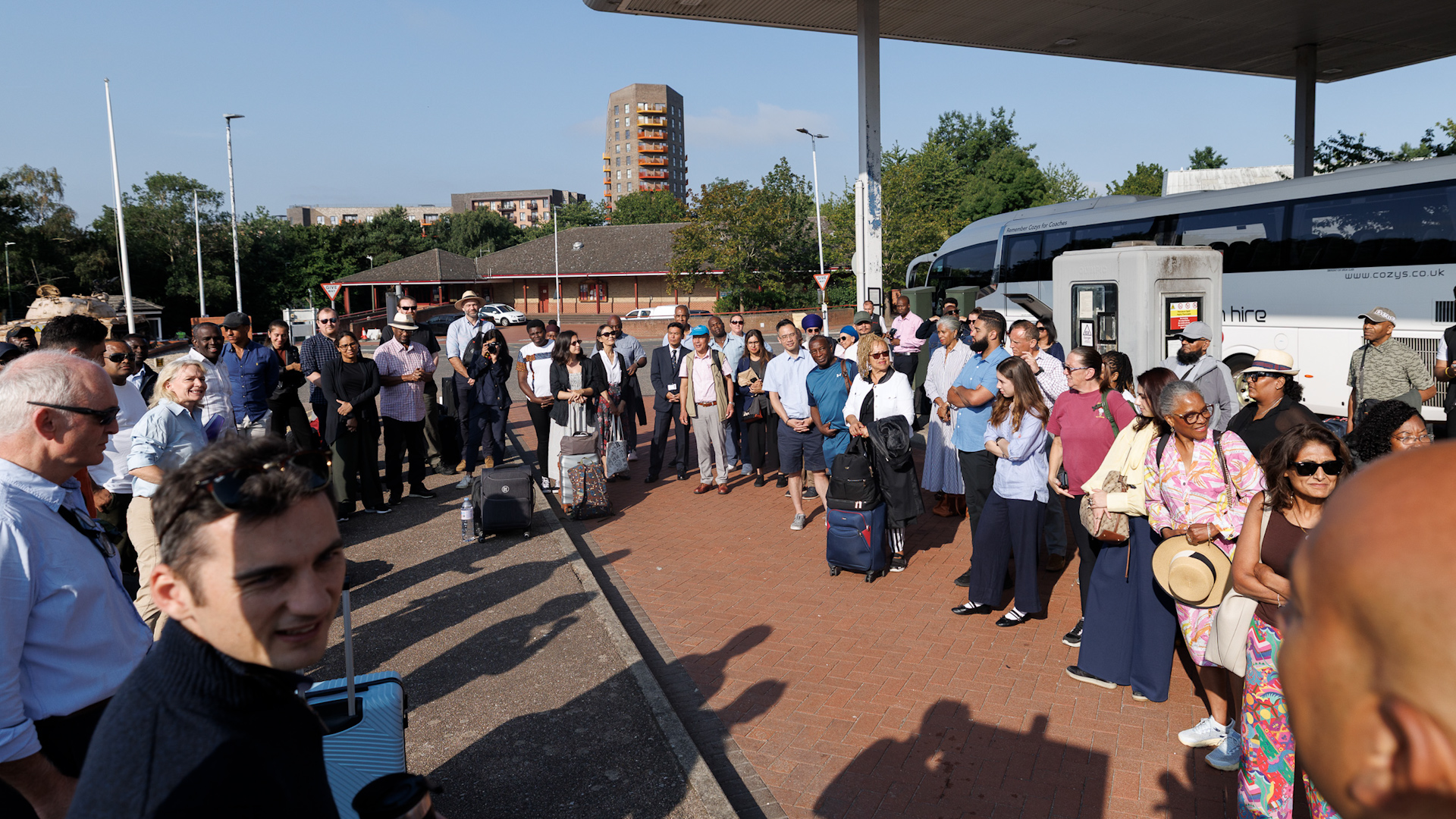
Around 100 participants gathered at 36 Engineer Regiment in Maidstone, nice and early, ready to begin the journey.
As the two full coaches pulled away, anticipation quickly gave way to conversation. Stories were shared, friendships began to form, and I met the young people whose experiences I would follow throughout the trip, who seemed just excited to learn more.
Travelling with the group were historians from the Commonwealth War Graves Commission (CWGC), whose expertise helped bring the battlefields to life, and provide the context a lot of us didn't know.
"My job is to ensure that people understand the organisation, the history, its context and the way in which it commemorates the dead of the Commonwealth from the two world wars," explained CWGC historian George Hay.
For Mr Hay, Op Reflect represented something unique. "The work we're trying to do is extremely novel; it's never really been done before. The approach is all about the individual and ensuring everyone is commemorated equally," he said.
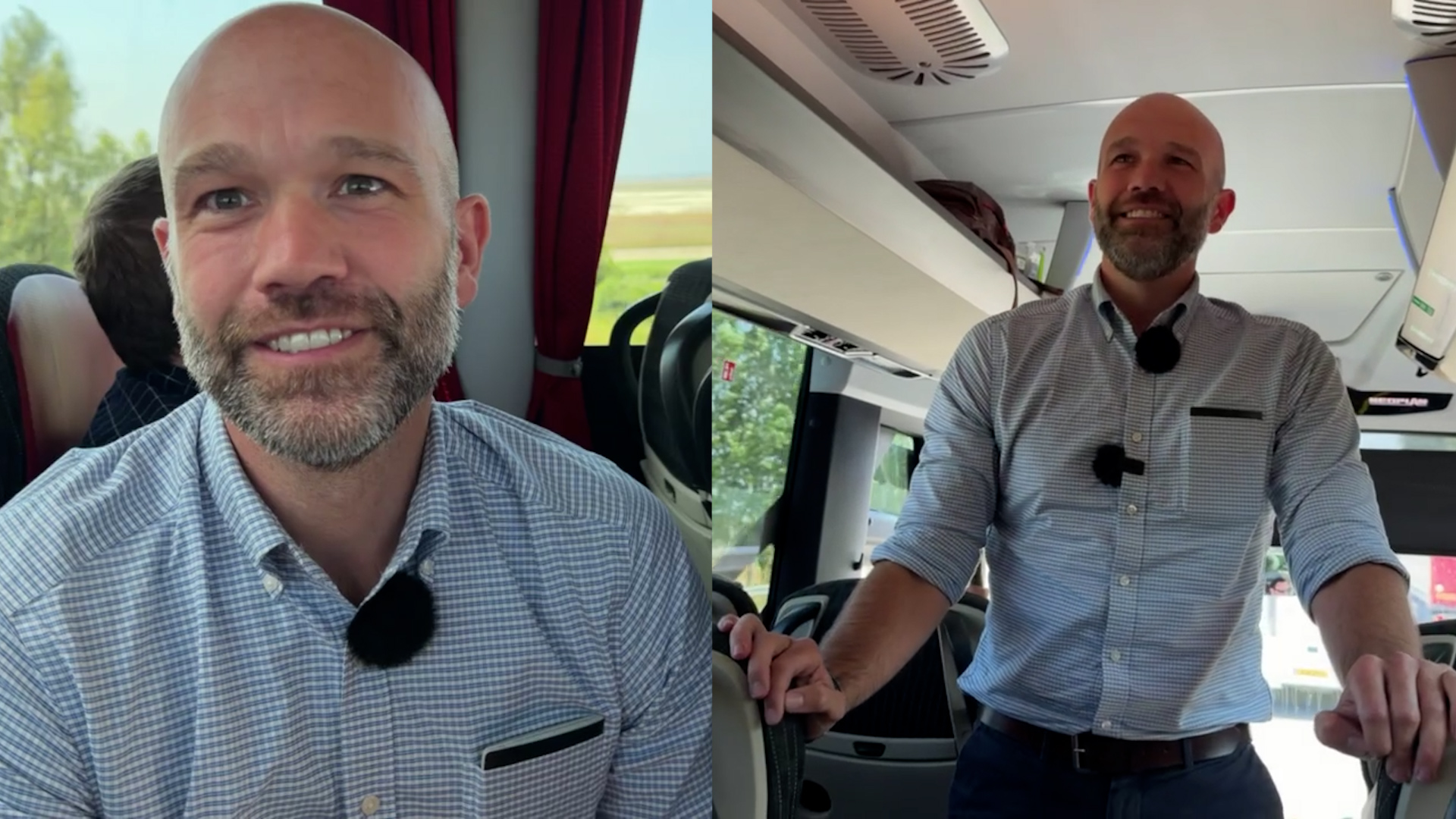
He, like many on the trip, believes that message is more important than ever.
"This matters so much, because we're bringing a really diverse British community to the battlefields of France and Belgium and demonstrating the extraordinary diversity of contributions to the First World War under the British flag and the consequences of that, which is this plethora of different forms of commemoration dedicated to those who paid with their lives."
Our first stop was Lijssenthoek Military Cemetery, near Poperinge, one of the largest Commonwealth war cemeteries and the resting place of members of the Chinese Labour Corps, whose contribution to the First World War "was too often overlooked".
Among those speaking was Wenlan Peng, Director of The Meridian Society, who reflected on the significance of remembering those buried there.
"The story of the Chinese Labour Corps has largely been forgotten," she said. "That's why it's so meaningful to be here as part of Op Reflect, where not only the British Armed Forces are represented, but communities from different ethnic backgrounds whose contributions to the war also deserve to be recognised. It's wonderful to see everyone come together to remember the Chinese."
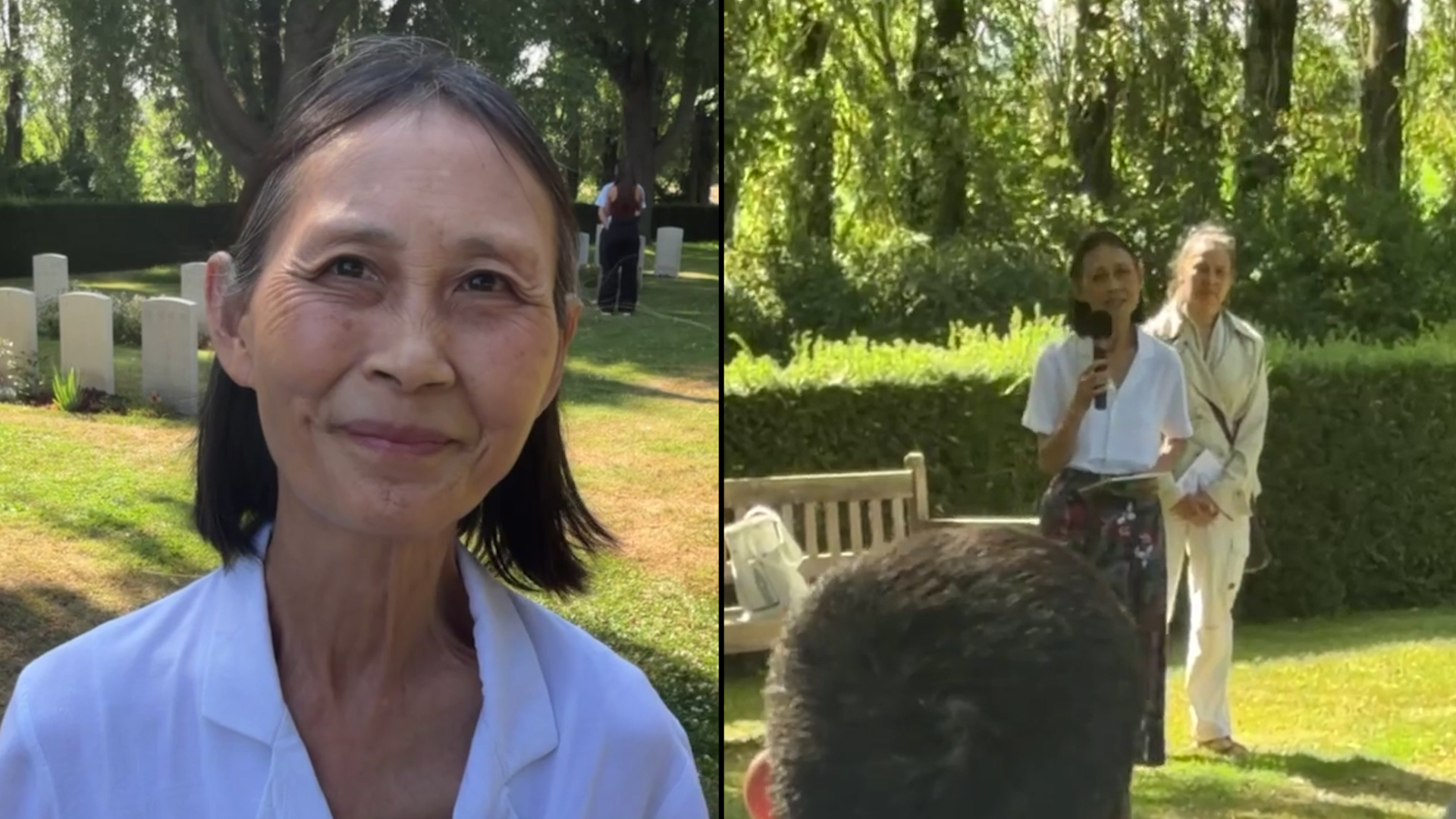
For Ms Peng, involving younger generations is just as important as preserving the history itself.
"History is immensely important because it's only by learning from the past that we can build a better future. That's why it's vital for young people, and people from different ethnic backgrounds, to come together. At the end of the day, we are one world, and understanding peace and harmony begins by being together."
After a long day of travel, the group arrived at Ypres' Cloth Hall, where they were welcomed with a traditional Flemish stew, Belgian fries and a chance to reflect before the evening's ceremony.
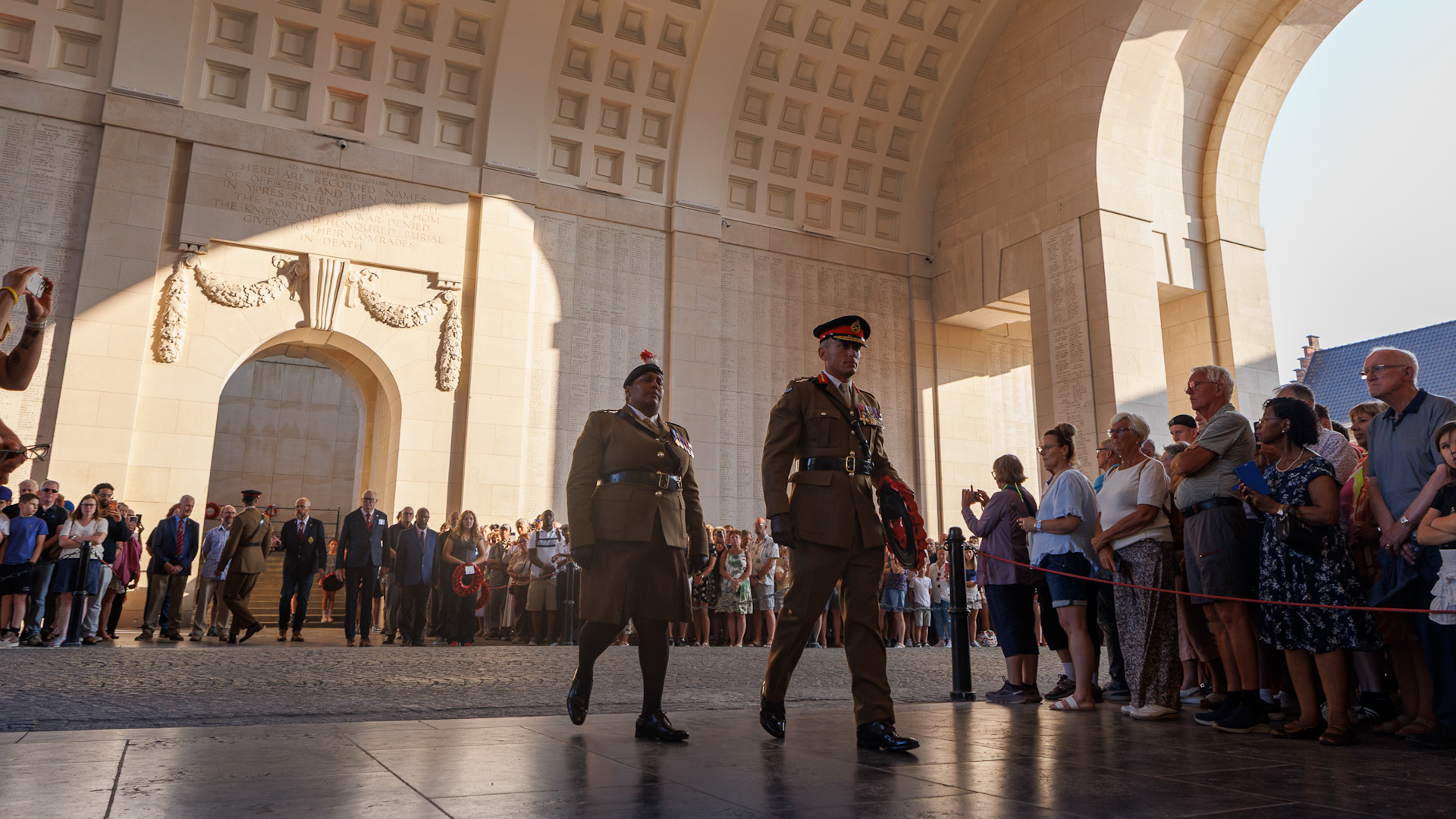
As the majority changed into formal attire, anticipation grew ahead of the Menin Gate Ceremony. The Last Post was sounded, followed by a wreath-laying ceremony attended by crowds of locals and visitors paying their respects.
Representing the Army Cadet Force, Lt Col Konstantinious read the Exhortation, a moment she described as both deeply personal and a privilege.
"It was a proud moment. As I stepped out, my hand was slightly shaking; I wanted to make sure I got it right. It was a moment of sincere reflection. It was an honour to be asked; I didn't expect it."
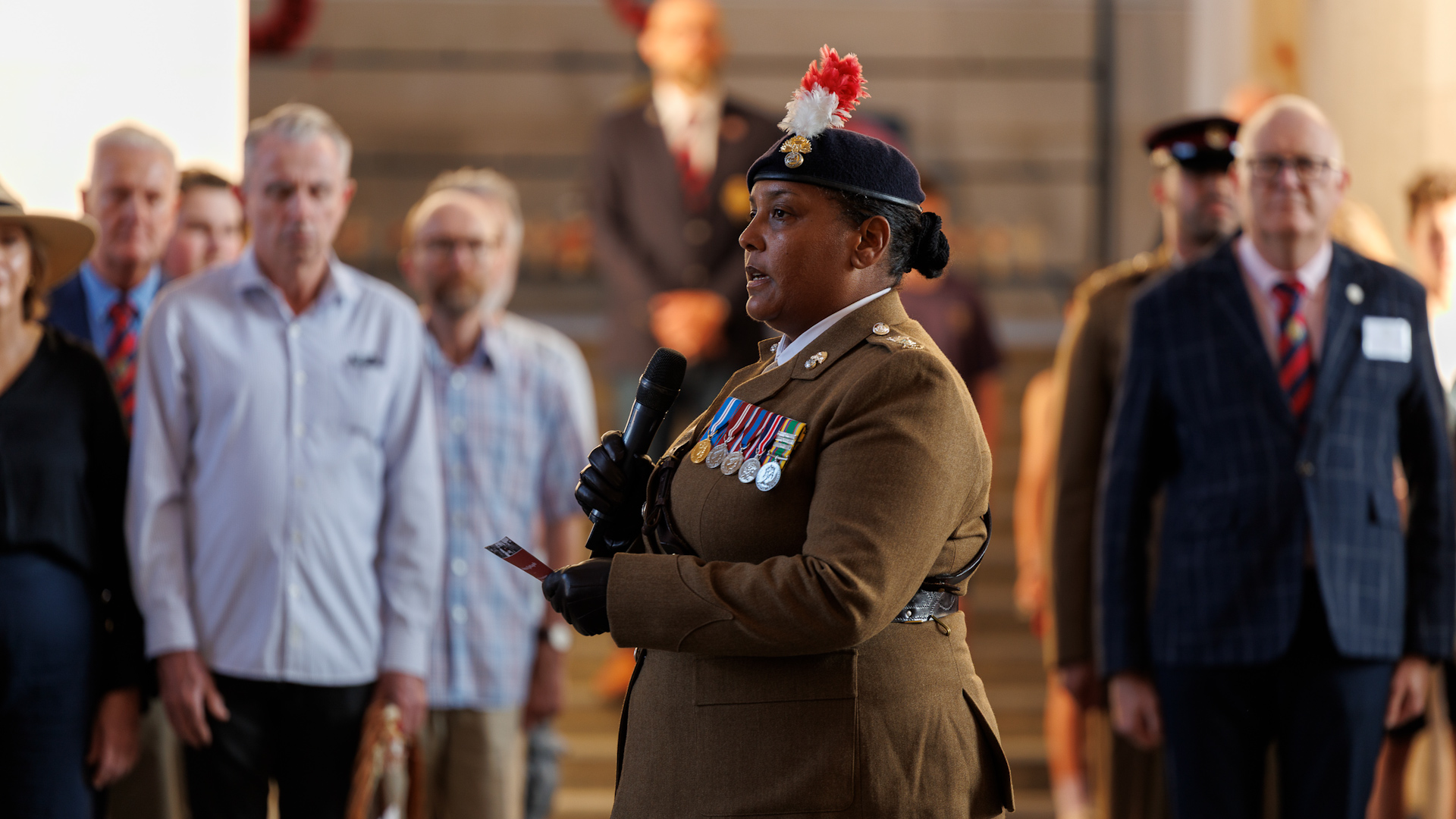
Standing beneath the Menin Gate, she reflected on the weight of the moment.
"I looked around at the crowds and my colleagues and recognised where I was standing, the sacrifices that came before me, the shoulders I stand on and the service I have to give. It was a moment of pure silence, pride and honour."
For Lt Col Konstantinious, Op Reflect represented more than a journey through history.
"Before I arrived, I had a perception of what it would be about. But meeting people and hearing their connections to the Op showed me how important it is. I want to be on the right side of history, to help tell this story for years to come and make it possible for others to be part of it."
Day 2 - Neuve-Chapelle and Canada Farm
The second day took the group to the Indian Corps Memorial at Neuve-Chapelle, where the scale and sacrifice of the First World War’s global contribution came sharply into focus.
For civil servant Vaanee Sarihyan, standing at the memorial carried a significance that no book or documentary could replicate.
"You can read the numbers, letters and stories, but you don't understand the feeling until you stand on the same ground as the soldiers, see the names on the memorial and feel the silence around you. For the first time in my life, I felt the gravity of what my forefathers experienced."
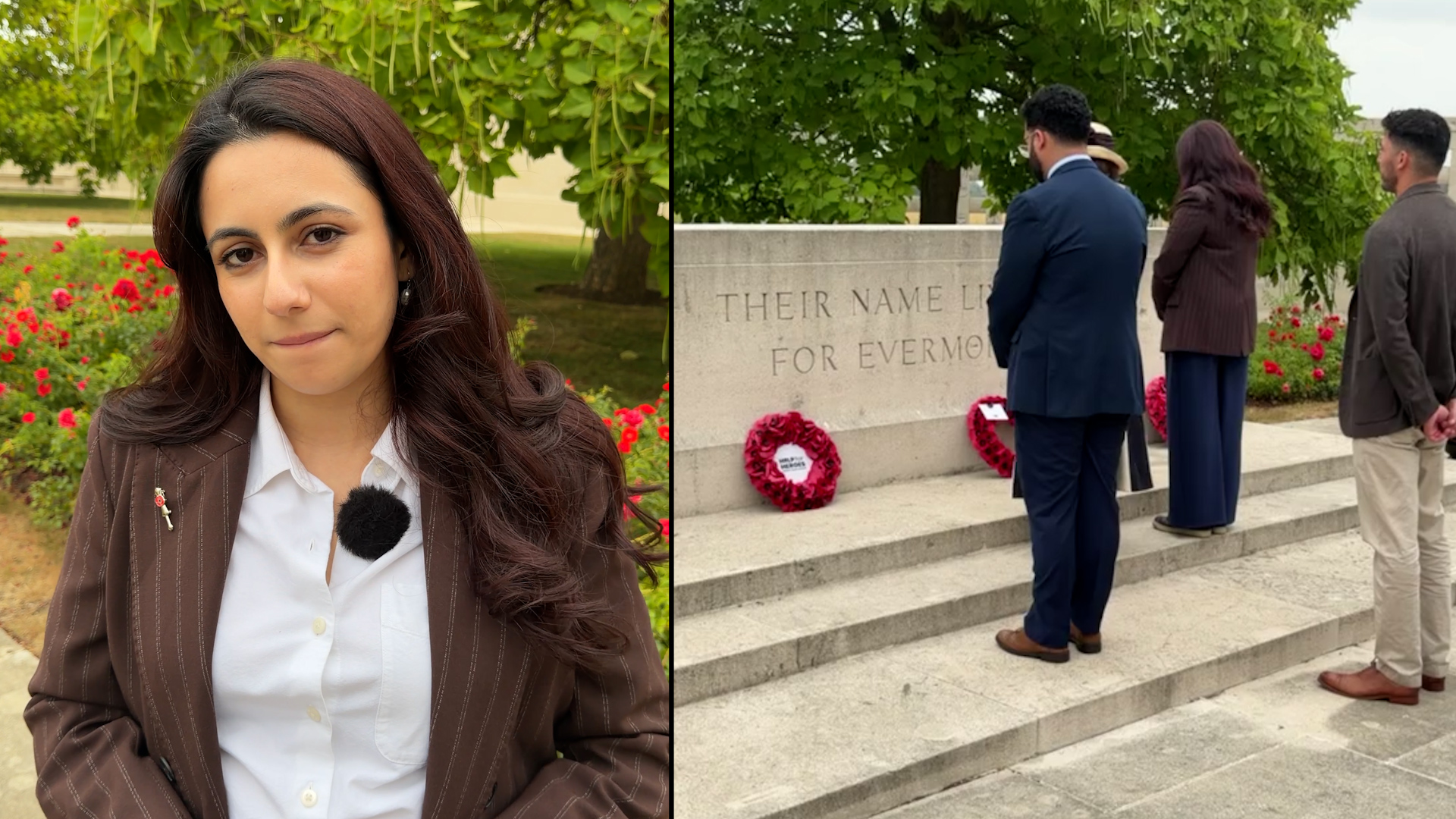
Being part of Op Reflect gave that personal connection a shared meaning.
"My struggle with identity, pride and what it means to serve my nation has always been something I experienced alone. Today, seeing people come together to remember those who have been silenced by history, sharing those emotions and discussing the complexities of service today, has been one of the most profound experiences I've had."
The journey then continued to Canada Farm Cemetery, where the focus turned to the contribution of the British West Indies Regiment and the wider Caribbean war effort.
Blondel Cluff CBE, Chief Executive of the West India Committee, said Op Reflect plays a vital role in recognising a history that is too often overlooked.
"Op Reflect is incredibly important because it reflects the diverse heritage of the British Army, a heritage that spans centuries. It's a story we need to tell more often, not only to raise awareness but to ensure greater recognition and respect for those from minority backgrounds who served."
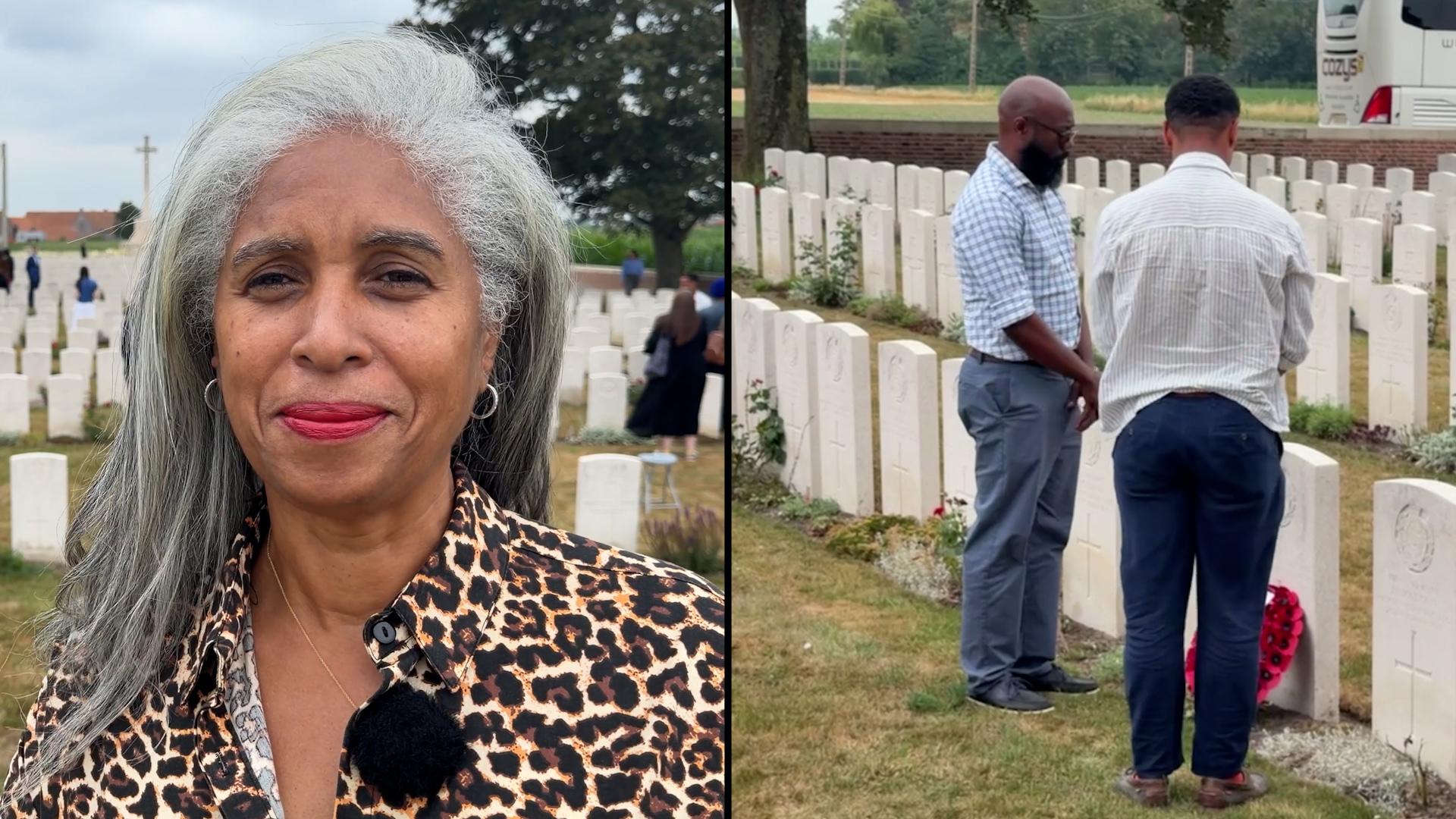
She also stressed the importance of inspiring younger generations. "It's important they understand the shared history of the Commonwealth and our allies. Ultimately, we're all citizens of the world, and understanding our shared past helps build a more peaceful future."
Her message to those taking part was simple: "I've seen people leave surprised, curious and wanting to know more. Hold on to that feeling. Keep learning, because the history of the British Army belongs to all of us, and it's a heritage worth preserving."
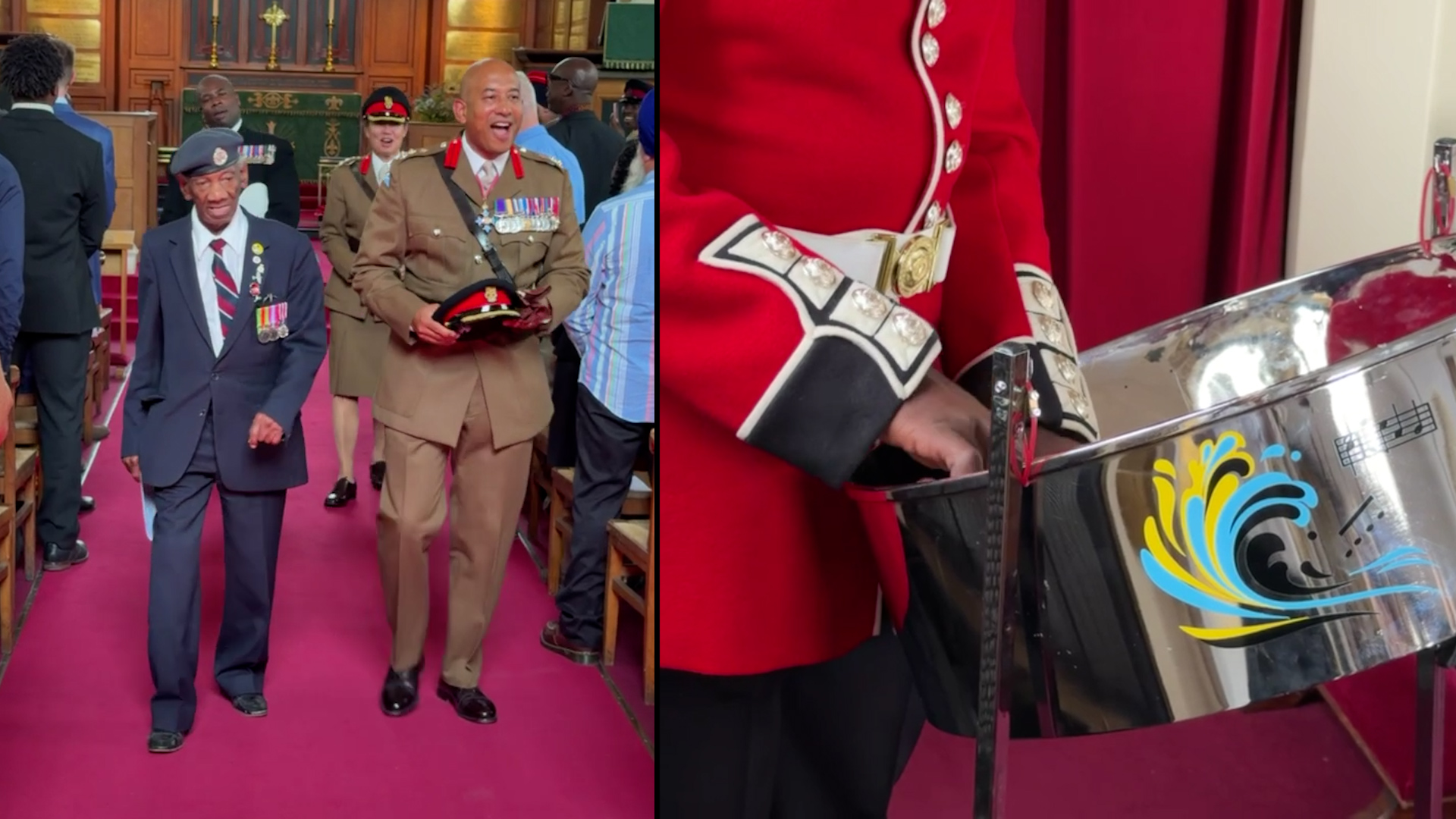
After returning to Ypres, the group walked to St George's Memorial Church for a memorial service. The evening ended with the uplifting sound of steel drums, a collective sing-along and a dance to Bob Marley before everyone came together for a group dinner.
Day 3 - Longuenesse and return
The final day took the group to Longuenesse (St Omer) CWGC Cemetery for an SS Mendi commemoration, reflecting on the often-overlooked contribution of African servicemen during the First World War.
Major Felix Osei-Kuffour recounted the tragic story of the SS Mendi, using it to highlight the enduring lessons of courage, leadership and sacrifice.
"The story of the SS Mendi reminds us that victory in the First World War was not won by those carrying rifles alone. It was built on the contributions of people from across the Empire and beyond, including Africa and China."
For Major Osei-Kuffour, the legacy extends beyond history.
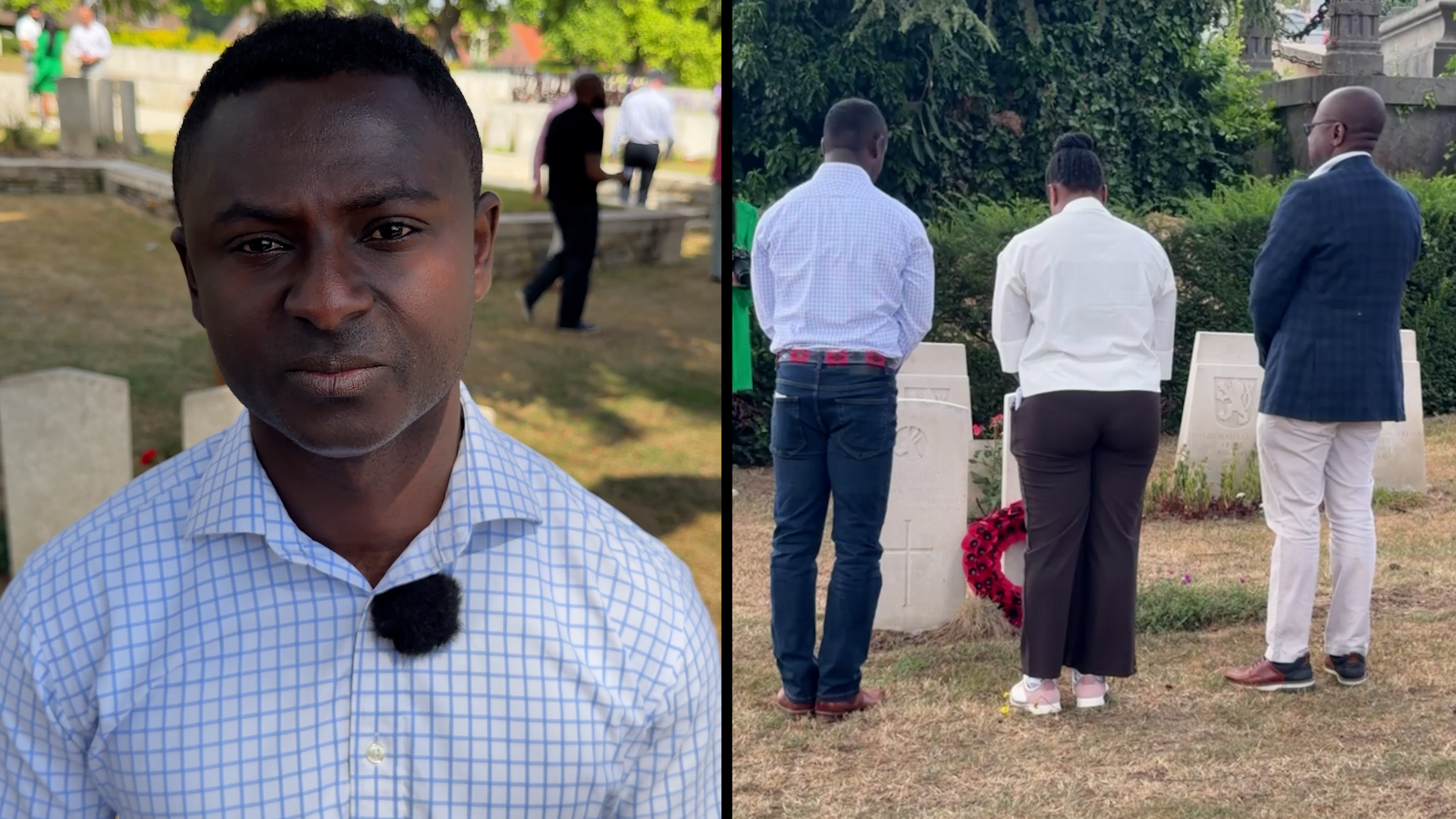
"The lesson is that leadership isn't about rank or role. It's about stepping forward in moments of chaos, bringing hope when there appears to be none. Throughout this journey, we've seen the extraordinary contributions made by people from across the Commonwealth and beyond. Those are the stories we must carry forward as one community, united by service, remembrance and shared history."
What's next?
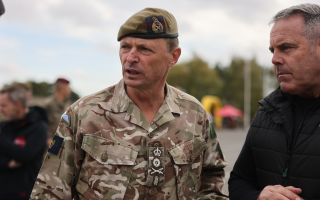
As the journey drew to a close, I spoke to one of the driving forces behind Op Reflect, Brigadier Karl Harris CBE, about the initiative's future and why it matters.
"Through Op Reflect, the Army is using commemoration as an opportunity to pause, reflect and engage with communities across British society and beyond. It's about building stronger relationships, mutual trust and a better understanding of one another," he said.
Looking ahead, Brig Harris believes the work is only just beginning. "We've left with a shared sense of responsibility. Where there are gaps in the telling of our rich history and heritage, we must fill them. Where there are opportunities to build partnerships and connect with communities, we should seize them."
For him, Op Reflect is as much about the future as it is the past. "This isn't simply about spending three days looking back. It's about looking forward, how we enrich our people, strengthen the British Army, connect with communities and ensure everyone sees themselves in our shared story."
Related topics
Join Our Newsletter