Saying goodbye to sailors: the ancient tradition of committing the ashes of personnel to the sea
As tourists filter in through Victory Gate on a swelteringly hot day at Her Majesty's Naval Base in Portsmouth, a small gaggle of people cluster in the shade. Each is carrying a small cardboard box.
They're not here for sightseeing and ice cream. They've never met before, but they all have one special thing in common.
Every week throughout summer – on Tuesdays in Plymouth, Wednesdays in Portsmouth and Thursdays in Faslane – sailors and marines who've served their country have their ashes scattered at sea. It's free of charge and run by the Navy Chaplaincy.
"It's a very, very long-standing naval tradition dating back to the days when we didn't have mortuaries and people who passed away on board would be committed to the sea over the side of the ship," explained Chaplain Raphael Duckett, who leads the team of Chaplains who carry out the committals.
The process is simple. Families get in touch, book a date (they sometimes get cancelled due to weather), then they turn up on the day with the ashes of their loved one.
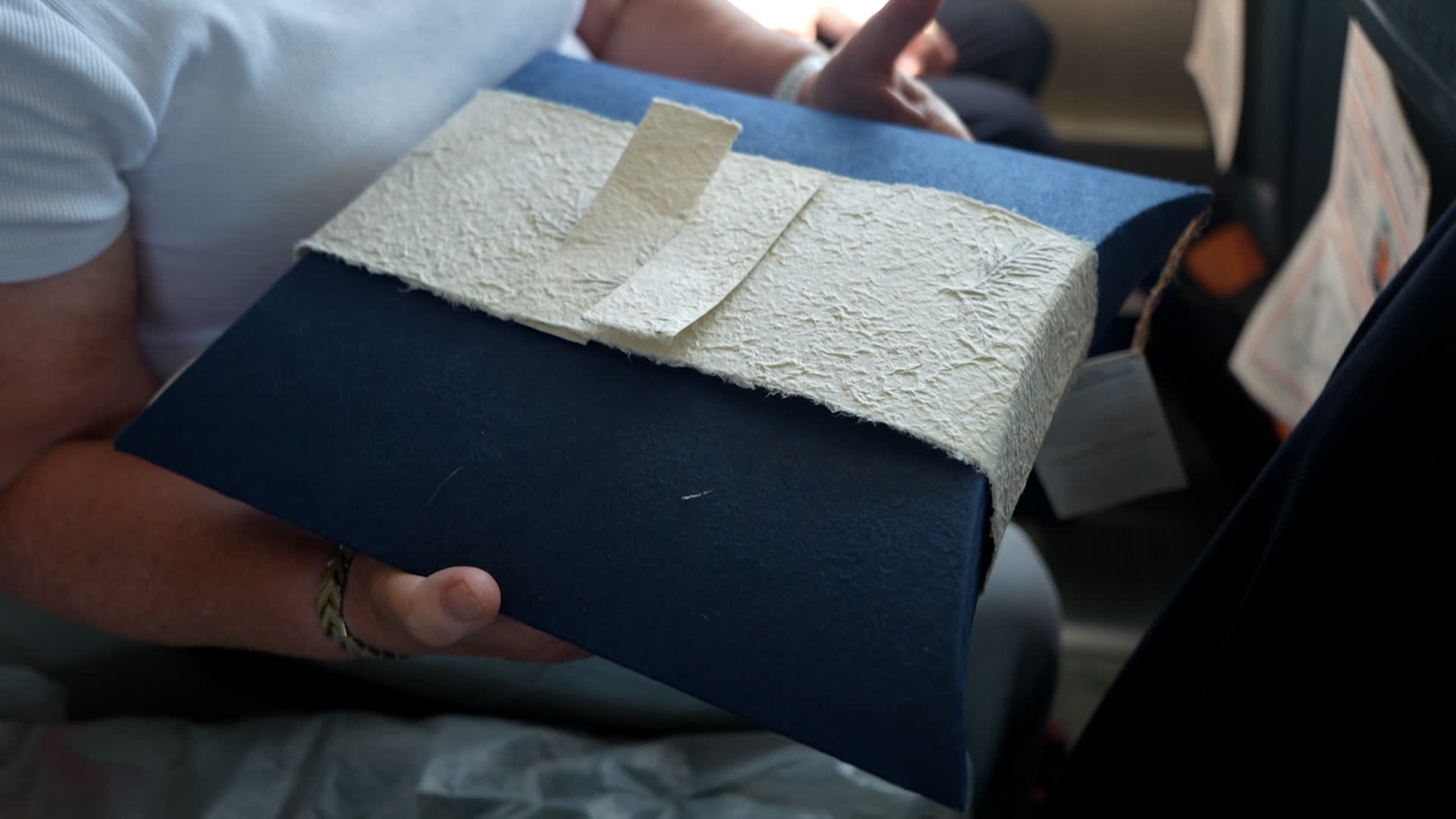
The ashes must be in what's referred to as a 'pillow'. It's a small cardboard box with folded-in ends. Inside is a biodegradable bag which contains the ashes.
Sombre moments
'The Bish' leads them onto a boat which takes them out to sea. One at a time, the families of each of the deceased hand their ashes over to the Chaplain and make their way to the stern of the boat where a short service takes place.
Committal Assistants (usually young leading hands who volunteer for the role) place the cardboard pillow on a kind of wooden board they call the 'chute' and delicately drape a Union Jack over the top.
Once The Bish has done their bit, the Committals Assistants gently tilt the chute so the ashes drop into the sea. They float for a few seconds before sinking to the ocean floor.
"It's quite a sombre moment," said Leading Hand Kurt Tarrant – the Committals Assistant. "You think – this is literally where they're going to be for the rest of time – but it's really nice knowing that the family's there to see him off and you get to be a part of it."
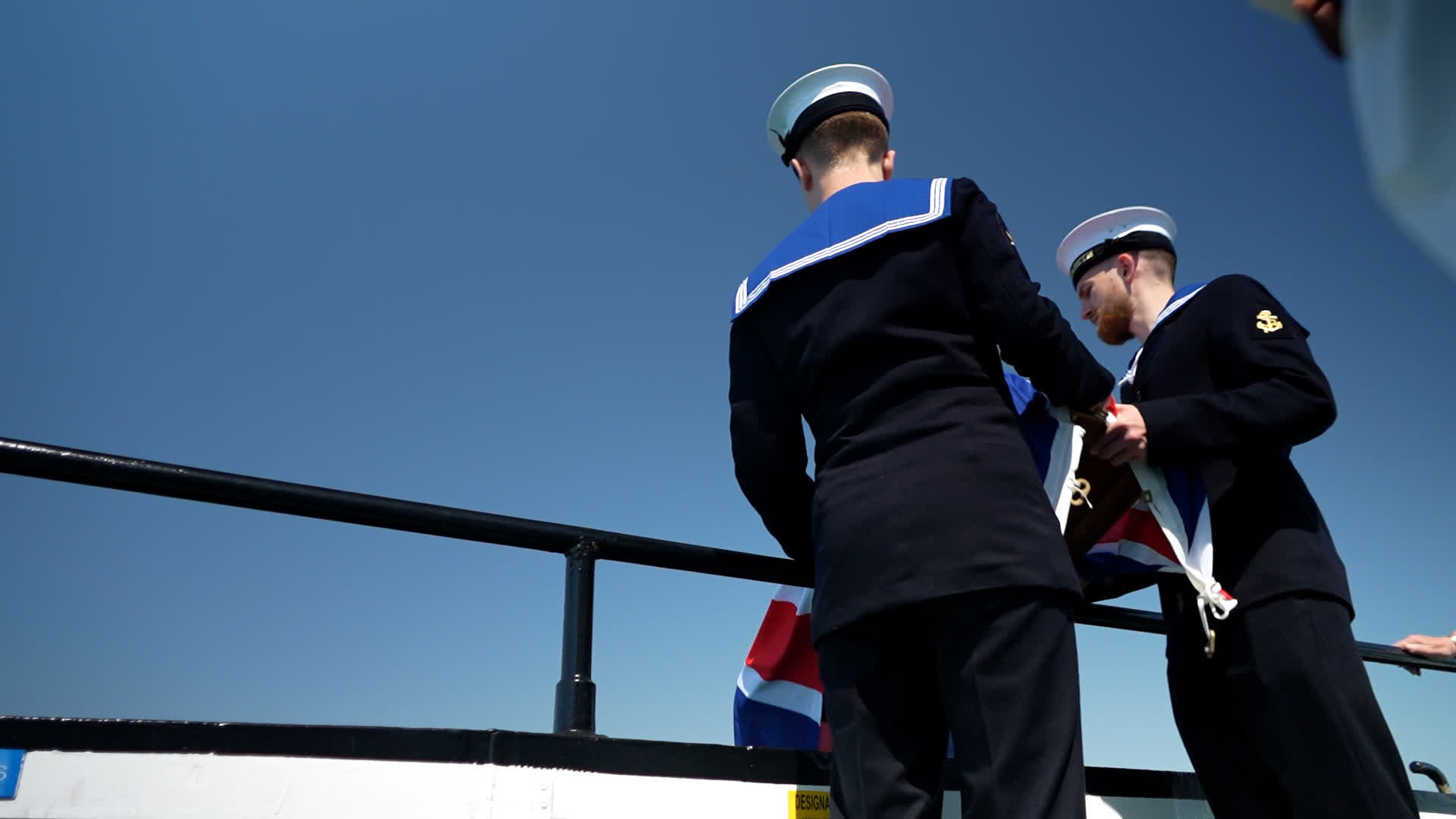
LH Tarrant often volunteers for shifts. His family have a funeral business themselves, so he's grown up knowing how to take care of grieving families. He's literally the best qualified young sailor for the job!
"I'm here to lay my dad to rest," said Russell Wright. "He was a very proud serviceman, and he was always at peace in or on the water, it was his favourite place and it's where he wanted to rest.
"Now, originally, he wanted a Viking funeral, but he understood that that wasn't kind of allowed in this country, so he said okay, if you can't burn me at sea, at least scatter me at sea – I'll be fine. I'm happy with that!"
A mark of respect
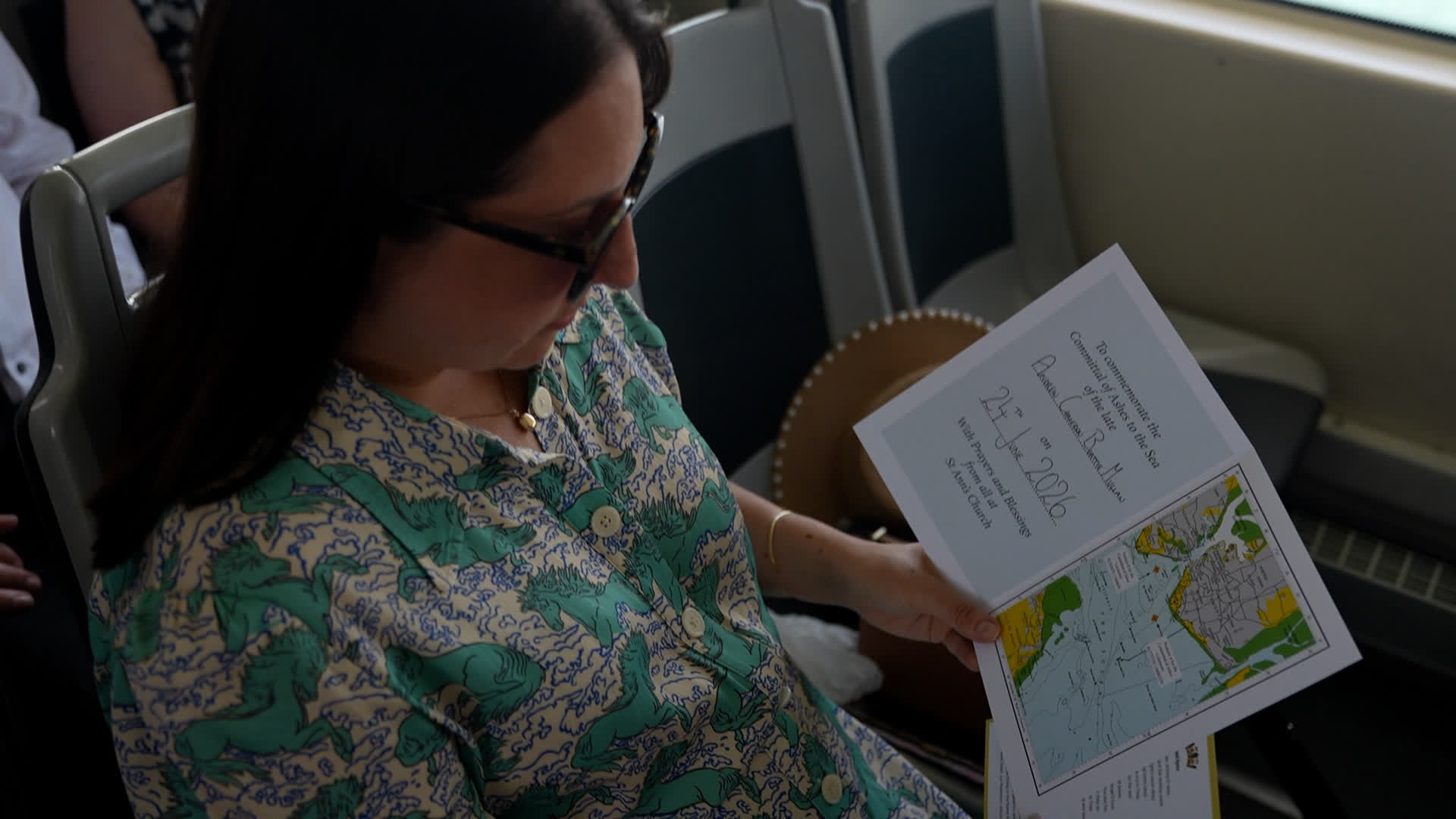
Hazel and Fiona Mullan are committing their husband and father respectively to the sea in this service.
Through tears, holding her mum's arm, Fiona told BFBS Forces News how lucky they feel. "He talked about this for a while because he was poorly, so we knew… It's been lovely that we've been able to do it."
"I think it's wonderful that the Navy offer this," added Fiona's mum Hazel. "Hopefully they'll continue to do it."
Luckily, there seems to be no sign of the age-old tradition being lost. Chaplain Duckett told me that as long as there was breath in his body, they'd continue it. "It's a mark of respect to those who've passed and marks their service to their nation."
To find out more about the MOD's committals at sea service, please email [email protected].
Related topics
Join Our Newsletter