Military charity considers joining High Court case against MOD over LGBT compensation

A military charity is considering joining a legal challenge against the Ministry of Defence over eligibility rules to its LGBT Financial Recognition Scheme (FRS), designed to compensate veterans for lost careers in the Armed Forces under the ban on homosexuality.
The legal challenge, filed on behalf of two veterans who say they were forced to leave the military under the rules, was lodged at the High Court last week by the law firm Irwin Mitchell after the pair were denied payouts of £50,000 under the scheme.
Now, Fighting with Pride, the military charity set up to support those impacted by the ban, says it is reviewing whether to join the case as an interested party.
- MOD facing judicial review over perception of unfairness with its LGBT compensation scheme
- Exclusive: British Army colonel claims trans personnel unlikely to be able to serve beyond 2026
- Twenty-five years after gay ban lifted, LGBTQ+ Defence Awards reveal this years' finalists
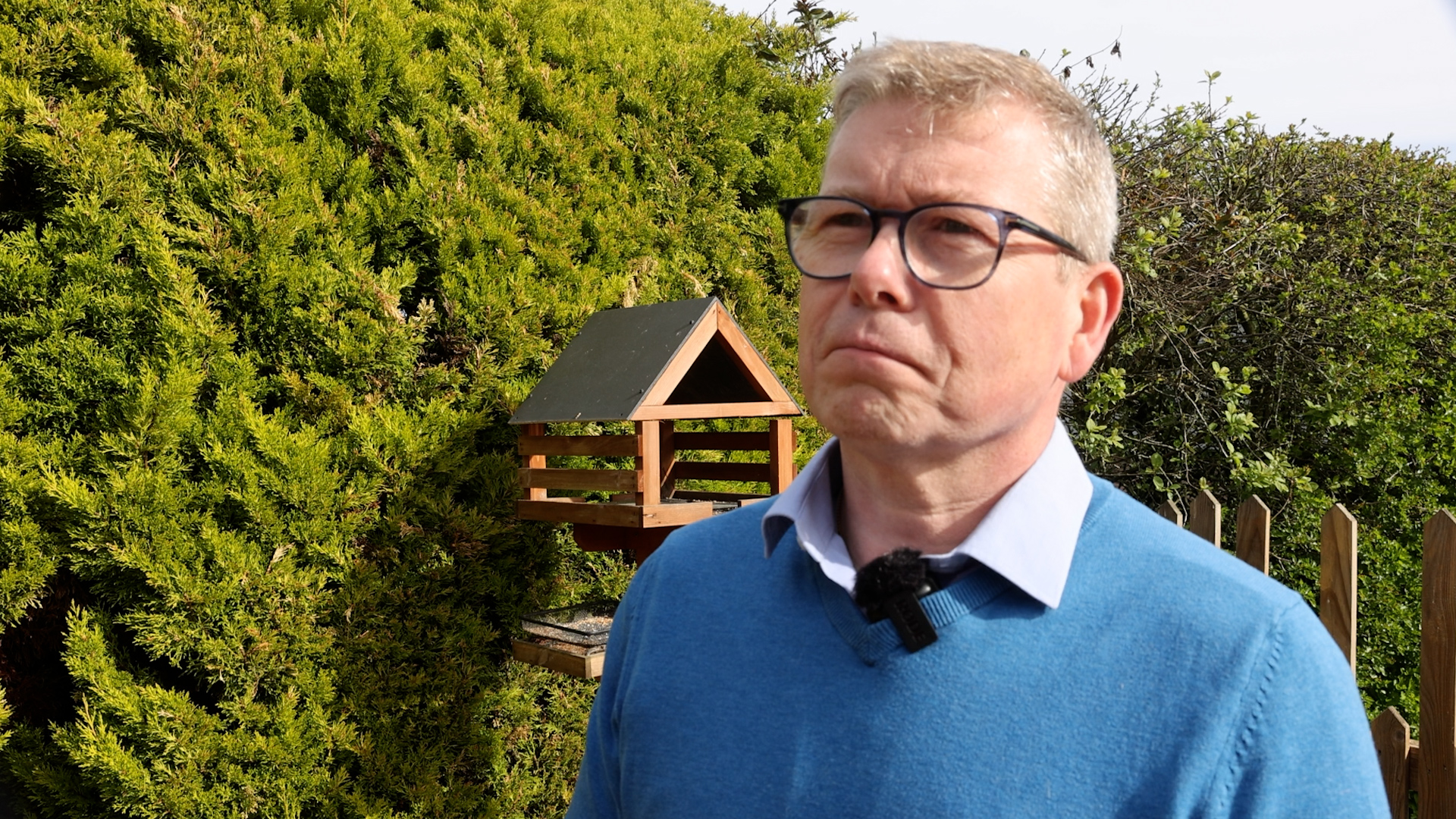
Speaking to BFBS Forces News, the charity’s chief executive, Peter Gibson, said that lawyers were currently working on the case pro bono, meaning they were essentially representing the two claimants for free, but that his charity was weighing up whether to join the case formally.
"We are currently exploring whether to join in as an interested party. We haven’t yet taken that step, but it is currently under consideration," he said.
"Thus far the lawyers have been funding the case on a pro bono basis for the charitable benefit of our LGBT veterans."
Mr Gibson added that a crowdfunding page had recently launched and that it was a real possibility that a High Court judge could award costs in favour of the Government, should the two claimants ultimately lose the case.
Mark Shephard, who served in the RAF, and Steven Stewart, a former soldier, say they suffered "enduring harm" before they were effectively forced to resign from the military due to their sexuality.
But because the men officially resigned from their roles, the MOD views the discharges from the Armed Forces as being voluntary in nature. Therefore, it has denied the men payouts under the scheme.
Veterans impacted by the ban, which ended in 2000, can apply for payouts under two sub-schemes as part of the FRS.
The first awards a standard £50,000 payment for those who were dismissed or discharged from the military. It is this scheme Mr Shephard and Mr Stewart have been denied access to.
A second scheme, known as the Impact Payment, can award an additional payout of up to £20,000 based on the psychological impact the ban had on an individual.
Forces News understands both claimants successfully applied to this scheme and received payouts under £10,000.
The key question the court will need to examine is whether the MOD’s eligibility rules to the FRS should allow for applications from those forced out of their roles under duress, which is more commonly known as constructive dismissal.
Mr Gibson said the MOD has enough money put aside for making payments to people like Mr Shephard and Mr Stewart, and that it was "ludicrous" the Government was willing to waste taxpayers’ money defending this challenge at the High Court.
"I’ve met with the [veterans] minister; I’ve put a set of proposals to her on behalf of Fighting with Pride in order that they can address this without necessarily having to fight it in court. I’m yet to receive a reply with respect to that set of proposals," he explained.
"But it is ludicrous at this stage for them to go down that route of wasting millions of pounds of public money when a more simple solution could be to meet the claims of those who were forced to resign."
An MOD spokesperson said: "We deeply regret the treatment of LGBT serving personnel between 1967 and 2000 which was wholly unacceptable and this is not representative of Defence today.
"We are committed to righting these wrongs through tangible actions, including through the LGBT Financial and non-Financial Restorative Measures for those affected.
"Whilst we acknowledge the hurt caused to veterans who felt compelled to resign, the Dismissed and Discharged Payment was designed to recognise those who were dishonourably removed from Service.
"However, we recognise that LGBT veterans, including those who felt pressured to resign, suffered unacceptable experiences and therefore the scheme was expanded to include an additional Impact Payment which we encourage those veterans to apply for."
Related topics
Join Our Newsletter