Stakeknife: Everything you need to know about the British Army's IRA mole

The Government has declined to publicly reveal the name of the British Army's IRA mole, known as Stakeknife, but branded the behaviour of the agent "disturbing".
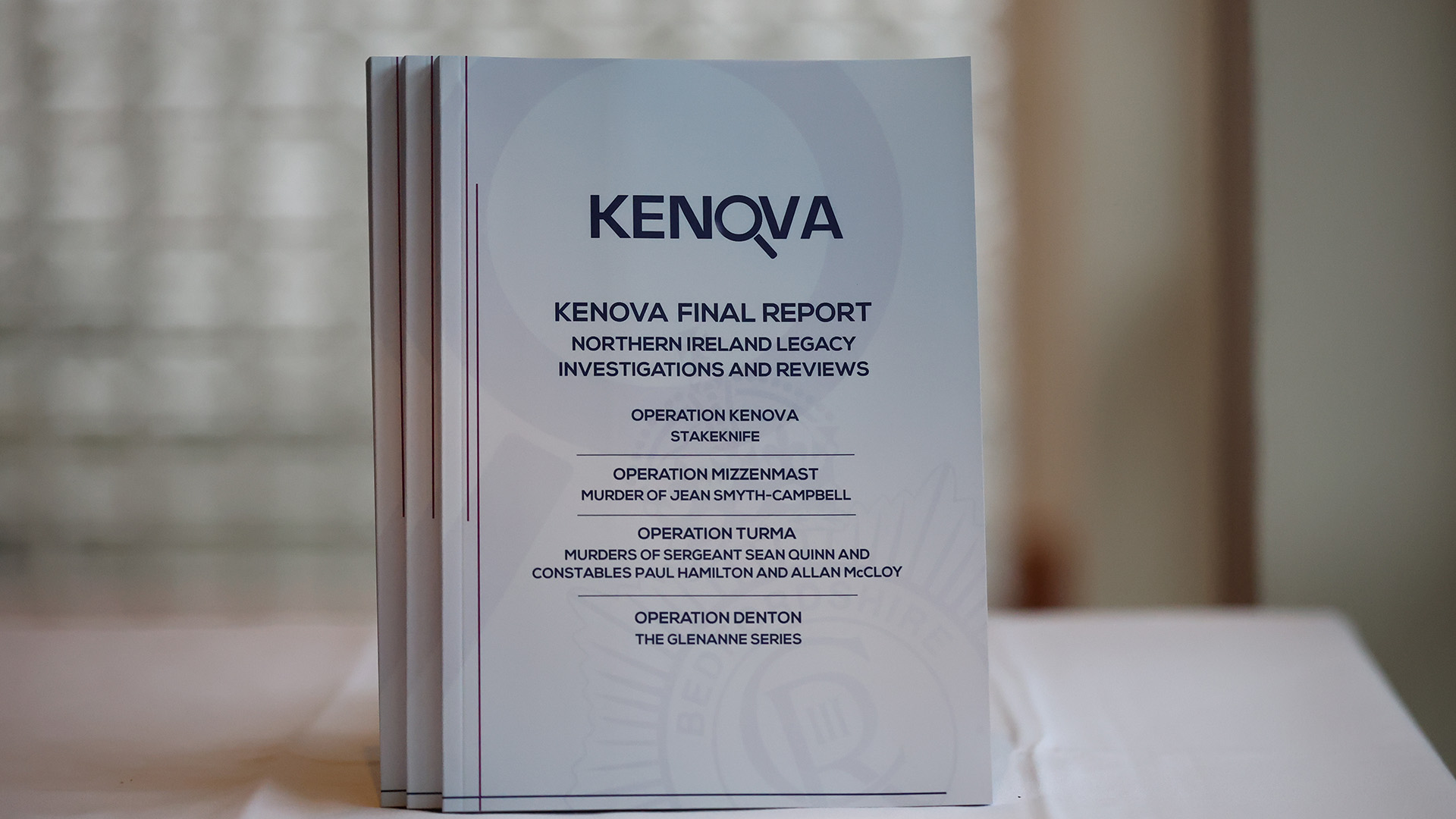
It comes as Operation Kenova, which was created in 2016 to look into the activities of Stakeknife within the Provisional IRA's internal security unit, published its final report.
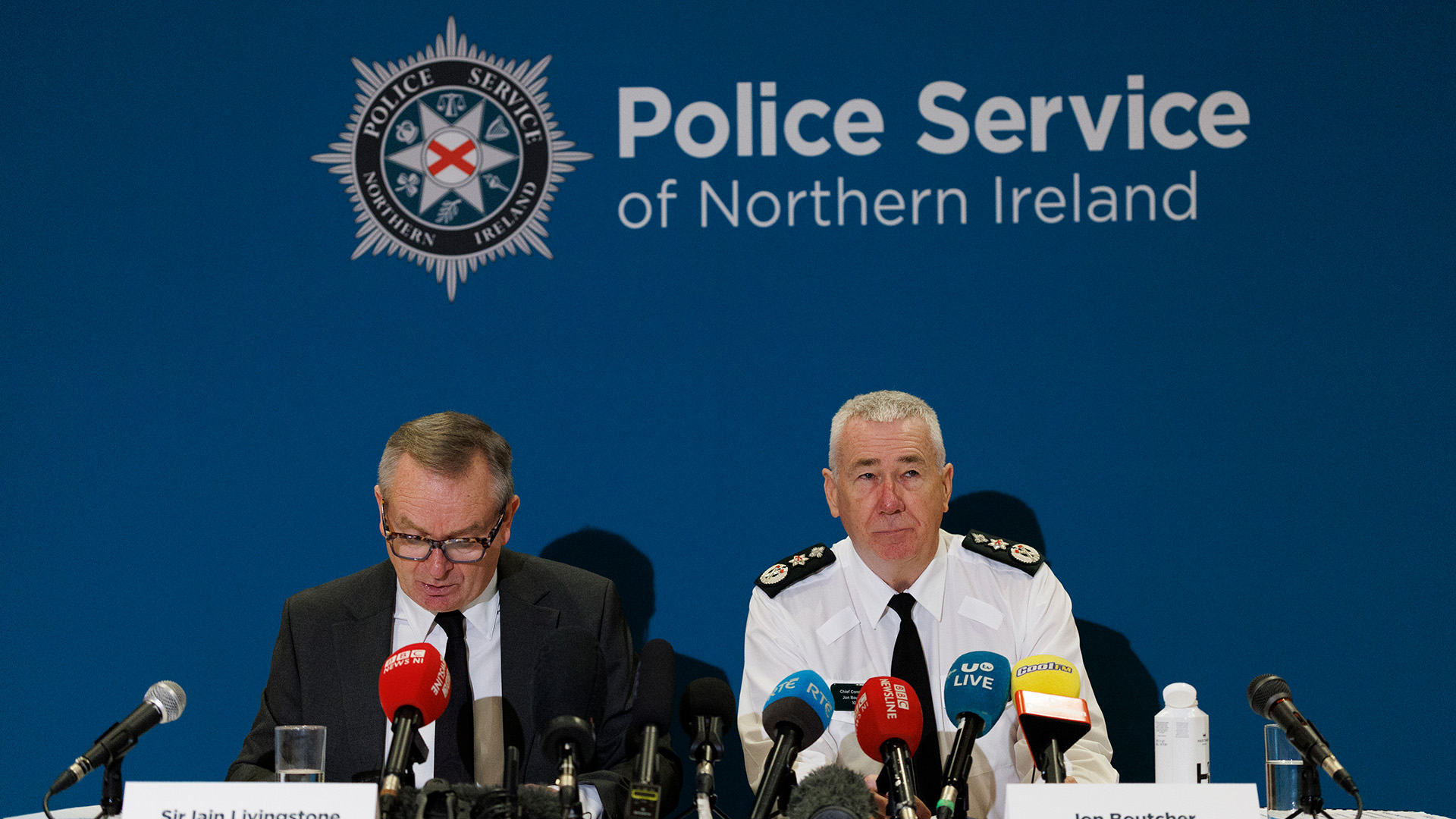
Operation Kenova's chief, Sir Iain Livingstone, said that there is a "compelling ethical case for the UK Government to derogate from the Neither Confirm Nor Deny (NCND) policy regarding the agent Stakeknife's identity".
"It is in the public interest that Stakeknife is named," Sir Iain added.
BFBS Forces News has looked into Stakeknife's alleged identity, Operation Kenova and the latest situation with the case.
Who is Stakeknife?
The British Army's top spy in the Provisional IRA was allegedly a West Belfast man called Freddie Scappaticci.
Mr Scappaticci was recruited in the 1970s and worked as an agent into the 1990s. He was offered "financial incentives" during and after the period when he was operationally active, ranging from the equivalent of an annual wage to lump sums of thousands of pounds used to buy a property.
He was part of the IRA's "nutting squad" questioning suspected informers during the Troubles.
It was claimed that the agent "committed grotesque, serious crime", including torture and murder, according to the interim Kenova report.
The report also highlighted that more lives were probably lost than saved through the operation of Stakeknife.
Mr Scappaticci, who denied being the notorious spy, died two years ago, aged 77.
What is Operation Kenova?
Operation Kenova is the probe investigating crimes such as murder and torture linked to Stakeknife, and the role played by the security services, such as MI5.
The investigation looked at more than 100 murders and abductions linked to the unit responsible for interrogating and torturing people suspected of passing information to the security forces over the Troubles.
It found 3,517 intelligence reports from Stakeknife, including 377 in an 18-month period.
The report revealed that "time and time again", the reports were not acted on, apparently prioritising the protection of the agent over those who "could and should have been saved".
The final report updated the past 10 recommendations made in the interim report last year, including a call for the UK government to acknowledge and apologise to bereaved families and surviving victims.
Kenova has called for a full apology from the Republican Movement for the Provisional IRA's abduction, torture and murder of those it suspected of being agents.
What is the situation with the case?
The final report has been released, leading to reaction from Belfast to London after the investigation showed what the agent did during his time being active.
Furthermore, the wider public still does not know if Mr Scappaticci was conclusively Stakeknife as the Government has still not named him publicly.
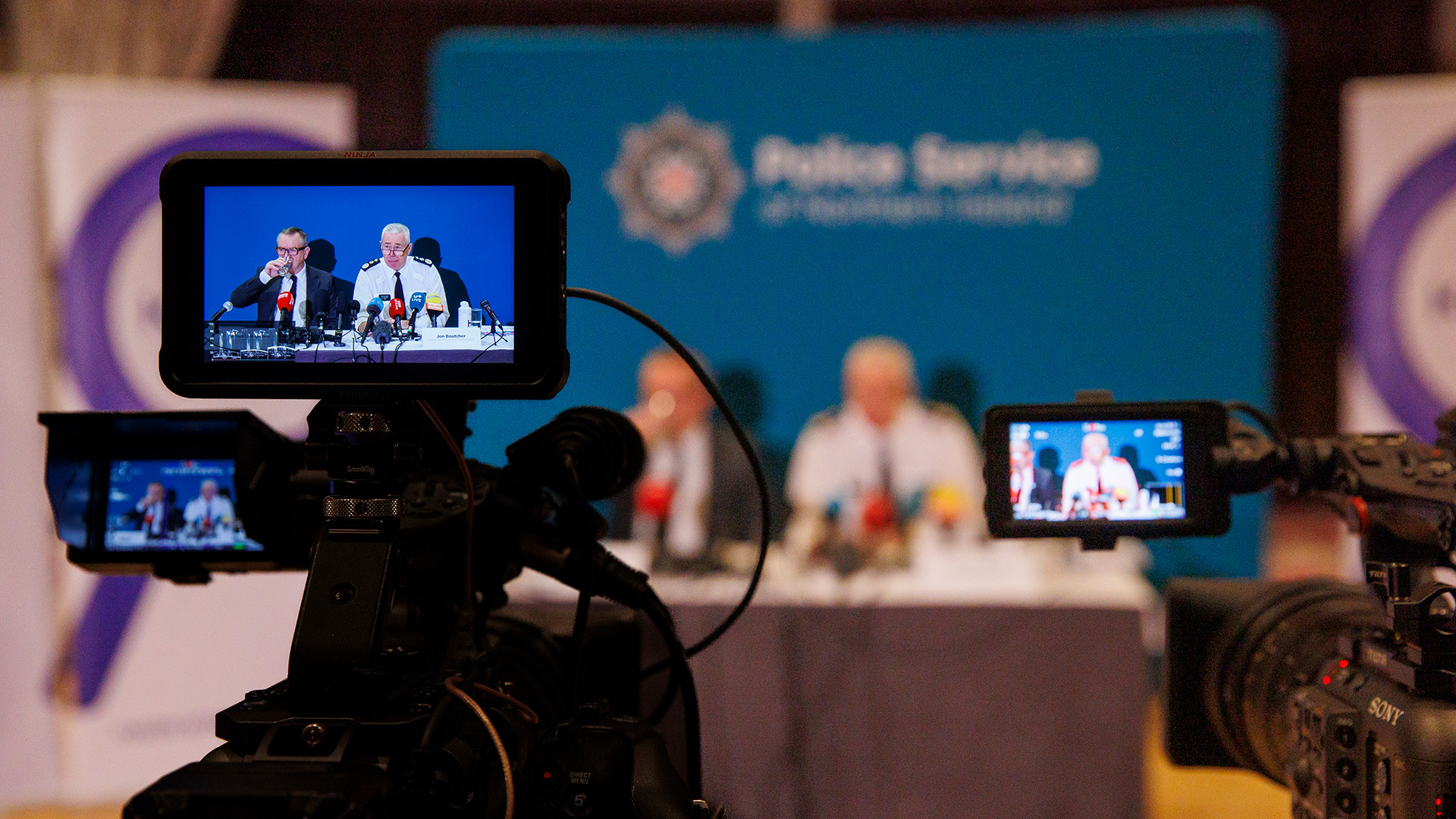
The Police Service of Northern Ireland (PSNI) Chief Constable Jon Boutcher, who was in charge of the Kenova investigation before taking over the PSNI, said that Mr Scappaticci had been a "critical person of interest" at the heart of Operation Kenova.
"No statement about the identity of Stakeknife can be made without reference to Freddie Scappaticci," Mr Boutcher told a press conference in Belfast.
"He is publicly alleged to have been a senior member of the IRA internal security unit and to have been Stakeknife.
"To directly quote a solicitor for the Kenova families who spoke to the BBC in 2024, the dogs in the street know that Fred Scappaticci is the agent Stakeknife."
Meanwhile, the independent report criticised MI5's initial failure to disclose all it knew about Stakeknife, calling it a "significant failure" on the service's part.
The final report said that MI5 had "earlier and greater knowledge" of Stakeknife than it had first stated.
Related topics
Join Our Newsletter