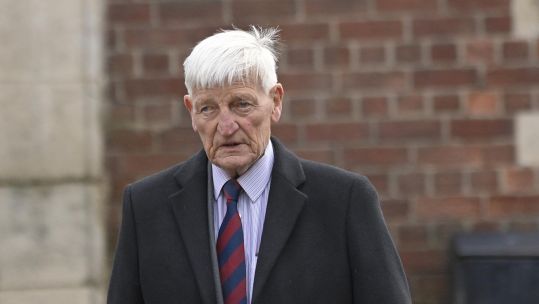
Dennis Hutchings: Veteran on trial over Troubles shooting dies, aged 80
The former soldier, 80, had been taken to hospital in Belfast after being diagnosed with coronavirus.


The former soldier, 80, had been taken to hospital in Belfast after being diagnosed with coronavirus.
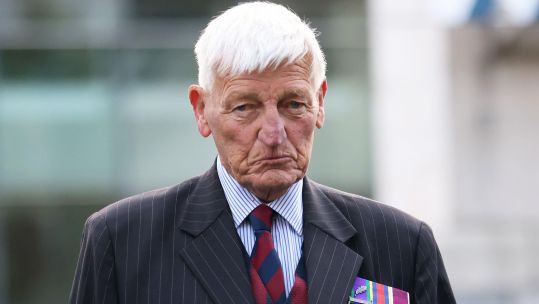
Veteran Dennis Hutchings, 80, is suffering from kidney disease.
Veteran Dennis Hutchings, 80, is suffering from kidney disease.
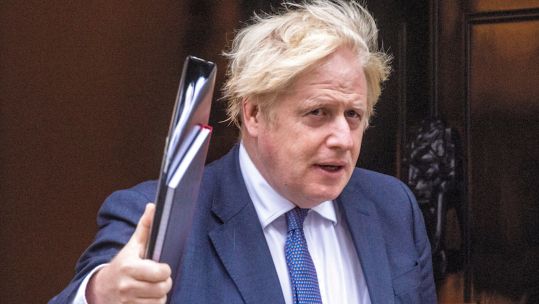
A letter signed by 36 members criticises plans for a statute of limitations that would end all prosecutions for incidents up to April 1998.
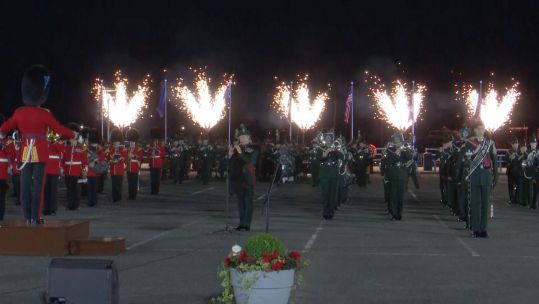
Musicians from the Irish Guards, Royal Irish, Royal Dragoon Guards and Queen's Royal Hussars last performed together in 1986.
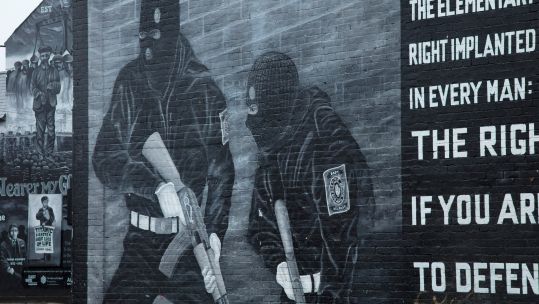
The Government has announced plans including a Statute of Limitations. But what exactly is it?
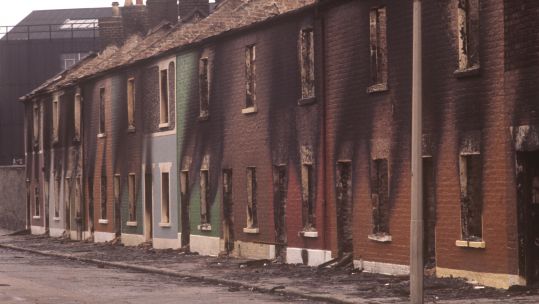
Before the proposals had been announced, victims and political parties had criticised them as a "de facto amnesty".

The prosecutions of Soldier B and Soldier F over events in Northern Ireland during the Troubles have been halted.
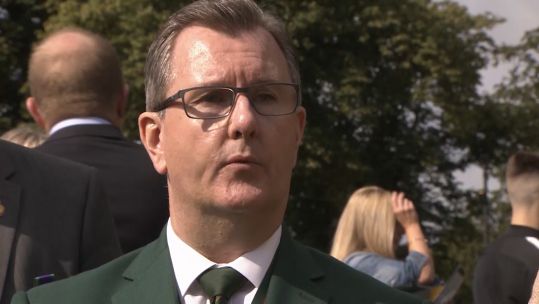
The former Ulster Defence Regiment Corporal replaces Edwin Poots who stepped down last week.
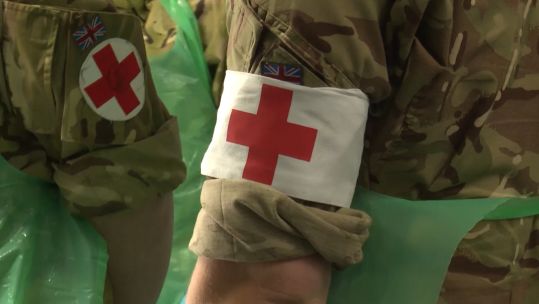
About 100 combat medical technicians (CMTs) have worked at the vaccination centre at the SSE Arena in Belfast in recent months.
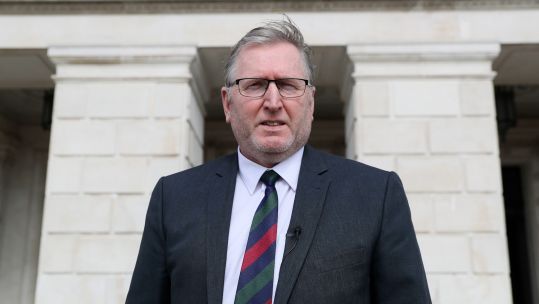
Doug Beattie, who served as a soldier for 34 years, was awarded the Military Cross for bravery in combat.
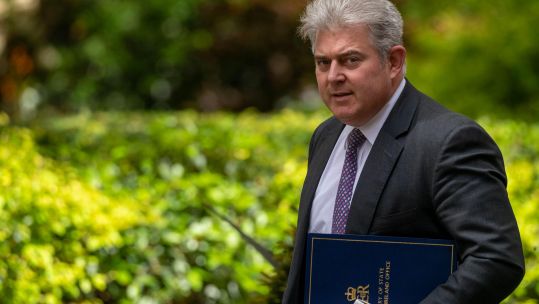
Northern Ireland Secretary Brandon Lewis said the Prime Minister is writing personally to the families of the victims.
A coroner ruled that victims were "entirely innocent" and that British Army soldiers were responsible for nine of the fatal shootings.
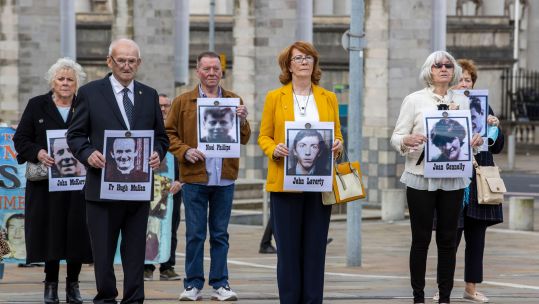
The coroner attributed nine of the 10 shootings to the British Army and said the use of force by soldiers had been "disproportionate".
The Queen's Speech said measures will also be brought forward to strengthen Northern Ireland's devolved government.
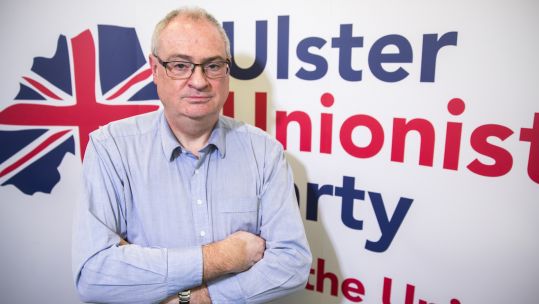
Decorated British Army veteran and MLA Doug Beattie is viewed as a potential party leadership successor to Steve Aiken.