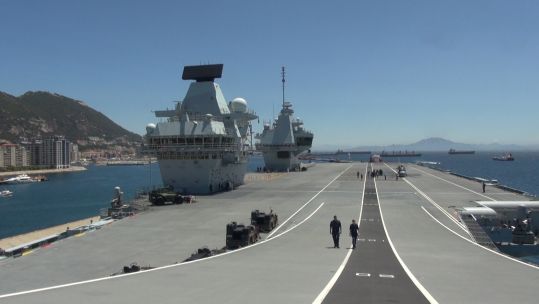
HMS Prince Of Wales In Gibraltar For First Overseas Visit
The 65,000-tonne Royal Navy aircraft carrier has been undergoing different simulations to prepare for active deployment.


The 65,000-tonne Royal Navy aircraft carrier has been undergoing different simulations to prepare for active deployment.
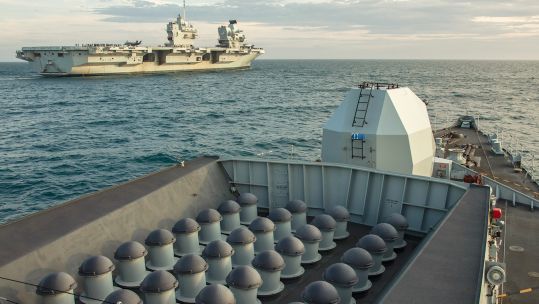
HMS Queen Elizabeth is leading UK Carrier Strike Group 2021 – but what does this include?
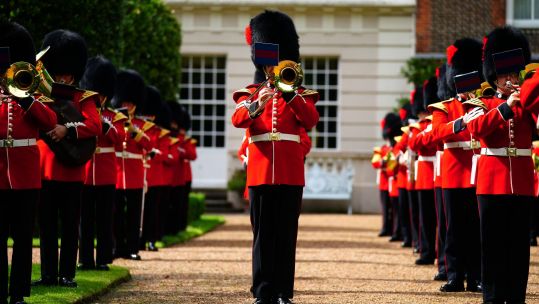
Prince Charles invited the Coldstream Guards to perform at Clarence House as England prepare for their game against Denmark at Wembley.
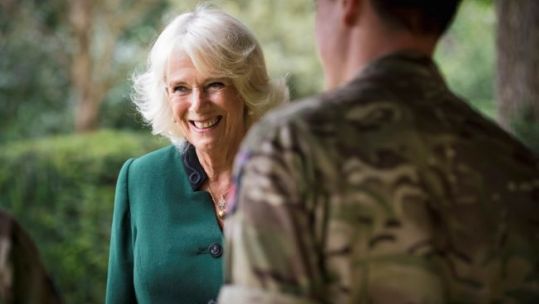
The Duchess is supporting HorseBack UK, which uses horses to help forces personnel and veterans suffering from life-changing injuries.
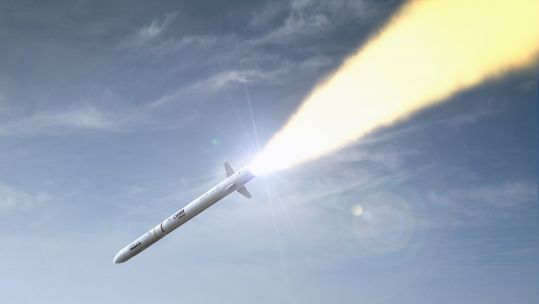
The upgrade will see the integration of Sea Ceptor into the Type 45 destroyers' Sea Viper weapon systems.
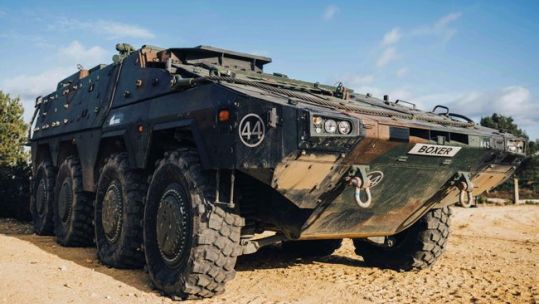
Production of the British Army's Boxer vehicles has started at WFEL's plant in Stockport.
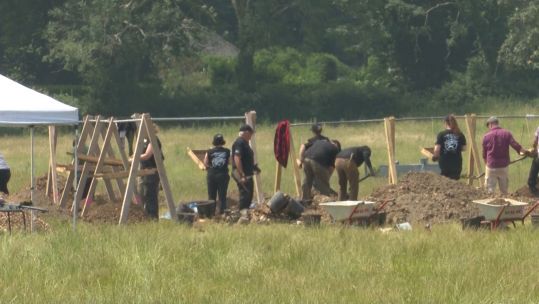
The American Liberator B-24 bomber was forced to crash land in West Sussex after taking heavy anti-aircraft fire in France.
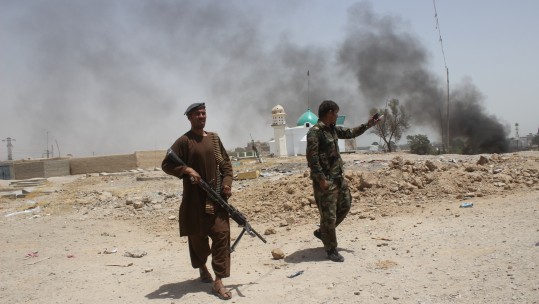
Former Chief of the General Staff, Lord Dannatt, warns that the Afghan people now have a choice to make.
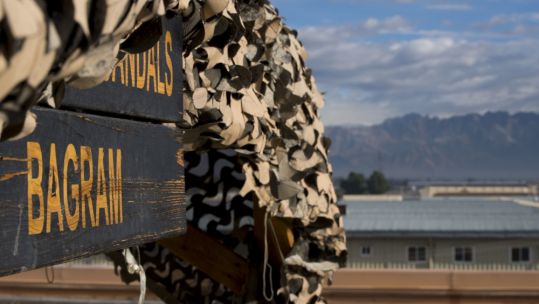
UK personnel first arrived in Afghanistan in 2001 and since then more than 150,000 personnel have deployed into theatre.
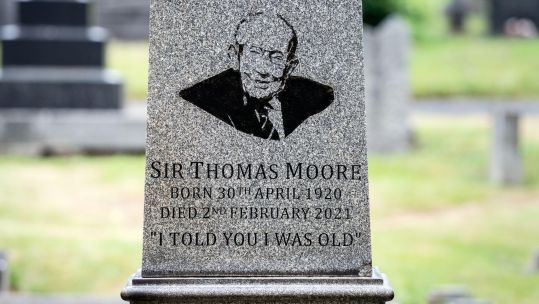
The family carried out Sir Tom's wishes having the words "I told you I was old" engraved on the 7ft high family memorial stone.
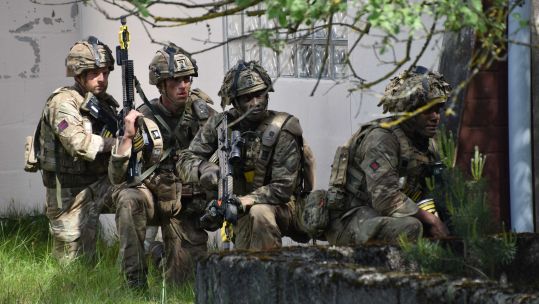
The AI technology was used as part of Exercise Spring Storm in Estonia, providing data on the surrounding terrain and environment.
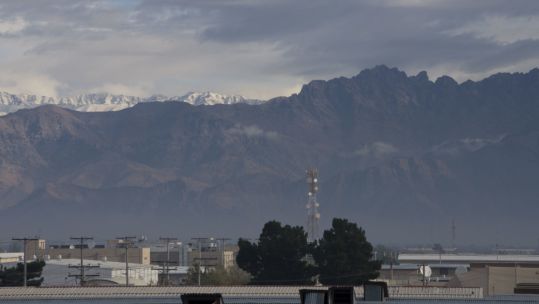
Military personnel are withdrawing from Afghanistan after two decades in the country.
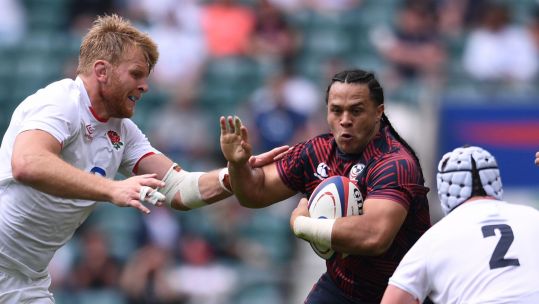
Josh McNally is the first male RAF rugby player to represent England since Rory Underwood who played for the side from 1984 to 1996.
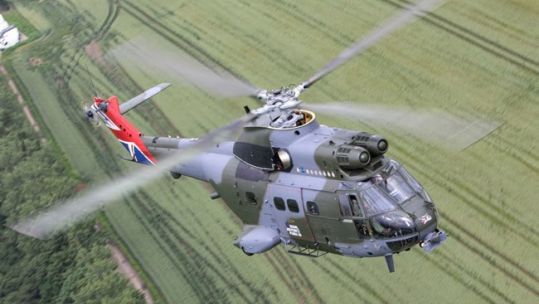
Half a century after the aircraft was delivered into service, a newly-painted Puma has been unveiled at RAF Benson.
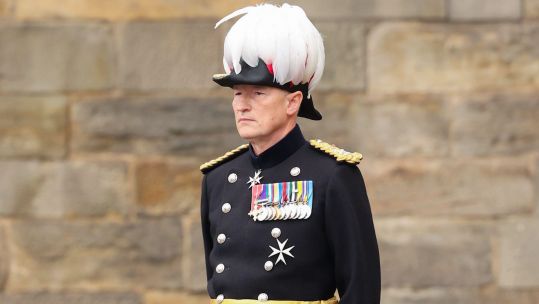
The British Army's Major General Alastair Bruce has married his partner of 20 years, Stephen Knott, in Edinburgh.
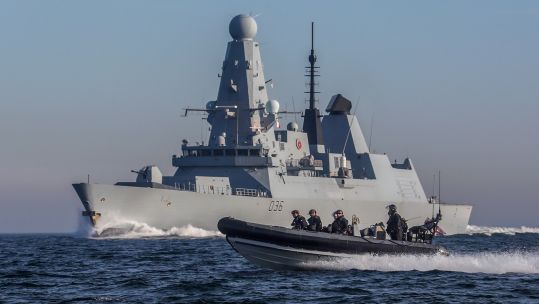
The Royal Navy warship, HMS Defender, was accused of sailing in what Moscow considers Russian territorial waters.