Carns clarifies 'misinformation' on reserve reforms, says veterans only affected if they opt in
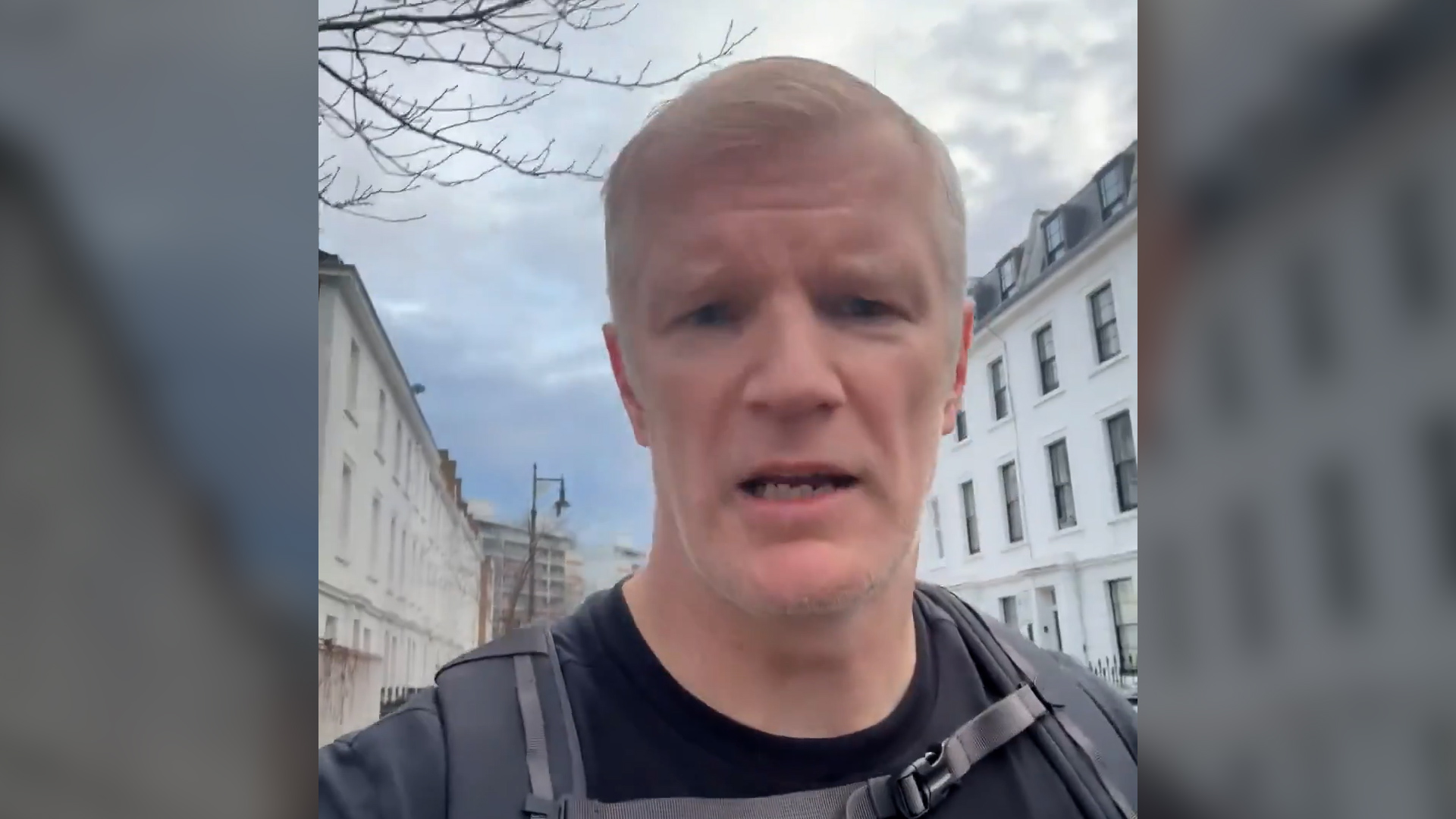
The Armed Forces Minister has posted a video on X to rebut what he called "misinformation", after the Government set out plans to change its recall rules.
Al Carns said the changes to recall arrangements will be aimed at those who are still serving, not those who have already left the Armed Forces.
The minister explained that planned reforms to the reserves will not affect veterans unless they choose to opt in.
- Strategic Reserve age limit rising to 65 so more can be recalled should war loom
- Going underground: Army Reserve medics set up field hospital below street level
- Reserve forces on the rise: How Europe's reacting to the threat posed by Russia
In the video, he told viewers: "You've heard lots of stuff in the news recently about the recent changes to the reserves, so here's what it really means."
The Government says the changes are designed to make it easier to draw on trained people in a crisis, and to simplify how personnel move between regular service and the reserves.
The Armed Forces Bill proposes lowering the threshold for when reservists can be recalled, so they could be called up for "warlike preparations" as well as in cases of "national danger, great emergency or attack on the UK".
The reforms also include plans to make it easier for people to move between regular and reserve roles, and extend the age limit for serving in the reserves to 65.
The changes are expected to come into force from spring 2027.
Dealing with a 'mess'
Mr Carns argued that the current reserve system is overly complicated.
"Now, the reserve system without a shadow of a doubt, is a mess," he said.
"We have volunteer reserves, strategic reserves, recall reserves, regular reserves, different pensions, different recall, different justification for liability, different pay, and so on."
The reforms include plans to align recall arrangements across the three services.
Making 'zigzag careers' easier
The minister said the reforms are also intended to make it simpler for people to move between regular service and the reserves, both after leaving full-time service and for reservists who want to join the regulars.
"And the second bit is about transitioning. So many people have told me how difficult it is once they have left the military to then join the reserves, or if they're in the reserves, to join the regulars," he said.
"These changes will make it more seamless and what we call zigzag careers. Go to regular, go to full-time and back again. Make it nice and simple."
Why the age limit is rising
The minister said the services will raise the maximum age for reserve service to 65, arguing that many reservists can continue to contribute skills from their civilian careers well beyond 55.
"So the Army, Navy and Air Force will now extend the ability for individuals to work in the reserves out to 65," he said.
Mr Carns said the changes are aimed at updating defence's employment model and improving preparedness if the security situation worsens.
"Now, my view, these changes are absolutely necessary. The world is more fragile than ever before, and defence needs to change its employment model to represent the workforce needs," he said.
Veterans and opt-in
Mr Carns stressed that the new arrangements will not change the recall liability of people who have already left, unless they choose to opt in.
However, it is currently unclear what "opting in" would involve in practice, what legal liability it would create, and whether or not veterans who opt in would later be able to opt out.
That detail may matter for older veterans, or those with health conditions or other constraints, who might be concerned about signing up to a new form of recall obligation.
Related topics
Join Our Newsletter