COVID-19: Military Could Be Next 'Priority' To Receive Vaccine
Members of the Armed Forces could be next in line for the coronavirus vaccine once the highest risk groups have been inoculated, a new report suggests.
They could be the next "priority" to receive vaccines, alongside teachers and bus drivers.
Vaccine experts advising the Government have published a detailed list of who should get offered the COVID-19 jab as a priority.
The Joint Committee on Vaccination and Immunisation (JCVI) said care home residents were among those who should be given the vaccine first.
The committee published interim guidance earlier in the year, but this has now been amended slightly, detailing who should be first in 'phase one' of the mass vaccination programme, including the elderly and those at highest risk of the disease.
Once this phase is completed the JCVI has suggested that those who are at increased risk of COVID-19 because of their work could be offered the vaccine next.
JVCI experts have said that they have not yet offered official advice about future phases of the rollout.
A new document published by the advisory body states: "Vaccination of those at increased risk of exposure to Sars-CoV-2 due to their occupation could also be a priority in the next phase.
"This could include first responders, the military, those involved in the justice system, teachers, transport workers, and public servants essential to the pandemic response."
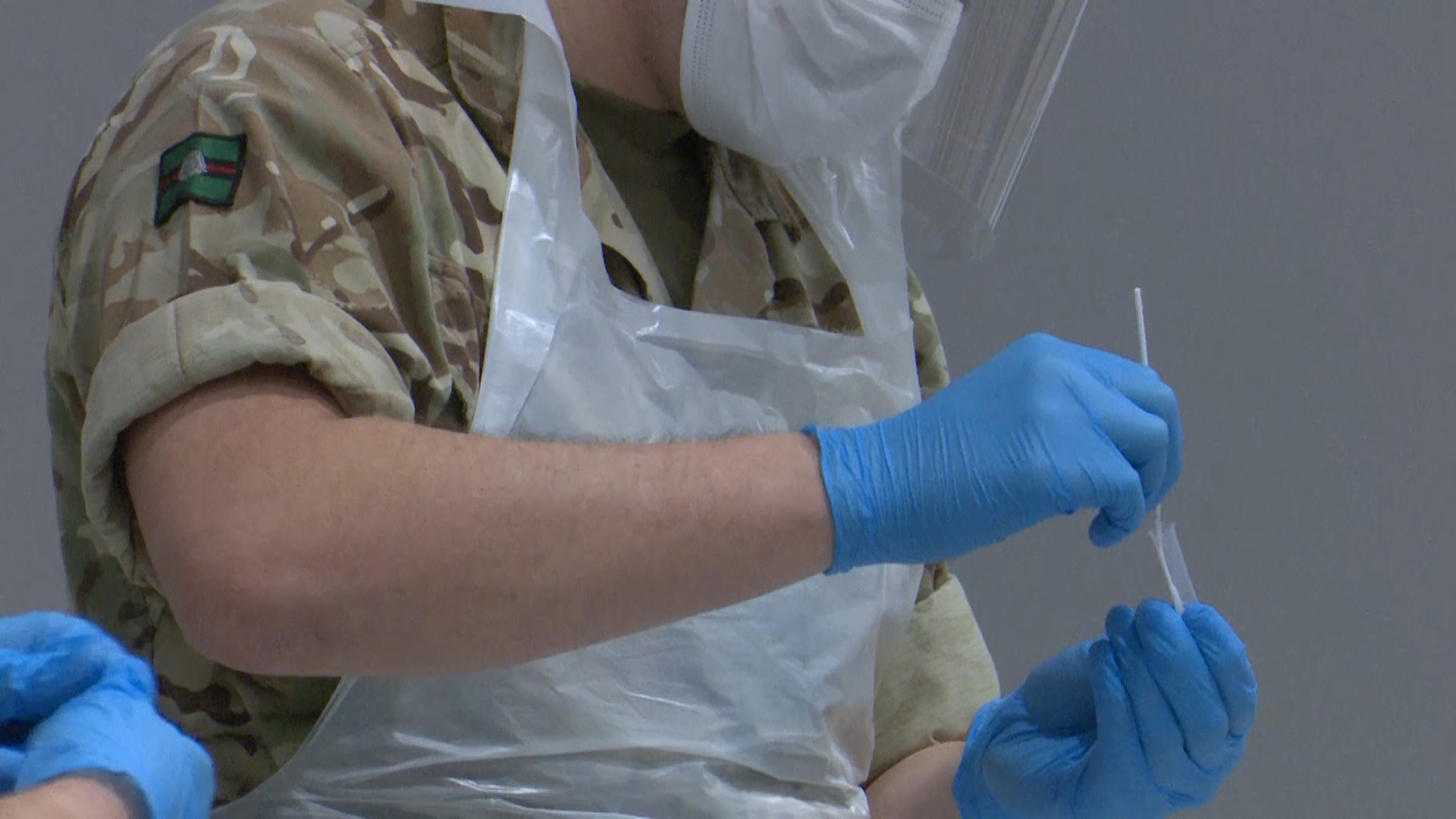
Military personnel are to assist in the vaccine rollout, while 25 service members have been drafted in to advise the Government’s Vaccination Task Force.
In the new phase one guidance, people who are deemed to be "clinically extremely vulnerable" have moved higher up the priority list.
The priority list for the first phase one of the COVID-19 vaccination programme is:
- Residents in a care home for older adults and their carers
- All those 80 years of age and over and frontline health and social care workers
- All those 75 years of age and over
- All those 70 years of age and over and people deemed to be clinically extremely vulnerable
- All those 65 years of age and over
- All individuals aged 16 years to 64 years with underlying health conditions which put them at higher risk of serious disease and mortality
- All those 60 years of age and over
- All those 55 years of age and over
- All those 50 years of age and over
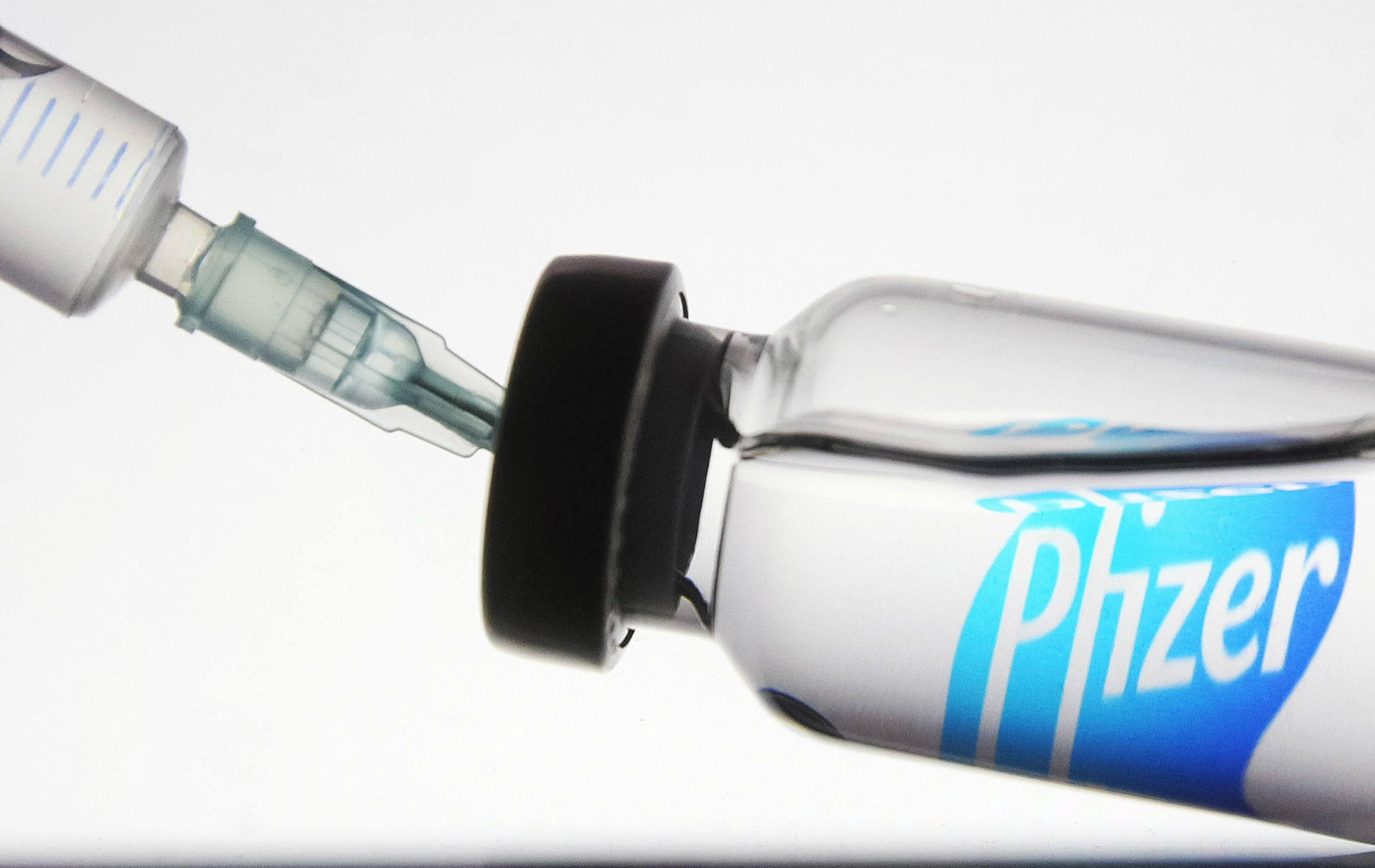
The JCVI guidance states that the Pfizer/BioNTech vaccine "appears to be safe and well-tolerated and there were no clinically concerning safety observations".
The document sets out why officials have come to the priority list conclusions.
It also states that the JVCI has taken a "precautionary" approach in advising that pregnant women should not get the vaccine because there is “no data as yet on the safety of COVID-19 vaccines in pregnancy”.
Meanwhile, only very specific high-risk children should be offered the vaccine, the document adds.
The JCVI’s chair for COVID-19 immunisation told a Downing Street briefing that phase one of the vaccination programme would protect those most at risk as well as health and social care workers.
Professor Wei Shen Lim told a Number 10 briefing that from then on the programme would see a banding system, whereby those in the oldest age groups are vaccinated first.
Cover image: PA.
Related topics
Join Our Newsletter