How the Royal Navy is using avatars to prevent injuries and prepare personnel for war
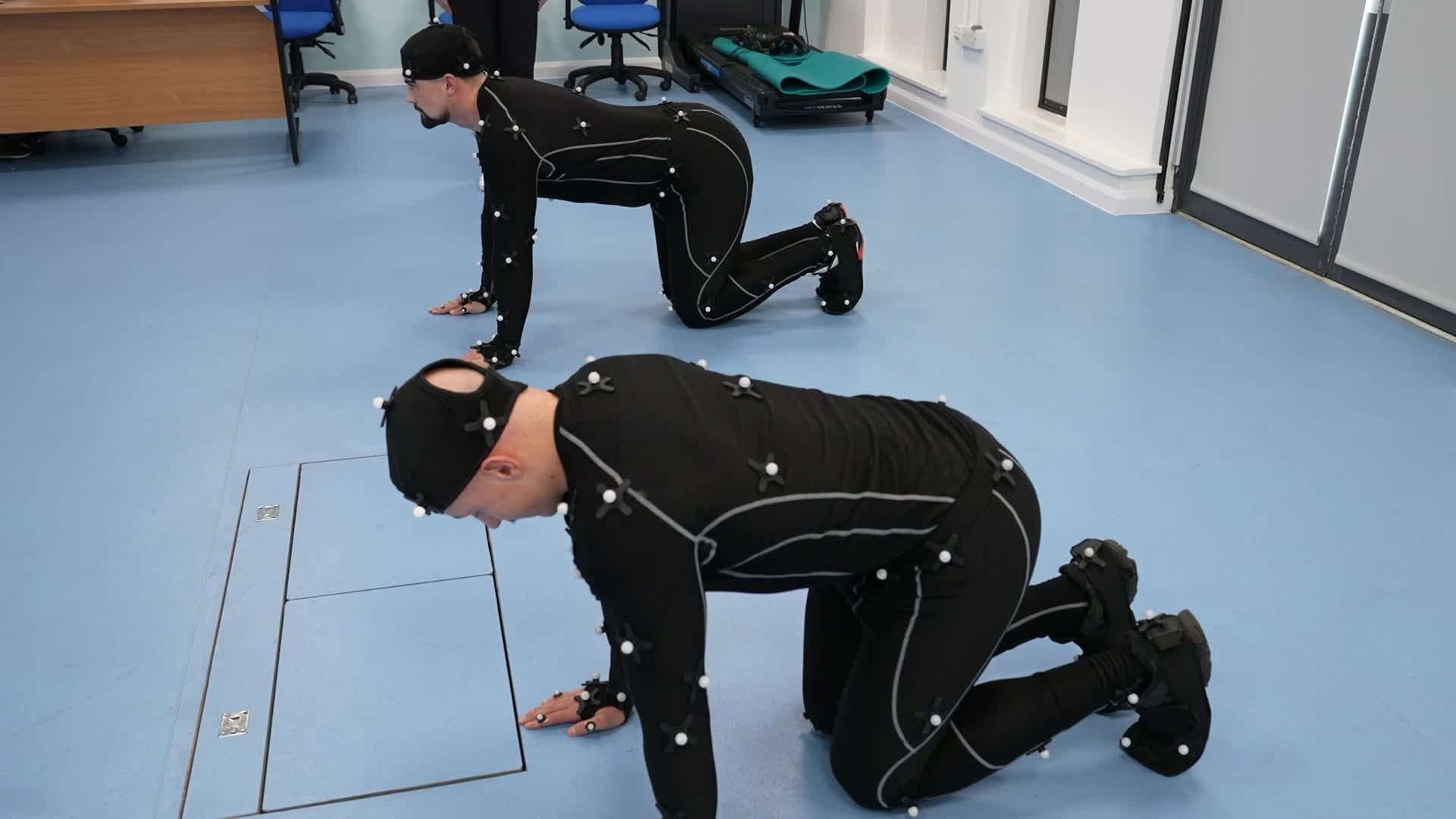
In a gym-turned-studio on campus at the University of Southampton, three Royal Navy physical training instructors don black morph suits and caps and plaster themselves with sticky sensors.
Their mission is to create avatars to teach the rest of the Royal Navy and Royal Marines how to move better.
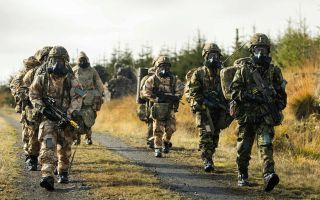
As militaries around the world clamber to recruit to strengthen their forces, at the same time, they face a lesser-known catastrophe.
Not fully deployable
In the UK, across all three services, more than 20% of personnel are not fully deployable. Just over half of these can be deployed, but with limitations to duties. The other half are not deployable at all.
In the Royal Navy and Royal Marines, just over 11% of sailors and almost 7% of marines are not fit to go to war.
And the majority of these medical downgrades – half of all Royal Navy downgrades and two-thirds in the Royal Marines – are due to musculoskeletal injuries.
In fact, such injuries account for 50% of all medical discharges from the Royal Navy.
To try to solve the problem, the Royal Navy has turned to science. Working together with the universities of Exeter, Bath and Southampton, in 2023, the Institute of Naval Medicine launched a huge piece of research encompassing six different PhD research topics.
The Royal Navy Musculoskeletal Injury Mitigation Programme aimed to create a screening model that might predict injuries, find ways to protect against them and support effective rehabilitation, so more personnel are fit for war.
Eight body moves
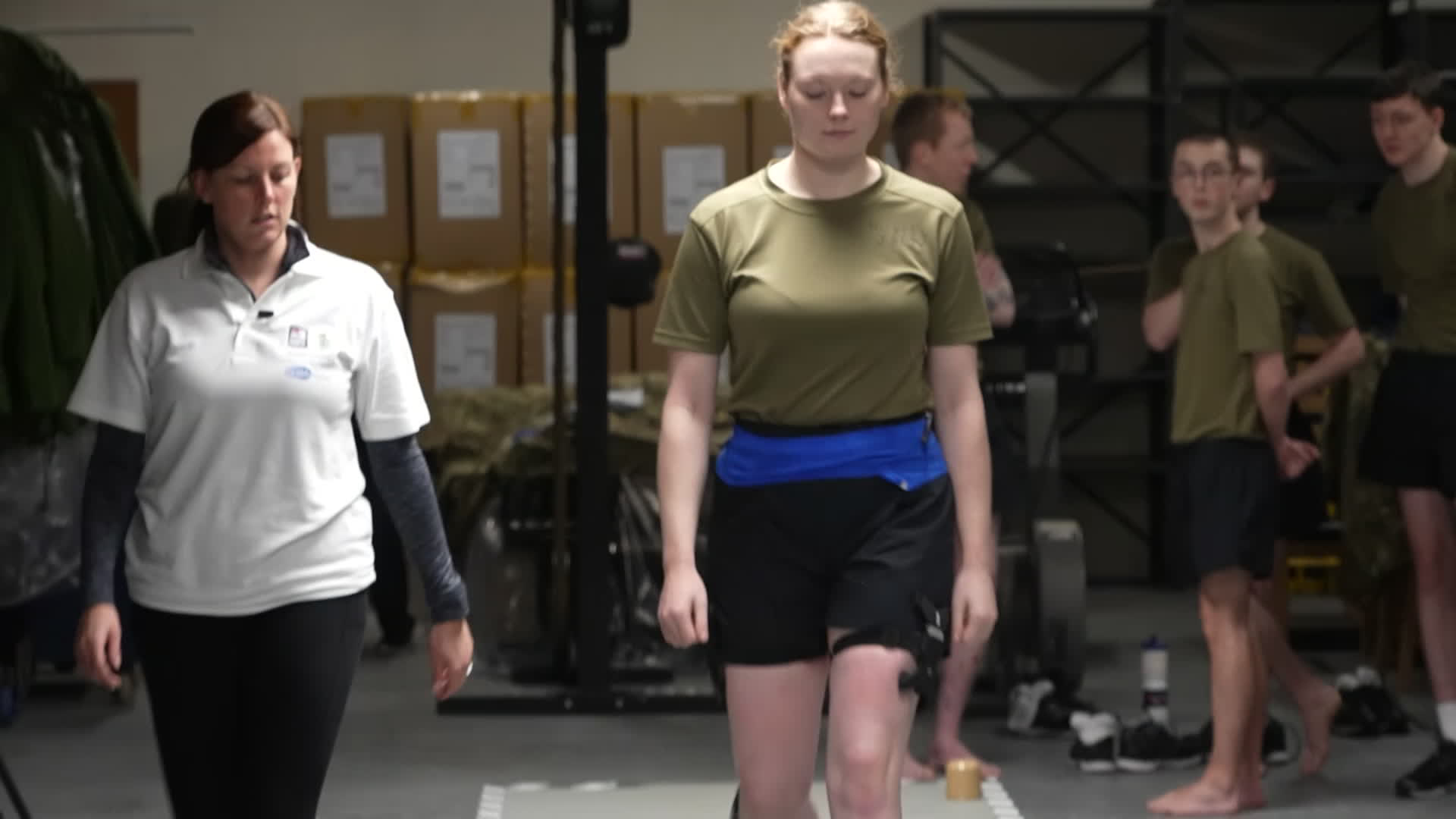
They measured thousands of recruits and officer cadets. From this huge data set they established one common cause of injury. Something remarkably simple. Personnel simply did not move well.
Likely a combined symptom of a changed society more familiar with gaming than running around football pitches, and the need to accept a wider pool of recruits into basic training to get personnel through the doors, regardless of cause, the Navy needed a solution.
The researchers joined forces with PTIs and set about designing an intervention that would protect them from injury.
They came up with a simple list of just eight body moves that should be incorporated into warm-ups whenever they were to engage in training.
They created tailored versions – with simpler moves for those applying to join up, progressing to more difficult ones to be completed through basic training, and more still for personnel to carry throughout the rest of their careers.
Reaping the rewards
"We found if we strengthened through the core and the glutes – the middle part of the body, really – this can have a positive effect on the limbs," said Shelley Walls, a physiotherapist and PhD student at the University of Southampton who led this part of the research.
And they have already been seeing results.
"We've noticed the lower limb musculoskeletal injuries have plummeted. We've seen a massive difference," LPT Joel Hassan, a PTI at BRNC Dartmouth, told BFBS Forces News.
"It can be quite difficult turning someone from a civilian into a military individual."
According to Shelley Walls, early data from HMS Raleigh shows injuries were 23% lower after incorporating the moves into a warm-up.
But the secret sauce in this possible cure? Doing the movements correctly. Hence, the attention to detail creating the avatars that will help teach this to the rest of the force.
Related topics
Join Our Newsletter