Drones in the desert: How the British Army is training for the wars of tomorrow
The British Army is training to fight a new type of war.
Drones have dramatically changed the risks soldiers face on the battlefield in only a few years of war in Europe, forcing the UK to adapt its tactics and training to meet this evolving threat.
For the first time, 1st Battalion The Princess of Wales's Royal Regiment (1PWWR) is learning to fight in the desert with drones and electronic mapping.
Old friends and new beginnings
Exercise Olive Grove has been bringing 1PWRR out of the sunshine of Cyprus and into the tough terrain of Jordan for many years, returning to Camp Al Quwayrah to train with longstanding allies, the Jordanian armed forces.
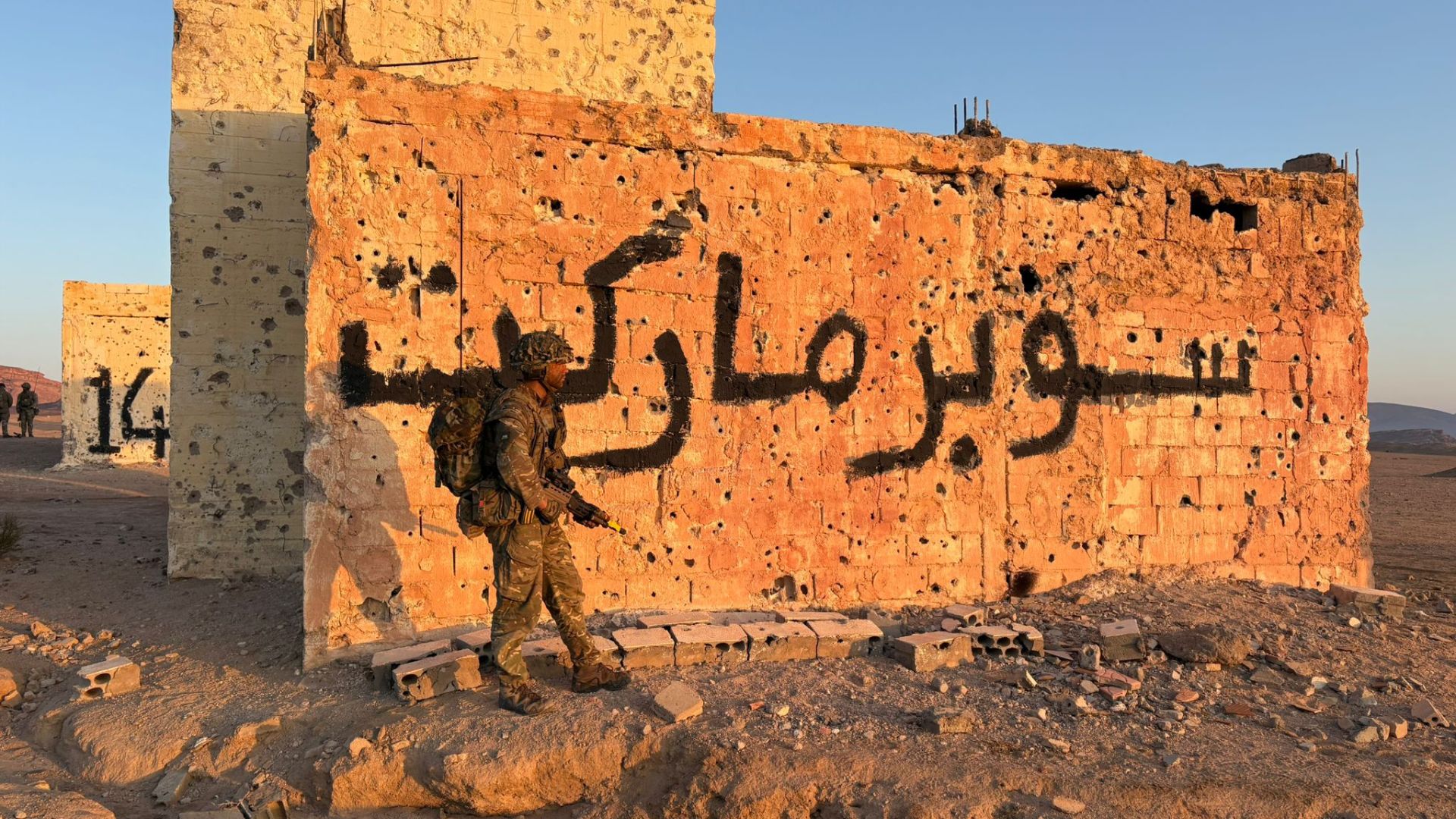
Around 70 infanteers from C Company and others from B Company are exercising for 10 days, eating little but rations while in the desert.
Private Daniel Reynolds said: "The terrain's been challenging."
The 31-year-old from Weston-super-Mare recently left his job as a ground worker to join the British Army.
"The exercise is good, just hard work – pretty much what I expected from joining the Army."
Tech and tactics for the war of tomorrow
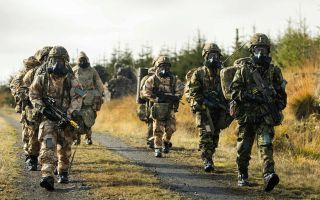
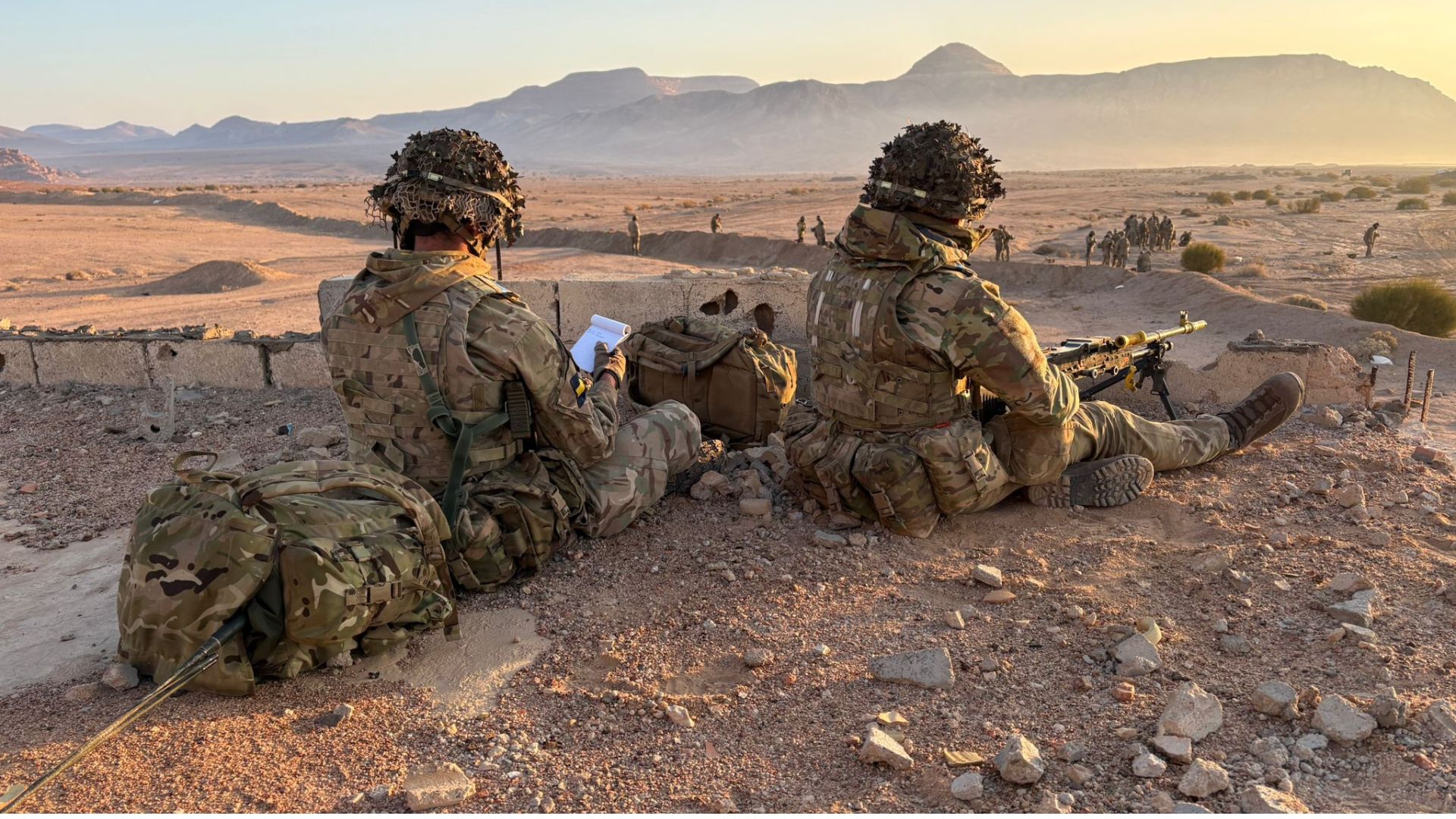
The Tigers are practising everything from the smallest section attacks to full company manoeuvres.
The basic warfighting hasn't changed, but drones have made it harder to rely on old tactics and technology to win the fight, and the infanteers now watch for movement in the sky as much as on the ground.
C Company is training with Uncrewed Aerial Systems (UAS) and Electronic Dismounted Situational Awareness (EDSA) for the first time.
"This exercise, we've been trying to refine our Recce Strike doctrine," said Major Ross Weir, Officer Commanding C Company.
Commanders manage platoon positions using a phone-sized screen on their chest, feeding live battlefield updates to the Company Major and Battlegroup Headquarters.
Recce and sniper platoons push forward as drones map the battlefield with units dispersed across greater distances to minimise casualties.
"Fundamentally, the basics are the same, but we're now integrating new technology to make us more lethal," said Maj Weir.
Regional security and promoting stability
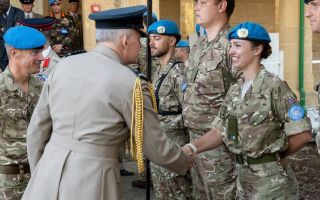
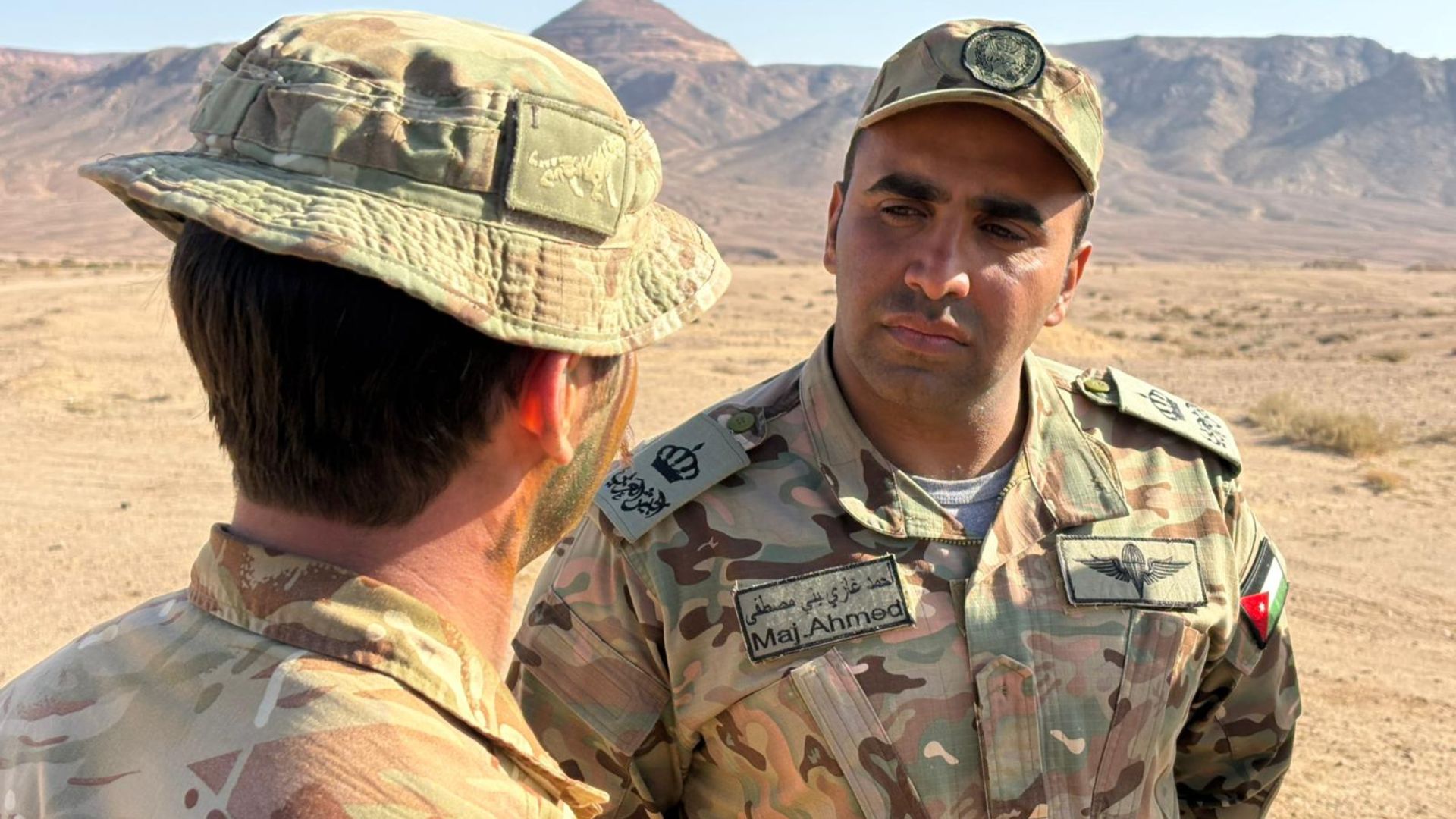
It's the Tigers' second year exercising with the Jordanians, sharing skills and strengthening regional ties.
The training helps the 15th Khalid bin Al-Walid Battalion, King Hussein Brigade, learn new skills honed by the British Army.
The annual visit reinforces stability in an increasingly unstable part of the world.
"I've been really heartened by the close cooperation between us and the King Hussein Brigade," said Lieutenant Colonel Alex Cherry, Commanding Officer, 1PWRR.
"That's a relationship that's really developed over the last 18 months and has come to fruition by operating tactically together and learning about each other's cultures and heritage."
Major Ahmed,15th Khalid bin Al-Walid Battalion, said: "I think the British Army is one of the best in the world and we learn a lot from them."
BFBS Forces News in the desert
We spent three days following the Tigers in Jordan - only a fraction of the month 1 PWRR spent preparing for the 10-day Olive Grove exercise.
In the short time we were attached to C Company, we saw firsthand how developing technology is being used to better prepare for modern battle.
The British Army is training for conditions set by the war Ukraine is fighting against Russia.
The technology used by both sides is changing on a weekly basis, making it increasingly difficult to anticipate how a battalion like 1 PWRR will fight in a potential war in the coming years.
Training can make the Army fit enough to fight, but only regularly updated technology can keep it sharp enough to win.
Related topics
Join Our Newsletter