Fail to prepare, prepare to fail: a guiding principle in all walks of life, but for Armed Forces personnel, it can mean the difference between life and death.
The recent incident of a climber who was found by a small contingent of Dutch and Royal Marines curled up in the snow near the summit of Ben Nevis highlights the dangers of cold-weather mountainous terrain.
It is precisely for situations like this that the UK Armed Forces personnel are taught HAVERSACKS – one of many acronyms drilled into soldiers operating in environments ranging from the desolate fjords of Norway to the rugged peaks of Nevada.
- Ben Nevis climber 'would not have survived' had it not been for Royal and Dutch marines
- Exclusive: British and US Marines take on dual gruelling trial in heat and high altitude
- Frozen eyeballs and hypothermia: What really happens during ops in places like Greenland
So, what does this acronym stand for, and why is it important? BFBS Forces News breaks it down below:
H
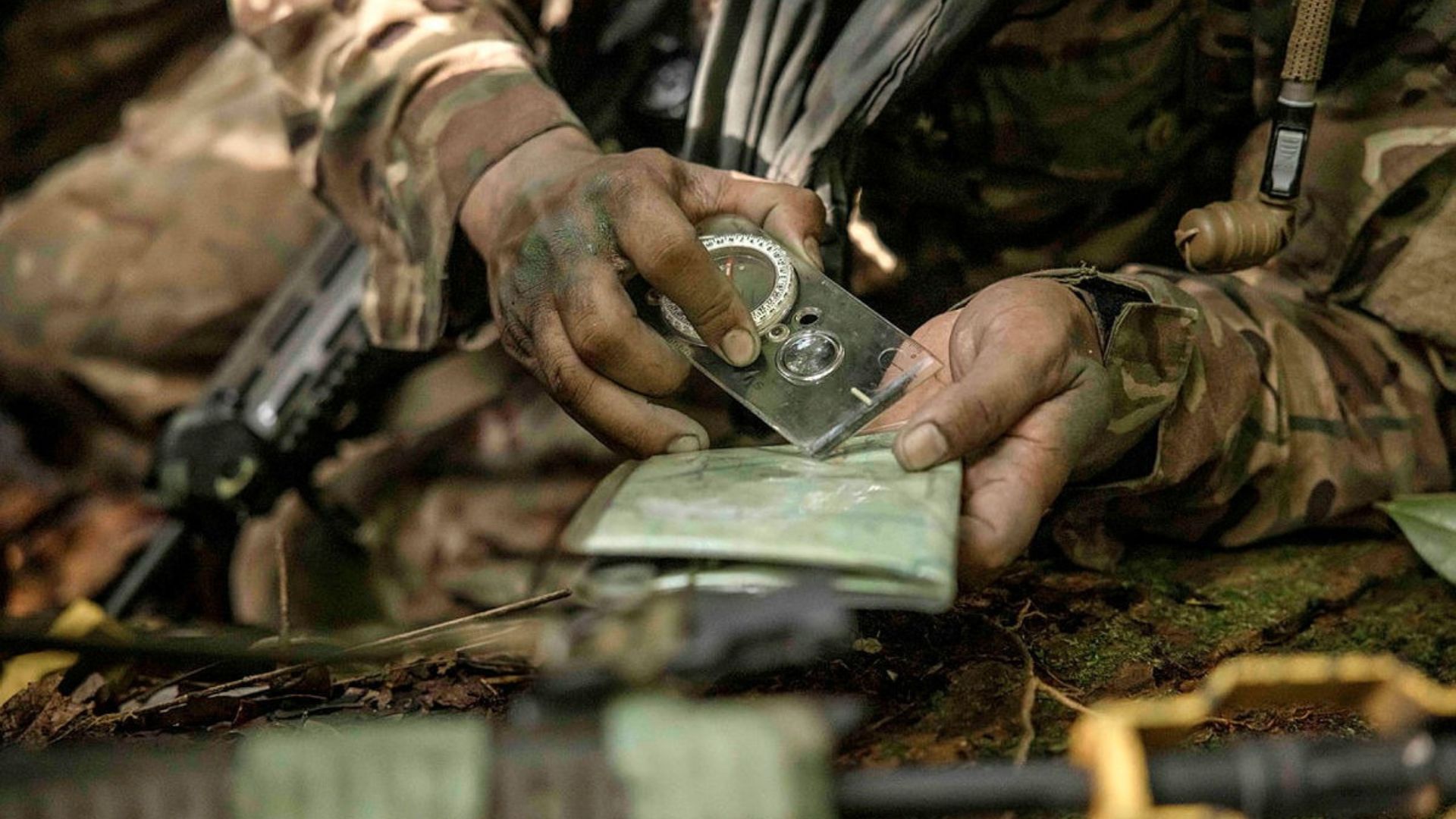
Have a map, compass, pencil, notepad, whistle, FFD and a knife
In mountainous terrain, peaks, valleys, and steep slopes can obstruct line-of-sight communication with satellites, making it difficult for GPS devices to obtain an accurate position fix on your position.
In austere environments like Norway, where temperatures frequently fall below -30 °C, GPS devices can become slow to respond in the cold, batteries drain far more quickly, and tracking your position accurately is almost impossible.
The trusty map and compass, on the other hand, are unaffected by these limitations.
A small notepad and pencil can be easily pocketed and can play a vital role in mountain safety.
Suppose you have to administer first aid, and the emergency caller is requesting information from you. By quickly jotting down the five W’s (who, what, when, where, why), treatments and observations can be relayed in quick time, potentially saving a life.
Perhaps you find yourself in unfamiliar or complex terrain. Noting which turns you took and any significant landmarks you come across can be extremely helpful – especially in adverse weather with low visibility.
And why a pencil? Well, unlike ink, graphite works in all conditions - rain, snow, extreme cold, or high altitudes.
In these environments, sometimes going back to basics is the smartest choice.
An FFD – or first field dressing – can be used to staunch bleeding from falls, as a sterile barrier to protect cuts or open wounds or as a makeshift sling for arm or shoulder injuries.
A knife is equally versatile, useful for cutting ropes, preparing food, or creating kindling for fires in emergencies.
A
Always wear the correct clothing and carry spare
Be bold, start cold: a hiking maxim which advises beginning with as few layers as possible to prevent overheating and avoid sweating.
Adopting the layering system: a base layer to wick away moisture and sweat, a mid-layer to trap the body heat for warmth and an outer layer to protect against the elements ensures adaptability in any climate.
Should the weather take a turn for the worse, a spare change of dry clothes can be necessary to avoid conditions such as hypothermia.
V
Victuals in case of emergencies
Victuals – food and provisions – should be packed with safety in mind. Choose non-perishable, easy-to-prepare and nutrient-dense foods, which include tinned soup, trail mix or granola bars.
Avoid foods that can cause dehydration: crackers or salt-cured meats, or those high in sugar. Perishable items such as dairy can spoil quickly, causing food poisoning.
Hydration is key, so take more than is necessary.
E
Ensure you carry the correct equipment and know how to use it
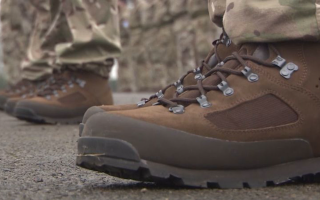
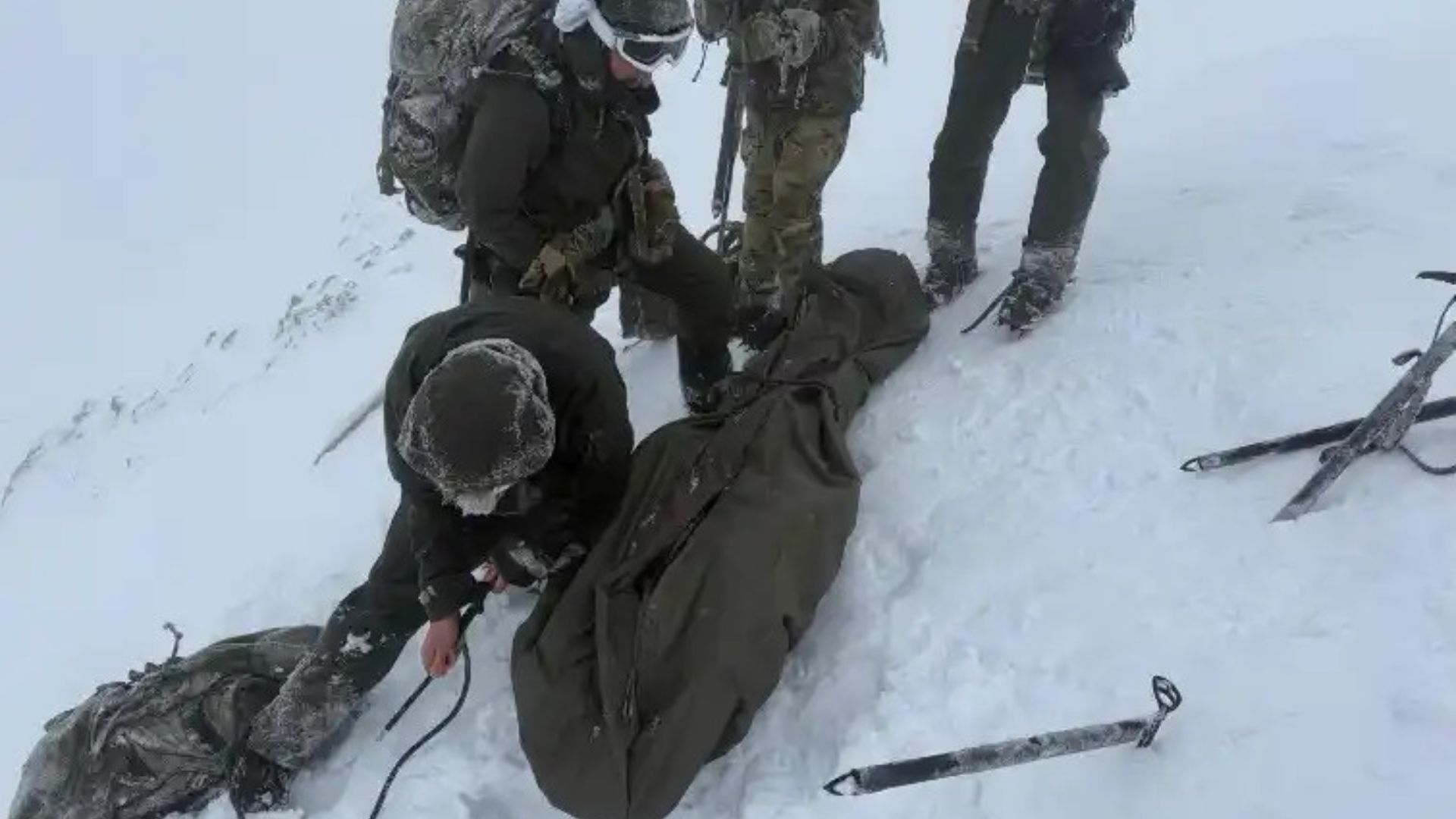
Whether it is sturdy footwear for scrambling, crampons and ice axes for winter ascents, or a mountain survival bag to protect you in an emergency, carrying the correct equipment is crucial - and knowing how to use it effectively is just as important.
R
Remember the international distress signal
Six blasts on a whistle or six flashes of a torch in quick succession, repeated at one-minute intervals.
If heard by a rescuer, the response will be three blasts, followed by a 1-minute pause.
S
Seek local advice
Local guides, mountain authorities or other experienced climbers can provide up-to-date details on trail conditions, avalanche risks or rockfall areas.
Seeking local advice is a great way to understand weather hazards, route changes or even hidden dangers that may not be available via maps or guidebooks.
A
Always leave a route card
Leaving a detailed plan that includes who you’re with, your route, elevation, escape routes, and vehicle details makes it easier for others to locate you if you don't return as expected.
C
Conserve energy
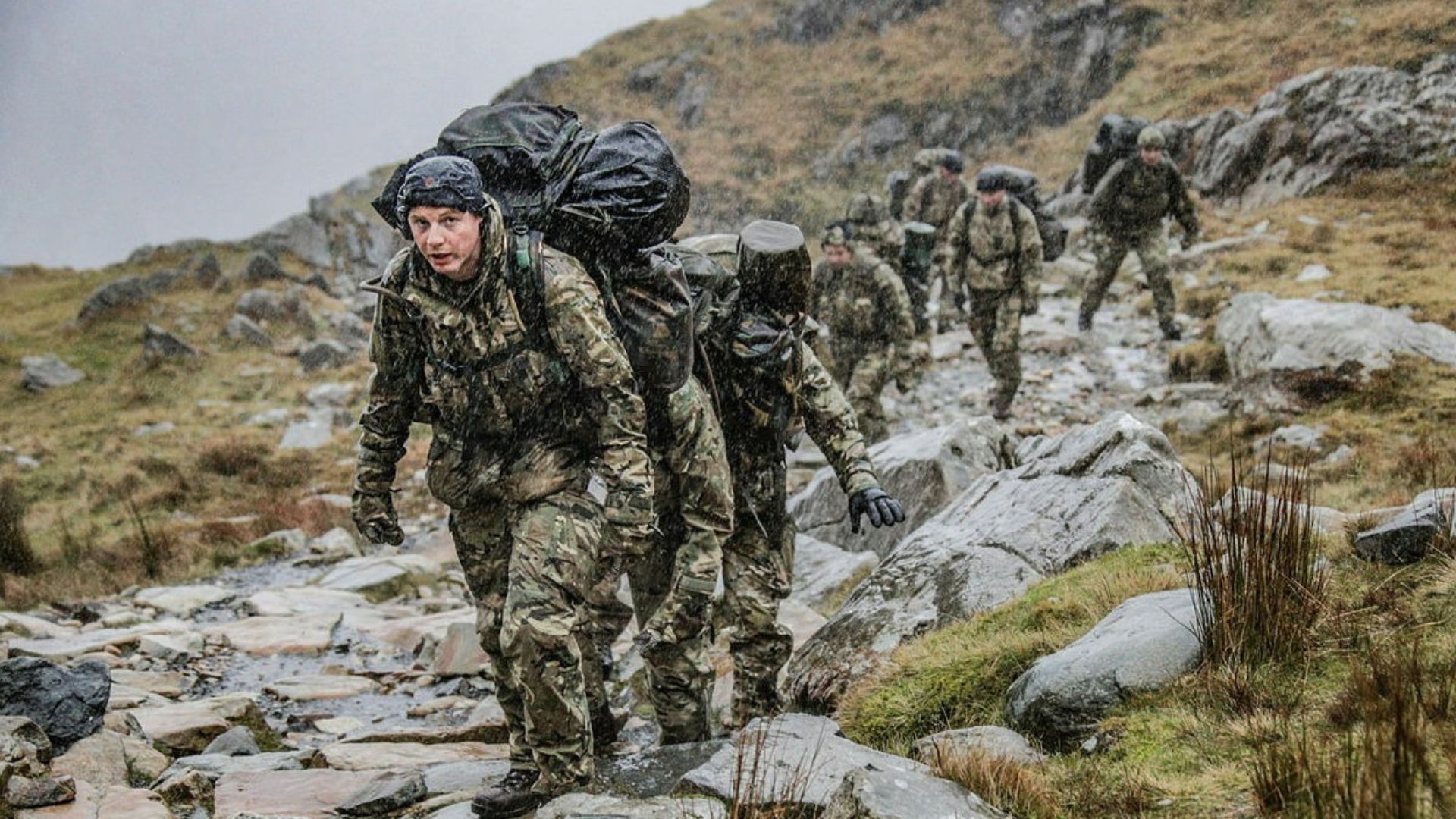
Manage your pace, take rests often and keep on top of your nutrition and hydration. Opting for a more efficient route rather than the most direct one can help avoid unnecessary climbing, while packing light reduces the strain on your body.
It is also important to conserve energy for the descent, where fatigue, loose gravel, and uneven terrain significantly increase the risk of falls.
K
Know your limits
Honest self-assessment of your own fitness and technical skill is of paramount importance when attempting difficult terrain. Even the strongest of climbers can be overwhelmed by high altitudes and adverse weather, and it is imperative you know when to turn back.
S
Safety in numbers
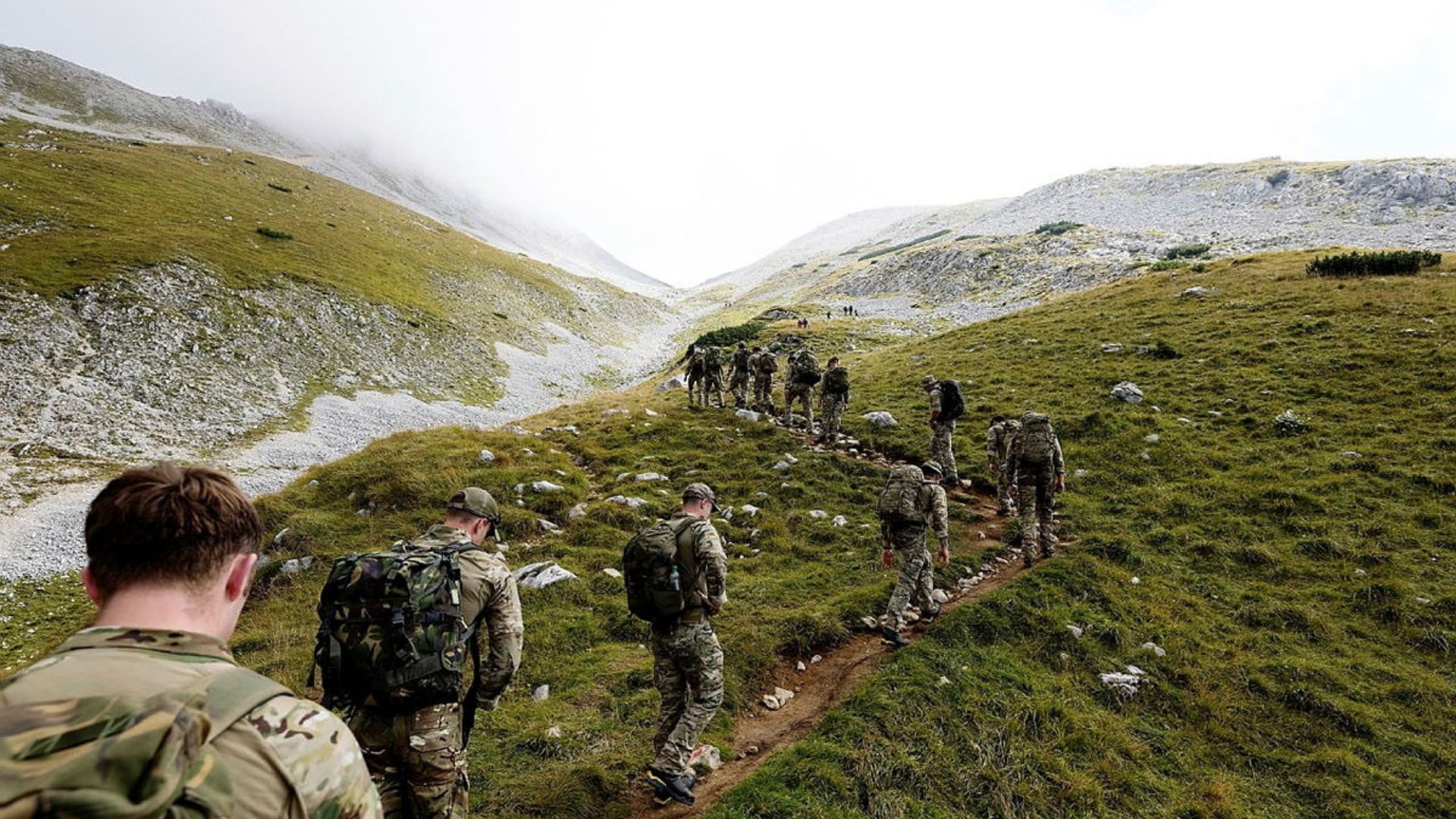
Climbing in a group has a multitude of advantages. In emergency situations, others can provide first aid, carry an injured climber, or seek help if needed.
Shared decision-making could mean others spotting hazards you may have missed; uneven terrain or sudden weather changes, and a bigger team brings a wider array of technical skills.
Related topics
Join Our Newsletter