Navy's repair shop a good idea but strategy can't be haphazard, says former commodore
The Royal Navy's new "ultimate repair shop" initiative is a positive solution but does not replace a professional, sustainable strategy for ship repair, Commodore (Ret'd) Steve Prest has told BFBS Forces News.
The new Navy facility will examine around 100,000 items to see what can be fixed and repurposed for use - and what needs to be disposed of - with the aim of saving millions of pounds.
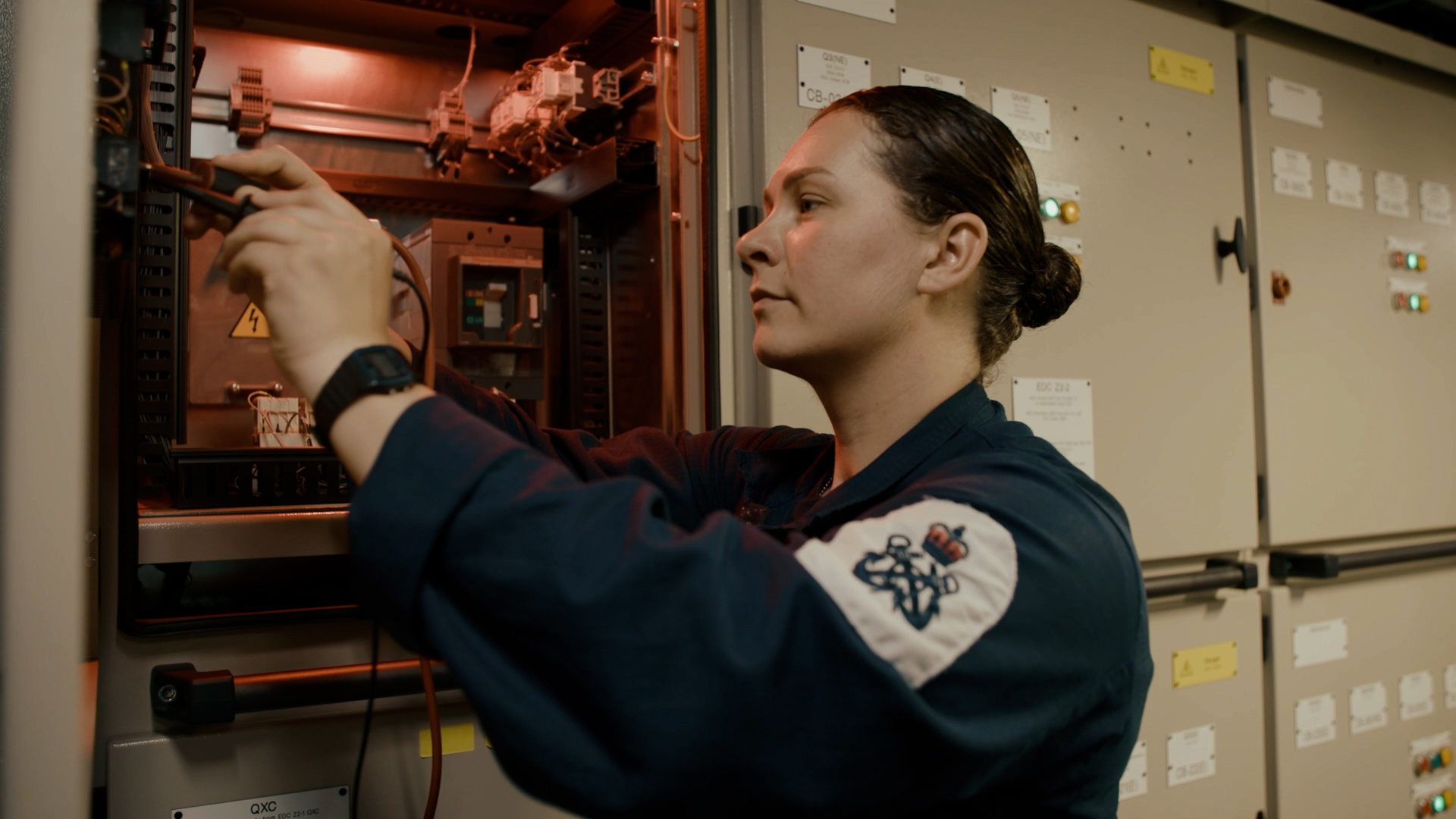
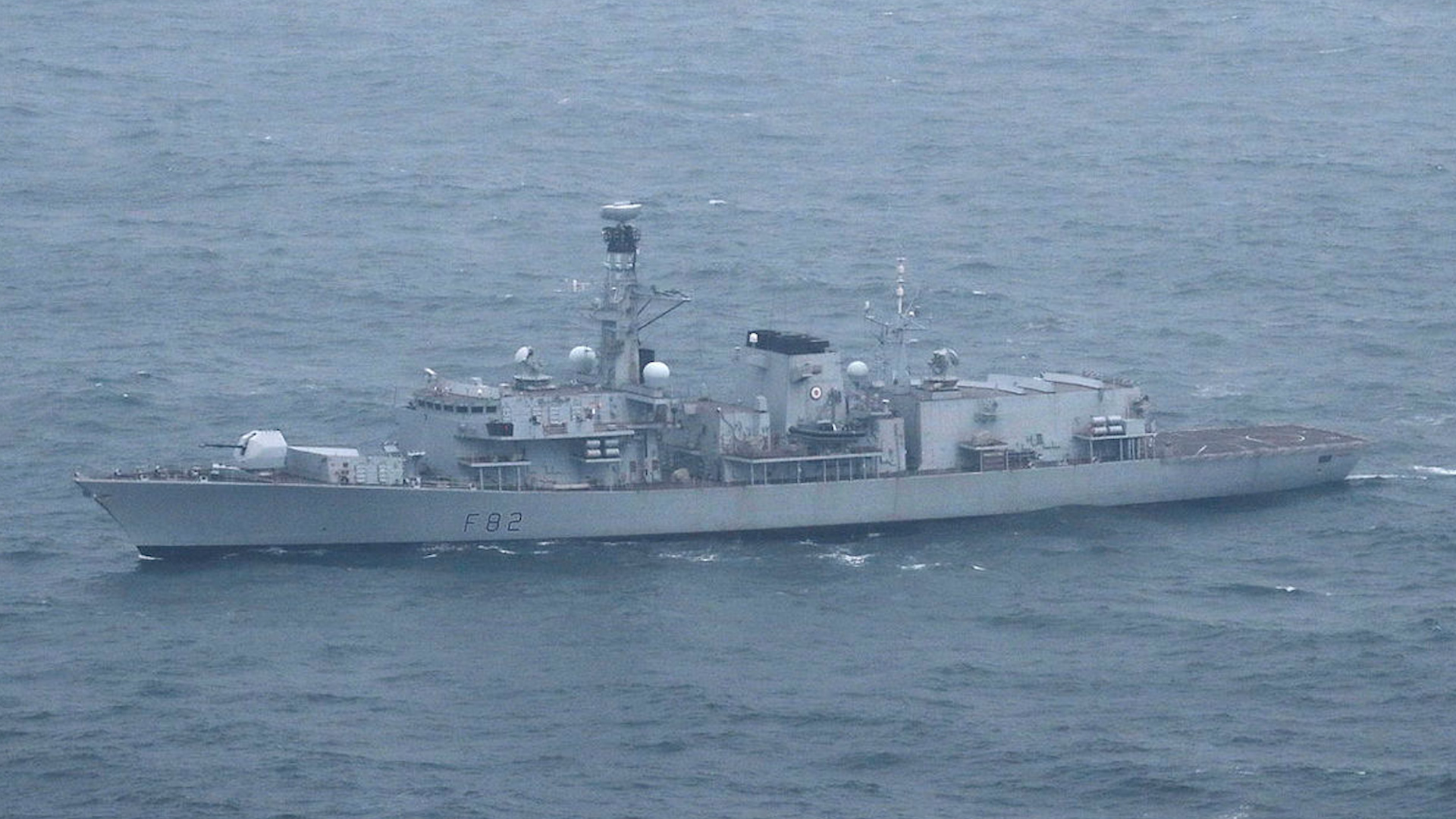
The initiative follows the successful repair of reducing stations – machines that are found on Type 23 Frigates, which reduce air pressure from 276 bar to a more usable eight – during a pilot scheme.
Getting kit back into operational use
Cdre Prest said: "It's quite clear that there are a number of pinch points in terms of availability of certain stores, components, systems and subsystems.
"The example given was about a reducing station, which takes high pressure air and brings it down to lower pressure so it can be used for, you know, recharging things and pumping stuff up and so on.
"So that's good because those are safety critical items on board ships.
"And if you don't have them all working in the right certification that can stop ships from sailing, so in that sense it's positive if we can take stuff that's broken and very quickly or more quickly get it back into operational use."
Concern over resources
But Cdre Prest also said the workshop would only be effective if it has the proper resources to ensure that any useful equipment can be brought into service efficiently.
He added: "My worry is this is this seems like a good idea, it seems like a quick win, it's environmentally friendly and will save some money.
"But it feels a bit like it's something that people can do in their lunchtime for an hour if they're available.
"We probably need to be a bit more professional about it than that - and a bit more deliberate in terms of our logistic and reverse supply chain and repair strategy."
The chance of a second life
Engineers in Portsmouth will go through equipment that has been awaiting repair and installation on ships, with some 84,000 items stored in the city itself, alongside around 15,000 in Plymouth and 6,000 at Faslane in Scotland.
"We're giving equipment a second life instead of letting it gather dust," said Warrant Officer Lee Reeves, from the Navy Climate Resilience and Environmental Management team.
"This is skilled engineering work that makes a real difference – every item we repair and return to service is a win for the fleet, for taxpayers and for the environment.
"With a further 21,000 repairable items in Plymouth and Faslane, there’s significant scope to scale; indeed there’s no reason why a similar approach cannot be taken-up throughout defence."
Related topics
Join Our Newsletter