Russia's underwater threat a major concern – but we have a plan, says First Sea Lord

The First Sea Lord has warned how Russia's activities under the sea are what worry him the most.
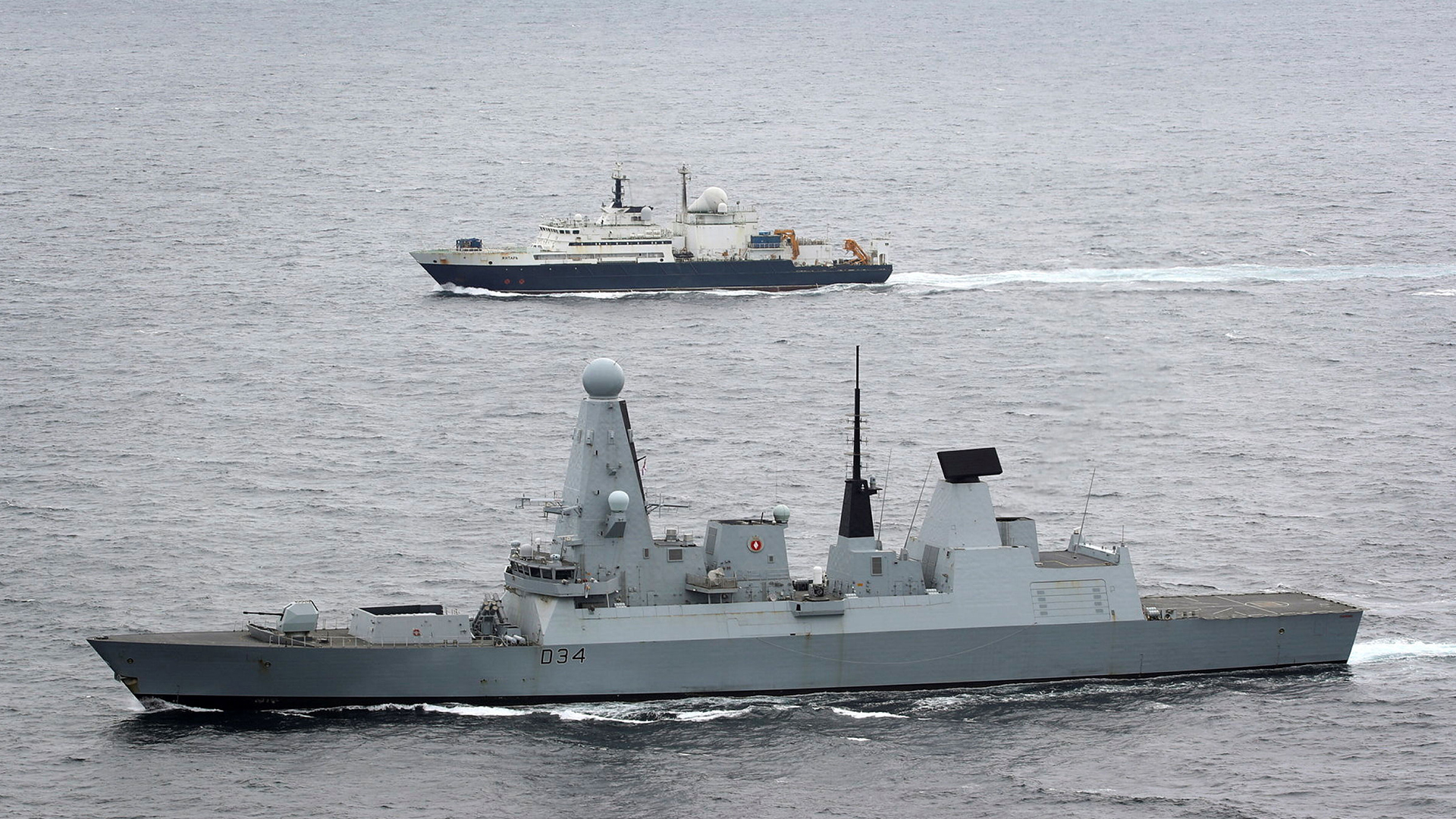
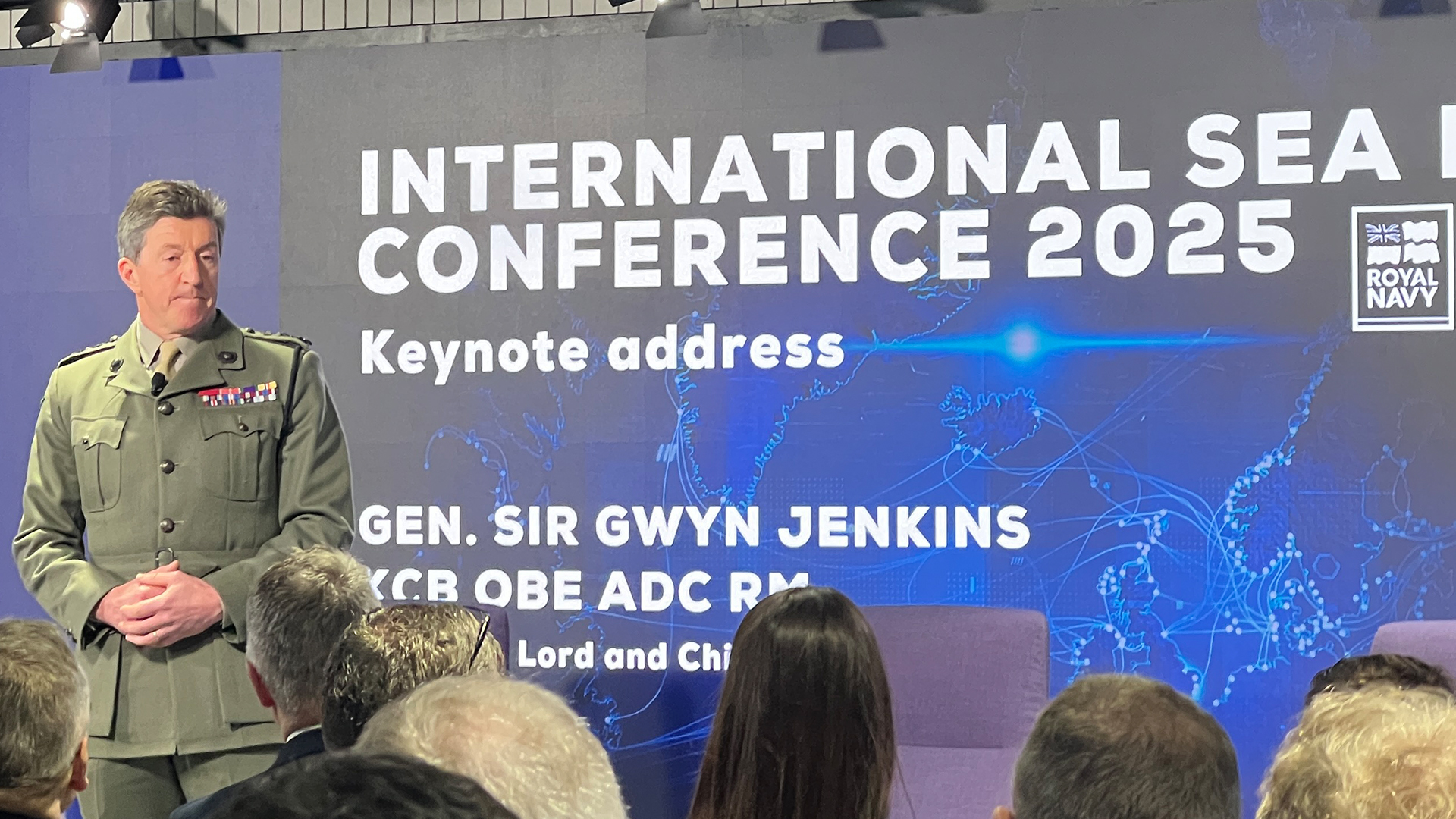
Speaking without notes at the International Sea Power Conference 2025, General Sir Gwyn Jenkins said spy ships like the Yantar, which have been making the headlines recently, were of less concern.
Instead, he warned: "They [the Russians] continue to invest billions in their maritime capabilities, particularly in their Northern Fleet – 30% increase in Russian incursion in our waters just in the last two years."
Surface threat bad, but undersea threat worse
He continued: "It's most visibly seen in the presence of their spy ships like the Yantar. But I can tell you today, the Yantar is only the visible bit you see in the public – and it's not the bit that worries me the most.
"It's what's going on under the waves that most concerns me."
He told delegates: "The advantage that we have enjoyed in the Atlantic since the end of the Second World War is at risk.
"We are holding on, but not by much. There is no room for complacency. Our would-be opponents are investing billions. We have to step up, or we will lose that advantage."

Tackling the threat posed by Russia
Gen Sir Gwyn explained how the UK plans to tackle the Russian threat to undersea cables and pipelines.
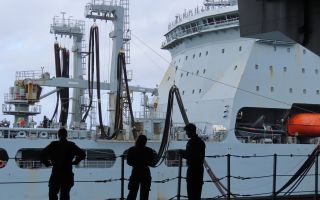
A new multi-million-pound high-tech naval force called Atlantic Bastion will combine AI, warships and aircraft to defend underwater infrastructure.
He described Atlantic Bastion as an innovative concept of connecting autonomous sensors in the Atlantic to be Nato's eyes and ears.
Gen Sir Gwyn also highlighted how all societies depend on the free flow of trade that takes place across the oceans.
And as an island nation, he said of the UK: "Virtually all our trade, virtually all our data and virtually all our energy flows either above, on or under the sea.
"It is literally our lifeline for both us as an island nation, but also for Nato."
A commitment to Nato
Gen Sir Gwyn stressed the significance of the Nato alliance.
"For us, Nato First means the commitment of our nuclear deterrent 57 years in being committed to not just protect the 67 million souls on these islands, but also the one billion souls across the Nato alliance.
"Of course it's Nato First, but not Nato Only, which is why we have partners here [at the conference] from across the world.
"Our friendships and partnerships matter. It's why we sent the Carrier Strike Group to the Pacific this summer. It's why we've embarked on an amazing programme to build nuclear-powered submarines with Australia."
A future powered by AI
The pace of change through artificial intelligence was another area he wanted to focus on.
"If you have been baffled by the developments in artificial intelligence over the last couple of years, well, buckle up," he said.
"The next couple will be even more amazing. And much like the threat and the geostrategic environment, I haven't met the commentator that gives me confidence that they know really what they're talking about as to how the future will look.
"The conclusion for us is not to try and guess what the future holds. The conclusion is to build ourselves for speed. The conclusion is to adapt our organisation so that we can move at the pace of relevance."
A new way of doing things
It is unusual to watch a speech like this delivered without an autocue or notes of any kind.
Gen Sir Gwyn started as he meant to go on, declaring it was not a "normal" conference as he walked up and down the stage.
It wasn't about glad-handing or canapés. It was, he said defiantly, a conference about "commitment to action".
He didn't hold back. His delivery was punchy and to the point, designed to make those watching sit up and take note.
The location, at BT in Aldgate in the City of London, was intentional. It was a different type of backdrop for a conference like this, highlighting how his approach to many things is all about changing how things have been done before.
The old rule book is out – and he's making way for a new way of doing things.
Join Our Newsletter