Britain's nukes more important as US and Russia fail to renew treaty, expert says

Britain's nuclear weapons will become more important considering the failure of the United States and Russia to renew the New START treaty, an expert has told BFBS Forces News' Sitrep podcast.
New START, which has now expired, capped the number of strategic nuclear warheads that Washington and Moscow could deploy, along with the number of land- and submarine-based missiles and bombers to deliver them.
United Nations Secretary General Antonio Guterres said the expiration of the New START treaty was a grave moment for international peace and security - and called on the two powers to negotiate a new nuclear arms control framework.
What does it mean for the UK?
"They [the Russians] never cease to remind us that they have nuclear weapons and any crisis could quickly go nuclear," said Sitrep host Professor Michael Clarke.
"They are using their nuclear weapons to try to frighten everyone.
"So it increases the salience of nuclear weapons, which you could say means British nuclear weapons are even more important than they were before, because they're not now just a weapon of last resort."
New START began in February 2011 and both countries were supposed to adhere to its limits - unless the treaty expired.
Both countries were to have 700 deployed intercontinental ballistic missiles (ICBMs), deployed submarine-launched ballistic missiles (SLBMs) and deployed heavy bombers equipped for nuclear armaments, and 1,500 nuclear warheads deployed on ICBMs, deployed SLBMs and deployed heavy bombers equipped for nuclear warheads, according to the US State Department.
There was also a limit set on launchers, with the treaty only allowing for 800 deployed and non-deployed ICBM launchers, SBLM launchers and heavy bombers equipped for nuclear munitions.
No direct increase in threat to the UK
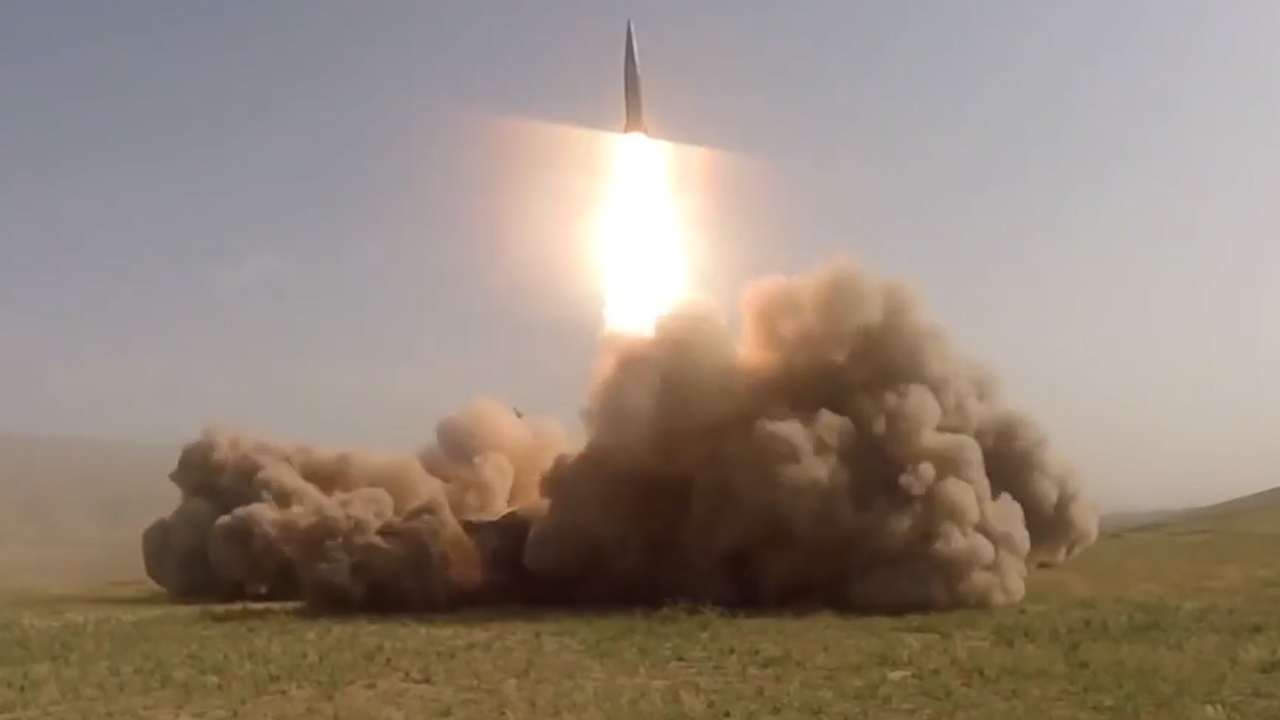
William Alberque, a senior adjunct fellow at the Pacific Forum, told Sitrep the news of New START's expiration does not directly increase the threat to the UK in the short to medium term, as it is about longer-range weapons.
"I think the lack of an arms control limitation between the US and Russia has limited impact on the United Kingdom in the short term," Mr Alberque said.
He went on to say that if both countries spend billions of dollars and roubles on creating thousands of nuclear weapons, this could lead to an alteration in the UK in response to the sheer resources given to them.
"So we might have a second-order effect on the UK, but at least in the short to medium term, this doesn’t really change the threat," he added.
However, the former director of Nato Arms Control, Disarmament and WMD Non-Proliferation Centre said the collapse of the Intermediate-Range Nuclear Forces (INF) Treaty in 2019 is more important to the UK, as Russia has significantly built up stocks that could target the UK.
"Russia has built many, many systems, both while the INF Treaty was in place. That's why the INF Treaty went away because Russia was violating it," Mr Alberque explained.
"And then afterwards they've been building lots and lots of systems.
"Now Nato and the UK [are] having to think about what kinds of missiles they need in order to hold Russian targets at risk."
The INF Treaty's demise has caused the UK, Sweden and France to work together to create their own medium-range missiles to deter Russia.
UK's deterrent ruled adequate
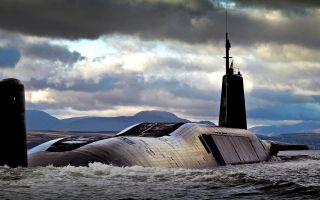
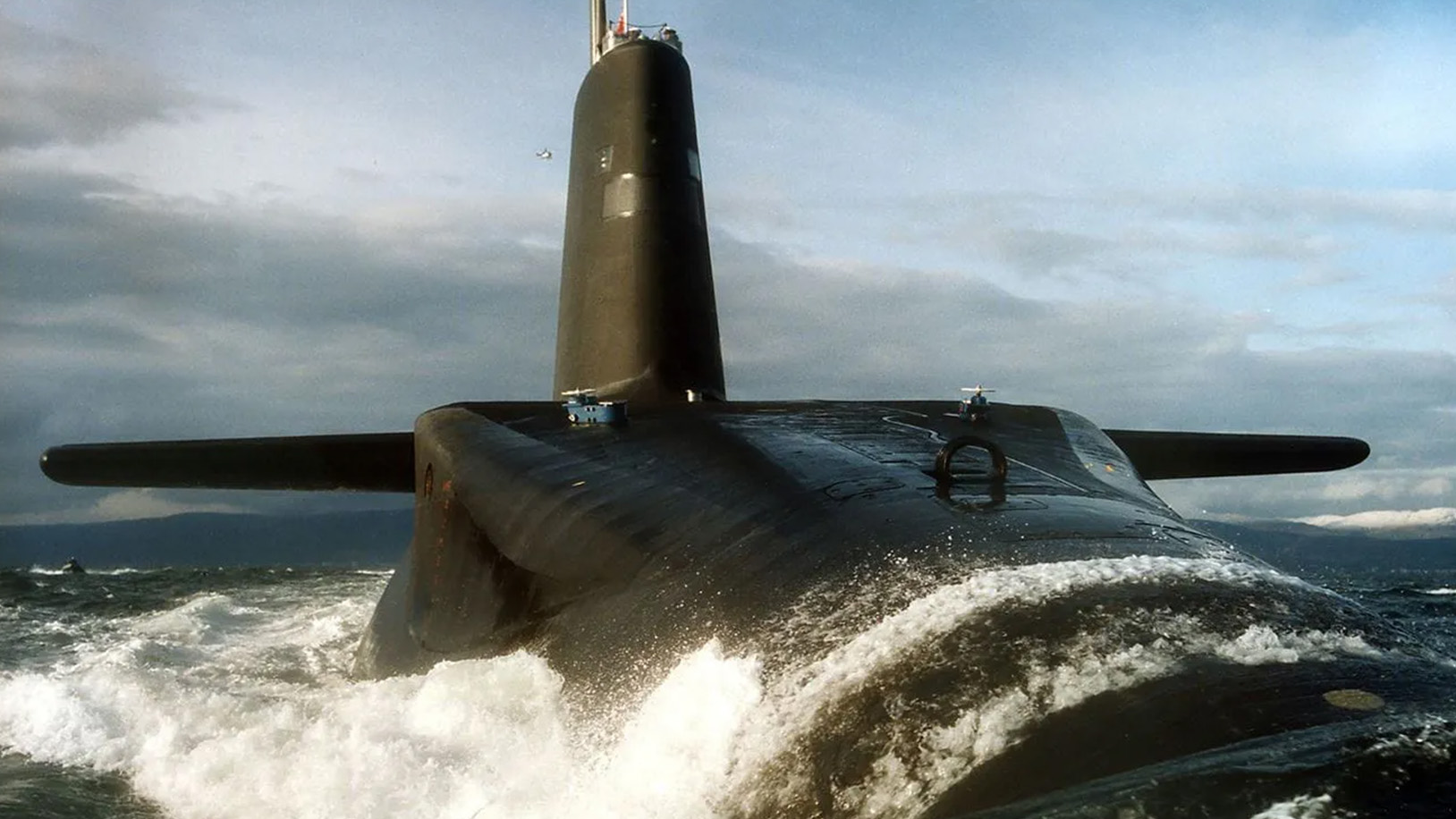
Prof Clarke also argued on the podcast that the UK's deterrent, Trident, was "adequate".
This is despite the fact that the Government is looking to change the nuclear deterrent, such as through using Royal Air Force F-35A jets, which are capable of carrying air-launched tactical nuclear weapons.
"We will maintain our minimum nuclear deterrent. We will maintain the continuous at sea deterrent, which from our point of view is adequate," he said.
"It's not as big as the others, of course, but it is adequate to do astonishing damage to an aggressor, and by this we mean Russia."
He also said the UK would probably push more into the tactical nuclear deterrent in the future, which he was "very sad to say".
Join Our Newsletter