Armoured alternatives: If the axe should fall, Ajax isn't the Army's only option
The Ajax programme has had the pause button firmly pressed after a number of soldiers became ill after operating the platform on Salisbury Plain.
Angry ministers say an investigation is underway, and yet with not the slightest guess as to when Ajax can function operationally, should we start looking at alternatives?
After all, the threat from Russia isn't going away.
How did we get here?
Ajax looked so promising at the start.
A modern, fast armoured vehicle, complete with digital infrastructure wedded to modular design.
It would come in six different types, for different job roles. Welsh-built, it would not only give the Army what it needed, but would develop and sustain jobs in a deprived part of the Welsh valleys.
What could go wrong? Pretty much everything. Some 589 were ordered from General Dynamics in 2014, with the first deliveries scheduled for 2017.
But there were constant delays, which lasted years.
And when the first 100 vehicles were in the hands of the Army, a dreadful turn of events took place.
Noise and vibration issues injured soldiers using Ajax during an exercise on Salisbury Plain.
What are the alternatives?
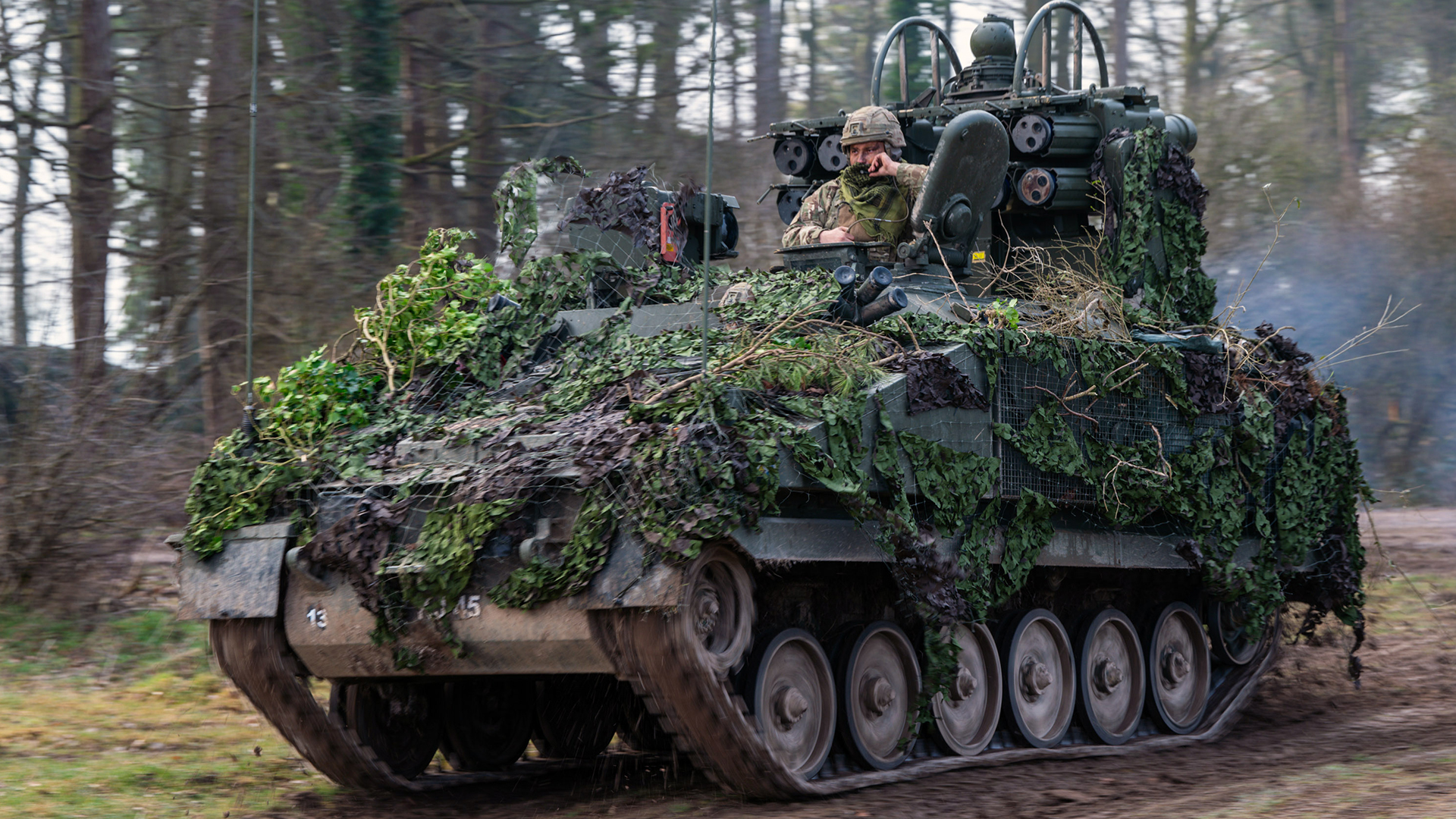
CVR(T)
You could go back and revive what's gone before in the form of a modified CVR(T) – Combat Vehicle Reconnaissance (Tracked).
Ajax was to be the direct replacement of the vehicle, of which the Scimitar was the most numerous.
But the platform is from the 1960s, and Scimitars were finally withdrawn from service in 2023.
Surely it would be folly to consider dusting off an aged platform like CVR(T)? Well, perhaps not.
There already exists a thoroughly worked-over version of the CVR(T) that's still being built.
It's called the Stormer and is used by the British for their Starstreak missile system.
Maybe CVR(T) could have a future, if it was updated in a similar way?
Although more feasibly, if Ajax was to bite the dust, what off-the-shelf options are there?
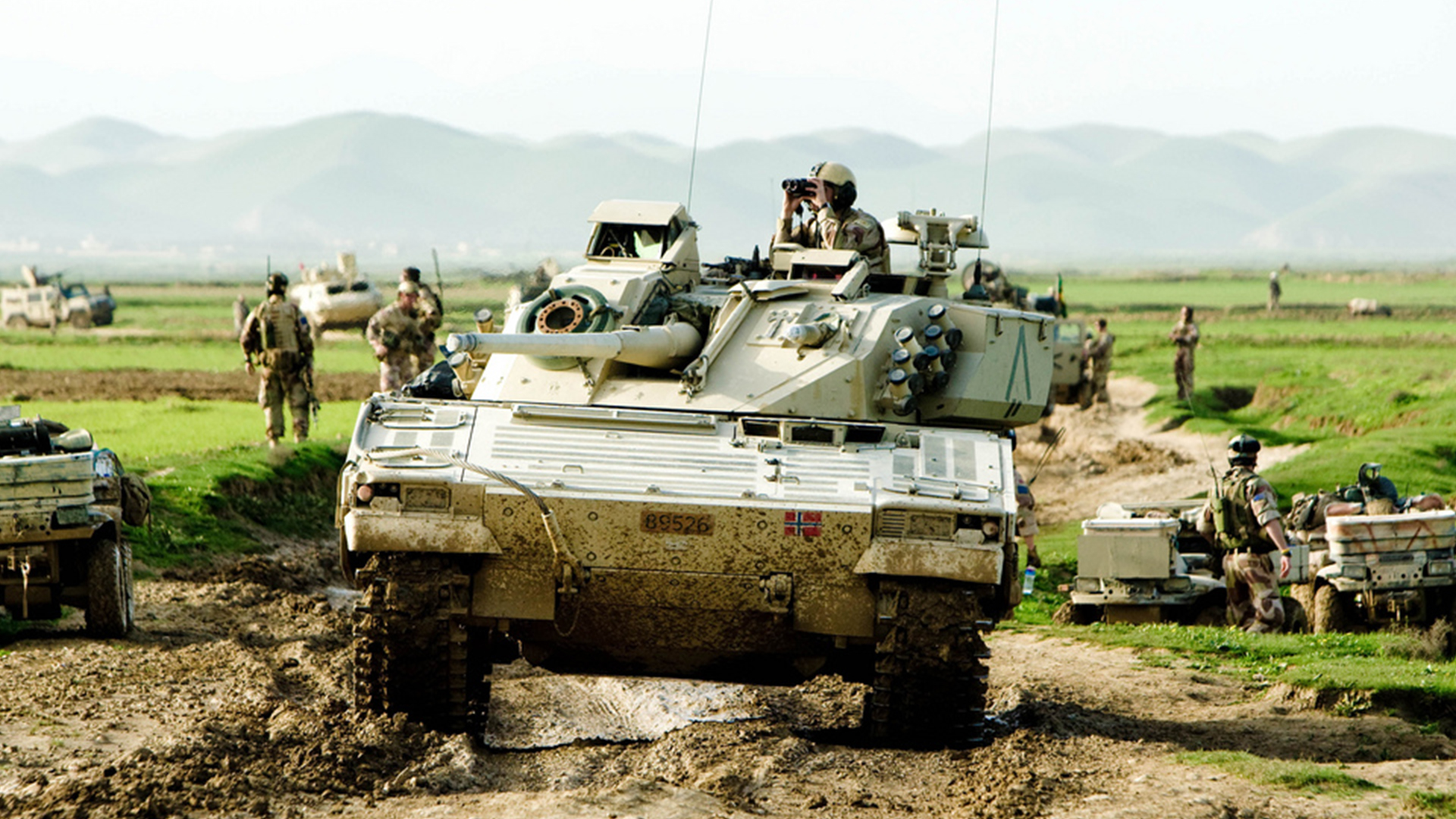
CV90
The frontrunner for many would be the CV90. It's designed in Sweden and built by BAE Systems, with a specialisation of operating in Arctic terrain and temperatures.
It comes in 17 variants. Ten countries, including seven Nato members, use the vehicle.
Around 1,400 have been built, and it's gained a reputation for sensible technological upgrades.
It now even has suspension derived from Formula 1.
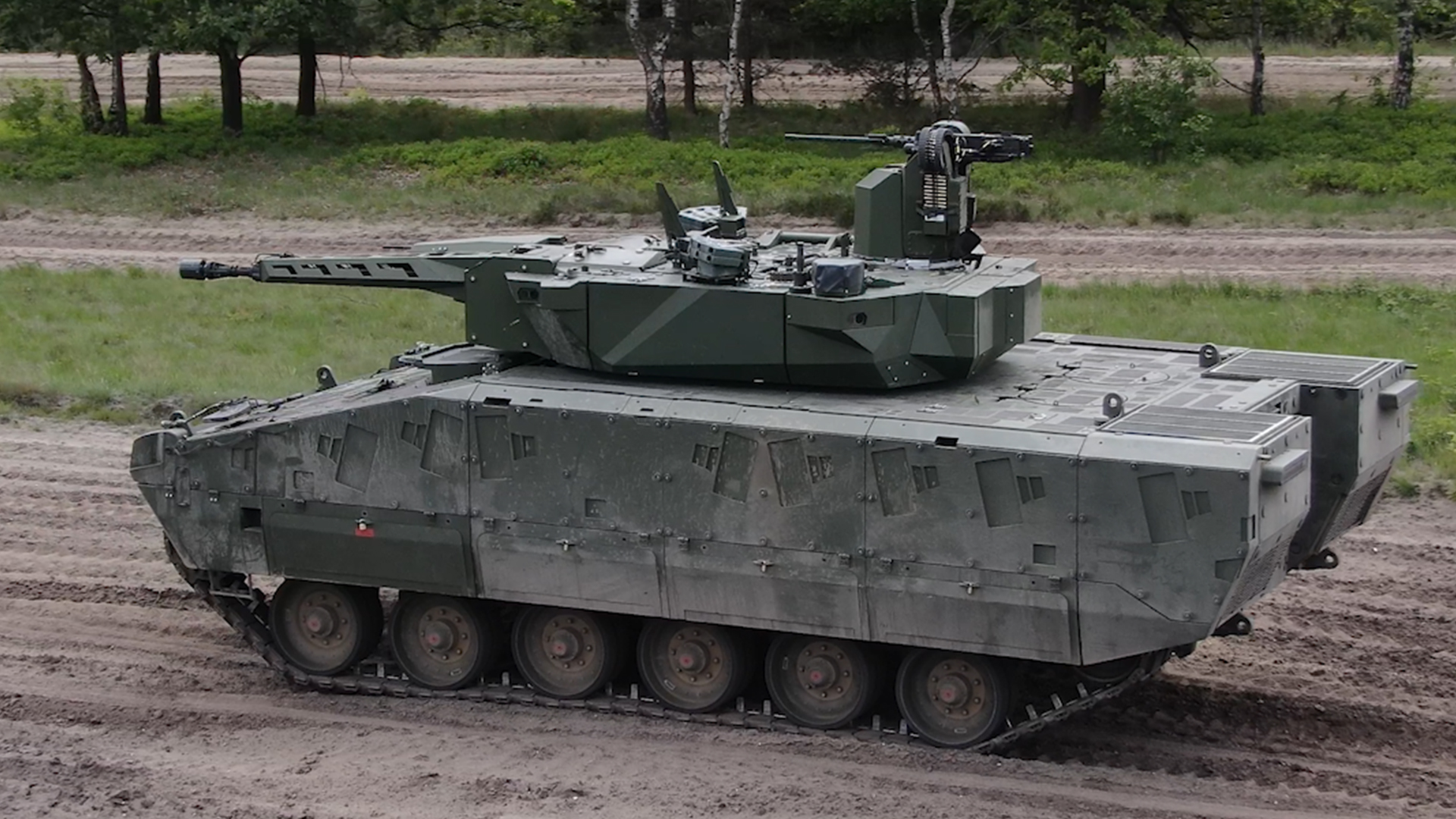
Lynx Kettenfahrzeug 31/41
A very new design, the first Lynx vehicles only rolled off the production line at Rheinmetall in Germany in 2022.
Hungary took the plunge and became the first nation to order them, opting to purchase 218.
Italy will become the next, with strong interest expressed from several other nations.
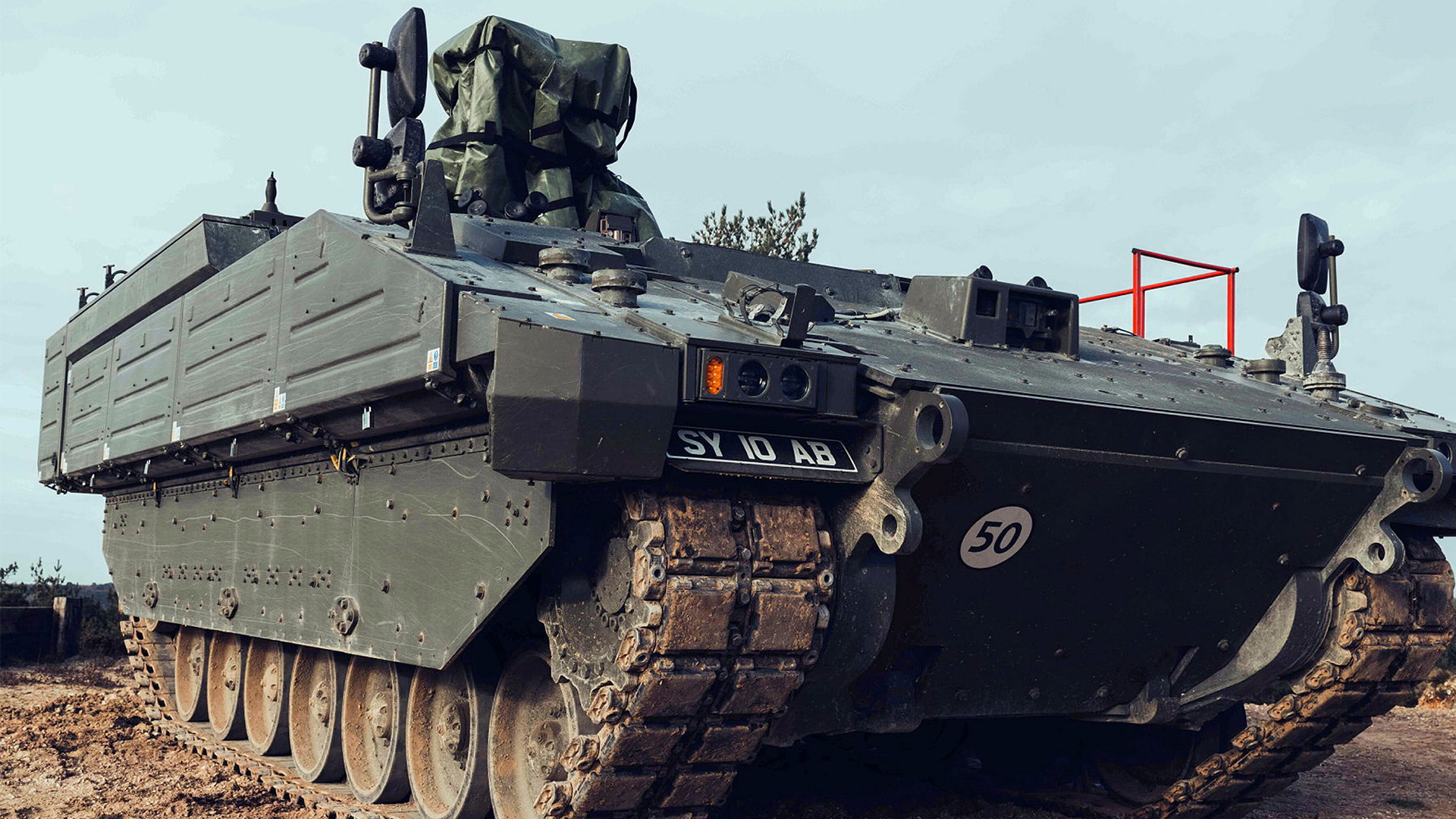
Looking to the future
There are alternatives to Ajax – and some of them are pretty good.
For now, though, the Army and everyone involved in the Ajax project simply has to wait for the investigation to conclude and a way forward to be devised.
Until a solution is realised, soldiers don't have the capable platform they've been promised for so long and remain relying on equipment that, in some cases, is well past its use-by date.
Related topics
Join Our Newsletter