MOD to offer free legal advice to victims of sexual offences in the UK and overseas

The Ministry of Defence is set to launch a new pilot scheme offering free legal advice to victims of sexual offences allegedly committed by military personnel in the UK and overseas.
Victims will be able to access specialist solicitors who are independent of the MOD and the military chain of command.
The Independent Legal Advocacy (ILA) support programme will provide impartial legal support to anyone aged 18 or over, irrespective of whether they are service personnel or civilians.
Who is eligible for the scheme?
Veterans & People Minister Louise Sandher-Jones said anyone who reports a sexual offence or rape allegedly committed by a service person, or those subject to Service Law, and is being investigated by the Service Justice System, will qualify for support.
She told BFBS Forces News: "At the moment as a victim the kind of support that you will access through the military will be mostly that which focuses on pastoral. So, for example, our Victims and Witnesses Care Unit is mostly focused on pastoral support to you as a victim.
"What this independent legal advocacy system will do is provide you with free legal advice so you're able to understand the process that is in front of you, what decisions to make and have the confidence to know that what you're doing is the right thing for you."
The MOD is in the process of choosing a law firm to provide the legal advisors. The programme is set to begin in the spring and will initially run as a 12-month pilot.
The scheme will only apply to victims when the pilot goes live and not to those who already have existing cases.
It will cover crimes committed in the UK and on overseas bases, both on and off camp.
The minister wouldn't be drawn on how much funding has been made available for the scheme.
Reforms seek to improve trust
There have previously been calls for serious offences to be taken out of the military justice system completely.
At the moment, victims are able to record a preference about whether they want their case heard in a military or a civilian court, but ultimately it is not their decision.
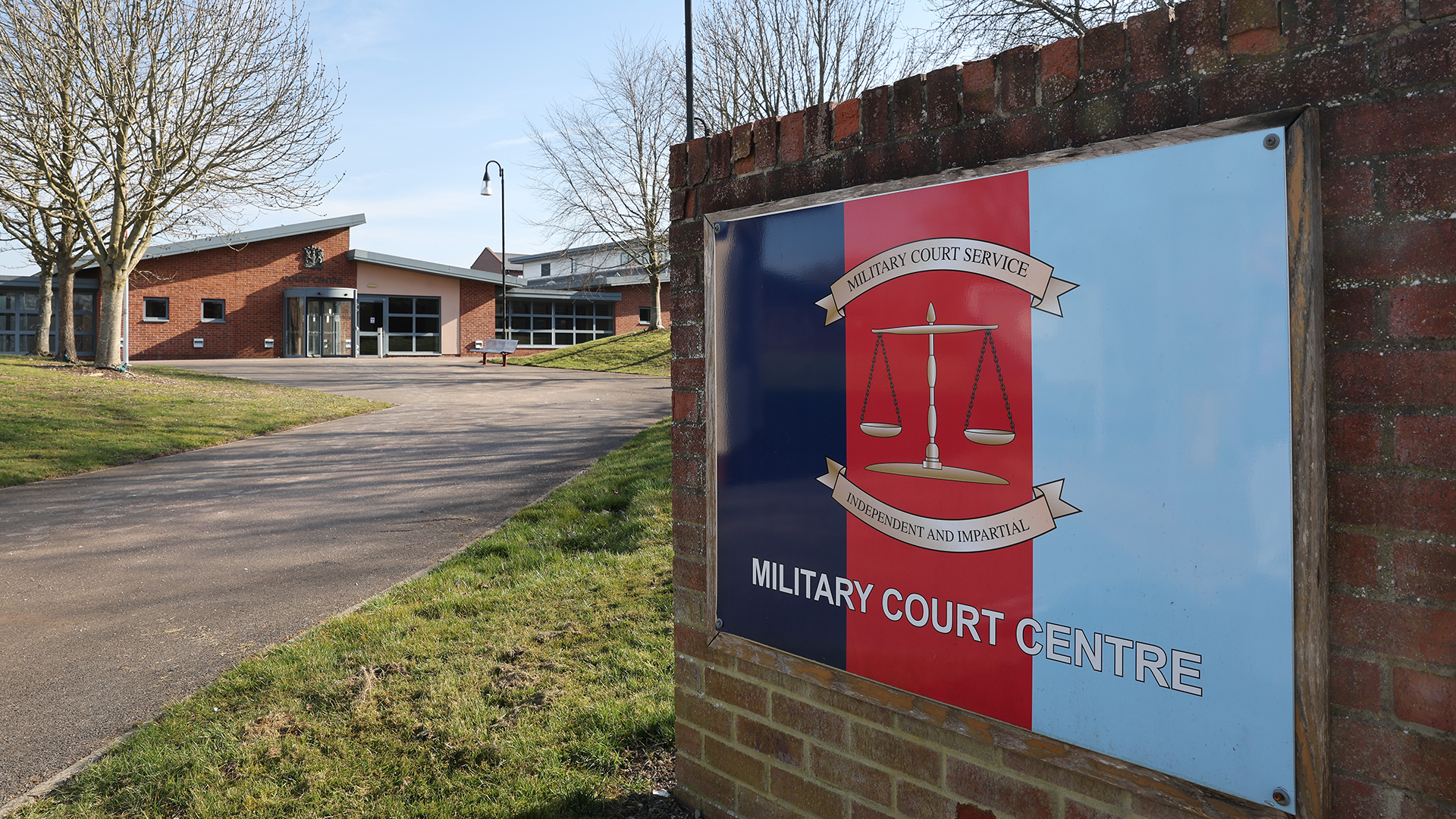
Mrs Sandher-Jones explained: "The final decision does not rest with them, but they do have the opportunity to make sure they can put in their views. With the Armed Forces Bill that we're bringing in, we are expanding how we take account of their views.
"For example, we are making it so that they are asked again where they want to take the case forwards, I think 100 days after they've first made a complaint.
"They've had an opportunity to have a think, seek advice and make their decisions. Their choices are hugely respected and are taken into account when the final decision is made."
When pressed on whether she agreed the decision should rest solely with the victims if the pilot showed a marked increase in requests for civilian courts, she said: "The service justice system has made really great strides in improving how it supports victims and how it deals with these cases.
"I know personally speaking as a woman, as somebody who's served in the Armed Forces, we have to have a service justice system that victims can completely trust in and know is going to deliver the right outcome for them.
"We know there's going to be a lot of work to be done. We know the civilian justice system is facing its own challenges. And that's why it's really important when victims are looking at the two systems that they are fully informed, hence why I think these independent legal advocates will make a huge, huge difference."
'Rolls-Royce service' to every victim
Those currently in the system won't qualify for support under the scheme, and there won't be any leeway on that.
The minister said: "I think it's really important that, for those that are going through the system now, is that they do understand that what is really important is that we are providing the right advice for them and that they're understanding the options that are available for them. They do have support by the Victims and Witness Care Unit, which is only available for those going through the service justice system.
"So what we're trying to do is we are trying to have a step change, and the support for victims going forwards, and what that does mean is that with a pilot like this, for example, there has to be some limitations on how it's run.
"But obviously, what I would want is to make sure we can offer a Rolls-Royce service to every victim."
Mrs Sandher-Jones says the success of the scheme will be measured in several ways.
"So number one is victims themselves," she said. "We want to listen to victims and understand how they've found using independent legal advocates, if there's been a high take-up of independent legal advocates, if they found the process helpful, and really, we want to be guided by victims here."
Related topics
Join Our Newsletter