Race to save war-scarred flag which flew from ship that played vital role in Battle of Trafalgar
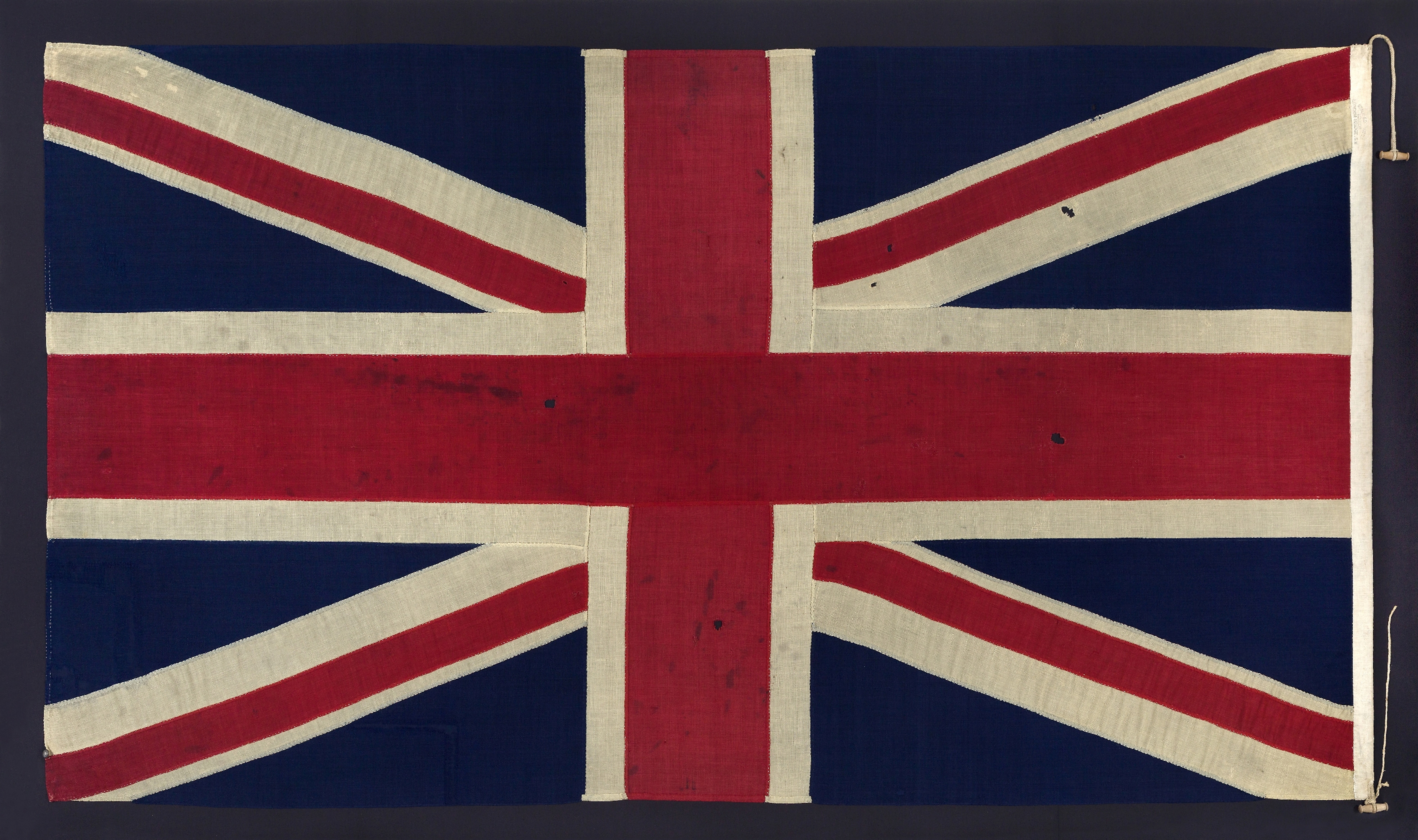
An export ban has been placed on a Union Jack that flew from the first British ship into action at the Battle of Trafalgar.
The war-scarred flag from HMS Royal Sovereign is at risk of leaving the UK unless a new buyer is found for it by March 2026.
It was hand-stitched by the sailors who helped gain victory for the British during the Battle of Trafalgar and features burns and splinters from the battle – it's been valued at £450,000.
The flag flew high above HMS Royal Sovereign, one of the most significant ships in Lord Nelson's fleet, in the 1805 naval battle against the French and Spanish.
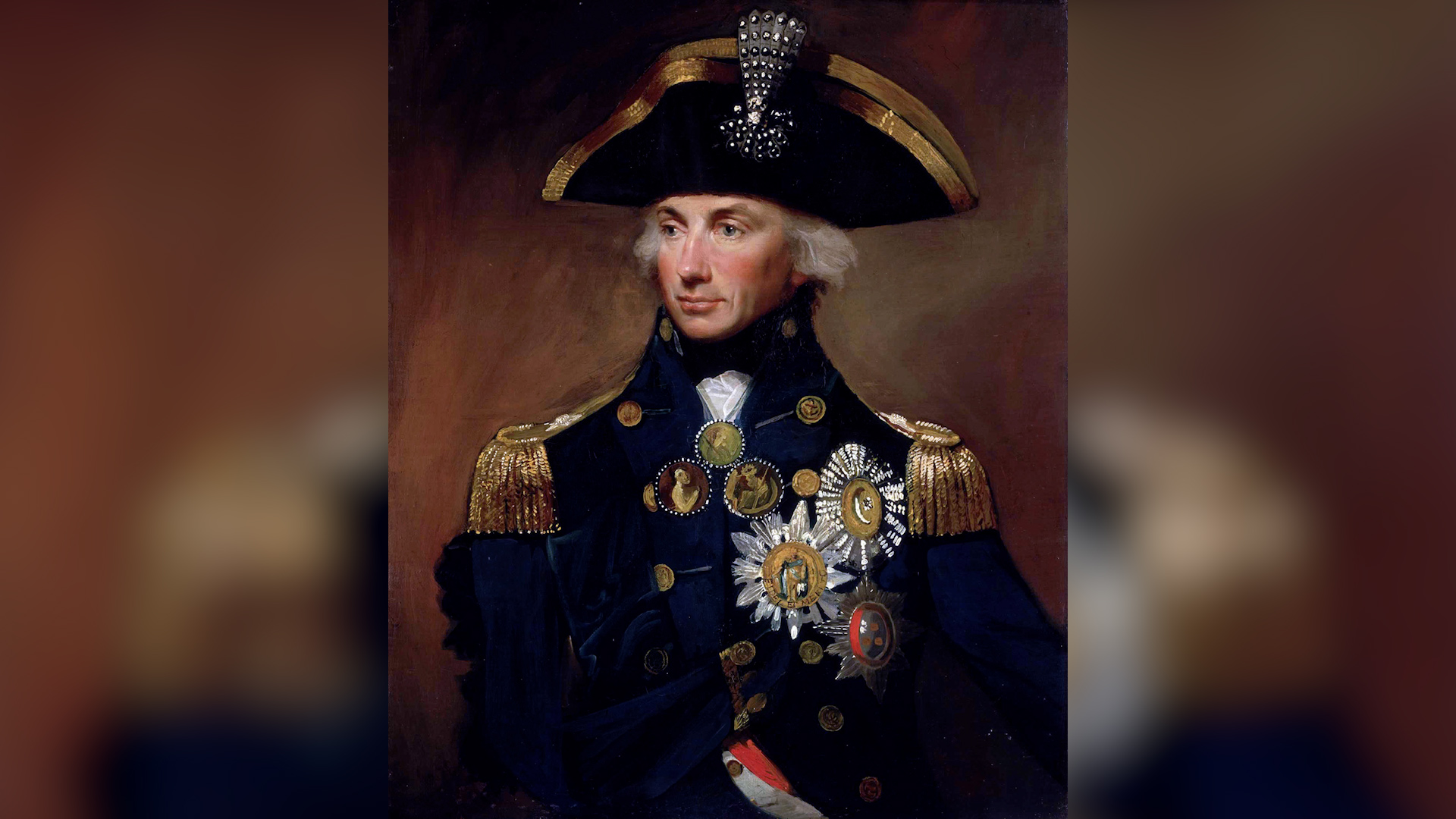
The Royal Navy's victory stopped Napoleon's plans to take control of the English Channel and launch a land invasion of Britain, but Lord Nelson died during the battle
The flag, which is 220 years old, is only one of three to survive and was used by the British to identify friend from foe.
The export ban will end in March, meaning the race is on to secure a new buyer.
Pippa Shirley, a member of the committee which put forward the export bar, said it would be a "great loss" if they were to lose the flag.
"This flag, which flew high above the fleets as they clashed on that momentous day, is one of only three to survive," she said.
"It transports us to the heart of events as a physical witness, battle-scarred but astonishingly intact, to Nelson's tactical genius and the chaos, ferocity and drama of close combat at sea.
"The Royal Sovereign, flagship of Vice-Admiral Collingwood, played a vital role alongside Victory herself as the first ship into action, leading one of the two columns deployed by Nelson in his boldly innovative and successful manoeuvre to split the line, and which engaged and disabled the larger Spanish flagship."
She added: "The flag's evocative connection to our national life and the establishment of the long period of British naval dominance runs so deep that its departure would be a great loss."
Risky manoeuvre
Lord Nelson's strategy was famously to send his ships on a headlong charge into the enemy, which has been described as a risky manoeuvre designed to split the opposing forces.
He was often known to disobey orders from seniors, but won several crucial naval victories for Britain.
Lord Nelson's most famous victories were the Battle of the Nile in 1798, Trafalgar in 1805, alongside other wins at Cape St Vincent in 1797 and Copenhagen in 1801.
Culture Minister Baroness Twycross said: "Few symbols in our country are as evocative as the Union Flag, and this flag, in particular, is an extraordinary representation of Britain's history and national identity.
"This flag was made by ordinary Britons and now epitomises a defining moment in our national history.
"I hope this profoundly important historical artefact can remain in Britain for the public to enjoy," he added.
Related topics
Join Our Newsletter