A spy on your street: How Russia is recruiting in Britain for the grey zone gig economy
Is there an undercover agent living on your street? Think of a spy and most of us would picture James Bond, but today's agent can look a lot more like your neighbour.
Across Europe, authorities say they've uncovered covert networks including delivery drivers, press photographers and beauticians.
These people are being paid to gather intelligence, harass targets or sabotage infrastructure.
Recruitment via social media
For Moscow, it's a low-cost way to apply pressure: it's deniable, disposable and designed to sit below the threshold of open conflict.
For the public, it raises a more unsettling question: what does a modern attack look like when it's built around disruption rather than destruction?
One of the defining features of this new landscape is how ordinary the recruitment can be.
Former British soldier Zak West, now with Riley Risk, explains: "The Kremlin recruiters will find these people. It's not hard, you know, and anyone can go onto Facebook. Anyone can go into Telegram groups and find vulnerable people."
That vulnerability can mean financial pressure, low-level criminality, ideology, a grievance – or simple thrill-seeking. What matters is that the entry point is often digital, fast and hard to predict.
Elisabeth Braw, a senior fellow at the Atlantic Council, puts the wider shift in blunt terms, saying: "The kind of safety and security we were used to – that doesn't exist anymore.
"It doesn't mean that we should always panic, but it means that we should be aware of the threats."
Andrei Soldatov, a Russian investigative journalist, goes further, adding: "In terms of making things really dangerous for citizens of Europe, I would say it's extremely dangerous. And we need to take this very seriously."
Case study: the warehouse fire
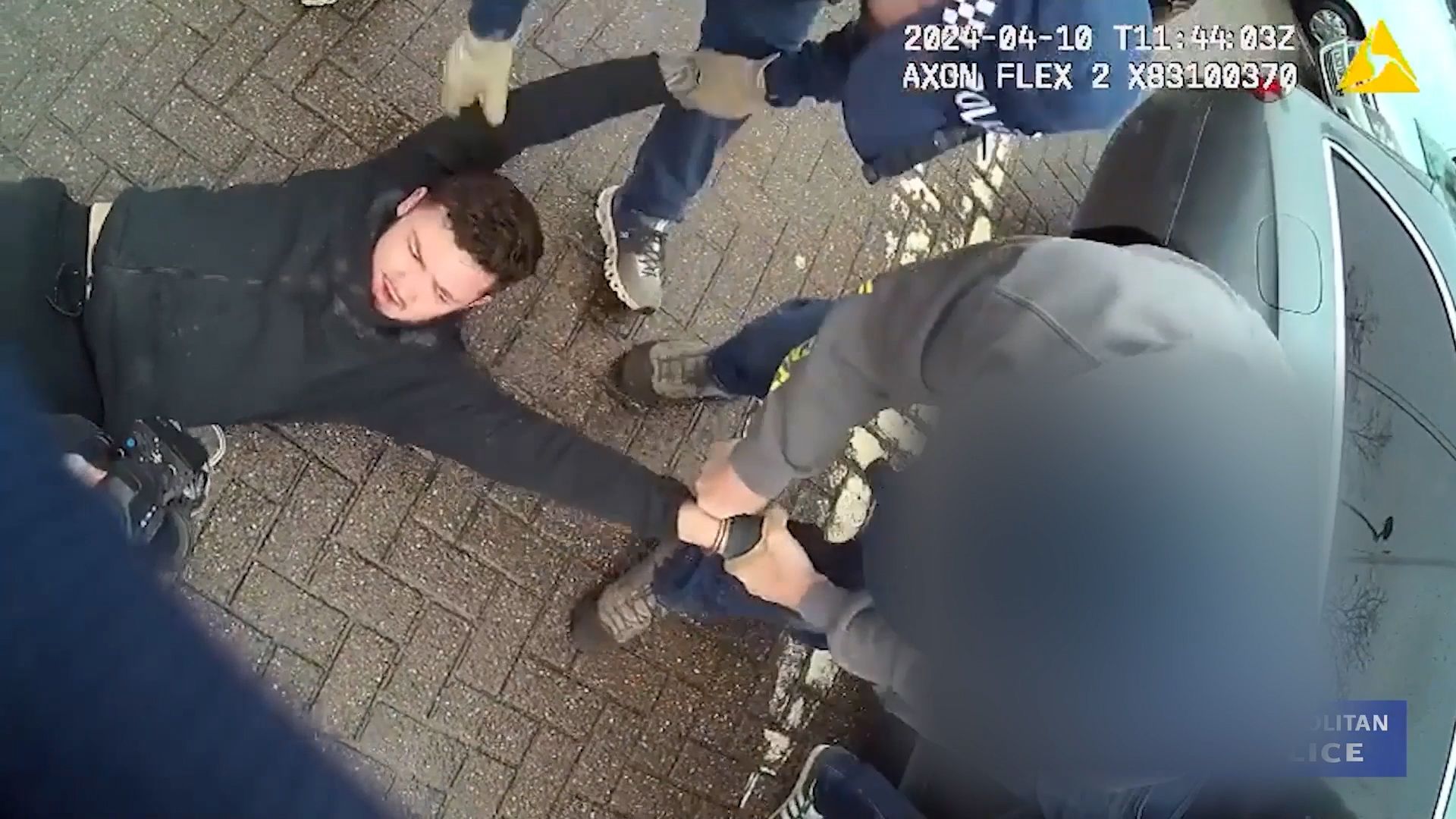
One of the most striking recent UK examples centres on Dylan Earl, a man from Leicestershire who counter-terrorism police say helped organise an arson attack on a warehouse in Leyton in east London in March 2024.
The warehouse belonged to a Ukrainian couple and contained goods to support the frontline, including parts for Starlink devices. The fire caused approximately £1.3m in overall damage and disruption, and required a major fire service response.
At his trial, it came out that Earl had been recruited by the notorious mercenary organisation known as the Wagner Group. Conversations over Telegram between himself and his handler revealed the money he was offered and the jobs he was asked to carry out.
Earl, along with fellow organiser Jake Reeves, became the first to be prosecuted under the new National Security Act 2023 and were later sentenced to a combined 29 years in prison.
The significance isn't just the arson itself, but the model: remote recruitment, encrypted messaging and a task that can be executed quickly by people without much training and who may have little understanding of the strategic purpose.
Grey zone gig workers paid per task
Ms Braw describes this outsourcing as a "gig worker" model – a fleeting interaction rather than a relationship an agency can monitor.
"They're recruited on apps for one particular task. They carry out the task, they take a photo of it, submit a photo and get paid," she said.
"There is no relationship to monitor. And anybody can become a grey zone gig worker, which is why it's so difficult to predict where they will strike."
Case study: handing over a defence secretary's details
There are also cases that look more like classic espionage, but still hinge on opportunism and personal motive.
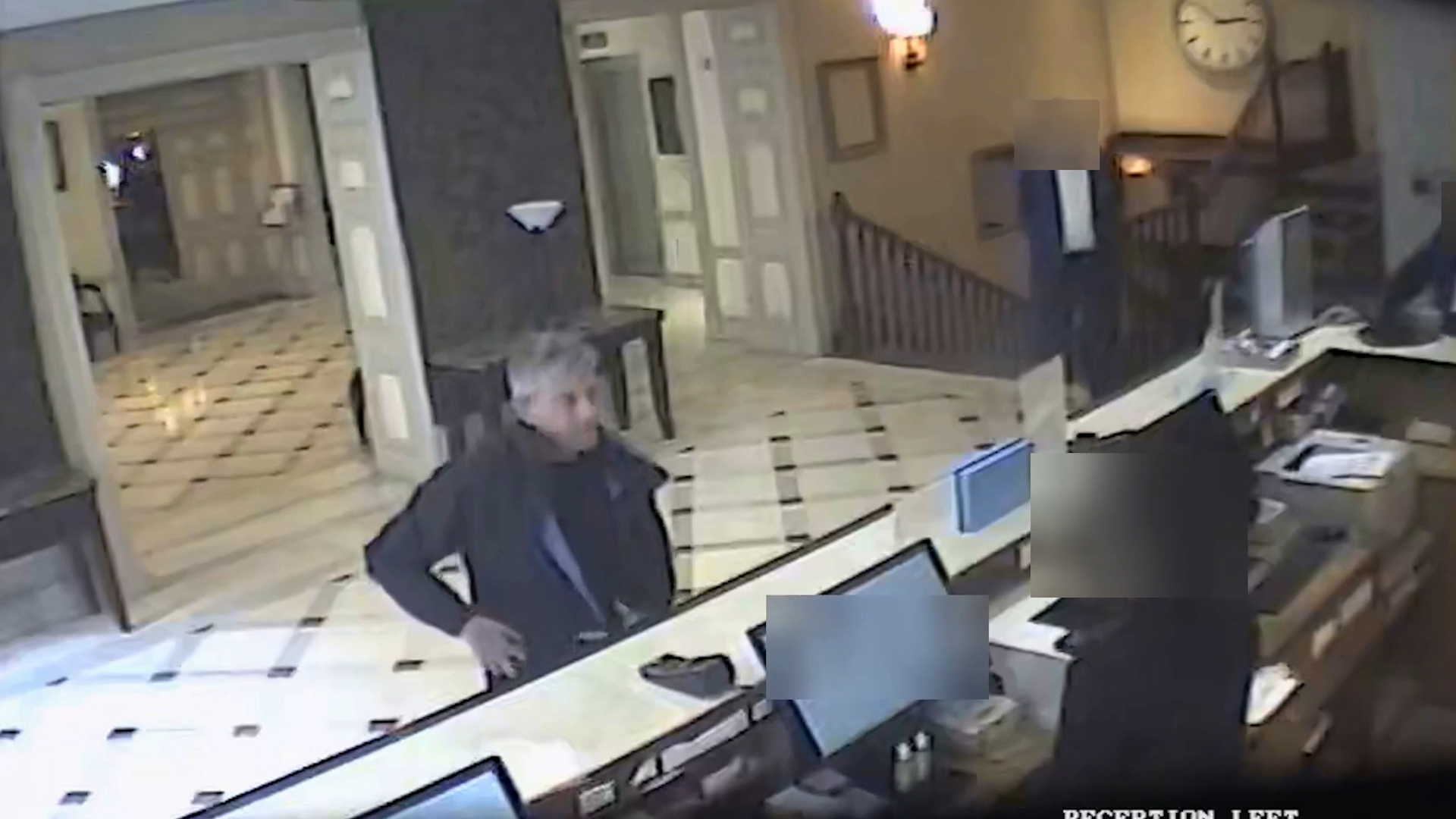
In November 2025, Howard Phillips, from Harlow in Essex, was sentenced to seven years in prison after also being convicted, under the National Security Act 2023, of engaging in conduct intended to assist a foreign intelligence service.
Prosecutors said Phillips attempted to provide sensitive personal information about then-Defence Secretary Grant Shapps to people he believed were Russian agents, but who were in fact undercover officers.
Some of these conversations were captured on camera and Phillips can be heard explaining his feelings about Russia.
"I feel that over many years there's been a lot of discredit done to Russia and I think a lot of it is absolute rubbish," he is heard saying.
"I suddenly thought maybe I can offer services and I get what I want, you get what you want."

Case study: the Great Yarmouth spy ring
Alongside the quick-hit, outsourced tasks, UK authorities also point to deeper operations.
In 2025, a group of six Bulgarian nationals living in the UK were convicted over a spying operation on behalf of Russia.
Prosecutors said the group ran operations across Europe and used a base in Great Yarmouth, where police seized what one Crown Prosecution Service account described as an Aladdin's cave of espionage equipment, fake media passes and uniforms.
Hidden cameras were found concealed inside everyday objects, including a Coca-Cola bottle and a Minions toy.
Authorities say the alleged activities included surveillance of journalists and dissidents, along with interest in military-linked targets, including staking out an American base near Stuttgart which they believed was being used to train Ukrainians.
Security officials and analysts say one reason for this trend towards using hired hands is due to the fact that Russia's traditional intelligence footprint in Europe has been disrupted since the invasion of Ukraine.
Outsourcing and the use of non-traditional intermediaries has become more attractive because it's cheaper, harder to attribute and flexible.
Mr Soldatov believes a new generation of war-hardened individuals are also playing a part.
He says those Russian nationals who still risk coming to Nato countries for intelligence work are more ruthless and brazen than previous generations of spies.
"They went through horrible things in Ukraine and they're ready to do, well, very dangerous things," he warned.
Why the UK is in the frame
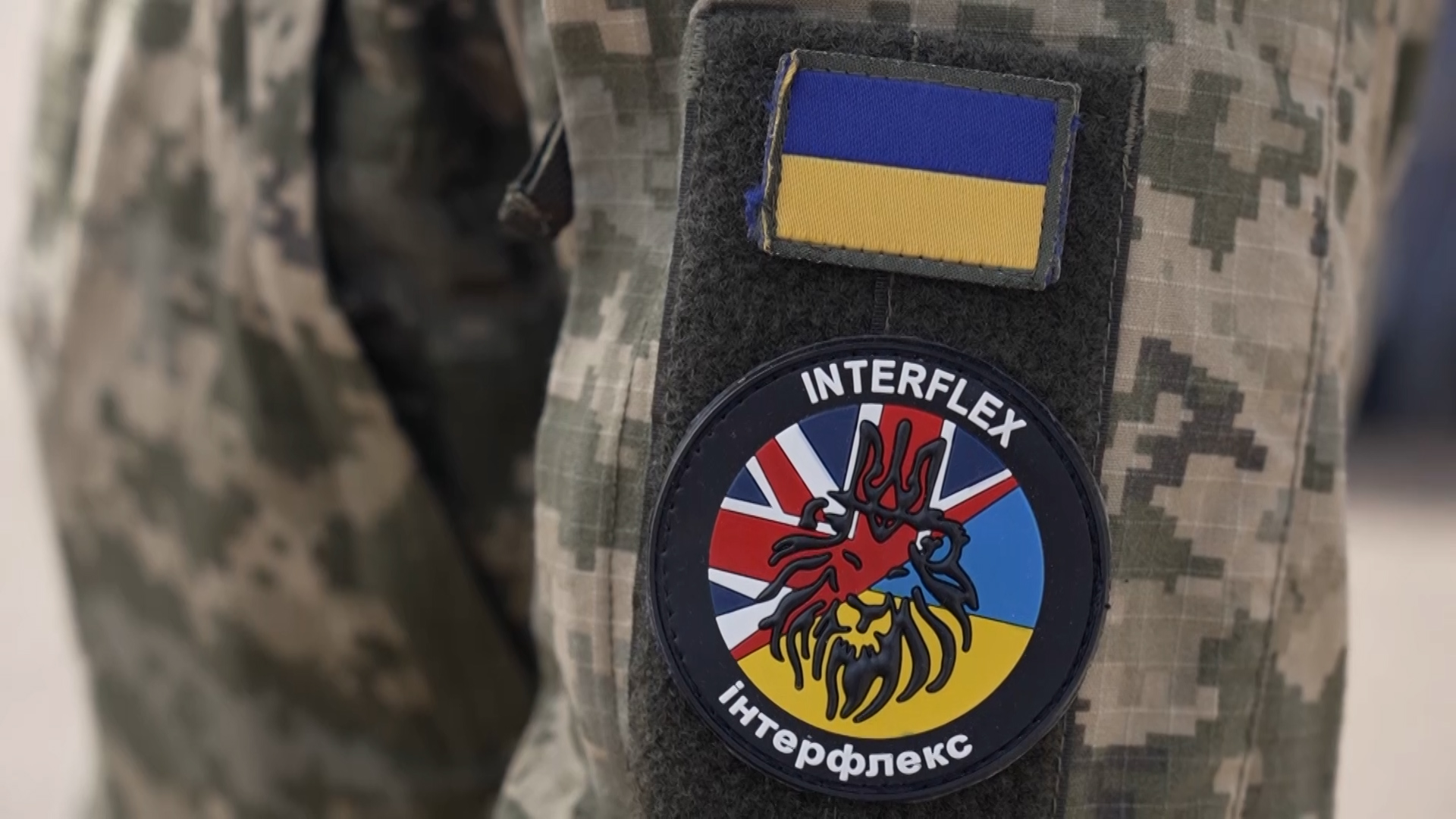
Russia appears to be taking a particular interest in the UK.
Mr Soldatov says there's a popular belief among some Russian operatives that Britain plays an outsized role in its support for Ukraine, and conspiracy theories about UK special forces can be used to justify escalation.
He said: "There is this idea very popular among Russian operatives that the UK is actually the main force behind [the] provision of military support to Ukraine... that provides Russian intelligence agencies with an excuse to escalate on British soil."
That perception matters, because in the grey zone, narrative is part of the weapon: it helps create justification, recruit proxies and normalise disruption.
What this means for the public
The UK's streets aren't crawling with spies, but the old rules have changed.
Today's operations can be low-cost, low-skill and designed to be carried out by people who may not even fully understand who they're working for.
For Russia, it can be cheap and deniable – a way to chip away at security and confidence without triggering direct confrontation.
For everyone else, it's a reminder that modern threats can begin with something as simple as a message on your phone.
Join Our Newsletter