Honeytraps: Are British troops being targeted by Russian sex spies for their military secrets?
A honeytrap involves using a romantic or sexual relationship to lure someone into a compromising situation to extract secrets, or force compliance.
UK personnel are made aware of this threat before deploying to locations such as Estonia, where they may be considered potential targets.
"They're all told, this is not a normal deployment and that you as soldiers have got to be very aware of how you behave in the local bars, with local people, don't get yourselves involved criminally or romantically in all sorts of things that can be used against you," defence analyst Professor Michael Clarke told BFBS Forces News.
"I think the soldiers are made very well aware that this is a really sensitive posting, and although you're going to be there for six months or whatever it is, you've really got to be very, very careful because you are a potential target 24 hours a day."
More complicated than just sex
As former CIA Chief of Station Sean Wisswesser explained, Moscow has successfully used honeytraps as a method of intelligence gathering for decades.
"Russians view it as this as something we can use against Americans, Brits, Germans, and French. Use it against them in the workplace, use it against them in their marriages," he said.
In fact, Mr Wisswesser's recent book titled Tradecraft, Tactics and Dirty Tricks has an entire chapter devoted to what Russians call 'swallows' – the name for women who deliberately try to entrap foreign service personnel and officials.
But it's not just heterosexual men who are at risk.
According to the national security professional, Russia also use 'ravens', male sex spies used to attract women and gay men. These stings can be sophisticated and hard to spot.
Mr Wisswesser lays out a scenario he claims was used frequently in the former Soviet Union, and it starts with an innocent conversation with a hotel maid.
He explains that, speaking in broken English, she might say that she wants to show you a photograph of her son or daughter, who is disabled and suffering from serious health problems.
"They're trying to get an emotional connection," he explained. "There's probably not an ounce of truth to it, but this is one that's been used a lot with businessmen, with us and other allies of ours.
"And then the relationship progresses [and] they go to visit, the child's not there. And then all of a sudden somebody breaks in from the police or security services.
"Poor whatever-her-name-was is now going to be jacked up by the police because this looks like prostitution and, jeez, the businessman has taken all unawares."
He added: "That's the type of approach; it's much more complicated than just sex."
Should UK Armed Forces personnel be worried?
But would Russian intelligence services really go to so much trouble to set up British servicemen or women?
These kinds of honeytraps are seen as well worth the effort, with potential damage to the reputation of British forces and ultimately weakening Nato.
In Ukraine, this is happening in an even more alarming way.
The Ukrainian security services recently released a warning saying they've thwarted 50 plots in the past year targeting Ukrainian soldiers with fake dates and, unfortunately, they've not been able to catch them all.
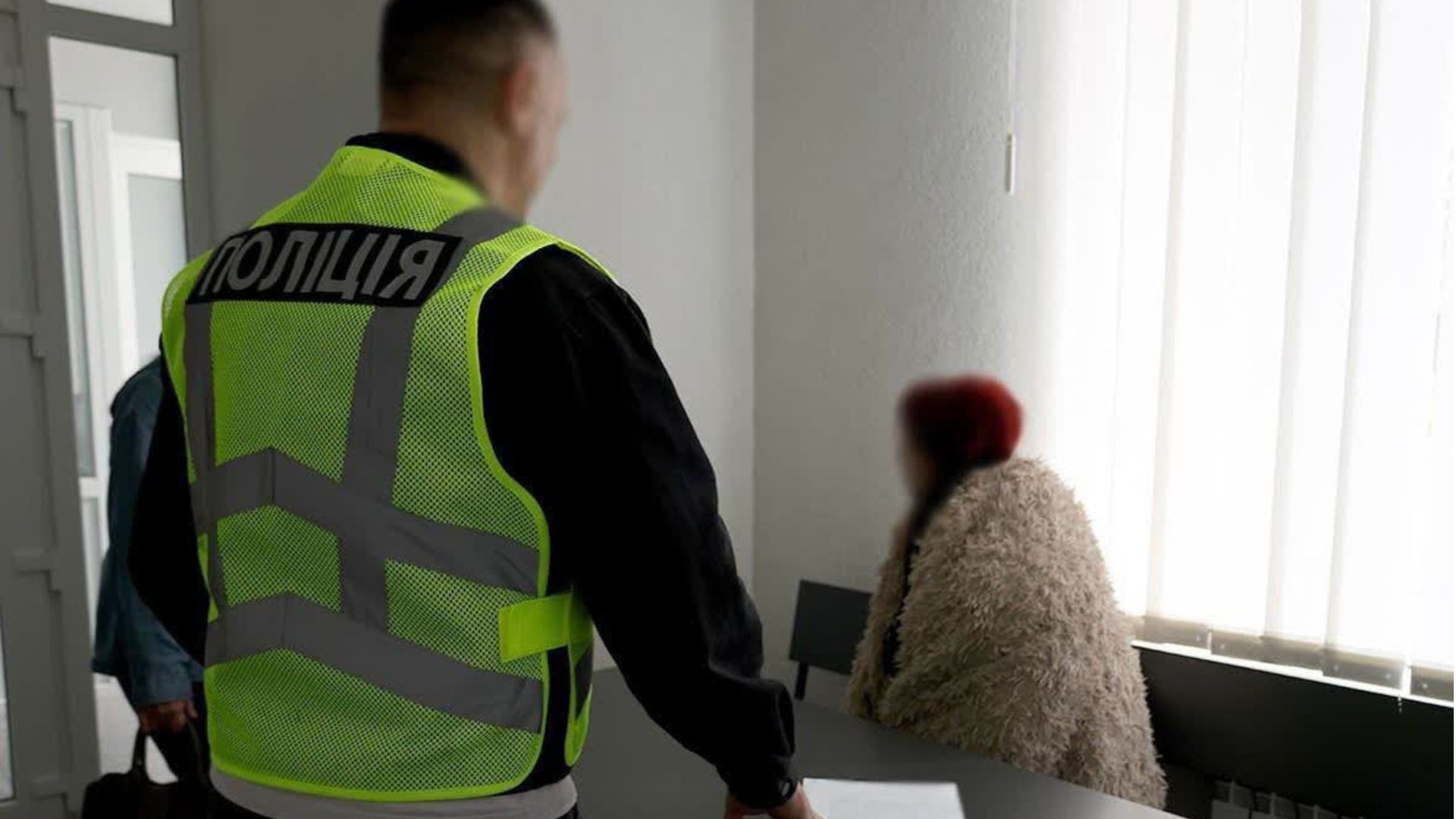
The Ukrainian police have posted a photograph of two suspects who have been arrested and charged, having allegedly been paid by Russia to hook up with Ukrainian soldiers using fake dating profiles.
They follow a sinister pattern where the women appear to have been pressured into personally delivering or sending gifts of vodka laced with poison, which is believed to have led to the death of at least two soldiers.
So should UK Armed Forces personnel be worried?
This stuff may sound like a twisted James Bond plot, but it's a very real threat that experts say needs to be taken seriously.
Related topics
Join Our Newsletter