Moscow using big cash incentives to lure recruits into flying the flag for Putin
Students across Russia are being offered large financial incentives to join drone units fighting in Ukraine, while companies in some regions have been given quotas to sign up workers for the army.
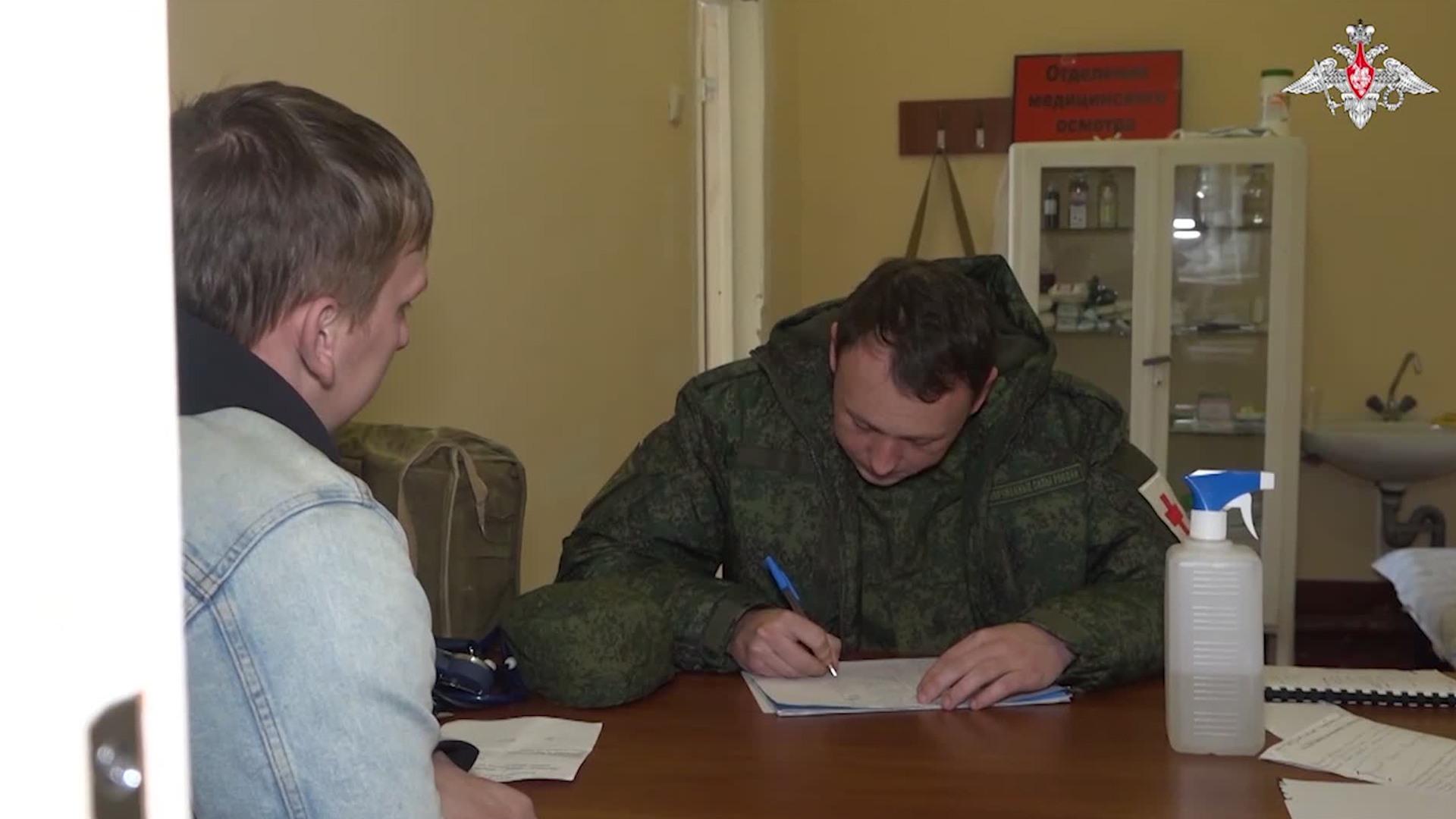
The Russian defence ministry recently released a carefully staged piece of footage showing Defence Minister Andrey Belousov touring a conscription centre in Moscow.
On the surface, the facility appears modern, efficient, even inviting – a one-stop shop where potential recruits can walk in, undergo medical checks and sign enlistment contracts with minimal hassle.
Making it easy to sign up
Compensation schemes are also in place, with payouts for injuries or death – around $36,000 for severe injuries such as a shattered foot.
The entry requirements are not exactly stringent, and Ukraine claims that roughly a quarter of new recruits are under some form of criminal investigation, while nearly half have significant personal debt.
For these young men, military service offers a way out – the chance of a financial reset, even at immense personal risk.
The Moscow recruitment centre video also reveals an important shift in messaging.
It signals an effort to normalise the idea that the Special Military Operation is no longer a distant campaign affecting only marginalised regions; it is now the responsibility of all Russians, including those in major cities.
Dwindling numbers
This reflects a deeper problem facing the Kremlin – a growing shortage of manpower.
Historically, Russia has managed to sign up around 30,000 men per month, a mix of domestic contract soldiers, "donated" soldiers from places like North Korea, and mercenaries from Africa and Asia.
However, battlefield losses are now outpacing enlistment. According to the Institute for the Study of War, Russia has set a recruitment target of 409,000 contract soldiers for the current year, equivalent to roughly 1,100 new recruits per day.
That figure equals the total number of contract soldiers recruited since the war began, underscoring how big a challenge the Kremlin is now facing.
To meet these targets, some regional authorities have increased signing bonuses by as much as 80%. Yet even these measures have not fully closed the gap.
Focus on recruiting brightest and best
President Putin is wary of triggering public backlash by announcing another large-scale mobilisation as he did in 2022.
Instead, the Kremlin is pursuing more subtle, covert recruitment strategies One of them involves Russia's higher education system.
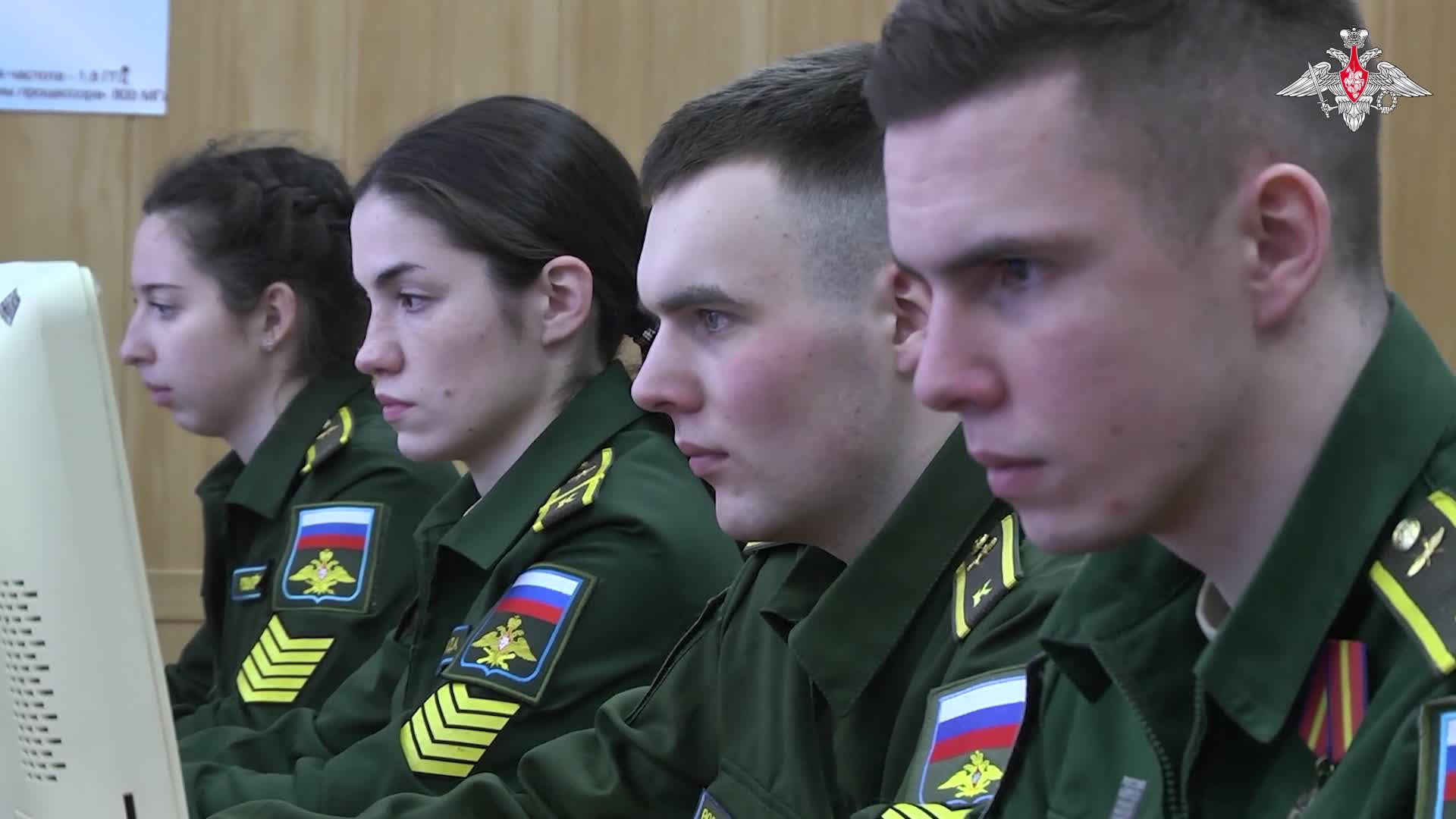
In several regions, universities have reportedly been instructed to make sure at least 2% of their students sign contracts with the military.
The focus is on recruiting the brightest and the best for Russia's growing drone warfare units.
A new drone-focused branch of the armed forces was established at the end of last year, reportedly on Vladimir Putin's orders.
Students are being incentivised to join with offers that go far beyond standard military pay.
At institutions such as the Far Eastern Federal University in Vladivostok, recruits are promised extended academic leave, free tuition, accommodation and financial grants.
Some universities are even offering to cover the cost of military equipment.
In some cases, students are offered first-year compensation packages worth up to $87,000, along with additional one-off payments.
Implicit in these offers is a stark calculation: not all recruits are expected to survive and return to claim their educational benefits.
Putin's business plan
This recruitment push extends beyond academia into the industrial sector too.
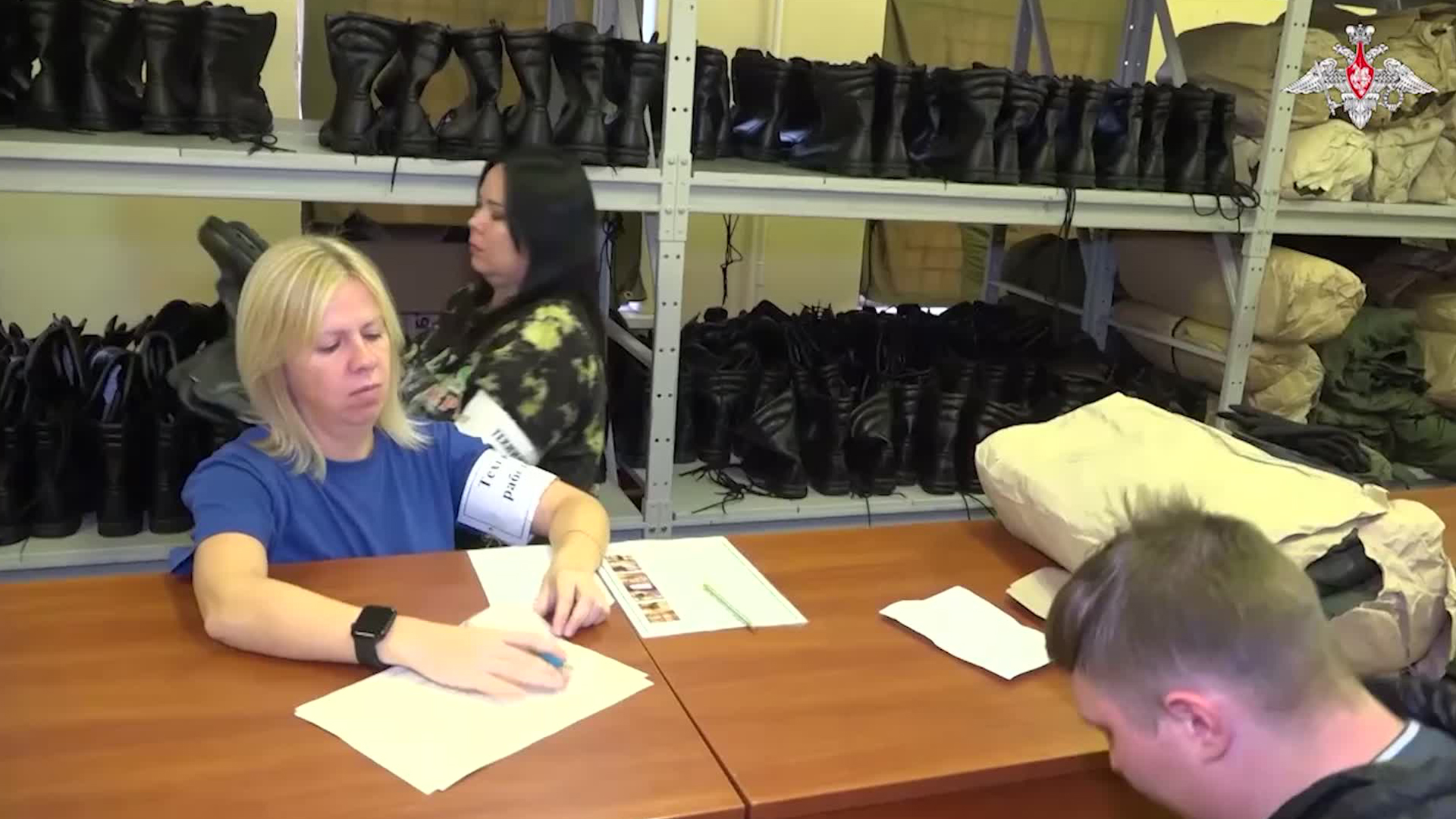
In certain regions, companies are being assigned quotas for how many employees have to enlist.
Firms with up to 300 workers are required to provide two recruits, while those with up to 500 workers must supply three and larger companies are expected to deliver five.
These more subtle measures are a way of the Kremlin drawing manpower from across society without resorting to overt conscription.
Whether these strategies will succeed remains uncertain.
Putting pay ahead of patriotism
According to a report in the Ukrainian media, what is happening in Russia is a re-writing of the country's social contract.
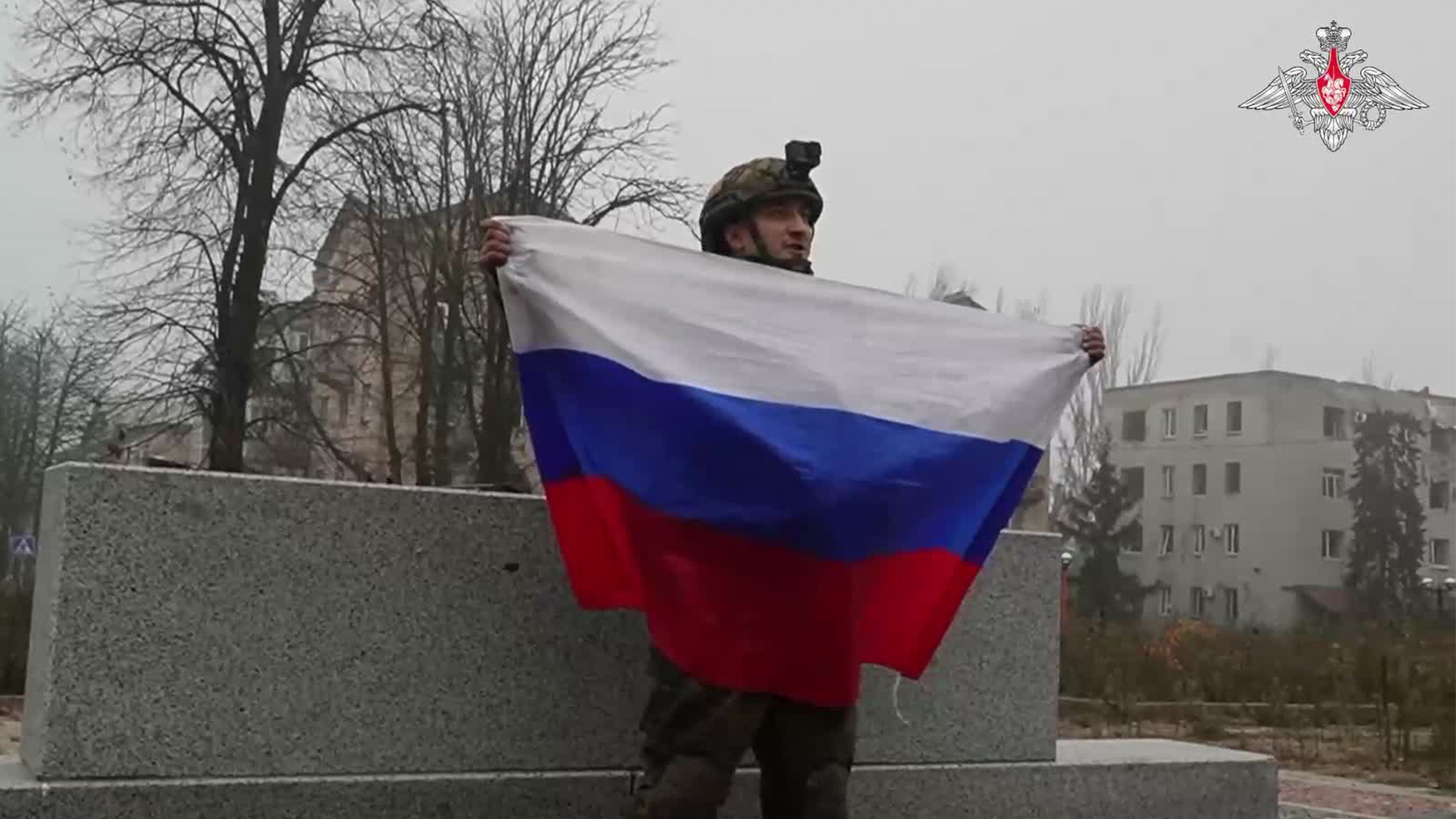
Increasingly, enlistment is seen not as a patriotic duty but as a financial transaction. Individuals agree to fight not out of ideological commitment, but for pay.
For the Kremlin, this has both advantages and risks.
On the one hand, it reduces the likelihood of widespread public outrage over casualties. If participation in the war is viewed as a voluntary, paid decision, then the consequences – however severe – are seen as the responsibility of the individual.
On the other hand, it underscores a lack of genuine public enthusiasm for the conflict.
The conscription centre in Moscow also offers another revealing detail: the digitisation of recruitment.
By creating centralised databases of eligible men, the government is laying the groundwork for faster, more efficient mobilisation in the future.
Should the need arise for another large-scale draft, much of the administrative burden will already have been taken care of.
The sleek, modern recruitment centre is not just a symbol of current efforts, it is a glimpse into what could come next.
Join Our Newsletter