Ukraine exporting interceptors and expertise to counter Iranian drone strikes on Gulf states
Ukrainian personnel have been sent to the Middle East to help the Gulf States counter Iranian Shahed drones.
Ukraine now produces an array of interceptor drones capable of taking down the Shahed and Russian copies like the Geran-2.
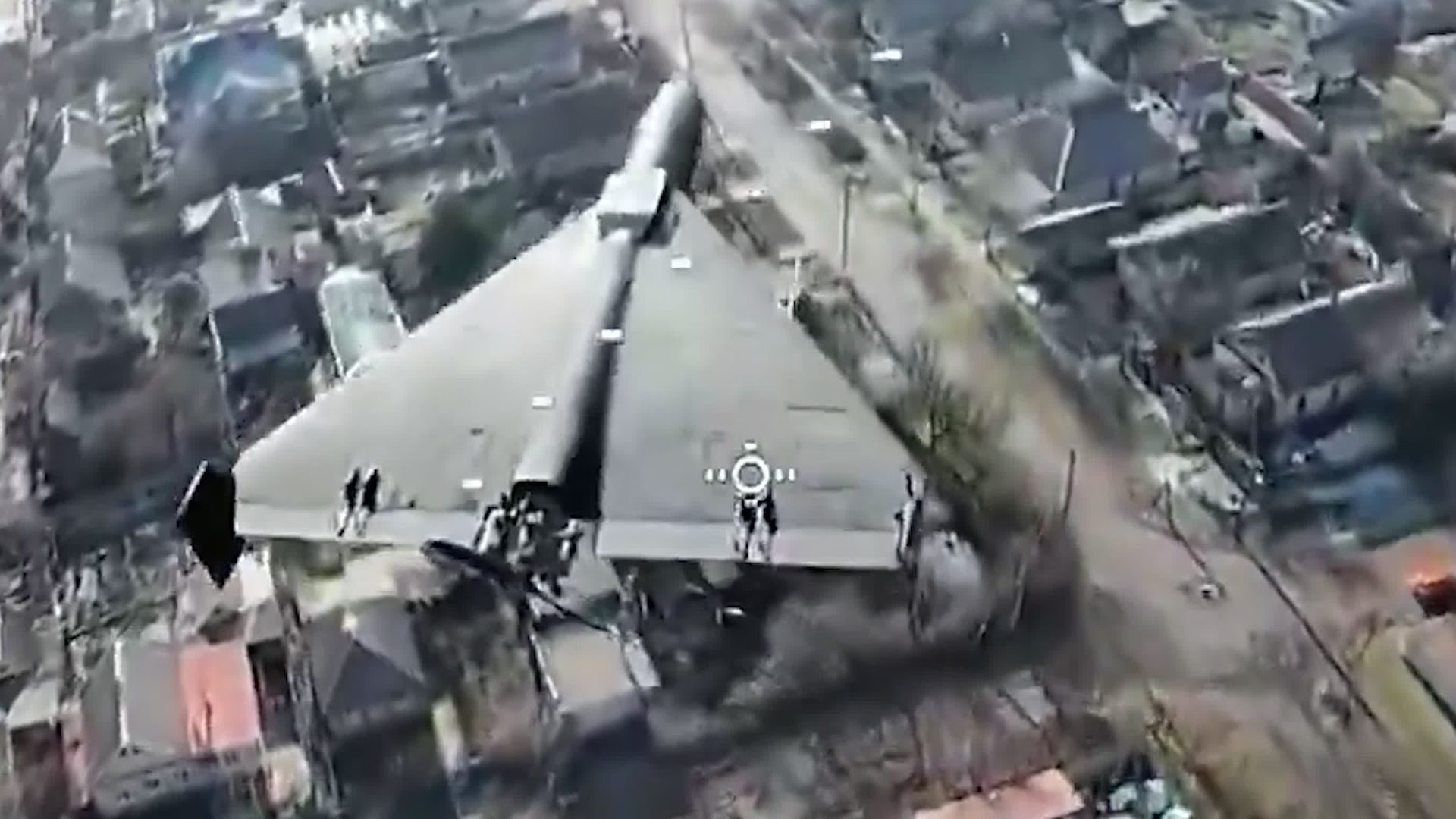
These are the types of weapons we've seen slamming into apartment blocks in the Gulf, hitting RAF Akrotiri in Cyprus and killing six US reservists in Kuwait.
Hit-to-kill, explode or both
Ukraine has several types of interceptor. There are fixed-wing versions that can track attack drones over a distance – so-called last-kilometre weapons.
Then there are the fast-pursuit interceptors that launch and hit within minutes.
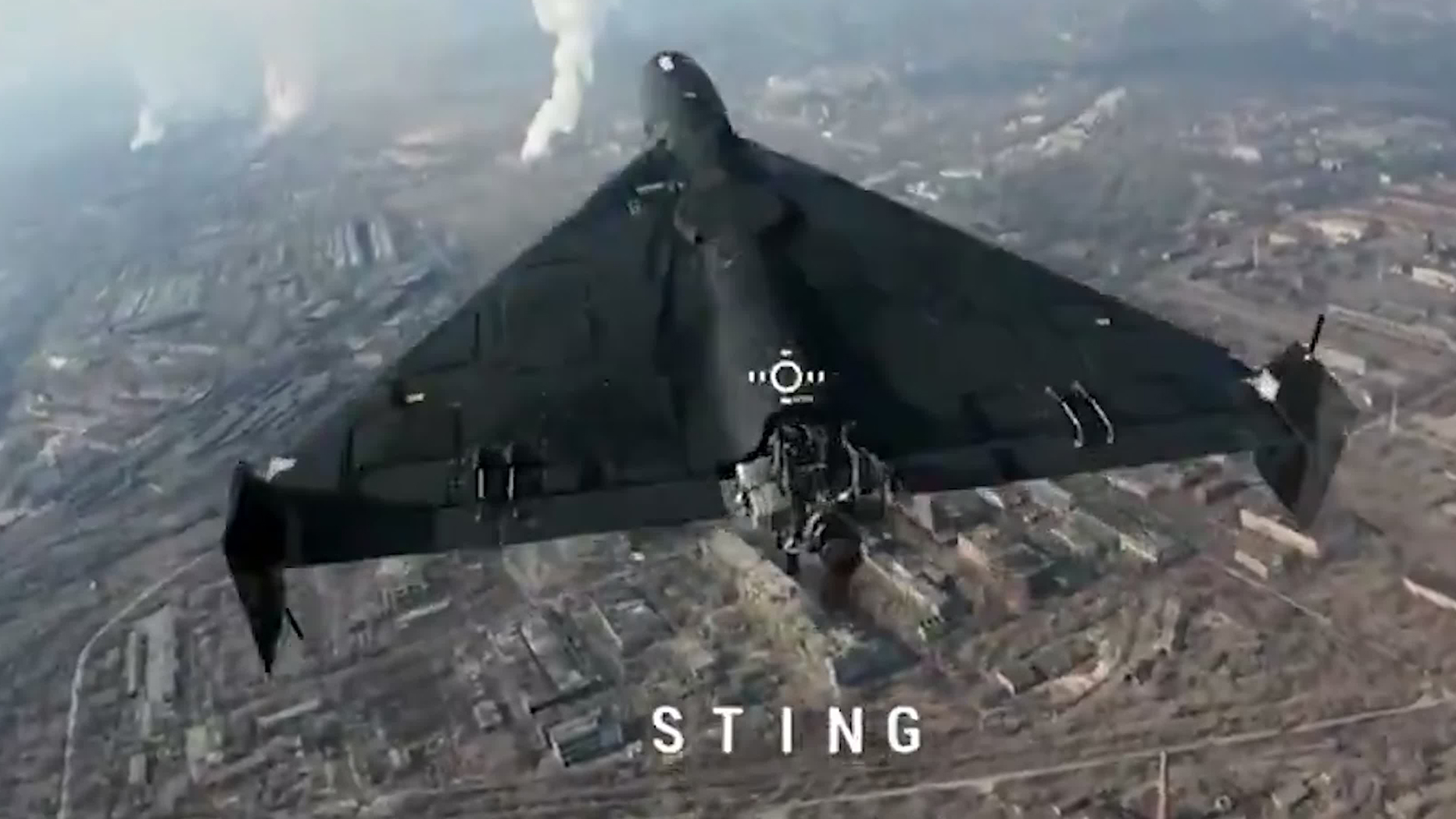
One of the best known of these is the Sting, developed by an engineering group called Wild Hornets.
There are a lot of others, but they all have a couple of things in common.
They're usually multi-copters, meaning they're fast, some close to 200 miles per hour. They can also fly high – the Sting to about 10,000 feet.
They're usually operated by a pilot, a navigator and a drone technician, and sometimes there will also be an armourer to fit a warhead.
Some interceptors are hit-to-kill weapons that literally smash into the Shaheds, while others, like the Bayonet, carry a warhead to blow them up mid-air. Some, like the P1 Sun, can do both.
Finding an incoming Shahed
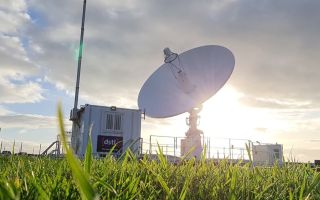
Ukraine uses a 3D radar network as well as acoustic sensors to detect incoming drones and track their direction and altitude.
Because they fly at relatively low speeds – about 120 miles per hour – Shaheds tend to follow a predictable flight path, so the interceptors will be positioned in these corridors.
Pretty much all of the interceptors have a thermal day/night camera, and this has two uses.
It provides a feed to the pilot's VR goggles, if it's being flown that way, but it's also key to the interceptor's machine vision.
This is the artificial intelligence it uses to track and lock onto a Shahed and plot the optimal interception course.
The Bayonet, for instance, claims to be completely autonomous once it's airborne.
The goal here is to explode the Shahed mid-air, as you don't want it falling from the sky onto civilian areas below.
So the interceptor will manoeuvre and try to hit the area at the front containing the 50-kilogramme high-explosive or thermobaric warhead.
And if they don't find a Shahed, most of these quadcopter interceptors can simply land and be reused.
Pros – but some cons too
Like every weapon, though, there are certain limitations. Battery life is short, maybe 15 to 20 minutes or so.
They also prefer good weather, so in fact these will work better in the Gulf than in Eastern Europe.
In Ukraine, interceptor teams can be trained in a few weeks because most already have some combat experience.
That's not the case in Qatar, Jordan or Saudi Arabia, so that's going to take time.
The other issue for the smaller Gulf States is distance.
Ukraine is about the size of Texas, so they have time to track Shaheds coming in from Russia and use interceptors in a layered air defence network that runs from mobile fire teams right through to $4m Patriot missile systems.
That won't be so easy for somewhere like Bahrain or the United Arab Emirates.
Drone tech moving at lightning speed
Ukrainian manufacturers are developing completely automatic interceptors – drones that can take off on their own, fly to the target, identify it and automatically aim at it on command.
A network of interceptors, where one operator could control 15 silos across a wide area, is another upgrade that's being explored.
There have even been reports that these interceptors could be operated remotely, in theory allowing these drones to be flown in the Gulf by a pilot sitting in front of a screen in Ukraine.
Russia has also adapted. It's now flying Shaheds at low level to try to reduce the chance of them being shot down.
It's also been fitting rear-facing cameras to the Geran-2 to keep an eye out for interceptors.
But these have had little real effect.
Enough for Ukraine and its allies
Interceptors now account for 70% of all Shahed shoot-downs in Ukraine.
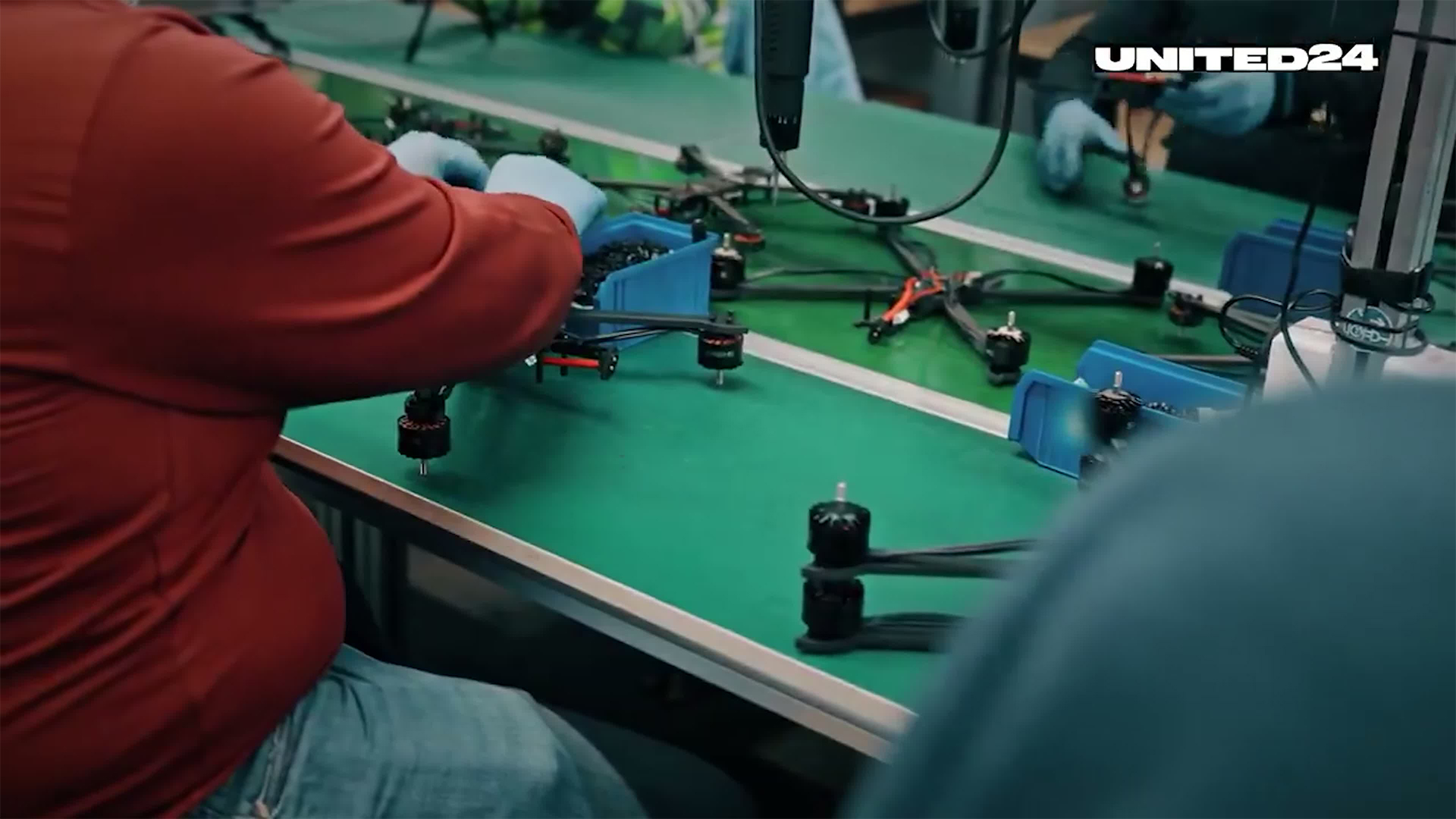
Ukraine's 450 drone firms produced 100,000 interceptors last year, a figure that's likely to rocket in 2026.
Companies like Skyfall, which makes the $1,000 P1 Sun interceptor, say they could easily make 50,000 a month, which would be enough to export 10,000 drones without leaving Ukraine short.
A year ago, an angry Donald Trump told President Zelensky he held no cards and was gambling with World War III.
Now, as cheap Iranian drones rain down on the Gulf States, the US, and close to a dozen other countries, want these interceptors as well as Ukrainian expertise.
There's even talk of Washington potentially repaying the favour with deliveries of Tomahawks and Patriots, with President Zelensky and Ukraine – rather unexpectedly – now being dealt some aces.
Join Our Newsletter