How a single drone defeating RAF Akrotiri's air defences thrust Cyprus into the spotlight
The UK's Government is facing criticism around the level of defences at RAF Akrotiri after a single drone pierced several layers late on Sunday night.
The drone, described by defence officials as a "Shahed-type UAV", fortunately did not cause any injuries when it crashed onto a hangar, but prompted criticism over the potential and symbolic threat such attacks pose to British personnel in Cyprus.
As the dangers of the US and Israel's war with Iran spill into its regional neighbour, BFBS Forces News looks back at how, over 72 hours, the European nation took the spotlight.
Day 1: RAF Akrotiri hit with Iranian one-way attack drone
The weekend ended with headlines about two missiles heading in the direction of Cyprus being intercepted and Britain allowing America to use UK bases for defensive strikes on Iran.
By midnight, an air raid siren was warning of incoming danger at RAF Akrotiri, and after several minutes, a small explosion was heard.
It took three hours for the warning alarm to silence, and by early Monday morning, the Ministry of Defence confirmed the airbase has been hit with a "suspected drone strike".
During breakfast television on Sky, Foreign Secretary Yvette Cooper confirmed the drone hit the runway, but Downing Street later said a hangar had been targeted.
The Cypriot government announced the drone had been launched by Iranian proxy Hezbollah from neighbouring Lebanon.
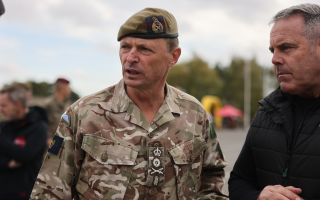
Meanwhile, Defence Secretary John Healey was speaking with Commander British Forces Cyprus, Major General Tom Bewick, agreeing "precautionary measures" to ensure the safety of families living at the airbase.
Non-essential personnel were gradually processed to partially evacuate the airbase in a "temporary dispersal" to other parts of Cyprus.
Home to nearly 4,000 personnel and their families, the Sovereign Base Areas stressed that only RAF Akrotiri was in danger and other parts of the SBA including Episkopi and Dhekelia were not evacuating.
Meanwhile, the Foreign Commonwealth Development Office updated its advice for British nationals travelling to Cyprus, stating "regional escalation poses significant security risks and has led to travel disruption".
The air raid siren sounded once more at midday with the Republic of Cyprus announcing two drones has been destroyed.
Day 2: Bolstering defences in the Eastern Mediterranean
The United Kingdom maintains a large Royal Air Force and British Army presence in Cyprus.
Yet the drone strike at RAF Akrotiri has cast doubt on how well protected the Sovereign Base Areas and the Republic of Cyprus are.
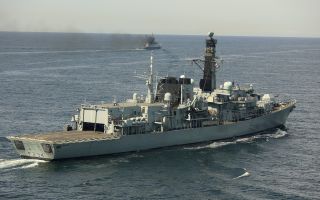
The long-standing ally and historical partner of Cyprus, Greece, has sent two frigates and four F-16 fighter jets to its Mediterranean neighbour.
The ship FDI HN frigate Kimon only entered service in the Hellenic Navy in January and is armed with counter-drone defence Centauros.
France has also promised to send the warship Languedoc, plus anti-missile and anti-drone defences, to its European Union ally.
Germany and Italy are also reportedly planning to send units to the area.
President Nikos Christodoulides thanked France's President Macron for "concrete and deeply appreciated support provided by France to Cyprus".
Despite the Prime Minister’s official spokesperson defending "a significant level of defensive capability" at RAF Akrotiri, the UK Government decided more should be done to help defend British interests.
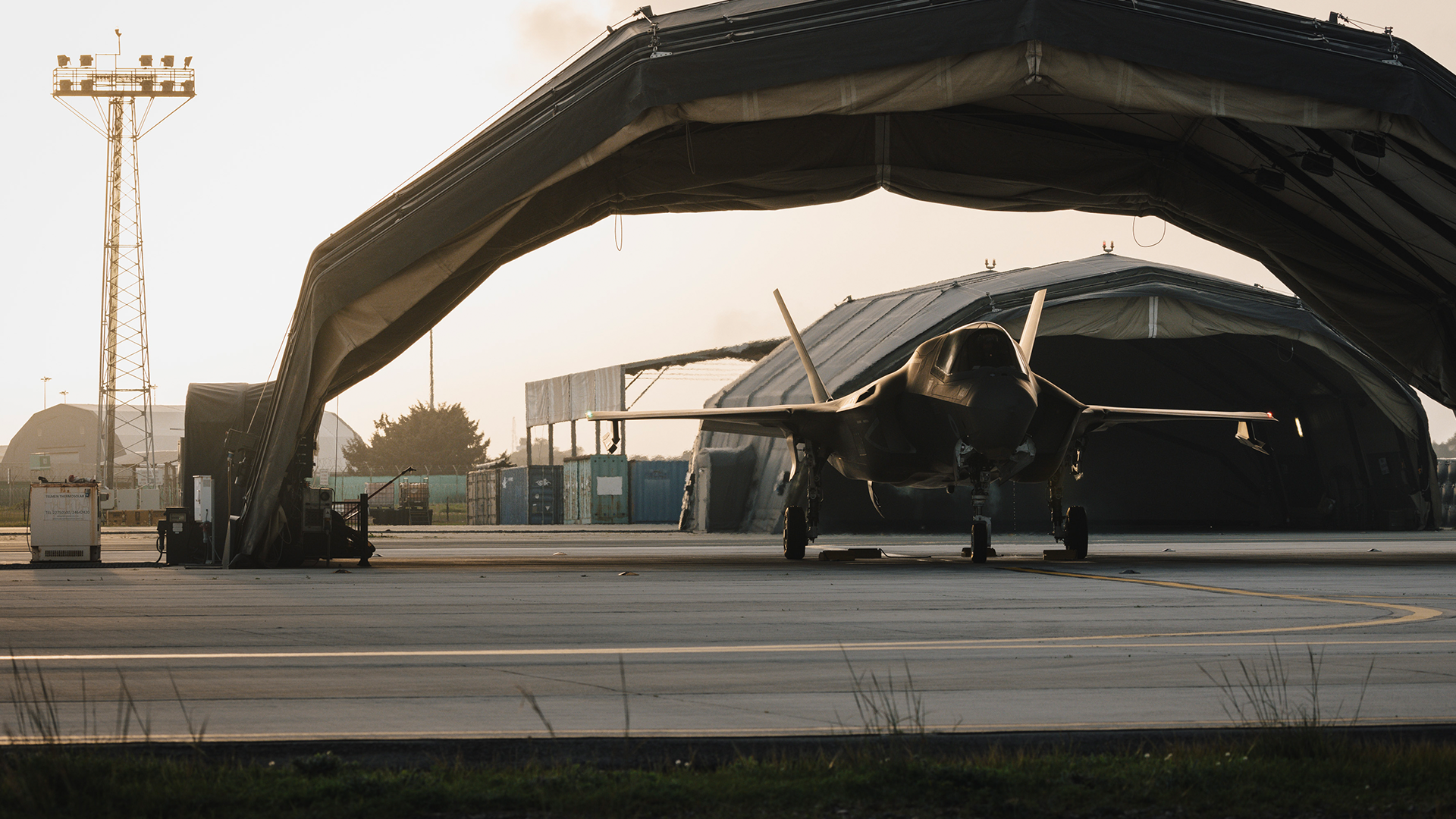
In recent weeks, six F 3-5B fighter jets, anti-drone radar, and ground-based air defences were deployed to Cyprus.
After hours of unconfirmed reports, HMS Dragon was announced to be heading to the Eastern Mediterranean.
Day 3: Airspace remaining open, but HMS Dragon delayed a week
After a day without warning sirens, reports that Cyprus had closed its airspace burst into the news.
Government spokesperson Konstantinos Letymbiotis said "a possible suspicious object" had been detected in the airspace near Lebanon.
Two F-16 fighter jets from the Hellenic Air Force were scrambled, while two civilian aircraft due to land in Larnaca were diverted.
Cyprus later insisted that its airspace was at no time closed.
Back in the UK, preparations are being made at Portsmouth for HMS Dragon to set sail, with PM Sir Keir Starmer saying: "We will always act in the interest of the UK and our allies."
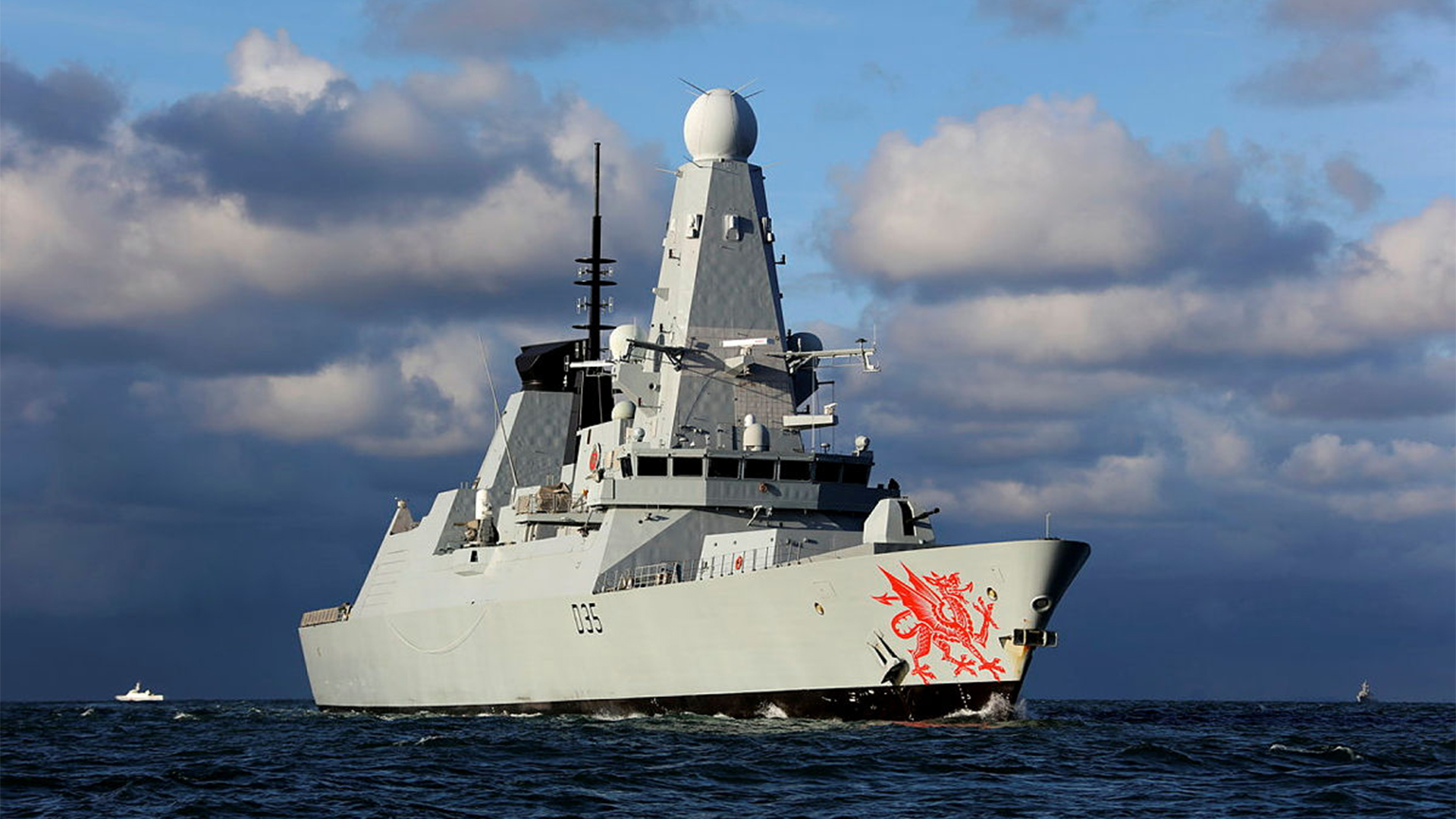
The Type 45 Daring Class Destroyer is one of six Royal Navy ships designed for air defence against ballistic missiles and drones.
But it could take a week before it is stocked with ammunition and ready to depart, according to officials, despite the Royal Navy working "as fast as possible" to ready the destroyer.
Two Wildcat helicopters armed with Martlet air-to-air missiles will arrive at RAF Akrotiri within days.
The MOD marked a first for Britain's stealth fighters as an F-35B, likely from the airbase, shot down a drone on operations while defending Jordanian airspace.
What next for British personnel at RAF Akrotiri and Cyprus?
More than 72 hours have now passed since the drone strike at RAF Akrotiri, and the impact of a British base coming under direct fire has unsettled both governments and individuals in the region.
It put personnel at Britain's busiest overseas airbase in the firing line, but also the media spotlight.
The Sovereign Base Areas stressed the term "temporary" when describing the partial evacuation of RAF Akrotiri's non-essential personnel.
The MOD hasn't publicly set a deadline for how long it will be before families can return to the airbase and their partners.
Despite separation from their loved ones and disruption to their lives, the Royal Air Force continues to work from RAF Akrotiri, defending British interests and their allies.
As the region destabilises and uncertainty creeps in, the station's motto, "the peninsula is always ready," stands out.
Join Our Newsletter