Defence officials scramble to kit out HMS Dragon ahead of deployment to protect Cyprus
HMS Dragon is being "ammo'd up" in Portsmouth but will not leave for Cyprus until next week, according to defence officials.
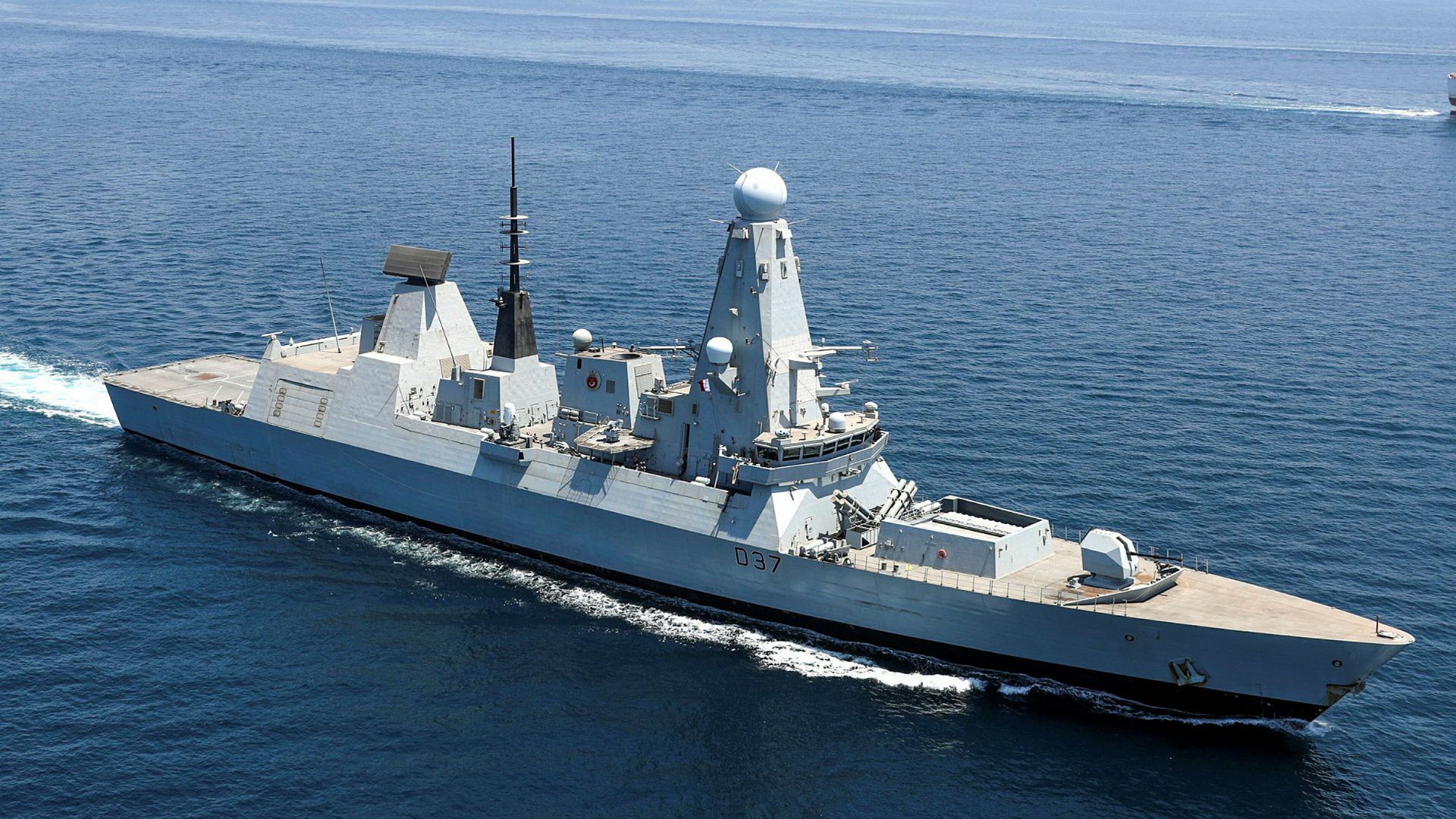
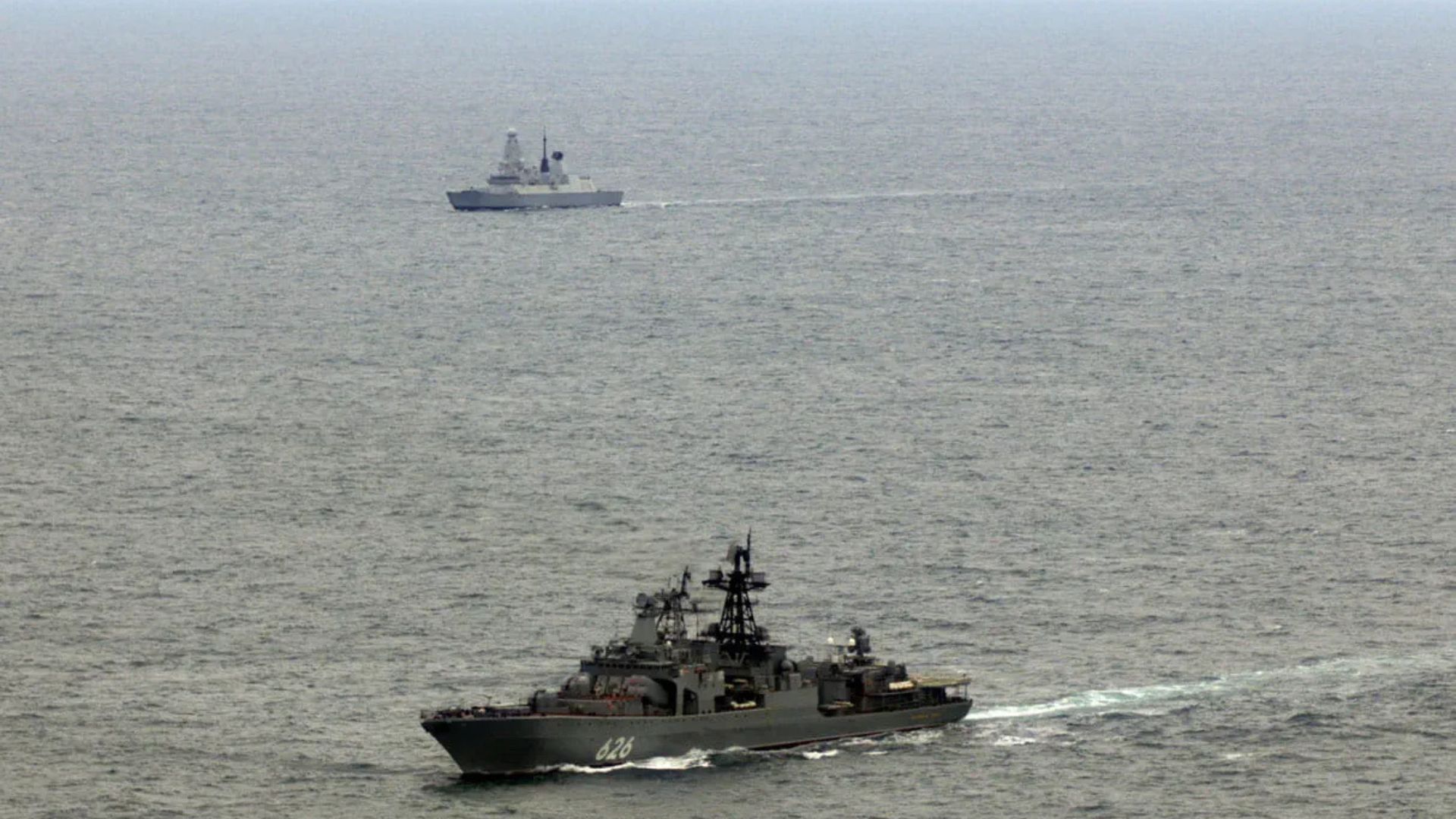
The Type 45 destroyer, which can shoot down ballistic missiles and drones, is coming out of maintenance and was originally being deployed on a different mission, they said.
Initial reports suggested that HMS Duncan would be heading for the Mediterranean, but officials said Dragon was judged to be at most readiness.
Advanced and capable
Launched in 2008, the Daring-class air defence destroyer can launch eight Sea Viper missiles in under 10 seconds and guide up to 16 missiles simultaneously.
The warship is expected to take between five and seven days to reach the waters off Akrotiri, Britain's largest RAF base outside the UK.
Dragon's Wildcat helicopters – which carry drone-busting Martlet missiles – will arrive in the region before the ship, they added.
At midnight on Sunday, a hangar at RAF Akrotiri was hit by a drone, with two more intercepted en route, according to the Cypriot government.
The MOD said there were no casualties and "minimal damage".
Families and non-essential personnel have since been relocated from the base to accommodation elsewhere on the island.
Officials said the wreckage of a Shahed-type drone that hit the base had since been retrieved and analysed.
Low-cost, high impact
The Shahed-136 is an Iranian-made one-way attack drone that carries a 50kg warhead and has a range of around 1,000 miles.
Iran has supplied Russia with thousands of delta-wing Shaheds, but officials said their assessment was that the unmanned aerial vehicle (UAV) that hit the British base did not come from Iran.
They declined to say where they believed it had originated, however earlier this week, the Cypriot government said it had intelligence that the drone had been launched by Iranian proxy Hezbollah from neighbouring Lebanon.
Officials said Iran's response to the US and Israeli operation had been "reckless, haphazard and escalatory".
The number of ballistic missiles being fired by Iran had started to decline, they said, as the US targeted Iranian launch sites and factories. At the current firing rate, they said, Iran's missile arsenal would last "several more days".
Officials said the first team of British military drone experts have also arrived in the region, but they declined to say where the personnel have been deployed. However, they did confirm that they are specialists with experience in Ukraine.
Iran retaliates
On Sunday, Prime Minister Sir Keir Starmer said British and Ukrainian drone specialists were being sent to the Gulf States to help them defend themselves from Iranian attacks.
Iran has launched Shahed drones into Bahrain, Kuwait, Qatar and elsewhere across the Gulf as Tehran tries to intimidate America's regional allies.
On Monday night, an RAF F-35B jet based at RAF Akrotiri shot down an Iranian drone over Jordan – the first recorded combat kill for a British F-35.
In Iraq, a British counter-drone unit also destroyed a number of drones as they were heading towards Coalition forces.
Elsewhere, an RAF Typhoon operating with the joint UK-Qatar 12 Squadron shot down an Iranian one-way attack drone heading for Qatar using an air-to-air missile.
Officials were also asked about the decision by Mr Starmer to allow the US to use British bases for Operation Epic Fury – the US mission against Iran.
They said facilities such as RAF Fairford and the joint UK/US airbase on Diego Garcia, part of the Indian Ocean archipelago, had not been involved in the operation so far.
However, they were being readied, and they expected US aircraft to arrive next week.
"Don't rule anything out, this could go on for some time," they said.
Join Our Newsletter