Epic Fury: How the UK and its allies have been involved in the Middle East conflict so far


As Operation Epic Fury – the US and Israel's coordinated strikes across Iran – continues, the UK, along with other Nato countries and allies, are continuing to step up their presence in the Gulf and the Mediterranean.
Prime Minister Sir Keir Starmer had previously said British involvement was inevitable because of Iran's retaliation and represented an active commitment to protect UK personnel and their allies.
Most recently, Australian Prime Minister Anthony Albanese said his country would deploy a long-range reconnaissance aircraft and send air-to-air missiles to help countries in the Gulf region defend against Iranian attacks.
Turkey, meanwhile, has deployed a Patriot missile system to help defend the skies above Malatya, home to a key Nato radar site.
The UK
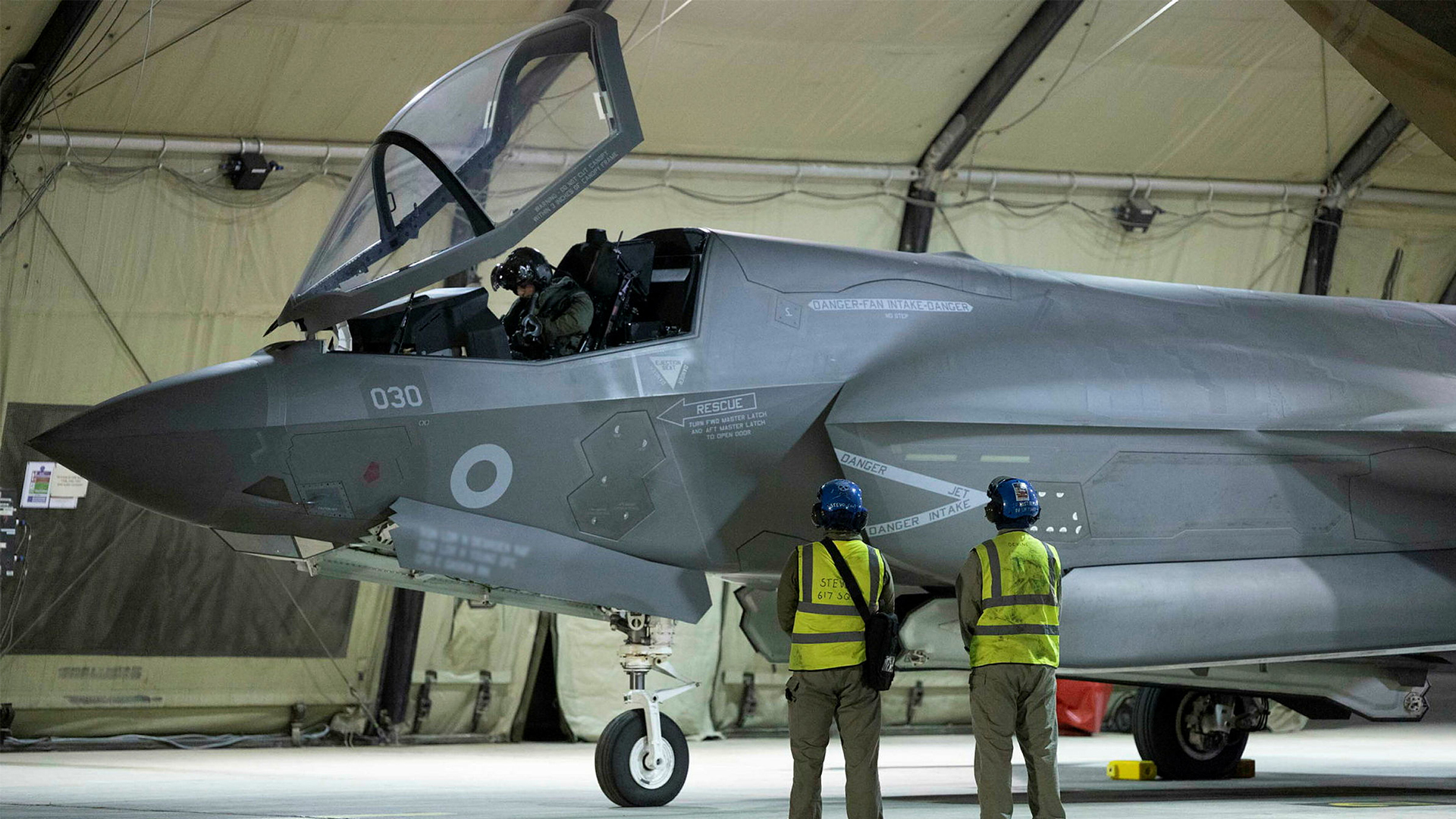
RAF F-35Bs and Typhoon warplanes have taken to the skies to defend allies in the Middle East against Iranian retaliation.
Defensive operations have been run from Qatar and Cyprus to destroy any incoming drones and missiles.
History was made when a n F-35B shot down a drone over Jordanian airspace – the first time the stealth jet had made such a kill on an enemy UAV in an active UK operation.
The jets were supported by RAF Typhoons and a Voyager air-to-air refuelling aircraft.
Royal Navy warship HMS Dragon
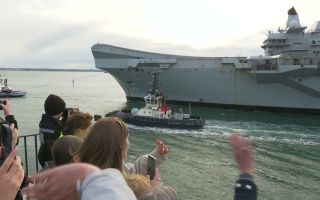
HMS Dragon is preparing to leave Portsmouth for the Eastern Mediterranean to protect the UK's bases in Cyprus, after RAF Akrotiri was hit by a drone.
The Type 45 air defence destroyer, which is one of six Daring-class vessels, is purpose-built for anti-aircraft and anti-missile warfare.
HMS Dragon is armed with the world-leading Sea Viper missile system and is capable of firing eight Aster missiles in under 10 seconds, while guiding up to 16 to their target simultaneously.
Wildcat helicopters equipped with so-called drone-busting Martlet missiles are now at RAF Akrotiri where they can counter attacks from up to six kilometres away.
Use of British military bases
The Prime Minister has agreed to a request from the US for British military bases to be used for defensive airstrikes on Iranian missile sites.
The sites used are likely to be RAF Fairford in Gloucestershire and Diego Garcia in the Indian Ocean.
RAF Fairford, located on the border of Gloucestershire and Wiltshire, has been used by the US in the past to conduct long-range heavy bombing missions.
Soon after Sir Keir announced the US could use UK bases, a hangar at RAF Akrotiri was hit by a one-way attack drone.
Foreign Secretary Yvette Cooper initially said the runway was targeted – with more subsequent unmanned drones successfully intercepted.
In an address to Parliament on 2 March, the Prime Minister said British bases in Cyprus were not being used by US bombers.
"The use of British bases is limited to the agreed defensive purposes – we are not joining the US and Israeli offensive strikes," he said.
"The basis of our decision is the collective self-defence of longstanding friends and allies and protecting British lives. It is in accordance with international law."
France
France has stated it is prepared to take defensive action to neutralise Iran's drone and missile capabilities.
It had also offered to allow US forces to operate from Istres Air Base in order to provide operational support.
On 3 March, French president Emmanuel Macron said that his forces had shot down drones "in legitimate self-defence in the very first hours of the conflict to defend the airspace of our allies, who know they can rely on us".
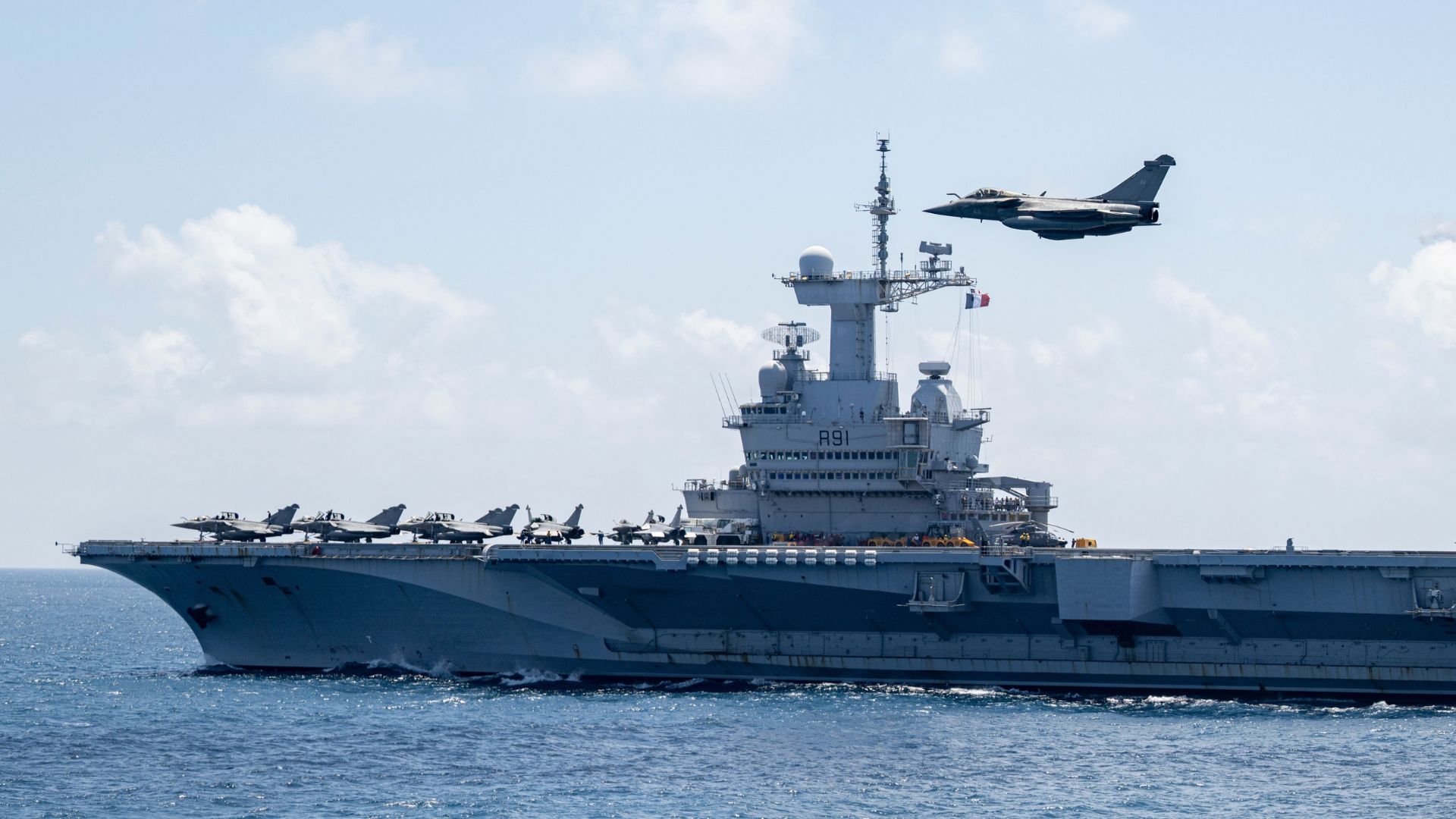
President Macron ordered the deployment of France's most advanced nuclear-powered aircraft carrier from the Baltic Sea to the Mediterranean – citing the strike on RAF Akrotiri as the motive.
The flagship of the French navy, the Charles de Gaulle, is equipped with Aster-15 surface-to-air missiles, a 20mm Giat gun and electronic warfare and counter-UAS capabilities, making it adept at defending against drone threats.
Its air wing can accommodate up to 40 aircraft, including Rafale M fighters and E-2C Hawkeye early-warning aircraft.
Mr Macron noted that France has defence agreements binding the EU nation to Qatar, Kuwait and the United Arab Emirates, as well as strong commitments to Jordan and Iraq.
Deployed on 3 March, the Charles de Gaulle is currently carrying 20 Rafales and two Hawkeyes.
Italy
Amid concern for the safety of its citizens and personnel in the region, the Italian government said on 5 March that it was planning to send air defence aid to the Gulf countries, as well as naval assets to Cyprus.
Italian defence minister Guido Crosetto said: "We intend to adapt the existing system with defensive assets, air defence systems, anti-drone and anti-missile systems, within the scope of what has already been authorised and within the geographical and functional limits of the mission."
He added it was necessary to deploy additional forces in the area for "our contingents, for our compatriots and to help counter an incipient financial and energy crisis", echoing the current difficulties in the Strait of Hormuz.
Foreign minister Antonio Tajani said the government had already helped 10,000 Italians to leave the areas most at risk, and more than 2,500 troops were deployed before the conflict began.
Spain
Facing intense pressure by Washington for refusing to let US forces use its bases, Spain's defence ministry announced on 5 March that it was sending its most advanced frigate to Cyprus.
"The frigate Cristóbal Colón joined the Charles de Gaulle Naval Group on Tuesday, 3 March to carry out escort, protection, and advanced training duties in the Baltic Sea," a defence ministry statement said.
As Spain's most technologically advanced frigate of the Álvaro de Bazán‑class, her armaments include the RIM-162 Evolved Sea Sparrow anti-ship missile, a 5-inch naval gun and two 25mm guns for close-range defence.
Additionally, she can carry both the SH-60 Sea Hawk and NH-90 helicopters, enhancing her capabilities both at sea and in the air.
"Its mission in the Mediterranean will be to provide air defence and protection, thus complementing the capabilities of the Patriot battery deployed in Turkey," the statement said.
"It will also be on standby to support any evacuation of civilian personnel who may be affected by the conflict."
Australia
On 9 March, prime minister Anthony Albanese said the nation would deploy a long-range reconnaissance aircraft and send air-to-air missiles to help countries in the Gulf region defend against Iranian attacks.
He spoke of the 115,000 Australians currently in the Middle East, 24,000 of them in the UAE – a major factor in his decision to deploy military assets to the region.
The E-7A Wedgetail offers the Australian Defence Force one of the most advanced airspace battle management capabilities in the world.
Based on the Boeing 737-700 series aircraft, the Wedgetail is equipped with the Northrop Grumman Multi-Role Electronically Scanned Array radar, capable of searching and tracking targets over 600 km in air mode and over 370 km in look-down mode, which can detect low-flying aircraft and cruise missiles against ground clutter.
During a standard mission, the Wedgetail can cover more than four million square kilometres, an area the size of Western Australia or the Northern Territory. It is capable of unlimited long-range deployment with in-flight refuelling.
Australia will also send advanced medium-range air-to-air missiles to the United Arab Emirates, Mr Albanese said, following a phone call with UAE president Mohammed bin Zayed Al Nahyan.
He emphasised however, that he would not be deploying Australian troops on the ground in Iran.
Turkey
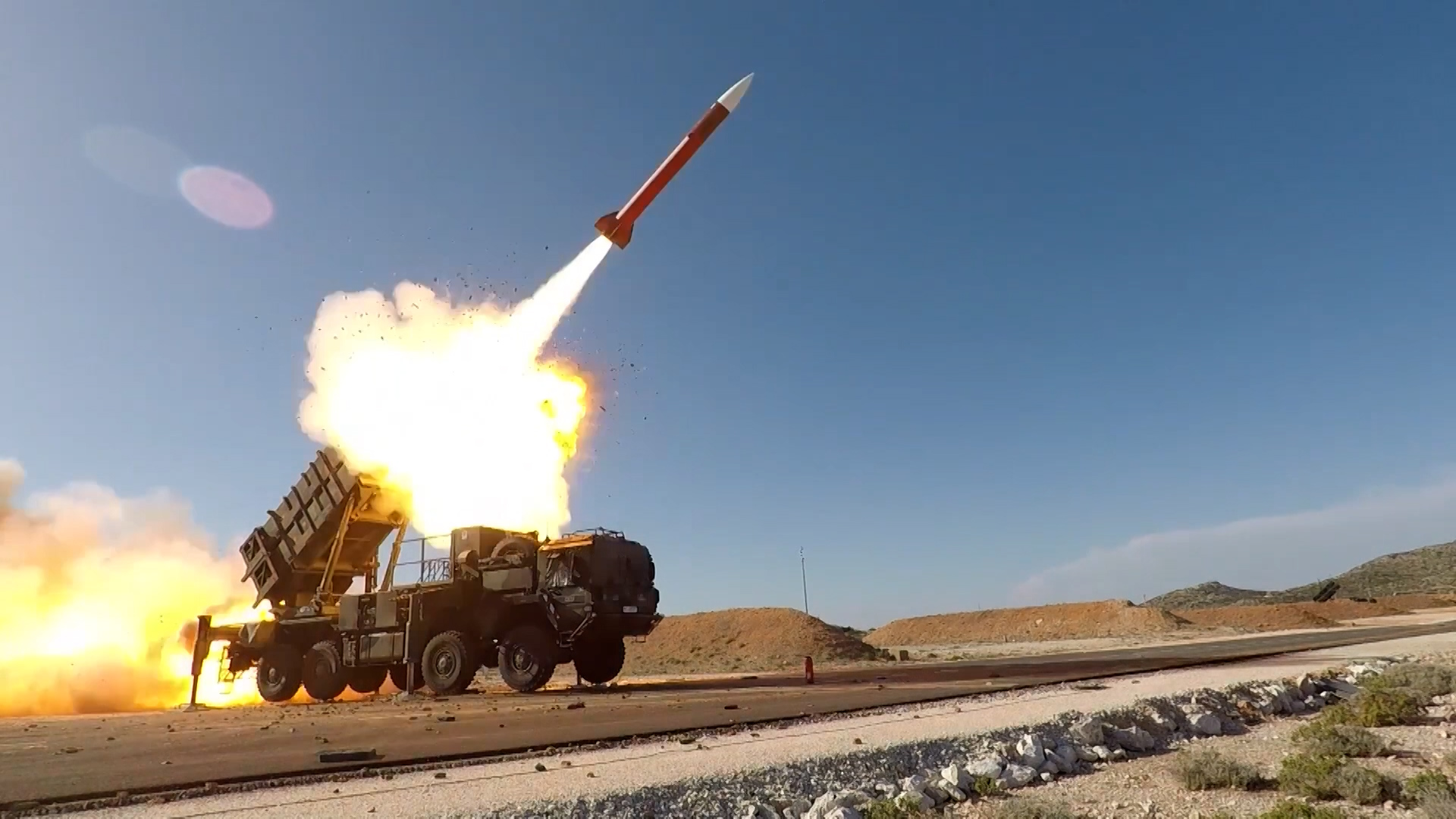
On 10 March, a day after its defence ministry said Nato defences had intercepted a second ballistic missile that entered its airspace, the Turkish defence ministry said one US Patriot system was being deployed to Malatya, to the east of the country.
It is the home of Turkey's Kürecik air base, which houses a Nato early warning radar system that can detect Iranian missile launches and is largely manned by US personnel.
"Our country, which maintains its defence and security capacity at the highest level, will continue to evaluate developments in cooperation and consultation with Nato and our allies, and to strive for regional peace and stability," the defence ministry statement said.
Join Our Newsletter