RAF Fairford: The base built for D-Day that could prove crucial for the US against Iran
The UK has agreed to an American request to use British military bases for "defensive" strikes on Iran, Prime Minister Keir Starmer has announced.
One of the bases most likely to be used is RAF Fairford in Gloucestershire.
But what exactly has Fairford got to offer?
Crucial during the Cold War
RAF Fairford was built in 1944 for the troop transporters and gliders used on D-Day, and it later became a key Cold War base for the United States because of its lengthy runway.
At nearly two miles long, it was once the designated emergency landing site for the NASA Space Shuttle.
The station – which is famous for hosting the Royal International Air Tattoo – is owned by the Ministry of Defence.
It retains its RAF title, but is made available to the United States as a forward operating base for heavy bomber missions.
A 1951 agreement between Washington and London means the British Government has the final say over its use for combat operations.
Long runway a key asset
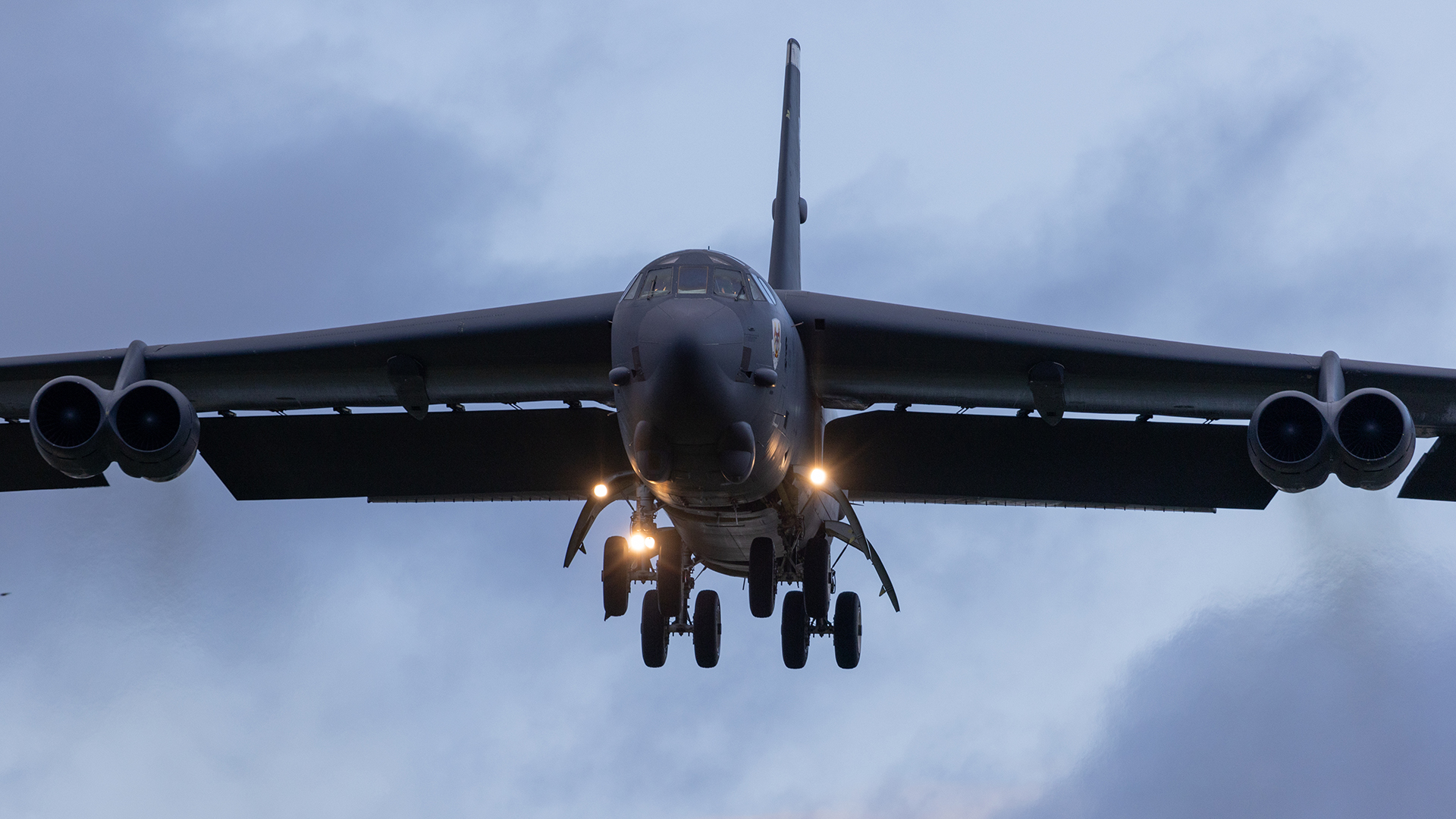
Fairford is one of only two bases in Europe that can host all three of the US Air Force's long-range bombers – the B-1 Lancer, the B-2 Spirit and the B-52 Stratofortress.
U-2 spy planes also regularly fly in and out of the base on training missions.
In the latest strikes on Iran, US B-2s flew a 37-hour round trip from Missouri – but using Fairford would halve the time those bombers need to spend in the air and cut fuel costs.
Desert Storm to Cobra Warrior – and beyond
The base came to prominence in 1986 when it was used as a staging post for American air-to-air refuelling tankers during the US attack on Libya under the Gaddafi regime.
It also supported Operation Desert Storm in 1991, Operation Allied Force – the Nato air campaign over Kosovo – in 1999, and four years later, the 2003 US-led invasion of Iraq.
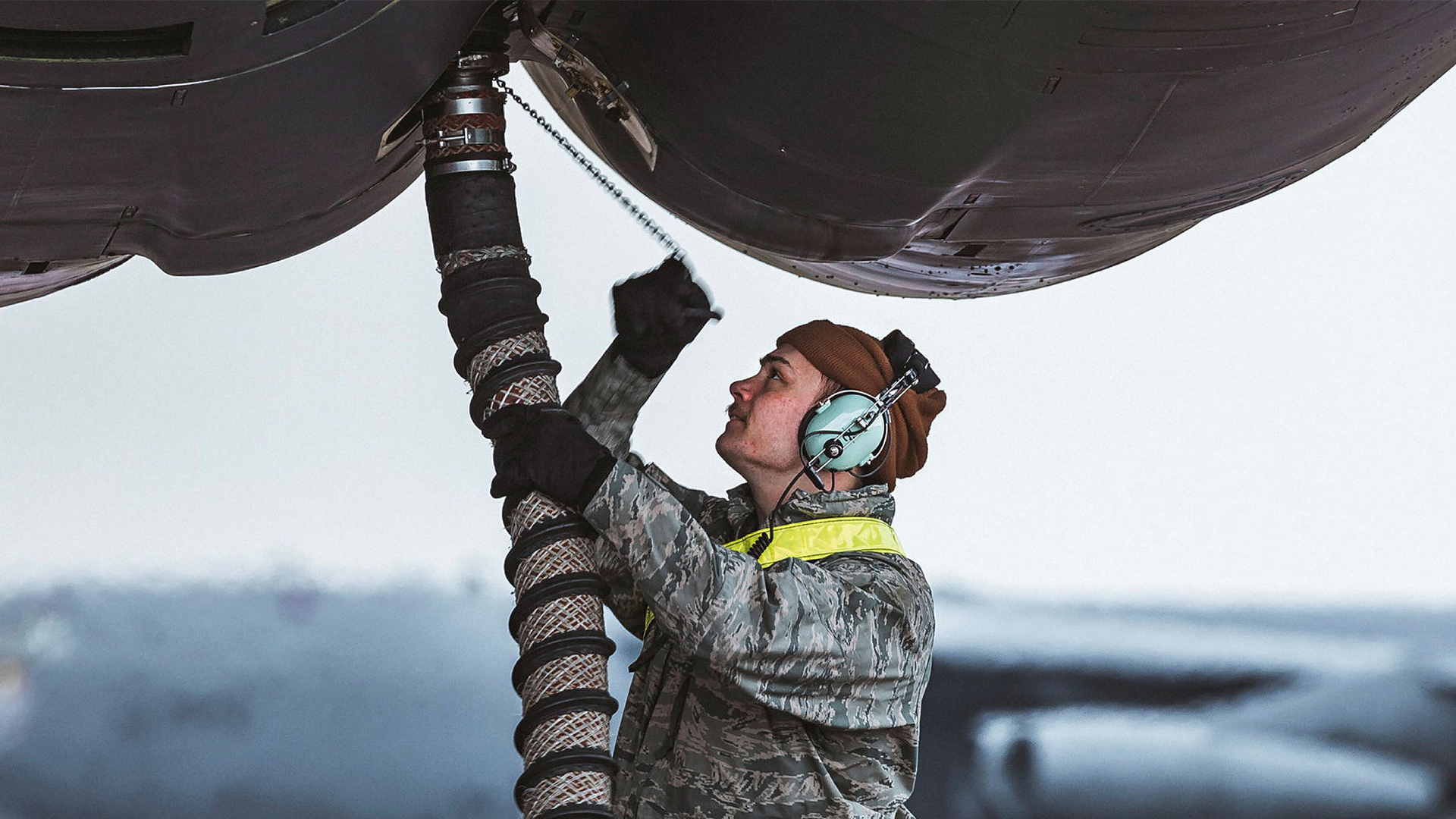
Last year, the US deployed two B-52 Stratofortress bombers from their home in Louisiana to RAF Fairford as part of Exercise Cobra Warrior.
According to the USAF, the multinational training event was designed to simulate long-range strike missions, electronic warfare and dynamic targeting.
Related topics
Join Our Newsletter