One thousand five hundred strikes in 24 hours: How Operation Epic Fury began
Operation Epic Fury began with a series of strikes involving bunker-busting missiles as the US and Israel set about their plans to dismantle Iran's military capabilities.
Israeli aircraft are thought to have launched long-range ballistic missiles – like ROCKS or Golden Horizon – from outside Iranian territory.
Travelling at hypersonic speeds, Iran would have had little warning they were coming.
Supreme leader killed in first wave
This first decapitation strike killed Ayatollah Khamenei and senior commanders who were meeting in his compound in central Tehran.
The Financial Times reported Israeli spies had hacked street cameras in the area and had been studying the patterns of life of the guards.
The CIA is also believed to have been involved.
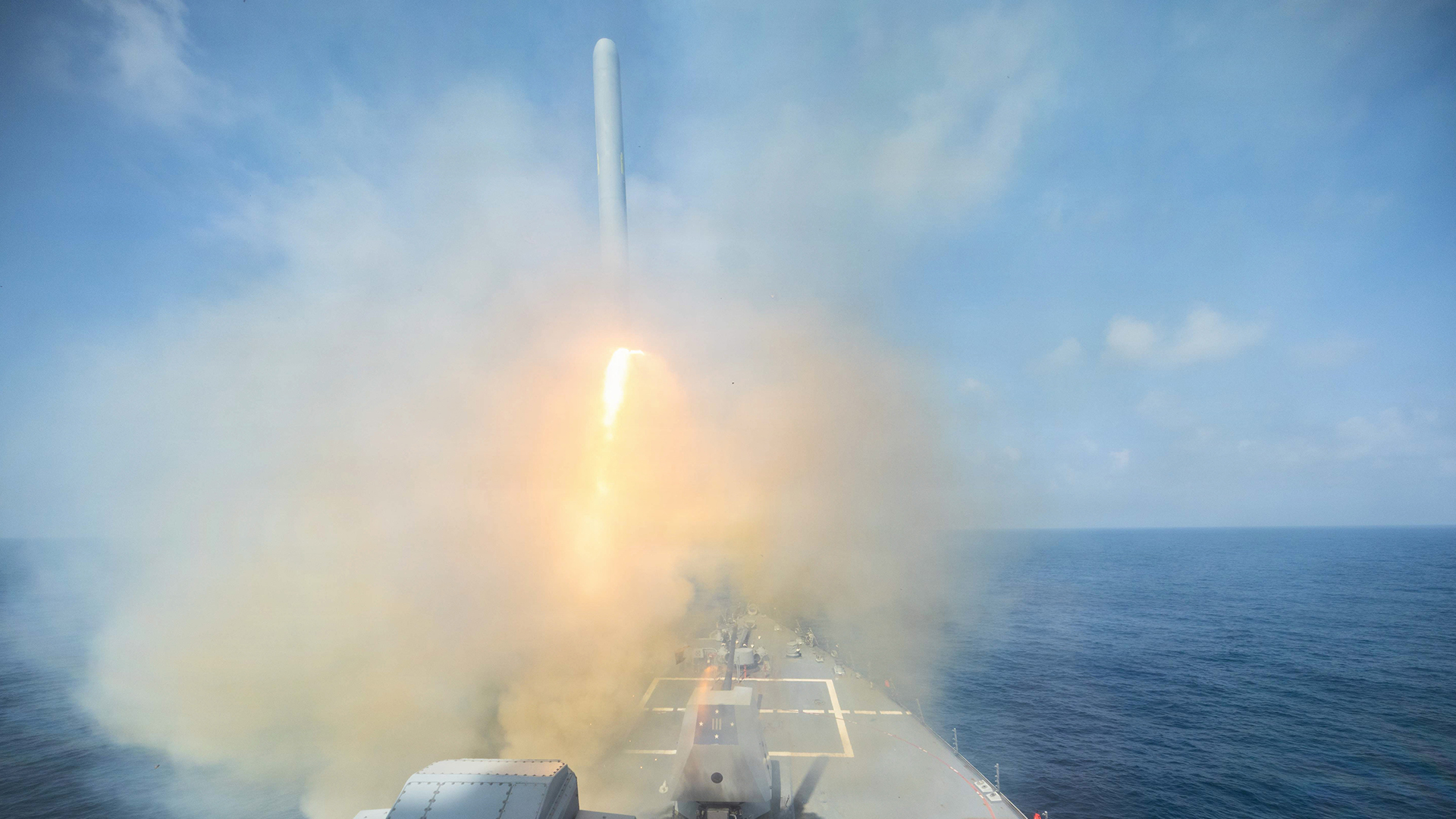
The next phase saw US warships firing salvoes of Tomahawk cruise missiles. At least 21 were seen in one group flying low over Iraq towards Iran.
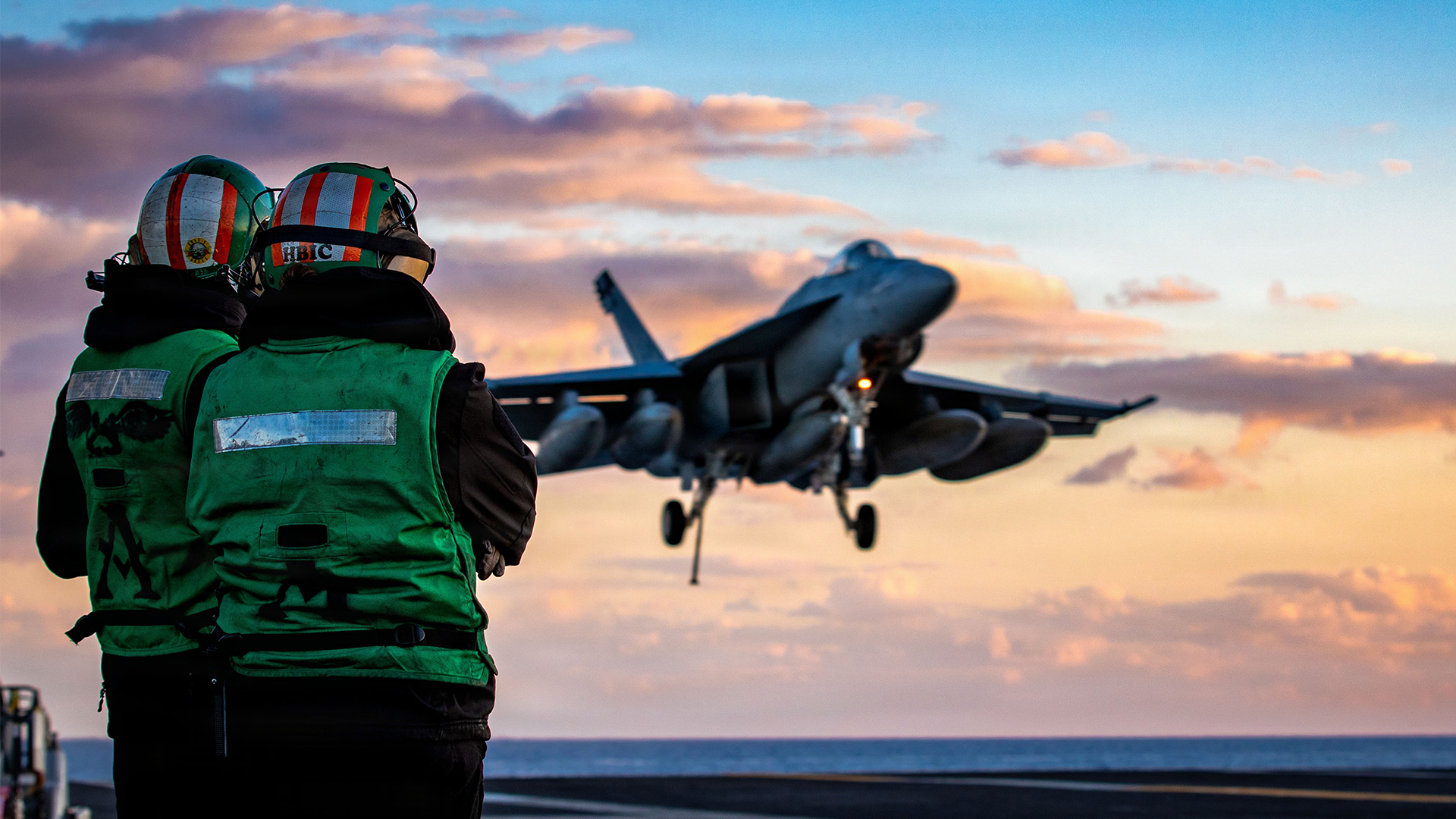
Waves of aircraft also launched from aircraft carriers USS Gerald R Ford in the Mediterranean and USS Abraham Lincoln in the Arabian Sea.
US Central Command said they had carried out more than 1,000 strikes in 24 hours.
Air strikes too, not just missiles
Israel had more than 200 aircraft in the air during the initial phases, hitting 500 targets in the largest air strike ever launched by the Israeli air force.
The US is also believed to have used LUCAS one-way attack drones fired from Independence-class littoral combat ships in the Persian Gulf.
President Donald Trump said the US was going to "annihilate" the Iranian navy.
And within hours, nine naval craft had been destroyed, including the Iranian drone carrier Shahid Bagheri.
US Central Command also released footage of Precision Strike Missiles being fired from HIMARS launchers.
Iran hits back
Within hours of the initial attack, Iran was firing back.
But US cyber and electronic warfare attacks meant the Iranians' command and control would have been massively disrupted.
For missile unit commanders, it probably meant going low-tech and relying on pre-planned strike orders.
Iranian ballistic missiles and drones started hitting multiple Middle Eastern countries, including Israel, the UAE, Qatar and Kuwait.
In Bahrain, a ballistic missile and Shahed drone hit the US 5th Fleet NSA facility. It struck within 200 metres of the UK Naval Support Facility of HMS Juffair.
No let-up at night
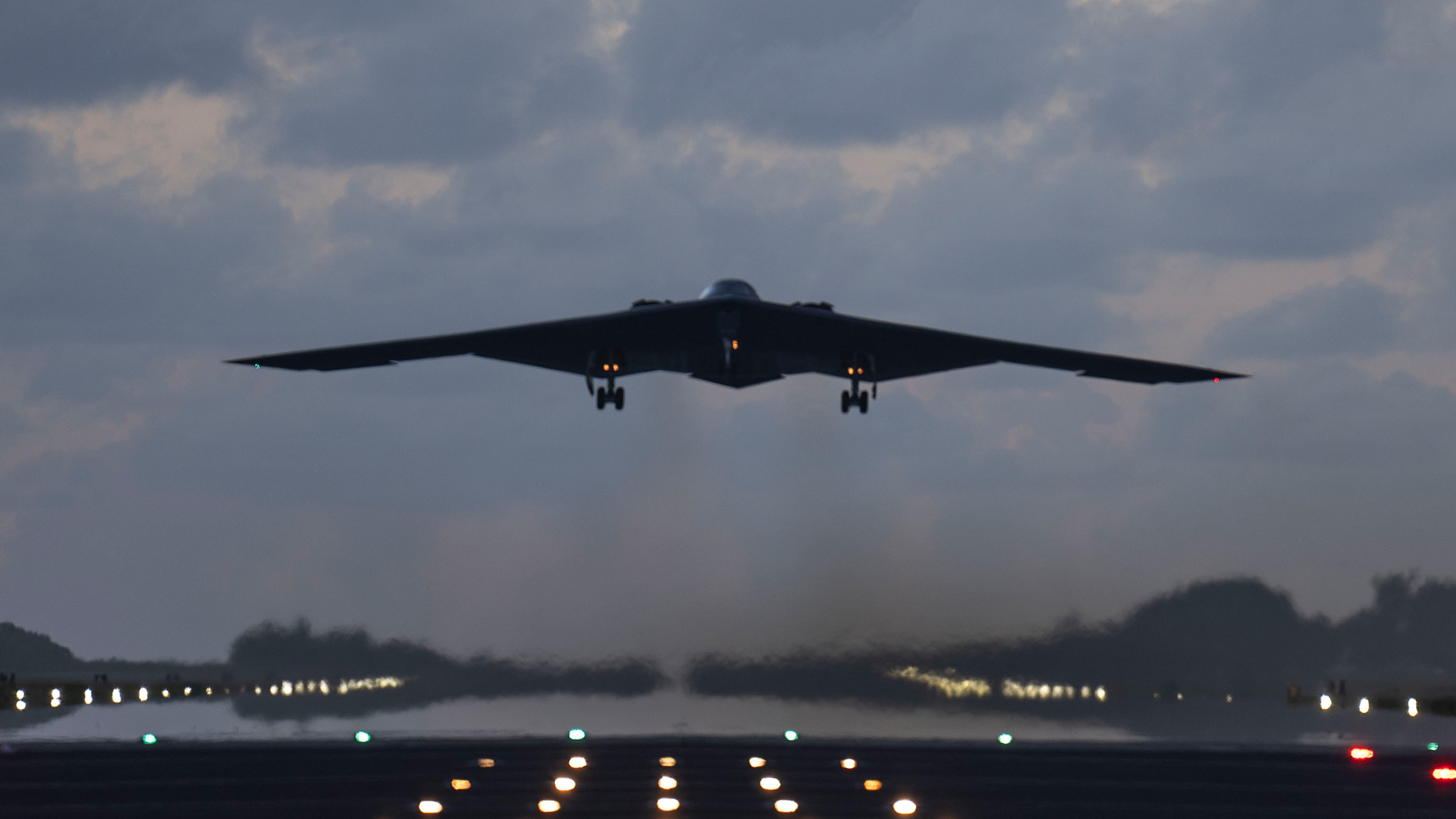
As night arrived, so did the B-2 Spirit stealth bombers flying all the way from Missouri.
Four bombers armed with 2,000lb bombs targeted Iran's hardened ballistic missile facilities.
The bombers are each worth over $1bn and have a two-person crew.
By the end of the first 24 hours, Iran had lost its leader.
But despite being outmatched, it showed no signs of stopping its retaliatory strikes.
Related topics
Join Our Newsletter